Quick take: Thanks to the Affordable Care Act (ACA), most health insurance plans in the U.S. are required to cover the cost of a breast pump, often at no cost to you. To get yours, you'll typically need a prescription from your healthcare provider and will order it through a durable medical equipment (DME) supplier approved by your insurance. Start planning a few months before your due date to ensure it arrives when you need it.
Bringing a new baby home is a whirlwind of joy, exhaustion, and countless decisions. Among the many preparations, ensuring you have the right tools for feeding your little one can bring immense peace of mind. For many women, breastfeeding is a chosen path, and a breast pump becomes an essential item for maintaining milk supply, returning to work, or simply providing flexibility. But the thought of navigating insurance coverage for something as specific as a breast pump can feel like another daunting task on an already long to-do list.
You might be staring at your growing bump, wondering if you'll have to pay hundreds out-of-pocket for a pump, or perhaps you're already a new mom, struggling with feeding and realizing a pump is a necessity, not a luxury. Take a deep breath. The good news is that thanks to the Affordable Care Act (ACA), most health insurance plans are mandated to cover breast pumps. This guide is designed to cut through the confusion, offering a clear, step-by-step path to understanding your benefits and getting the breast pump you need for 2026 and beyond.
We'll walk you through everything from understanding the ACA's requirements to finding out what specific pumps are covered, how to navigate different insurance types like Medicaid, and even what to do if your claim is denied. Our goal is to empower you with the knowledge to secure this vital tool, so you can focus on what truly matters: bonding with your baby.
How Do I Get a Free Breast Pump Through Insurance?
The process of obtaining a "free" breast pump through your insurance might seem complex, but it's generally straightforward once you understand the steps. The key piece of legislation making this possible is the Affordable Care Act (ACA), which mandates that most health insurance plans must cover preventive services, including breastfeeding support, supplies, and counseling, without cost-sharing (meaning no copay, deductible, or coinsurance). This typically includes a breast pump.
Here’s a step-by-step guide to help you navigate the process and secure your pump:
Step 1: Understand Your Insurance Coverage
While the ACA mandates coverage, the specifics can vary between insurance plans. Some plans might cover a single personal-use pump, while others might offer a choice of models or even cover a hospital-grade rental for specific medical needs. Before you do anything else, it's wise to contact your insurance provider directly. Look for the customer service number on your insurance card.
- Ask specific questions:
- "Does my plan cover a personal-use breast pump?"
- "What types of breast pumps are covered (manual, electric, hospital-grade rental)?"
- "Do I need a prescription from my doctor?"
- "When can I receive the pump (before or after delivery)?"
- "Do I need to use a specific durable medical equipment (DME) supplier, or can I purchase from any retailer and be reimbursed?"
- Document everything: Note the date, time, and the name of the representative you speak with. Ask for a reference number for the call. This information can be invaluable if any issues arise later.
Step 2: Obtain a Prescription from Your Healthcare Provider
Most insurance companies require a prescription (sometimes called a "DME order") from your doctor, midwife, or other qualified healthcare provider. This prescription serves as medical necessity documentation. It typically needs to include:
- Your full name and date of birth.
- Your provider's name, signature, and NPI (National Provider Identifier) number.
- The specific item being prescribed (e.g., "personal-use electric breast pump").
- A diagnosis code (often related to pregnancy, postpartum, or breastfeeding support).
- The date of the prescription.
It's a good idea to discuss this with your provider during a prenatal appointment. They are usually familiar with the requirements and can provide the necessary documentation.
Step 3: Choose a Durable Medical Equipment (DME) Supplier
Once you understand your coverage and have your prescription, the next step is to work with a DME supplier. These are specialized companies that provide medical equipment, including breast pumps, and are set up to bill insurance directly. Many insurance companies have a list of approved in-network DME suppliers.
- Finding a supplier:
- Your insurance company can provide a list of approved DMEs.
- Many online breast pump suppliers specialize in working with insurance (e.g., Aeroflow Breastpumps, Byram Healthcare, The Breastfeeding Shop). These companies often have online forms where you can enter your insurance information, and they handle the verification and ordering process for you. This can be a very convenient option.
- What they do: The DME supplier will verify your insurance coverage, obtain your prescription (you might need to send it to them, or they may contact your provider directly), and then present you with the breast pump options available through your plan.
Step 4: Select Your Breast Pump
Once your coverage is verified by the DME supplier, you'll usually be presented with a selection of pumps that are fully covered by your plan. This might include popular brands like Medela, Spectra, Lansinoh, or Evenflo. You might also have the option to "upgrade" to a more advanced pump by paying an out-of-pocket difference. We'll delve deeper into pump types and upgrades in the next section.
Step 5: Await Delivery
After you've made your selection and provided all necessary documentation, the DME supplier will process your order. Most pumps are shipped directly to your home. Ensure you confirm the shipping timeline with the supplier, especially if you have a specific date you need the pump by.
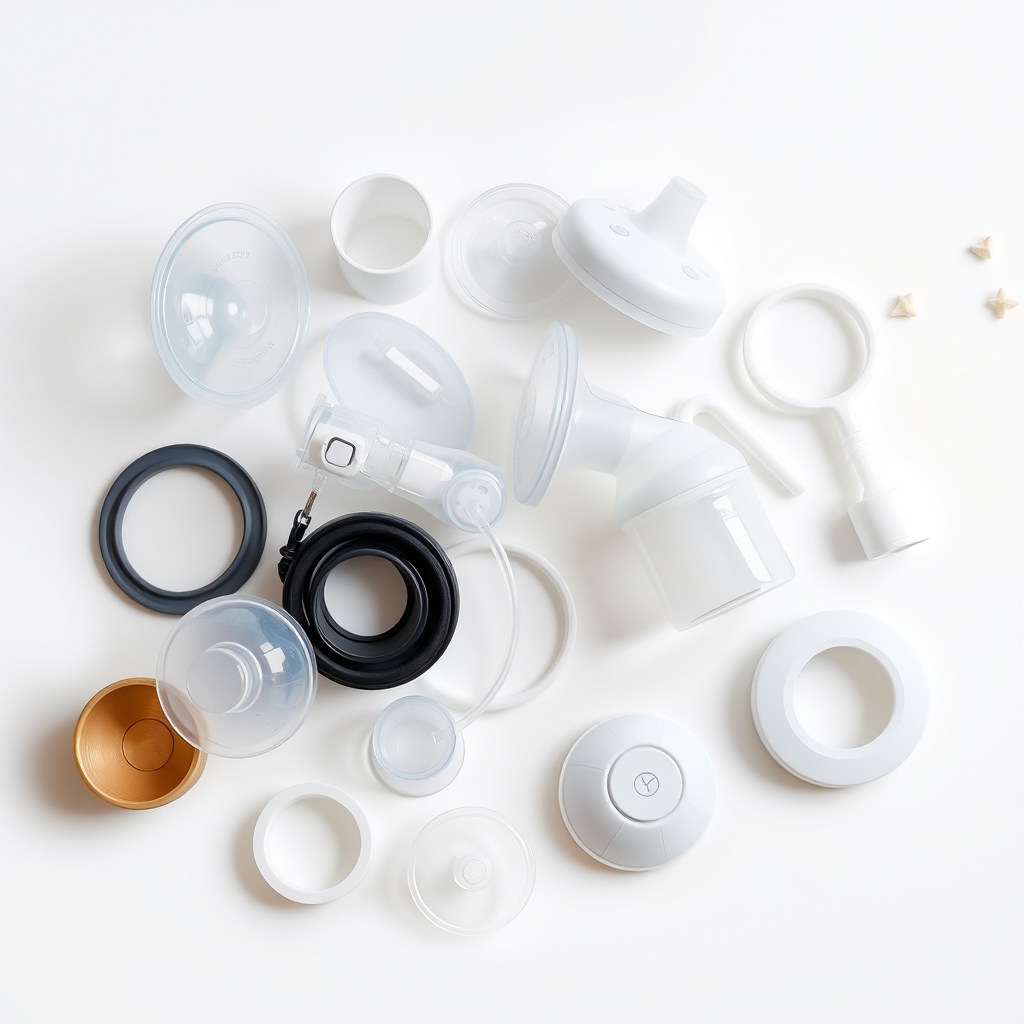
What Breast Pumps Are Covered by Insurance in 2026?
Understanding which specific breast pumps your insurance plan will cover is a common question, and the answer isn't always a simple "yes" or "no." While the ACA mandates coverage, the exact models and types of pumps can vary significantly between insurance providers and even different plans from the same provider. Generally, plans cover a personal-use electric breast pump, but there are other options to consider.
Types of Breast Pumps Typically Covered
Most insurance plans will cover a single, personal-use breast pump per pregnancy. The most common types covered include:
- Personal Electric Breast Pumps: These are the most popular choice for regular use. They are designed for individual mothers and typically come with double-pumping capabilities to save time. Brands like Medela, Spectra, Lansinoh, and Evenflo often have models that are fully covered. These pumps are generally closed-system, meaning there's a barrier between the milk and the pump motor, which helps prevent contamination and makes them hygienic for single-user use.
- Manual Breast Pumps: Some plans also cover manual pumps, which are handheld and operated by squeezing a lever. They are often less expensive and can be a good option for occasional pumping, travel, or as a backup. However, they are generally not suitable for establishing a milk supply or for exclusive pumping.
Hospital-Grade Breast Pumps: Rental vs. Purchase
Hospital-grade breast pumps are multi-user pumps designed for heavy-duty, frequent use, often found in hospitals. They are more powerful and efficient than personal-use pumps and are particularly beneficial for mothers who:
- Are establishing a milk supply for a premature or hospitalized infant.
- Have a low milk supply.
- Are exclusively pumping.
- Are experiencing certain medical conditions.
Insurance coverage for hospital-grade pumps is usually on a rental basis and often requires specific medical necessity documentation from your doctor. It's less common for insurance to cover the purchase of a hospital-grade pump outright. If you believe you need a hospital-grade pump, discuss this in detail with your healthcare provider and your insurance company to understand the specific criteria and rental process.
Upgrade Breast Pump Through Insurance
Many DME suppliers offer an "upgrade" option. This means your insurance plan covers a basic personal electric breast pump, but you can choose a more advanced model by paying the difference out-of-pocket. These upgraded pumps might offer features like:
- Enhanced portability (e.g., smaller, lighter, rechargeable battery).
- Advanced technology (e.g., smart features, app connectivity, quieter motor).
- Additional accessories (e.g., different flange sizes, carrying bag, cooler).
When considering an upgrade, carefully weigh the additional cost against the benefits the upgraded features offer for your specific needs and lifestyle. Sometimes the basic covered pump is perfectly adequate, while for others, the extra features of an upgrade might make a significant difference in their pumping journey.
Here's a quick comparison of common pump types and their typical insurance coverage:
Does Medicaid Cover Breast Pumps and Supplies?
Understanding coverage for breast pumps and supplies can be particularly important for families relying on programs like Medicaid or Tricare. The good news is that the Affordable Care Act (ACA) significantly expanded access to these benefits, making it more consistent across different types of insurance.
ACA Mandate and Medicaid
Yes, under the Affordable Care Act (ACA), Medicaid programs in all states are generally required to cover breast pumps and breastfeeding support services. The ACA considers breastfeeding support, supplies, and counseling as preventive services, which must be covered without cost-sharing. This means that if you are covered by Medicaid, you should be able to obtain a breast pump at no cost to you.
However, while the mandate is universal, the specifics can still vary slightly by state and by the particular Medicaid managed care plan you have. For example, one state's Medicaid program might have a broader list of covered pump models than another, or different requirements for obtaining a prescription.
- What to do: If you are a Medicaid beneficiary, it's crucial to contact your state's Medicaid office or your specific Medicaid managed care plan directly. Ask about their process for breast pump coverage, which DME suppliers they work with, and any specific documentation (like a prescription) you'll need.
- Supplies coverage: Many Medicaid plans will also cover some breast pump supplies, such as flanges, tubing, and collection bottles. Again, verify the specifics with your plan.
Tricare Coverage for Breast Pumps
Tricare, the healthcare program for uniformed service members, retirees, and their families, also provides comprehensive coverage for breast pumps and supplies. Similar to private insurance and Medicaid, Tricare beneficiaries are entitled to a breast pump at no cost, along with certain supplies.
- Tricare specifics: Tricare typically covers one manual or standard electric breast pump per birth. They also cover supplies such as breast pump kits, tubing, and bottles. Like other plans, a prescription from your doctor, physician assistant, nurse practitioner, or certified nurse midwife is usually required.
- How to get it: Tricare works with a network of authorized providers and DME suppliers. You can find a list of these providers on the Tricare website or by contacting your regional Tricare contractor. Many online DME suppliers are also in-network with Tricare.
Private Insurance vs. Medicaid vs. Tricare: Key Differences
While all three generally cover breast pumps, here's a brief overview of potential differences:
- Private Insurance: Coverage is mandated by the ACA for most plans, but details (like specific pump models, upgrade options, and DME networks) can vary widely. You might have options for upgrades with out-of-pocket costs.
- Medicaid: Coverage is also mandated by the ACA, but state-specific variations in managed care plans mean you'll need to check your specific plan for details on covered models and approved suppliers. Generally, no out-of-pocket costs for the covered pump.
- Tricare: Offers consistent coverage across its plans, including one pump per birth and specified supplies. Requires a prescription and typically works through authorized providers.
Regardless of your insurance type, the common thread is that proactive communication with your plan provider and healthcare team is your best strategy. They can guide you through their specific requirements and help you access the benefits you're entitled to.

When Can I Get My Breast Pump Through Insurance?
One of the most frequently asked questions about insurance-covered breast pumps is about the timing. When exactly can you order it? Is it too early to plan, or too late? The timeline for obtaining your breast pump through insurance can vary, but generally, there's a window of opportunity to aim for.
Typical Timeline: Pre-Birth vs. Post-Birth
Most insurance plans allow you to receive your breast pump within a specific timeframe around your due date. The most common allowance is:
- 30 days before your estimated due date: Many insurance companies and DME suppliers will process orders and ship pumps up to 30 days prior to your baby's expected arrival. This allows you to have the pump ready and waiting for when you need it, giving you time to familiarize yourself with it before the baby comes.
- Anytime after birth: If you miss the pre-birth window or decide you need a pump after your baby is born, you can still obtain one. Insurance coverage typically extends for a certain period postpartum (e.g., up to one year after birth), as long as you meet the other requirements like having a prescription.
It's important to verify the exact timeline with your insurance provider. Some plans might be more flexible, allowing you to order earlier, while others might be stricter. For example, some plans might require that the baby has already been born, or that you are within a specific trimester.
Why Timing Matters
Planning the timing of your breast pump acquisition is beneficial for several reasons:
- Preparation: Having your pump before the baby arrives means one less thing to worry about in the hectic postpartum period. You can unbox it, clean the parts, and even do a test run to ensure everything is working correctly and you understand how to use it.
- Immediate Need: Sometimes, breastfeeding doesn't go as planned from day one. You might need to pump to help establish your milk supply, relieve engorgement, or provide milk for a baby who is having trouble latching. Having the pump on hand can be crucial in these early days.
- Avoid Delays: While DME suppliers are efficient, shipping times can vary, and unexpected delays can occur. Ordering ahead ensures you're not caught without a pump if you need one right away.
Can I Get a Breast Pump if I'm Not Pregnant Yet?
Generally, no. Insurance coverage for a breast pump is tied to a current pregnancy or recent birth. Most plans require a prescription that confirms your pregnancy or postpartum status, along with an estimated due date or birth date. If you're planning for pregnancy in the future, it's great to be proactive and understand your potential benefits, but you won't be able to order the pump until you are actually pregnant and closer to your due date.
Planning Ahead
A good strategy is to start researching your insurance coverage in your second trimester. Contact your insurance company, understand their specific rules for timing, and identify approved DME suppliers. Then, closer to your third trimester (around 30-36 weeks), you can obtain your prescription and place your order. This approach allows ample time for verification, shipping, and any potential troubleshooting, ensuring your pump is ready when your baby is.
What Documents Do I Need to Get a Breast Pump Through Insurance?
Navigating the paperwork for insurance claims can feel overwhelming, but when it comes to getting a breast pump, the required documentation is usually quite straightforward. The primary document you'll need is a prescription from a qualified healthcare provider.
Breast Pump Prescription Requirements
A prescription is almost always necessary to confirm medical necessity and to authorize the coverage of the breast pump under your insurance plan. This prescription needs to come from a licensed healthcare professional who is caring for you during your pregnancy or postpartum period. This typically includes:
- Your Obstetrician/Gynecologist (OB/GYN)
- A Family Doctor or Primary Care Provider (PCP)
- A Certified Nurse Midwife (CNM)
- A Physician Assistant (PA)
- A Nurse Practitioner (NP)
The prescription (often called a "DME order" or "Letter of Medical Necessity") should include specific information to be valid for insurance purposes:
- Your Full Name and Date of Birth: To identify you as the patient.
- Diagnosis Code: This is a standard medical code (ICD-10 code) that indicates the reason for the prescription. For breast pumps, common codes relate to pregnancy (e.g., Z34.00 for supervision of normal first pregnancy) or postpartum care (e.g., Z39.0 for encounter for care and examination of mother immediately after delivery). Your provider will know which code to use.
- Specific Item Prescribed: Clearly state "personal-use electric breast pump" or "manual breast pump." If a hospital-grade rental is needed, the prescription must specify this and often include a more detailed medical justification.
- Provider's Signature and NPI Number: The National Provider Identifier is a unique 10-digit identification number issued to healthcare providers in the United United States.
- Date of Prescription: This is important for timing requirements, as some insurance plans have rules about how far in advance of your due date a prescription can be dated.
It's a good practice to ask your provider for a copy of the prescription for your records, even if they send it directly to the DME supplier.
While the prescription is the main document, you'll also need to provide some personal and insurance information to the DME supplier:
- Insurance Card Information: You'll need your insurance company name, policy number, group number, and the primary policyholder's name and date of birth. This allows the DME supplier to verify your benefits.
- Contact Information: Your mailing address for pump delivery and phone number/email for communication.
- Estimated Due Date or Date of Birth: This helps the DME supplier ensure your order meets your insurance plan's timing requirements.
- Consent Forms: The DME supplier may require you to sign forms consenting to them billing your insurance on your behalf and confirming your understanding of the terms (e.g., if you choose an upgrade, you'll pay the difference).
Many online DME suppliers have user-friendly portals where you can upload your prescription and enter all your information electronically, streamlining the process significantly. They will then handle the direct communication with your insurance company and, if necessary, with your healthcare provider to confirm the prescription details.
Are Breast Pump Accessories Covered by Insurance?
Getting your breast pump covered is a huge help, but what about all the bits and pieces that go with it? Breastfeeding and pumping require more than just the pump itself. You'll need various accessories and replacement parts to ensure hygienic, efficient, and comfortable pumping. The good news is that many insurance plans do cover some of these essential items, but the extent of coverage can vary.
Commonly Covered Accessories and Replacement Parts
Most insurance plans, in compliance with the ACA, will cover certain breast pump supplies. These are typically items that are integral to the function of the pump and need to be replaced periodically for hygiene or wear and tear. These often include:
- Flanges (Breast Shields): These are the cones that fit over your nipple and breast. They come in various sizes, and finding the correct size is crucial for comfort and effective milk expression. They may need to be replaced if damaged or worn.
- Tubing: The plastic tubes connect the flanges to the pump motor. Tubing can get stretched, cracked, or sometimes collect moisture or mold, requiring replacement.
- Valves and Membranes: These small, delicate parts create the suction in the pump. They are often the first parts to wear out and need frequent replacement to maintain pump efficiency.
- Collection Bottles: Bottles that attach to the pump to collect expressed milk are usually covered.
- Backflow Protectors: These prevent milk from flowing back into the pump motor, protecting the motor and ensuring hygiene for closed-system pumps.
Coverage for these items often includes a specific quantity or frequency. For instance, your plan might cover a new set of tubing or membranes every few months. It's vital to check your specific policy details or speak with your DME supplier about what is covered and how often you can receive replacements.
Items Typically Not Covered by Insurance
While essential for a pumping journey, some items are generally considered "convenience" items and are usually not covered by insurance. These might include:
- Pumping Bras: These bras hold the flanges in place, allowing for hands-free pumping, but are typically an out-of-pocket expense.
- Sterilizers and Cleaning Supplies: Sterilizer bags, wipes, brushes, and special soaps for cleaning pump parts are usually not covered.
- Cooler Bags and Ice Packs: For storing milk on the go.
- Storage Bags: Bags specifically designed for freezing and storing breast milk.
- Nursing Pillows or Covers: Items related to direct breastfeeding.
- Spare Parts Kits: While individual replacement parts might be covered, a large "spare parts kit" might not be, unless it breaks down into individually covered components.
How to Obtain Covered Accessories
To get covered accessories, you'll typically follow a similar process to getting your pump:
- Contact your DME supplier: The same company that provided your breast pump is usually the best resource for ordering replacement parts covered by your insurance. They will know your plan's specifics.
- Check your plan: Always confirm with your insurance provider or DME what items are covered and their replacement schedule.
- Prescription: While often not needed for routine replacement parts, sometimes a new prescription might be required if you're requesting entirely new types of accessories or if there's a significant change in your pumping needs (e.g., needing different flange sizes due to nipple changes).
By understanding what's covered and what isn't, you can better budget for your breastfeeding journey and ensure you have all the necessary tools for successful pumping.
How to Appeal a Denied Breast Pump Insurance Claim
Receiving a denial for a breast pump claim can be incredibly frustrating, especially when you're already managing the demands of pregnancy or new motherhood. However, a denial is not necessarily the final word. You have the right to appeal the decision, and many denials are overturned upon appeal. Don't give up!
Common Reasons for Denial
Before appealing, it's helpful to understand why your claim might have been denied. Common reasons include:
- Missing or Incomplete Prescription: The prescription might be missing key information (diagnosis code, provider signature, date), or it might not have been submitted at all.
- Incorrect Timing: You ordered the pump too early or too late according to your plan's specific rules (e.g., outside the 30-day pre-birth window).
- Out-of-Network Provider/Supplier: You used a DME supplier or ordered from a retailer that is not in your insurance plan's network.
- Pump Type Not Covered: You selected a pump model or type (e.g., hospital-grade without medical necessity) that your plan does not cover.
- Clerical Errors: Mistakes in your policy number, name, or other identifying information.
- Lack of Medical Necessity: For certain types of pumps (especially hospital-grade rentals), the insurance company might deem there isn't sufficient medical justification.
- Policy Exclusions: Although less common due to the ACA, some grandfathered plans or specific policy clauses might have exclusions.
Step-by-Step Appeal Process
Here’s how to approach an appeal:
- Review the Denial Letter Carefully: Your insurance company is legally required to send you a written explanation for the denial. This letter will state the specific reason for the denial and outline the steps for appeal, including deadlines. Pay close attention to the reason provided.
- Gather All Documentation: Collect everything related to your claim:
- Your original prescription from your healthcare provider.
- Any communication you had with your insurance company (dates, names of representatives, reference numbers).
- Your insurance policy documents, highlighting the sections that discuss breast pump coverage.
- Any medical records that support the need for a breast pump (especially if a hospital-grade pump was requested).
- The denial letter itself.
- Write a Strong Appeal Letter: This is your opportunity to clearly explain why the denial should be overturned.
- Be Clear and Concise: State your name, policy number, and the claim number. Clearly reference the denial letter and its date.
- Address the Specific Reason for Denial: Directly refute the reason given. If they said the prescription was missing, state that it was provided and attach a copy. If they said it was out-of-network, explain why you believed the supplier was in-network or if you used an approved supplier.
- Cite Your Policy and the ACA: Refer to your insurance policy's language regarding breast pump coverage. Crucially, cite the Affordable Care Act's mandate for coverage of preventive services, including breast pumps, without cost-sharing.
- Include Supporting Documentation: Attach copies of all your gathered documents. Do not send originals.
- Request a Specific Outcome: Clearly state that you are requesting the claim be reconsidered and approved.
- Maintain a Professional Tone: While frustrating, a calm, factual letter is most effective.
- Internal Review: Submit your appeal to your insurance company. They are required to conduct an internal review of your claim. They will then send you a decision in writing.
- External Review (If Necessary): If your internal appeal is denied, you typically have the right to an external review. This means an independent third party (not affiliated with your insurance company) will review your case. The denial letter should explain how to request an external review. This is often a highly effective step.
Remember, you're advocating for your health and your baby's needs. Many healthcare providers, especially lactation consultants, are familiar with the appeals process and might be able to offer additional support or even write a letter of support for your appeal.
How to Choose the Best Breast Pump Covered by Insurance
Even with insurance coverage, you'll often have a choice of breast pumps. Deciding which one is "best" for you depends heavily on your individual circumstances, lifestyle, and breastfeeding goals. There's no single best pump for everyone, but by considering a few key factors, you can make an informed decision.
Consider Your Pumping Frequency and Lifestyle
- Exclusive Pumping: If you plan to pump exclusively or primarily, you'll need a powerful, durable, double electric pump. Look for models designed for heavy use that maintain strong suction. Hospital-grade options (often rental) might be medically necessary in some cases.
- Returning to Work: For pumping at work, portability, discreetness, and battery life are crucial. A lightweight, quiet, rechargeable double electric pump can make a big difference. Many women also appreciate a closed-system pump for hygiene and easy cleaning.
- Occasional Pumping/Backup: If you'll only be pumping occasionally (e.g., to build a small stash, for date nights), a simpler personal electric pump or even a manual pump might suffice. Portability might still be a factor if you travel.
- Stay-at-Home Parent: You might prioritize comfort and efficiency over extreme portability. A reliable double electric pump that plugs into an outlet could be ideal.
Key Features to Look For
- Double vs. Single Pumping: Most personal electric pumps are double pumps, allowing you to express milk from both breasts simultaneously, which saves time and can help optimize milk production. Single pumps are slower but can be useful for one-sided pumping or resolving engorgement.
- Closed vs. Open System:
- Closed System: Has a barrier that prevents milk from entering the pump's tubing or motor. This makes it more hygienic, easier to clean, and prevents mold growth. Most modern personal electric pumps are closed-system.
- Open System: No barrier, so milk can get into the tubing and potentially the motor. These are harder to clean and not recommended for multi-user scenarios.
- Suction and Speed Settings: Look for pumps with adjustable suction levels and cycling speeds. This allows you to customize your pumping experience to mimic your baby's natural suckling pattern and find what's most comfortable and effective for you.
- Portability and Power Source: Do you need a lightweight pump for commuting? A rechargeable battery for freedom from outlets? Or will you always be near a plug?
- Noise Level: Some pumps are significantly quieter than others, which can be a major consideration if you're pumping in an office, at night near a sleeping baby, or in shared spaces.
- Flange Sizes: Ensure the pump comes with or is compatible with various flange sizes. Using the correct size is paramount for comfort, preventing nipple damage, and maximizing milk output. Many DMEs will provide different sizes.
Consult with a Lactation Consultant
One of the best resources for choosing a breast pump is a certified lactation consultant (IBCLC). They can discuss your specific feeding goals, assess your unique needs, and offer personalized recommendations based on their extensive knowledge of different pump brands and models. They can also help you understand how to properly use your pump and troubleshoot any issues.
By taking the time to consider these factors and consulting with professionals, you can confidently select the breast pump that will best support your breastfeeding journey, all while leveraging your insurance benefits.

Myth vs. Fact
There's a lot of information circulating about breast pump coverage, and it's easy to get confused. Let's clear up some common misconceptions.
Myth: All breast pumps are covered 100% by insurance, no matter which one I choose.
Fact: While most insurance plans cover a personal-use breast pump, they typically cover specific models or types. You might have fully covered options, or you might choose to pay an "upgrade" fee for a more advanced pump. Hospital-grade pumps are usually only covered for rental under specific medical necessity.
Myth: I have to buy my pump first and then submit for reimbursement.
Fact: While some plans might offer reimbursement, most insurance companies work directly with durable medical equipment (DME) suppliers. These suppliers handle the billing to your insurance, meaning you often receive your pump directly without any upfront cost or need for reimbursement paperwork.
Myth: I can only get an electric breast pump through insurance; manual pumps aren't covered.
Fact: Many insurance plans do cover manual breast pumps, especially if an electric pump is not medically necessary or if you prefer a manual option for occasional use. Always check with your specific plan about the types of pumps they cover.
Key Takeaways
- The Affordable Care Act (ACA) mandates most health insurance plans to cover a breast pump at no cost.
- You'll typically need a prescription from your healthcare provider and will work with an approved durable medical equipment (DME) supplier.
- Coverage specifics, including pump models and timing, vary by insurance plan (private, Medicaid, Tricare). Always verify directly.
- Many plans cover essential breast pump accessories and replacement parts, but not all "convenience" items.
- If your claim is denied, you have the right to appeal the decision; gather documentation and follow the appeal process carefully.
- Choose a pump based on your pumping frequency, lifestyle, and desired features, consulting with a lactation consultant if needed.
Frequently Asked Questions
Is a breast pump covered by insurance?
Yes, in most cases. Thanks to the Affordable Care Act (ACA), most private health insurance plans, as well as Medicaid and Tricare, are required to cover the cost of a breast pump without cost-sharing. However, the specific type of pump covered and the process for obtaining it can vary by plan.
What kind of breast pump can I get through insurance?
Most insurance plans cover a personal-use electric breast pump. Many also cover manual pumps. Hospital-grade breast pumps are typically covered for rental only, and usually require specific medical necessity documentation from your doctor. You may also have the option to pay an "upgrade" fee for a more advanced model.
Do I need a prescription for a breast pump?
Yes, almost all insurance providers require a prescription (often called a "DME order") from your healthcare provider (OB/GYN, midwife, family doctor, etc.). This prescription serves as documentation of medical necessity and must include specific information like your diagnosis code and the type of pump prescribed.
When should I order my breast pump through insurance?
Most insurance plans allow you to order and receive your breast pump within 30 days of your estimated due date. You can also typically obtain a pump anytime after your baby is born, often up to one year postpartum. It's wise to start the process in your third trimester to ensure it arrives before you need it.
Does insurance cover breast pump supplies?
Yes, many insurance plans also cover essential breast pump supplies and replacement parts, such as flanges, tubing, valves, and collection bottles. Coverage usually includes a specific quantity or frequency for these items. However, "convenience" items like pumping bras, sterilizers, or milk storage bags are generally not covered.
Can I get a breast pump if I'm not pregnant yet?
No, typically not. Insurance coverage for a breast pump is tied to a current pregnancy or recent birth. You will need a prescription from your healthcare provider that confirms your pregnancy status or postpartum period, along with an estimated due date or actual birth date, to be eligible for coverage.
When to See a Doctor or Specialist
While this guide provides comprehensive information on obtaining a breast pump through insurance, it's crucial to remember that it is for informational purposes only and not a substitute for professional medical advice. If you have any questions or concerns about your breastfeeding journey, milk supply, nipple pain, or your baby's feeding, please reach out to your healthcare provider.
Specifically, consult with:
- Your OB/GYN or Midwife: For prescriptions, medical concerns related to your postpartum recovery, or general breastfeeding questions.
- A Certified Lactation Consultant (IBCLC): For personalized advice on choosing the right pump, proper flange sizing, establishing and maintaining milk supply, troubleshooting feeding challenges, and understanding your pump's operation. They are invaluable resources for any breastfeeding or pumping concerns.
- Your Baby's Pediatrician: If you have concerns about your baby's weight gain, feeding patterns, or health.
Don't hesitate to seek professional guidance. Your health and your baby's well-being are paramount.
References
- U.S. Department of Health & Human Services. The Affordable Care Act and Women's Health.
- Healthcare.gov. What Marketplace health insurance plans cover.
- American Academy of Pediatrics (AAP). Breastfeeding and the Use of Human Milk.
- The Menopause Society (NAMS). (Although this is a menopause site, the general principles of insurance coverage for women's health apply).
- American College of Obstetricians and Gynecologists (ACOG). Breastfeeding FAQs.
- Tricare. Breast Pumps and Supplies.




