Quick take: Trimming newborn nails safely is a simple routine you can master at home. Soften the nails with warm water, use a baby‑specific nail clipper or tiny scissors, and work in a well‑lit, calm setting. If you accidentally nick the skin, apply gentle pressure with a clean cloth; most tiny cuts stop bleeding on their own. For persistent bleeding or signs of infection, contact your pediatrician.
It’s 2 a.m., the house is quiet, and you’ve just noticed a faint scratch on your baby’s cheek. You stare at that tiny, translucent nail and wonder: “How can I keep this from happening again?” You’re not alone. Many new parents feel a knot of anxiety the first time they see their newborn’s nails—those soft, pink crescents that can turn into tiny razors in a matter of weeks. The good news is that with a few gentle steps, you can trim newborn nails without cutting skin and protect your little one’s delicate face.
In this guide we’ll walk through everything you need to know about newborn nail care: why it matters, the best tools, how to soften and trim nails safely, how often to do it, and what to do if an accidental cut occurs. We’ll also share calming tips, a quick‑reference checklist, and answers to the most common questions parents ask. By the end, you’ll feel confident handling those tiny nails, keeping your baby safe, and preserving those precious, scratch‑free moments.
What is the safest way to trim newborn nails without hurting the baby?
The safest method combines three simple principles: softening the nails, using appropriate tools, and working in a calm, well‑lit environment. Soft nails are less likely to split, and a gentle grip reduces the chance of pinching skin. Here’s a step‑by‑step routine that pediatric experts from the American Academy of Pediatrics (AAP) endorse for at‑home nail care.
How to soften newborn nails before trimming
Warm water is the easiest way to soften newborn nails. Fill a basin with comfortably warm water (about 37 °C/98.6 °F) and gently place your baby’s hand or foot in it for 2–3 minutes. The soak not only softens the nail plate but also relaxes the baby, making the trimming process smoother. If you’re already bathing your baby, you can trim the nails right after the shower while the skin is still damp.
Is it okay to use a nail file on a newborn?
Yes—once the nails are softened, a very fine nail file (specifically labeled for infants) can be used to smooth sharp edges. Filing is a gentle alternative to clipping, especially for babies who are extra wiggly. However, filing alone may not remove the bulk of the nail, so many parents combine a brief clip with a light file for a polished finish.
Below is a quick comparison of the most common tools. Choose the one that feels most comfortable for you and matches your baby’s nail thickness.
Step‑by‑step safe trimming technique
- Gather supplies—baby clippers or scissors, a soft cloth, a small lamp or natural light source, and a clean washcloth.
- Soak the baby’s hand or foot in warm water for a few minutes to soften the nail.
- Dry gently with a towel, keeping the skin dry but the nail slightly damp.
- Secure the finger by holding the fingertip with one hand, using the thumb to keep the nail flat and away from the skin.
- Trim at a slight angle, cutting only the white tip of the nail. Aim for a length that just covers the pink base, avoiding the curved part that lies close to the skin.
- File the remaining edge with a fine infant file if needed.
- Inspect for any sharp corners and repeat for each digit.
By following these steps, most parents can trim nails without nicking the skin. The key is to keep the baby’s hand steady, use the right tool, and trim only the free edge. If you ever feel unsure, pause, take a deep breath, and try again when the baby is calmer.
How to trim newborn nails at home without cutting the skin?
While the technique above outlines the “how,” many parents wonder about practical details: timing, environment, and handling a squirmy infant. Here’s a practical guide to make the process as painless as possible.
When is the ideal time to trim nails?
Many pediatricians recommend trimming after a bath, when the nails are naturally softened. If you’re not bathing daily, a quick 2‑minute soak in warm water works just as well. Choose a moment when your baby is sleepy, fed, or already calm—often after a feeding or during a nap.
Can I trim nails during bath?
Yes. The water’s heat softens the nail plate, and the baby is already in a relaxed state. Just be sure the water isn’t too hot, and have a firm grip to prevent the hand from slipping. Some parents keep a set of clippers on a waterproof tray within arm’s reach for convenience.
Tips for calming a newborn during nail trimming
Creating a soothing atmosphere can turn a potential stressor into a bonding moment.
- Dim lighting and a soft lullaby help keep the baby relaxed.
- Swaddle the baby’s upper body while you work on the lower hand or foot.
- Use a gentle voice—talking through each step reassures the infant.
- Offer a pacifier or a favorite soft toy for distraction.
What to do if I cut my newborn’s skin while trimming nails?
Accidental nicks happen, even to seasoned parents. Here’s the immediate response:
- Stay calm. Your composure helps soothe the baby.
- Apply gentle pressure with a clean cloth or gauze for 30–60 seconds.
- If bleeding persists, use a small amount of sterile saline and continue pressure.
- Most tiny cuts stop within a few minutes. If bleeding continues beyond 5 minutes, or you notice swelling or redness, call your pediatrician.
How to keep newborn nails from scratching the face?
Besides regular trimming, you can protect the baby’s face by:
- Applying a thin layer of baby‑safe moisturizer to keep the skin supple.
- Using soft mittens or cotton socks when the baby is asleep.
- Ensuring the nails are rounded after each trim to minimize sharp edges.
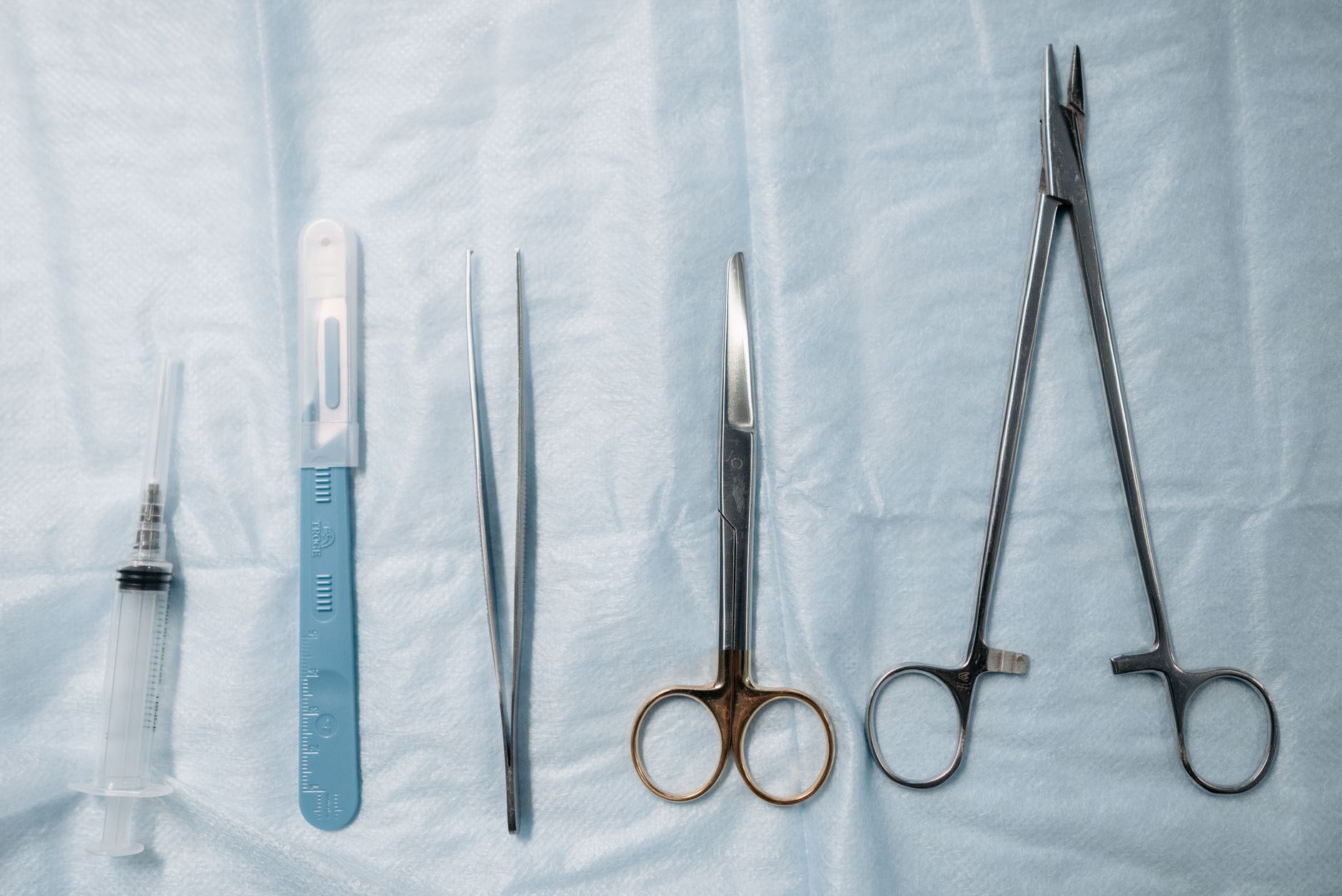
Choosing the right instrument is the foundation of safe nail care. While any tiny, sharp tool can do the job, specialized baby tools are designed with safety features—rounded tips, ergonomic handles, and non‑slip grips—that reduce the risk of cutting skin.
Can I use baby nail clippers vs regular scissors?
Baby nail clippers are specifically engineered for the size and curvature of infant nails. Regular adult clippers or scissors are often too large, making it difficult to see the nail edge clearly and increasing the chance of a slip. If you only have regular scissors, select a pair with a rounded tip and keep the blades angled away from the skin.
Do newborns need nail care right after birth?
Most newborns are born with soft, transparent nails that can break off naturally. However, some babies develop “nail‑in‑the‑mouth” or “scratching‑in‑the‑face” issues within the first weeks. A gentle first trim—usually within the first week—can prevent accidental scratches. If the nails feel hard or the baby seems uncomfortable, it’s a sign to trim.
Is a nail file enough on its own?
A fine infant file can smooth sharp edges after a brief clip, but it may not remove enough nail length for very fast growers. Using a file alone can be time‑consuming and may cause the baby to become restless. Most pediatric nurses recommend a quick clip followed by a light filing to achieve a smooth, safe edge.
When should I start trimming my newborn's nails?
The right moment varies, but most experts suggest beginning within the first week to ten days of life. Look for these cues:
- Visible white tip extending beyond the pink nail bed.
- Harder nail texture—the nail feels less pliable after the first few days.
- Signs of scratching—tiny red marks on the face, arms, or neck.
If you’re unsure, ask your pediatrician at the 2‑week check‑up. They can demonstrate the technique and confirm whether your baby’s nails are ready for trimming. The NHS also advises that early trimming can prevent skin irritation and is safe when done gently.
How often should I trim a newborn's nails?
Newborn nails grow quickly—often a millimeter or more each week. Most parents find that trimming every 3–5 days keeps the nails at a safe length. However, the exact frequency depends on individual growth rates and your baby’s activity level.
Signs it’s time to trim again
Watch for these indicators:
- White nail tip protruding beyond the pink base.
- Baby appears uncomfortable when you touch the fingertip.
- New scratches appear after a recent trim.
If any of these signs appear, schedule a quick trim. For babies who grow slower, a weekly check may suffice.
Tips for calming a newborn during nail trimming
Even a well‑prepared routine can be disrupted by a sudden wail. Here are some proven calming strategies, backed by the National Institute of Child Health and Human Development (NICHD):
Use a “snuggle‑and‑trim” approach
Hold your baby close to your chest, with their head resting on your shoulder. The warmth and heartbeat provide comfort while you work on the opposite hand or foot.
Create a “trimming ritual”
Consistent cues—such as a soft blanket, a specific lullaby, and a gentle voice—signal to the baby that this is a safe, predictable activity. Over time, the baby will associate the ritual with calmness.
Employ a distraction technique
Offer a small, safe toy (like a soft rattle) or a pacifier right before you start. The distraction reduces focus on the sensation of the tools.
Control the environment
Keep the room temperature comfortable (around 22 °C/72 °F) and minimize background noise. A dimmed lamp can prevent glare, which often startles infants.
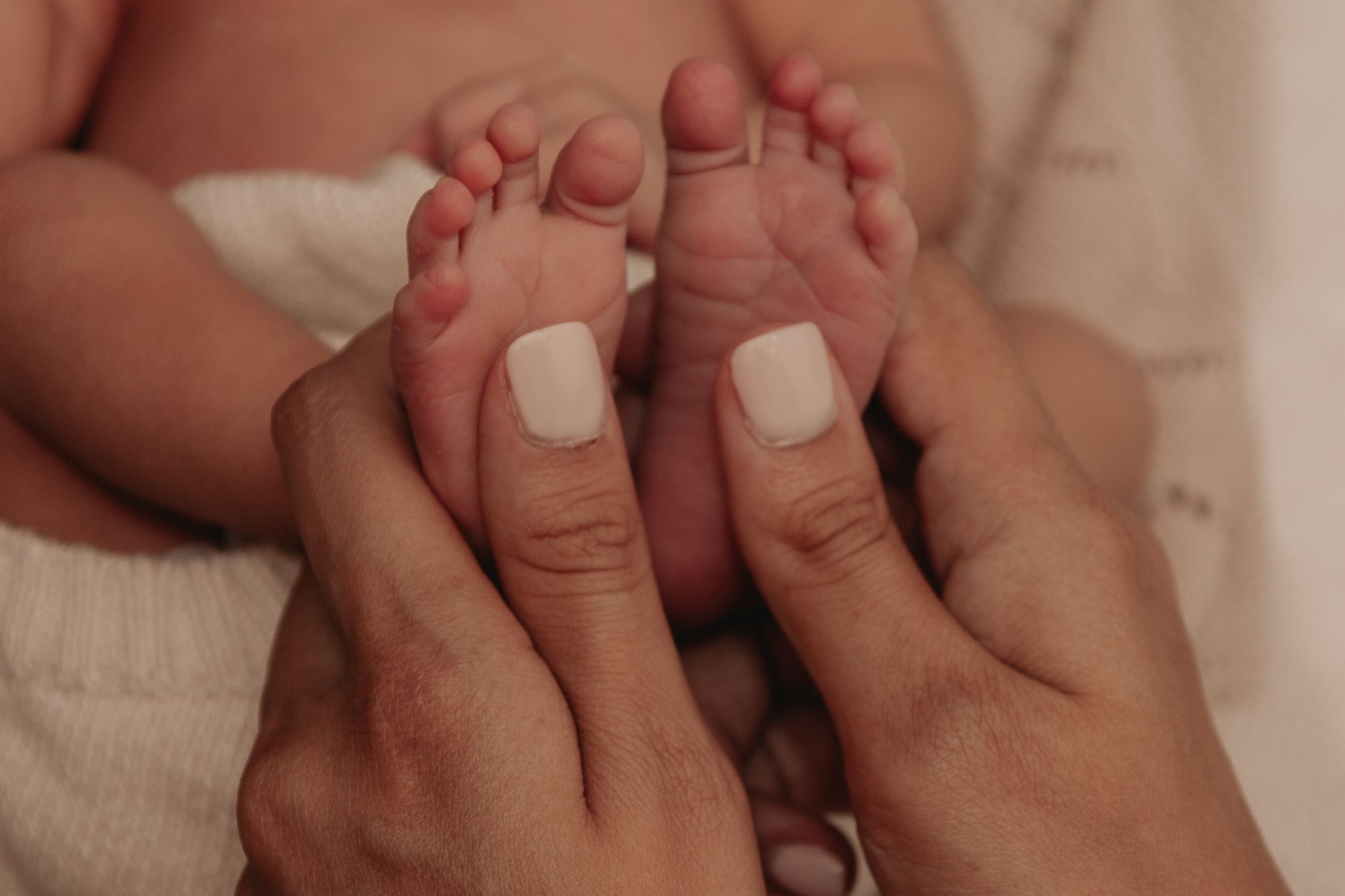
How to prevent newborn nail cuts from bleeding
Even with perfect technique, the tiniest mishap can lead to a small bleed. Here’s a proactive plan to stop bleeding fast and keep the area clean.
- Apply gentle pressure with a clean, dry gauze pad for at least 30 seconds.
- If bleeding persists, use a small amount of sterile saline to clean the area, then re‑apply pressure.
- For stubborn bleeding, a tiny dab of pediatric‑grade petroleum jelly can help seal the skin and promote clotting.
- Monitor the site for signs of infection—redness, swelling, or pus—and contact your pediatrician if any develop.
Preventive measures
- Always trim after a warm soak to keep nails pliable.
- Use rounded‑edge clippers or scissors with a safety guard.
- Keep the baby’s hands supported and avoid pulling or twisting the finger.
- Store tools in a clean, dry container to prevent rust, which can cause ragged cuts.
Choosing the right nail‑care kit for newborns
Many retailers market “baby nail‑care kits,” but not all kits are created equal. A well‑curated kit should include a pair of baby‑specific clippers, a set of infant‑size scissors, a fine‑grit emery board, and a gentle, fragrance‑free nail buffer. The FDA notes that products intended for infants must be free of sharp edges and toxic coatings, so always check that the kit complies with infant‑safety standards.
Key features to look for
- Rounded tips on scissors and clippers to protect delicate skin.
- Non‑slip handles that fit comfortably in adult hands, providing better control.
- Sterilizable material—stainless steel or medical‑grade plastic that can be boiled or disinfected.
- Compact storage case that keeps tools together and away from moisture.
Recommended kit composition
Investing in a quality kit saves time, reduces anxiety, and aligns with AAP recommendations for safe at‑home nail care.
Common nail issues in newborns and how to address them
While most newborn nails are simple to manage, a few conditions can arise that need extra attention. Understanding these issues helps you act early and avoid complications.
Ingrown nails
Ingrown nails are rare in newborns but can occur if a nail is trimmed too short or at an angle. The nail edge grows into the surrounding skin, causing redness and tenderness. If you notice a small groove or a painful spot, gently loosen the nail edge with a clean, soft brush and keep the area clean. Persistent problems should be evaluated by a pediatric dermatologist.
Fungal infections
Fungal nail infections (onychomycosis) are uncommon in the first year but can appear if the nail is exposed to a moist environment for prolonged periods. Look for yellowing, thickening, or a foul odor. The NHS advises keeping the baby’s hands and feet dry, changing socks frequently, and seeking medical advice if the nail changes noticeably.
Skin conditions that affect nail care
Conditions like eczema or cradle‑cap can make the skin around the nail more sensitive. When trimming, use extra‑soft cotton pads and avoid pulling on the skin. Applying a fragrance‑free, pediatric‑approved moisturizer after trimming can soothe irritation.
Keeping your nail‑care tools clean is essential to prevent infections. After each use, rinse the clippers or scissors with warm, soapy water, then place them in a pot of boiling water for 5 minutes or run them through a dishwasher’s sanitize cycle, according to the manufacturer’s instructions. Once dry, store them in the original travel pouch or a dedicated, airtight container. This routine follows FDA guidance on infant grooming tool hygiene.
Special considerations for premature or low‑birth‑weight babies
Premature infants often have thinner, more delicate skin and may develop nails earlier. The ACOG recommends extra caution: use only the smallest, rounded‑tip scissors and limit trimming to once a week until the skin thickens. If the baby’s nails seem unusually hard or cause frequent scratching, discuss a tailored schedule with your neonatologist.
Myth vs. fact
Because newborn nail care is a niche topic, misconceptions abound. Let’s set the record straight.
Myth: Newborn nails are too soft to need trimming.
Fact: While newborn nails start soft, they harden quickly and can become sharp enough to cause skin irritation within days.
Myth: Regular adult scissors are fine for baby nails.
Fact: Adult scissors are larger and lack rounded tips, raising the risk of accidental skin cuts. Baby‑specific tools are designed for safety.
Myth: You should only trim nails once the baby is a few months old.
Fact: Early trimming (within the first week) can prevent facial scratches and is recommended by pediatricians when nails appear hard.
Key takeaways
- Start trimming within the first week if the nails look hard or extend beyond the pink base.
- Soften nails with a warm water soak before each trim.
- Use baby‑specific clippers or tiny scissors with rounded tips; a fine file can smooth edges afterward.
- Trim every 3–5 days, or whenever the white tip grows out.
- Calm the baby with a soothing routine—soft lighting, lullabies, and gentle holding.
- If a nick occurs, apply pressure with a clean cloth; most tiny cuts stop bleeding quickly.
- Contact a pediatrician if bleeding doesn’t stop within 5 minutes or if you notice signs of infection.
- Choose a complete nail‑care kit that meets FDA infant‑safety standards.
Frequently asked questions
Can you cut a newborn's nails yourself?
Yes. With the right tools, a warm soak, and a calm environment, most parents can safely trim newborn nails at home. The AAP encourages parents to learn the technique early, as it reduces the risk of accidental scratches.
Baby nail clippers with a curved blade and non‑slip grip are the top choice. Infant scissors with rounded tips are a good backup, and a fine emery board can finish the edges.
How often should a newborn's nails be trimmed?
Typically every 3–5 days, depending on growth speed. Check the nails daily; if the white tip extends beyond the pink base, it’s time for a trim.
What should I do if I accidentally cut my baby's skin while trimming nails?
Stay calm, apply gentle pressure with a clean gauze for 30‑60 seconds, and clean the area with sterile saline. Most tiny cuts stop bleeding on their own. Seek medical help if bleeding continues beyond 5 minutes or if infection signs appear.
When do newborn nails start to grow out?
Newborn nails begin to harden within the first few days after birth and typically grow about 1 mm per week. By two weeks, many babies have nails long enough to require their first trim.
Is it safe to use a nail file on a newborn?
Yes, a fine infant file can safely smooth sharp edges after a brief clip. It should not be used as the sole method for removing nail length.
Can I trim my newborn’s nails during a bath?
Absolutely. A warm bath softens the nails, making them easier to trim. Just ensure the water isn’t too hot and keep a firm grip on the baby’s hand.
Is a silicone nail trimmer safe for newborns?
Silicone nail trimmers are marketed for older children and adults. They often lack the precision needed for the tiny curvature of newborn nails and may not meet FDA infant‑safety standards. Stick with clippers or scissors designed specifically for infants.
Should I use a baby nail brush before trimming?
A soft baby nail brush can help remove debris and keep the nail bed clean before trimming. It does not replace the need for a soak or proper cutting tools, but it can be a gentle addition to the routine.
What if my baby’s nails keep growing back very quickly?
Rapid nail growth is normal; newborns can add up to 1 mm per week. If you find yourself trimming more often than every few days, try trimming after each feeding when the baby is most relaxed, and keep a consistent schedule to avoid surprise scratches.
Can I use over‑the‑counter pain relief if my baby gets a small cut?
For minor surface cuts, a pediatric‑approved topical anesthetic (like a tiny amount of lidocaine gel) can be used, but always follow the label’s instructions and consult your pediatrician first.
When to see a doctor / specialist
While most nail‑related incidents are minor, certain signs warrant professional evaluation:
- Bleeding that does not stop after 5 minutes of firm pressure.
- Swelling, redness, or pus at the cut site—possible infection.
- Repeated deep cuts despite using proper technique.
- Unusual nail growth patterns, such as thickening, discoloration, or persistent ingrown nails.
- Skin conditions (severe eczema, psoriasis) that make nail trimming painful.
If any of these red‑flags appear, contact your pediatrician promptly. In rare cases, a pediatric dermatologist may be consulted for persistent nail abnormalities. Remember, this article provides general information and is not a substitute for personalized medical advice.
References
- American Academy of Pediatrics. “Newborn Care: Nail Care.” AAP Parenting Resource, 2023.
- National Institute of Child Health and Human Development. “Infant Development and Care.” NICHD, 2022.
- World Health Organization. “Safe Childcare Practices.” WHO Guidelines, 2021.
- Harvard T.H. Chan School of Public Health. “Infant Skin and Nail Care.” Nutrition & Health Publications, 2022.
- American Academy of Dermatology. “Safe Nail Trimming for Babies.” AAD Clinical Insights, 2023.
- National Health Service (UK). “Caring for your baby’s nails.” NHS, 2023.
- U.S. Food and Drug Administration. “Consumer Product Safety for Infant Grooming Tools.” FDA, 2022.
- American College of Obstetricians and Gynecologists. “Guidelines for Newborn Care.” ACOG Committee Opinion, 2022.


