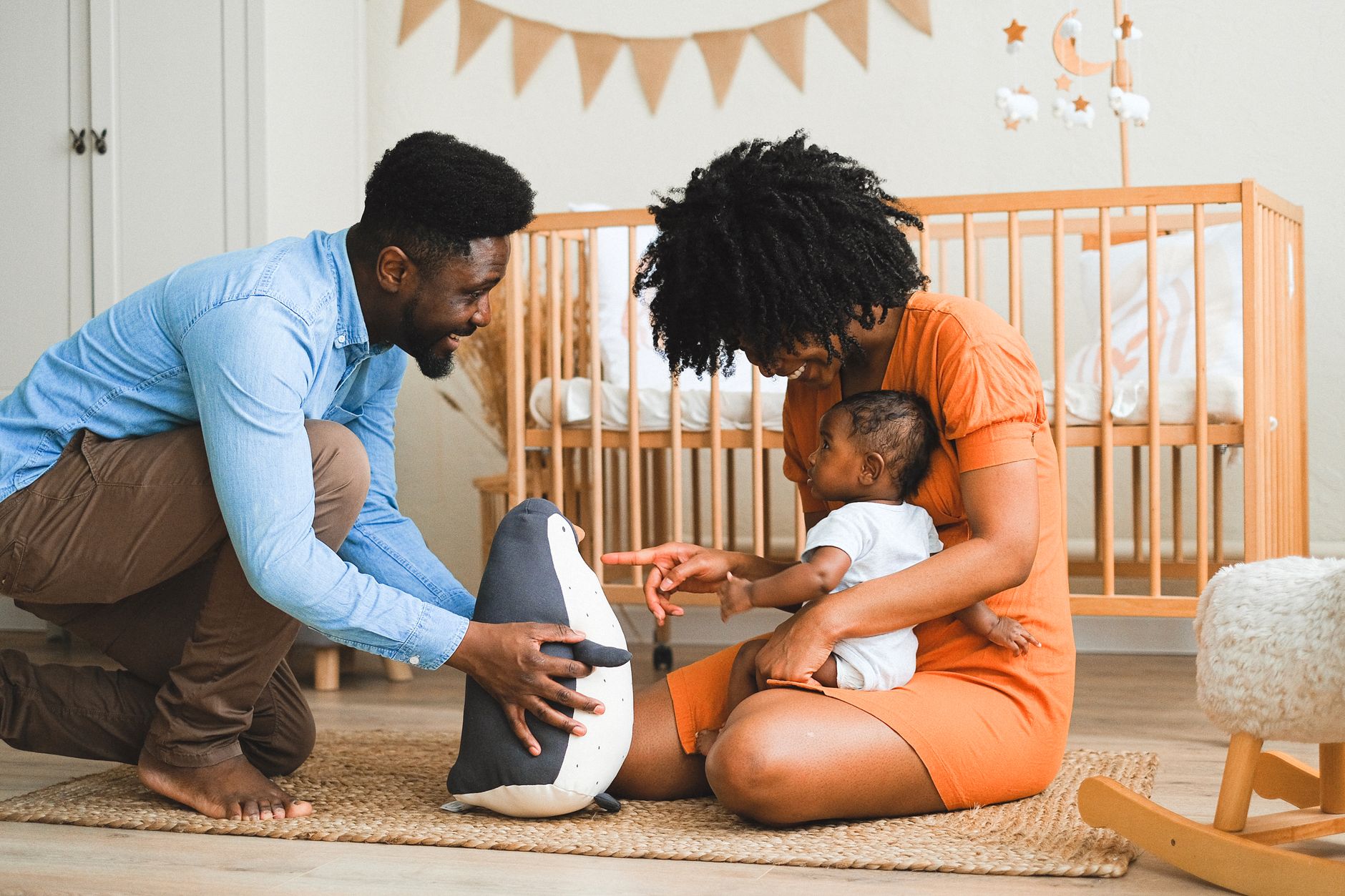
Toddlers (ages 1‑3) perceive the world in concrete terms and often react with regression—like wanting a pacifier again—or clinging. Here’s how to smooth the transition.
Maintain familiar routines
Keep meal times, bedtime stories, and play sessions at the same times as before. Predictable schedules give toddlers a sense of security while the newborn disrupts the family rhythm. Consistency also helps the toddler’s brain process the change without feeling overwhelmed.
Use “special time” cards
Create a simple visual schedule with “Mommy & Me” or “Daddy & Me” cards that show when the toddler will have one‑on‑one attention. Stick the cards on the fridge so they can see the plan each day. Visual cues are especially helpful for toddlers who are still mastering language.
Introduce the baby gradually
When you first bring the newborn home, let the toddler sniff a blanket that smells like the baby, then have a short, supervised cuddle. Keep the initial meeting brief (5‑10 minutes) and praise gentle touches. Repeating these short visits over the first few days helps the toddler acclimate without feeling threatened.
Offer a “big sibling” role
Give the toddler a small, safe item—like a soft “baby helper” plush—that they can hand to the baby. This symbolic act reinforces their importance and encourages nurturing behavior.
Validate emotions with simple language
When a toddler shows frustration, name the feeling: “I see you’re feeling sad because the baby is crying.” Naming emotions helps toddlers develop emotional literacy, a skill linked to better adjustment (National Health Service, 2023).
How to explain birth to a 5‑year‑old
Five‑year‑olds are curious enough to ask “Where does a baby come from?” but they lack the abstract thinking of older children. Keep explanations factual yet age‑appropriate.
Use simple, concrete language
Say, “A baby grows inside a mommy’s belly. When it’s ready, it comes out through a special opening, and then we take care of it.” Avoid euphemisms like “baby bump” that can cause confusion.
Answer follow‑up questions with honesty
If they ask about “pee” or “poop,” respond truthfully: “The baby will need a diaper because it can’t go to the bathroom like you do yet.” This builds trust and reduces the chance of myths.
Use books as conversation starters
Read a picture book together (see our recommended list below). Point to illustrations and ask, “What do you think the baby feels?” This turns learning into a shared activity.
Reassure about safety
Tell them that doctors and nurses help the baby come out safely, and that you’ll be there to hold both of them. Knowing the process is safe eases anxiety.
Connect the story to the child’s role
Explain that just as they learned to tie shoes or ride a bike, they will learn new “big sibling” skills. Framing the birth as a continuation of growth helps the child feel included in the family’s story.
Ways to involve older child in newborn care
Including the older child in daily tasks builds confidence and reduces feelings of exclusion. Choose age‑appropriate responsibilities and keep them light.
Turn tasks into games
Make “baby helper” challenges, like “Can you bring the clean diaper before the timer dings?” Celebrate successes with stickers or a “helper of the day” badge. Game‑based learning keeps the experience fun and reinforces the habit of helping.
Set realistic expectations
Remember that an older child’s help is supportive, not a replacement for parental care. Praise effort, not perfection, and be ready to step in when the task requires adult skill. This balance prevents frustration for both parent and child.
Use positive language
When the child completes a task, say, “You did a great job handing the diaper—baby feels safe because of you.” Positive reinforcement strengthens the child’s self‑esteem and encourages continued participation (American Academy of Pediatrics, 2022).
What to do if older child feels jealous of newborn
Jealousy often shows up as clinginess, tantrums, or sudden regression. Address it early with empathy and concrete reassurance.
Validate their feelings
Say, “I see you’re feeling sad because the baby is getting a lot of attention. It’s okay to feel that way.” Naming the emotion helps them process it.
Create “special moments”
Schedule a daily “big sibling time” where you do a favorite activity together—reading, baking, or a short walk. This protects their sense of importance.
Use “I” statements
Instead of “You’re being selfish,” try “I notice you’re upset; let’s talk about what you need.” This reduces defensiveness and opens dialogue.
Involve them in decision‑making
Let the older child choose the baby’s bedtime story or the music for a lullaby. Feeling included reduces rivalry.
Seek outside support if needed
If jealousy escalates to aggression or prolonged depression, consider a family therapist or pediatric psychologist. Early intervention prevents long‑term resentment.
Teach coping skills
Introduce simple breathing exercises—inhale for four counts, exhale for four—to calm nerves when they feel overwhelmed. Even a brief pause can help a child regain composure.
How to manage sibling rivalry after a baby is born
Rivalry is natural when a family’s dynamics shift. The goal is to foster cooperation rather than competition.
Set clear family rules
Establish simple guidelines like “We speak gently” and “We share toys.” Reinforce them consistently so both children know what behavior is expected.
Encourage teamwork
Give the older child a “team captain” role for specific chores—like “Let’s make sure the baby’s blanket is folded nicely.” Praise collaborative effort.
Balance attention
Use a “timer” method: spend 10 minutes focused on the newborn, then switch to the older child. This visual cue shows both get dedicated time.
Model positive behavior
When you see the older child helping the baby, comment: “I love how gently you’re holding the baby’s hand.” Modeling reinforces the behavior you want.
Plan regular family check‑ins
Once a week, sit together and ask each child how they feel. This opens dialogue and catches early signs of rivalry.
Celebrate joint achievements
Create a “family board” where you post stickers for milestones—like the first time the older child successfully fed the baby. Shared celebration builds a sense of unity.
Signs older child is struggling with a new baby
Spotting early warning signs lets you intervene before emotions turn into persistent problems.
- Regression: Returning to earlier behaviors like bed‑wetting, thumb‑sucking, or needing a pacifier.
- Increased clinginess: Refusing to be left with another caregiver, demanding constant proximity.
- Temper tantrums: More frequent or intense meltdowns, especially when the baby receives attention.
- Sleep disturbances: Trouble falling asleep, night waking, or nightmares about the baby.
- Changes in appetite: Eating less or more than usual, often as a stress response.
- Social withdrawal: Losing interest in playdates or previously enjoyed activities.
If you notice several of these signs persisting for more than a few weeks, consult your pediatrician or a child‑development specialist. Early assessment can differentiate normal adjustment from deeper anxiety.
Best books to read to older children about new siblings
Storybooks open a safe space for children to explore feelings about a new baby. Here are five highly recommended titles, chosen for their relatable characters and gentle messages.
- “The New Baby” by Mercer Mayer – Simple illustrations show a toddler adjusting to a sibling.
- “I’m a Big Brother” / “I’m a Big Sister” by Joanna Cole – Celebrates the special role of an older sibling.
- “The Berenstain Bears’ New Baby” by Stan & Jan Berenstain – Classic tale about family changes.
- “The New Baby (My First Book About Babies)” by Karen Katz – Interactive flaps for toddlers.
- “When Baby Is Born” by Angelika Beer – Explains birth basics in a soothing way for preschoolers.
Read these books together, pause to discuss the pictures, and ask your child how they feel about each scene. The dialogue reinforces understanding and empathy.
Activities to bond your older child with the newborn
Bonding isn’t just about cuddles; it’s also about shared experiences that build connection.
“Baby Handprint” craft
Use non‑toxic paint to create a handprint of the newborn on a piece of paper. Let the older child add their handprint beside it, then write “Big Brother” or “Big Sister” underneath. Hang the artwork in the family room.
Sing‑along sessions
Choose a short lullaby and have the older child sing the verses while you hold the baby. Repetition creates comfort for both children.
“Storytime Relay”
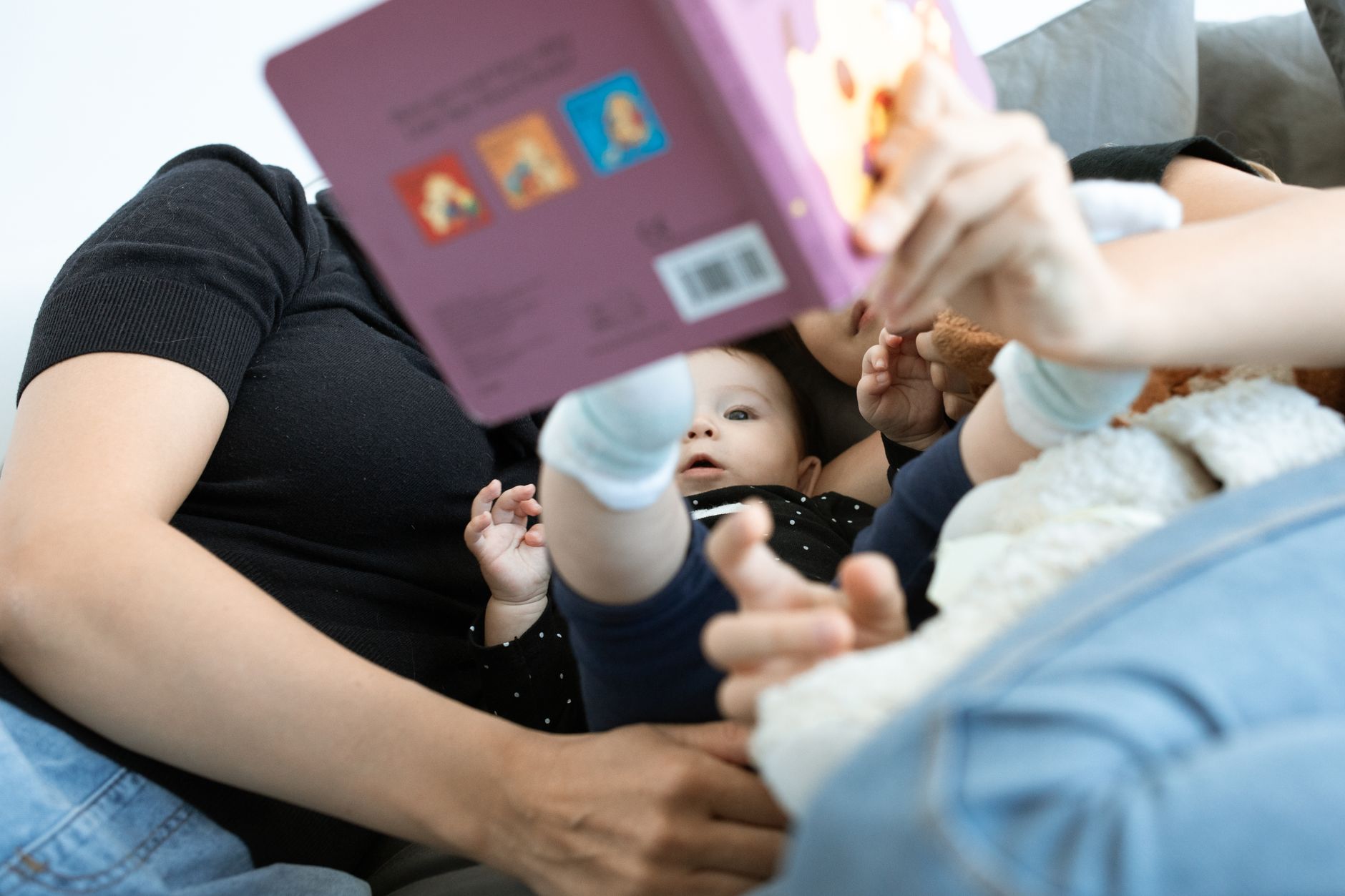
Read a short picture book to the newborn, then pass the book to the older child to finish the story. This shared reading builds a sense of teamwork.
Gentle “baby massage” assistance
Teach the older child how to gently stroke the baby’s back with your guidance. Supervision is essential, but the act of soothing fosters affection.
“Big Sibling Treasure Hunt”
Create a simple scavenger hunt for the older child to find baby‑related items (a clean diaper, a soft blanket, a bottle). Each find earns a small reward, reinforcing the helper role.
These activities can be done daily or a few times a week, depending on your schedule. Consistency is key to forming a lasting bond.
Preparing the home environment for a newborn and older child
A safe, organized home reduces stress for both the newborn and the older child. Start by reviewing each room for potential hazards—sharp corners, loose cords, and small objects that could be choking hazards. The NHS recommends a “baby‑proof” sweep at least two weeks before the baby’s arrival (NHS, 2023).
Designate separate sleep zones
Give the newborn a quiet, darkened sleeping area, such as a crib with a breathable mattress and a white‑noise machine. For the older child, keep their bedroom familiar—same bedding, night‑light, and bedtime routine. Maintaining separate spaces helps each child feel secure and prevents sleep interference.
Organize baby gear within reach
Store diapers, wipes, and clothing on a low shelf that the older child can access when helping. This encourages participation and reduces the need for constant adult assistance. Label bins with pictures for younger children who cannot read yet.
Create a “shared activity corner”
Set up a small area with soft toys, a baby‑safe mirror, and age‑appropriate books where both children can sit together. This encourages gentle interaction and gives the older child a visible role in the baby’s world.
Safety checks for common items
Ensure any baby products you use—bottles, pacifiers, or teething toys—are FDA‑approved for safety. Check for the FDA “U.S. Food and Drug Administration” seal and replace any worn items promptly. This protects both children from potential toxins.
Screen time can be a double‑edged sword. While educational apps can distract a newborn, excessive exposure may heighten anxiety for the older child, especially when they compare themselves to media‑crafted “perfect” siblings.
Set clear limits
Follow the American Academy of Pediatrics’ recommendation of no more than one hour per day of high‑quality programming for children aged 2‑5, and consistent limits for older children (AAP, 2022). Use a timer or parental‑control settings to enforce these boundaries.
Choose supportive content
Select shows or apps that model positive sibling relationships. Series like “Sesame Street” often feature episodes about welcoming a new baby, reinforcing empathy and cooperation.
Allow the older child to record a short video message for the baby, or help choose a lullaby on a music app. Involving them in the digital experience makes the screen a collaborative space rather than a solitary escape.
Balance with offline activities
Pair screen time with hands‑on activities—after a 20‑minute video, transition to a craft or reading session. This keeps the older child engaged in the present moment and reduces dependence on screens for emotional regulation.
Supporting older child's emotional health with mindfulness and play therapy
Emotional regulation skills are essential during family transitions. Simple mindfulness techniques and play‑based therapy can help the older child process feelings without feeling overwhelmed.
Introduce a “feelings chart”
Hang a chart with faces representing different emotions (happy, sad, angry, worried). Encourage the child to point to the feeling they experience each day. This visual tool normalizes emotions and provides a conversation starter.
Practice short breathing exercises
Teach a “four‑four‑four” breath: inhale for four counts, hold for four, exhale for four. Practice together before bedtime. Research shows brief breathing exercises can lower cortisol levels in children (National Institutes of Health, 2021).
Play‑therapy style “role‑play”
Use dolls or stuffed animals to reenact a scenario where the older child helps the baby. Role‑play allows the child to experiment with solutions in a safe, imaginative context.
Create a “calm‑down corner”
Designate a small space with soft pillows, a weighted blanket, and a sensory bottle. When the child feels upset, guide them to the corner for a few minutes of self‑soothing.
Seek professional guidance when needed
If emotional outbursts persist despite these tools, a child psychologist trained in play therapy can provide tailored strategies. Early referral often prevents more entrenched anxiety.
Myth vs. fact
Myth: Older children will always feel jealous of a newborn.
Fact: Jealousy is a common, temporary reaction that most children outgrow with reassurance and involvement.
Myth: A newborn will completely replace the older child’s role in the family.
Fact: Families can expand to accommodate multiple children; each child retains a unique place and set of responsibilities.
Myth: You should hide the baby’s arrival until the older child is “ready.”
Fact: Early, honest communication prepares older children for change and reduces anxiety.
Key takeaways
- Start the conversation about the new baby at least eight weeks before birth.
- Maintain familiar routines to give your older child a sense of security.
- Involve them in age‑appropriate newborn care tasks to foster pride.
- Address jealousy with empathy, dedicated “big sibling” time, and clear boundaries.
- Use books, crafts, and gentle music to create bonding moments.
- Watch for signs of prolonged struggle—regression, sleep, or appetite changes—and seek professional help if needed.
- Prepare the home for safety, limit screen time, and use mindfulness tools to support emotional health.
Frequently asked questions
How can I tell if my older child is jealous of the newborn?
Look for clinginess, sudden temper tantrums, or regression such as wanting a pacifier again. A jealous child may also seek extra attention, complain about the baby’s needs, or express sadness about losing “their spot.” Validate their feelings and provide one‑on‑one time to reassure them.
When should I start preparing my older child for a new baby?
Begin the conversation as soon as you know the pregnancy is viable, ideally in the second trimester (around 14‑20 weeks). Early preparation gives the older child time to adjust and ask questions, reducing shock when the baby arrives.
What are some good ways to involve an older child in newborn care?
Offer simple tasks like fetching a diaper, holding a burp cloth, or picking out a baby outfit. Turn chores into games, use “big sibling” badges, and celebrate each completed task with praise or a sticker chart.
How do I manage an older child's behavior after the baby arrives?
Keep routines steady, set clear family rules, and schedule daily “big sibling” time. Use positive reinforcement for cooperative behavior, and address any regression with empathy and consistent boundaries.
Is it normal for an older child to regress after a newborn is born?
Yes. Regression—such as bed‑wetting, thumb‑sucking, or needing a pacifier—is a common stress response. Most children return to their previous developmental level within a few weeks to months, especially with reassurance and routine.
How can I keep my older child safe around a newborn?
Supervise all interactions, teach gentle touches, and keep the older child’s hands clean before contact. Use a “no‑rough‑play” rule, and keep small objects out of reach of both children. Encourage the older child to ask for help if they’re unsure how to hold the baby.
What should I do if my older child continues to struggle after several weeks?
If signs like persistent regression, severe mood swings, or sleep disturbances last beyond four to six weeks, schedule a visit with your pediatrician or a child‑development specialist. They can assess whether additional support, such as counseling, is beneficial.
How can I explain the concept of sharing attention to my older child?
Use a simple analogy: “Just like we share a blanket with each other, we share our love and time.” Show a visual chart with “Mommy’s time with baby” and “Mommy’s time with you,” and highlight that both sections are full—there’s enough love for everyone.
What if my older child refuses to help with the baby?
First, explore the reason—fear, feeling overwhelmed, or misunderstanding the task. Offer a very small, clearly defined role (e.g., “Can you bring the clean diaper to Mommy?”). If resistance continues, give them a “big sibling” journal where they can draw or write about the baby, turning their involvement into a creative activity rather than a chore.
When to see a doctor or specialist
If your older child shows any of the following, contact a healthcare professional promptly:
- Prolonged regression (bed‑wetting, loss of previously mastered skills) lasting more than a month.
- Severe anxiety, constant crying, or depressive symptoms.
- Significant changes in appetite or weight loss.
- Frequent nightmares or sleep disturbances that affect daily functioning.
- Aggressive behavior toward the newborn or self‑injury.
In these cases, start with your pediatrician, who may refer you to a child psychologist, family therapist, or developmental specialist. Remember, this article provides general guidance; it does not replace personalized medical advice.
References
- American Academy of Pediatrics. “Sibling Relationships and Development.” 2022.
- National Health Service (UK). “Preparing your older child for a new baby.” 2023.
- Harvard T.H. Chan School of Public Health. “Parenting tips for welcoming a new sibling.” 2021.
- Zero to Three. “Supporting Children Through Family Transitions.” 2022.
- American Psychological Association. “Child adjustment to the birth of a sibling.” 2020.
- Kids Health from Nemours. “Sibling rivalry and jealousy.” 2021.
- Centers for Disease Control and Prevention (CDC). “Developmental milestones for toddlers.” 2022.
- American College of Obstetricians and Gynecologists (ACOG). “Sibling transition guidance.” 2023.
- American Academy of Pediatrics. “Media Use Guidelines for Young Children.” 2022.
- National Institutes of Health. “Mindfulness interventions for pediatric stress.” 2021.
- U.S. Food and Drug Administration (FDA). “Consumer Safety Information for Infant Products.” 2023.