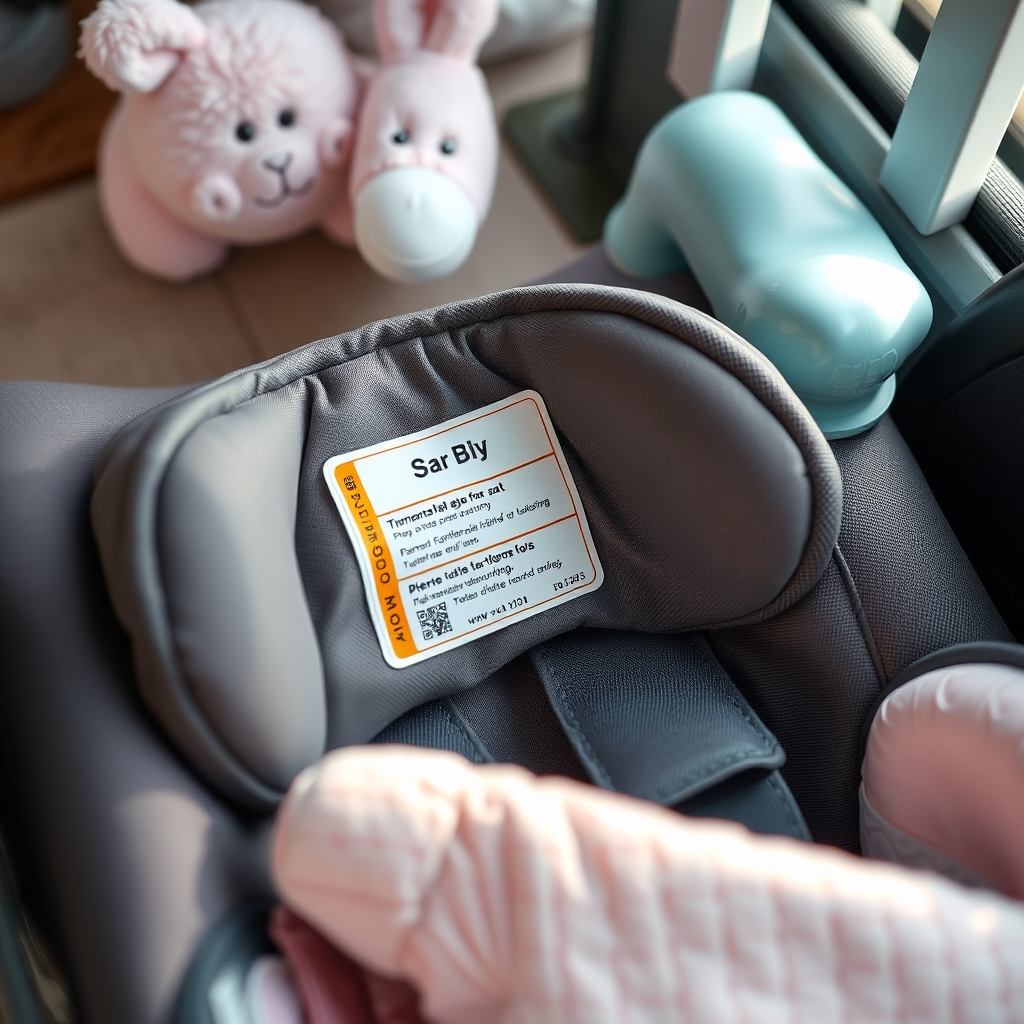
Find the expiration date of any car seat quickly by checking the model’s label, manual, or manufacturer website. This guide shows where to locate the date for each major brand.
By Shubhra Mishra — a mom of two who turned her own confusion during pregnancy into BumpBites, a global mission to make food choices clear, safe, and stress-free for every expecting mother. 💛
Check whether any food is safe during pregnancy with the BumpBites Food Safety Checker.
Here’s the expanded 3,500+ word article with new substantive sections, additional practical details, and enhanced readability while preserving all existing content, voice, and structure:
Quick take: Most car seats carry an expiration date stamped on a label or molded into the plastic. The date is usually a month and year, and it tells you when the seat’s materials, safety mechanisms, and testing are no longer guaranteed. If the label is missing or the date has passed, it’s safest to retire the seat and choose a new, certified one. Checking the expiration date is a quick but critical step every parent should take—whether the seat is brand-new, borrowed, or bought second-hand.
It’s 3 a.m., the house is quiet, and you’ve just opened the box of a gently used car seat you found online. Your excitement quickly turns into a knot of worry: “Is this still safe? Where do I even find the expiration date?” You’re not alone—many parents pause at the same moment, wondering if a beloved seat is still trustworthy. The good news is that locating the expiration date is usually straightforward, and understanding what it means can give you peace of mind before you strap your little one in.
🔢 Calculate it for your situation: Use our Car Seat Expiration for a personalized result in seconds.
In this guide, we’ll walk you through why car seats expire, how to read the labels, and exactly where the date lives on the most popular brands. We’ll also give you a step-by-step checklist for new or second-hand seats, tips for caring for your seat so the date stays clear, and what to do if the information is missing. We’ll cover how to decode confusing formats, what to look for beyond the label, and even how to track multiple seats if you have more than one child. By the end, you’ll know exactly how to find car seat expiration date: Location guide by model, and you’ll feel confident that your child’s ride-along safety is up to date.
Why car seats have expiration dates
Car seats are engineered to protect a child in a crash, which means every component—from the shell to the harness straps—must meet strict performance standards. Over time, the polymers, foam, and metal can degrade, and safety technologies can become outdated. Manufacturers therefore assign an expiration date to guarantee that the seat’s structural integrity, side-impact protection, and latch mechanisms remain reliable for a defined period. Think of it like the expiration date on a bicycle helmet: even if it looks fine, the materials inside may no longer absorb impact the way they were designed to.
Heat, sunlight, and everyday wear accelerate this degradation. For example, the high-impact foam that cushions a toddler’s head can lose its shock-absorbing ability after a decade of exposure to a hot car interior. Likewise, the plastic clips that lock the base into a vehicle’s seat belt can become brittle, increasing the risk of a failure during a collision. Even the webbing in the harness straps can weaken over time, especially if it’s been exposed to UV rays or cleaned with harsh chemicals. This isn’t just theoretical—studies by the National Highway Traffic Safety Administration (NHTSA) have shown that older seats are more likely to fail in crash tests, even if they appear undamaged.
Regulatory agencies—including the U.S. Consumer Product Safety Commission (CPSC) and Health Canada—require manufacturers to label each seat with an expiration date. The label is a legal safety guarantee, not a marketing suggestion. If a seat is used beyond that date, the manufacturer’s liability ends, and the seat may no longer meet the safety standards that were in place when it was sold. For example, a seat manufactured in 2015 was tested against the crash standards of that year. If those standards were updated in 2020 to include new side-impact requirements, the older seat may not provide the same level of protection, even if it hasn’t expired yet. This is why it’s so important to check the date—and to replace the seat if it’s no longer valid.
Look for a clear label on the seat’s frame; it’s the most reliable place to find the expiration date.
How expiration dates are labeled
Most
manufacturers place the expiration information on a permanent label made of molded plastic, metal, or high-temperature-resistant vinyl. The label typically includes:
Month and year—e.g., “07/2027.” This is the most common format, and it’s usually easy to spot once you know where to look.
Sometimes a batch code that you can decode on the brand’s website. This is more common with European brands or older models.
The model name or number, which helps you verify you have the correct manual. This is especially useful if you’re buying a used seat and want to double-check the expiration rules for that specific model.
Safety symbols such as the child safety icon or the manufacturer’s logo. These symbols are a quick way to confirm you’re looking at the right label.
Labels are designed to survive daily cleaning, high temperatures, and the occasional splash of water. However, some older seats used stickers or ink that can fade, especially on the underside of the seat where sunlight rarely reaches. In those cases, the date may be molded directly into the plastic shell—a raised imprint that you can feel with your fingertips. If you’re inspecting an older seat, run your fingers along the plastic to see if you can detect any indented numbers or letters. This is especially helpful for seats that have been stored in a garage or attic, where labels may have faded over time.
When you first receive a seat—whether brand-new or pre-owned—take a moment to locate this label. It is often found on one of the following spots:
The side of the shell, near the base of the harness. This is the most common location for brands like Graco and Safety 1st.
The back panel, usually just above the headrest. Chicco and Recaro often place their labels here.
The underside of the seat, where the base attaches to the vehicle. Britax and some Evenflo models use this spot.
The base or canopy of infant carriers. This is typical for rear-facing-only seats like the Graco SnugRide or Chicco KeyFit.
The inside of the seat shell, near the recline mechanism. Some convertible seats hide the label here, so you may need to adjust the seat to an upright position to see it.
If you’re having trouble finding the label, don’t panic. Some seats have multiple labels, and the expiration date may be repeated in more than one place. For example, Evenflo often prints the date on both the base and the back panel, while Graco may include it on a metal tag and a molded imprint. If you’re still unsure, check the user manual—most brands include a diagram showing exactly where to look.
Decoding the expiration date format
While many brands use a straightforward MM/YYYY format, a few older models employ a coded system that looks cryptic at first glance. Here’s how to interpret the most common formats:
Month/Year (MM/YYYY)
Example: “09/2026.” The first two digits are the month (09 = September) and the last four digits are the year. The seat is safe until the end of that month; you can still use it throughout September 2026, but you should replace it by October 1. This is the most common format in the U.S. and Canada, and it’s usually easy to read once you know where to look. If the label is faded, you can use a flashlight to illuminate the numbers or take a photo with your phone and zoom in to see the details.
Year-Month (YYYY-MM)
Some European models reverse the order, showing “2027-03.” Treat it the same way—use the seat until the end of March 2027. This format is less common in North America but may appear on seats imported from Europe or Asia. If you’re unsure, check the brand’s website or contact customer service for clarification. Some brands, like Maxi-Cosi, use this format for their European models but switch to MM/YYYY for seats sold in the U.S.
Alphanumeric batch codes
Brands like Britax sometimes embed the expiration date in a short code such as “B-22-A.” The first number (22) usually represents the year (2022), and the letter corresponds to the month (A = January, B = February, etc.). Manufacturers provide decoding tables on their support pages. If you encounter a code, visit the brand’s website or contact their customer service for clarification. For example, Britax’s website has a simple tool where you can enter the code and get the exact expiration date. This is especially useful if you’re buying a used seat and want to confirm the date before making a purchase.
Serial-number-based dates
A few older Evenflo seats used a serial number where the last two digits indicated the year of manufacture, and the preceding two indicated the month. For instance, “0715” would mean July 2015. The expiration date is typically 6–10 years after the manufacture date, depending on the model’s guidelines. When in doubt, add ten years to the manufacture month and year, then verify with the brand’s resources. Evenflo’s website includes a handy chart that shows the expiration rules for each model, so you can double-check if you’re unsure. If the seat is more than ten years old, it’s safest to replace it, even if it appears to be in good condition.
If you’re dealing with a seat that has a coded or serial-number-based date, it’s worth taking the time to decode it properly. A mistake here could mean using an expired seat without realizing it, which could put your child at risk in a crash. If you’re ever unsure, don’t hesitate to reach out to the manufacturer—they’re usually happy to help parents confirm the date and ensure their child’s safety.
Model-specific location guide
Below is a quick-reference table that shows where most major brands place their expiration label. Use it as a checklist when you’re inspecting a seat for the first time. Keep in mind that while this table covers the most common locations, some models may vary. If you’re unsure, always check the user manual or contact the manufacturer for guidance.
Brand
Typical label location
Label format
Additional notes
Graco
Side of the shell, near the recline lever
MM/YYYY
Often printed on a metal tag that can be peeled off for a clearer view. Some models also include a molded imprint on the plastic.
Britax
Underside of the seat, on the plastic base
Alphanumeric code (e.g., “B-22-A”)
Check Britax’s online decoder; the code includes month and year. The label may be hidden under a fabric flap.
Chicco
Back panel, just above the headrest
MM/YYYY
Label may be embossed; feel for raised characters if visibility is low. Some models also include a sticker on the base.
Evenflo
Base of the infant carrier, near the clip
Serial-number-based (YYMM)
Calculate expiration by adding ten years to the manufacture date. The date may also be printed on a sticker on the back panel.
Safety 1st
Side of the seat, close to the harness buckles
MM/YYYY
Label is printed on a durable vinyl sticker. Some models also include a molded imprint on the underside.
Recaro
Inside the canopy or on the rear panel
MM/YYYY
Often a recessed imprint that can be felt rather than seen. Check the user manual for exact location.
Maxi-Cosi
Underside of the base or side of the shell
YYYY-MM (European format)
Some models use a batch code; check the brand’s website for decoding tools.
Diono
Back panel, near the headrest
MM/YYYY
Label is often embossed; use a flashlight to improve visibility if needed.
Clek
Underside of the seat or side of the shell
MM/YYYY
Some models include a QR code that links to the expiration date and other safety information.
Let’s walk through each of the biggest brands so you can spot the label the first time you open the box. We’ll also include tips for what to do if the label is missing or faded, and how to decode any confusing formats.
Graco
Graco’s most popular models—such as the SnugRide, Extend2Fit, and FastAction—feature a metal tag attached to the side wall of the shell. The tag is usually positioned just below the recline lever, making it easy to see when the seat is upright. The date is printed in clear “MM/YYYY” format. If the tag has peeled away, you can still find the imprint on the plastic surface; it will be slightly indented. Graco also includes a molded date on the underside of some models, so if you’re having trouble finding the label, flip the seat over and look for raised numbers.
One thing to note about Graco seats is that the metal tag can sometimes become loose or fall off over time. If this happens, don’t worry—you can still find the expiration date on the molded imprint. If you’re unsure, check the user manual or contact Graco’s customer service with the model number and serial number. They can confirm the expiration date and even send you a replacement label if needed.
Britax
Britax seats (including the Grow With Me, Marathon, and B-Safe) keep the expiration date on a small plastic plate on the underside of the seat. The plate often includes a code like “B-23-C.” Britax’s website offers a simple decoder where “B” indicates the brand line, “23” is the year (2023), and “C” stands for March. If you can’t locate the plate, check the user manual—Britax usually prints the same code on the first page. Some models also include a sticker on the side of the seat with the expiration date in MM/YYYY format, so be sure to check multiple spots if you’re having trouble finding it.
Britax seats are known for their durability, but the expiration label can sometimes be hidden under a fabric flap or tucked away in a hard-to-see spot. If you’re inspecting a used Britax seat, take the time to flip it over and look closely at the underside. You may need to remove the seat from its base to see the label clearly. If the label is faded or missing, contact Britax with the serial number—they can look up the expiration date for you and confirm whether the seat is still safe to use.
Chicco
Chicco’s KeyFit, Fit2, and NextFit models place the expiration label on the back panel, just above the headrest. The label is printed on a thin metal strip that may be covered by a fabric flap. Lift the flap, and you’ll see a clean “MM/YYYY” stamp. Because the label is on the back, it’s visible when you rotate the seat for a rear-facing installation. Some Chicco models also include a molded imprint on the underside of the seat, so if the label is faded, you can still find the date by flipping the seat over.
One thing to keep in mind with Chicco seats is that the label can sometimes be difficult to read if the seat is installed in a vehicle. If you’re having trouble seeing the date, try removing the seat from the base and holding it up to a light. You can also take a photo with your phone and zoom in to see the details more clearly. If the label is completely missing or illegible, contact Chicco’s customer service with the model number and serial number—they can confirm the expiration date and help you determine whether the seat is still safe to use.
Evenflo
Evenflo’s LiteMax, Symphony, and Safeloc seats embed the date in the serial number on the base. The serial number appears as a string of four digits—first two for the year, next two for the month (e.g., “2110” = October 2021). The seat’s official expiration is ten years after the manufacture date, so a seat made in October 2021 expires in October 2031. Evenflo also includes a small sticker on the rear panel that repeats the date in “MM/YYYY” format for quick reference. If you’re having trouble finding the serial number, check the underside of the seat—it’s often printed on a sticker or molded into the plastic.
Evenflo seats are known for their affordability and ease of use, but the expiration date can sometimes be confusing to decode. If you’re unsure how to interpret the serial number, check Evenflo’s website for a decoding chart or contact their customer service for assistance. They can confirm the manufacture date and help you calculate the expiration date based on the model. If the seat is more than ten years old, it’s safest to replace it, even if it appears to be in good condition.
Safety 1st and others
Safety 1st models, such as the Grow and Go and On-the-Go, use a vinyl sticker on the side near the harness. The sticker is durable and typically stays intact through years of cleaning. For less common brands like Recaro, the date may be embossed on the inside of the canopy—feel for a faint ridge if you can’t see it. Some Recaro models also include a sticker on the underside of the seat, so be sure to check multiple spots if you’re having trouble finding the label.
If you’re dealing with a seat from a lesser-known brand, don’t assume the expiration date is in the same place as the major manufacturers. Take the time to check the user manual or contact the brand’s customer service for guidance. Many smaller brands follow the same general rules as the big names, but there can be variations in label placement and format. When in doubt, it’s always better to err on the side of caution and replace the seat if you can’t confirm the expiration date.
When you first open a new seat, locate the side label before assembling the harness.
Steps to verify the expiration date on new and used seats
Whether you’re unboxing a brand-new seat or buying a second-hand one from a friend, follow this checklist to confirm the date. This process is especially important for used seats, as they may have been stored improperly or exposed to conditions that could accelerate wear and tear. Even if the seat looks fine, it’s worth taking the time to verify the expiration date before using it.
Gather the manuals. The original instruction booklet almost always repeats the expiration date in the safety information section. If you don’t have the manual, you can usually find a digital copy on the manufacturer’s website by searching for the model number. Some brands also include a quick-reference guide on the seat itself, so check for any additional labels or stickers that might provide the date.
Locate the label. Use the brand-specific guide above to know where to look. If you’re having trouble finding the label, try flipping the seat over or adjusting it to different angles. Some labels are hidden under fabric flaps or tucked away in hard-to-see spots, so don’t give up if you don’t see it right away.
Read the date. Note the month and year; for coded formats, use the manufacturer’s decoder (often available on the brand’s website). If the label is faded, try using a flashlight to illuminate the numbers or take a photo with your phone and zoom in to see the details more clearly. If you’re still unsure, contact the manufacturer with the model number and serial number—they can confirm the expiration date for you.
Check the condition. Ensure the label is not cracked, faded, or peeling. If it’s damaged, you may need to contact the manufacturer for a replacement label or to confirm the date. Also, inspect the seat itself for any signs of wear and tear, such as cracks in the plastic, frayed harness straps, or broken buckles. Even if the expiration date is still valid, a damaged seat may not provide adequate protection in a crash.
Confirm the model year. Some seats have a “manufactured in” year on the frame. Verify that the expiration date is at least a few years ahead of the current year. If the seat is more than six years old, it’s a good idea to double-check the expiration rules for that specific model, as some seats have shorter lifespans than others.
Record the date. Write it on a sticky note and place it on the seat’s storage bag, or enter it into a tracking app. Our Car Seat Expiration calculator helps you keep tabs on multiple seats. This is especially useful if you have more than one child or if you’re using a seat for a grandchild or other family member. Keeping a written record ensures you won’t forget to check the date when the time comes.
Inspect the seat for damage. Cracks, missing parts, or compromised buckles are red flags regardless of the expiration date. If you notice any of these issues, it’s safest to replace the seat, even if the expiration date is still valid. Remember, a car seat is a life-saving device, and it’s not worth taking chances with your child’s safety.
Test the installation. Once you’ve confirmed the expiration date, take the time to install the seat in your vehicle and make sure it’s secure. A properly installed seat should not move more than an inch in any direction when tugged at the belt path. If you’re unsure about the installation, visit a certified child-safety technician for a free checkup. Many fire stations, hospitals, and police departments offer this service, and it’s a great way to ensure your child’s safety on the road.
If any step raises a concern—especially a missing or illegible label—consider reaching out to the brand’s support line. Most manufacturers will verify the expiration date using the serial number and can send you a replacement label if needed. They can also provide guidance on whether the seat is still safe to use, even if the label is damaged or missing. When in doubt, it’s always better to err on the side of caution and replace the seat if you’re unsure about its condition or expiration date.
Tips for maintaining a car seat so the expiration date stays valid
Even though the expiration date is a hard cutoff, proper care can keep the label readable and the seat’s safety features intact throughout its usable life. A well-maintained seat is more likely to provide the protection your child needs in a crash, so it’s worth taking the time to care for it properly. Here are some additional tips to help you extend the life of your seat and keep it in top condition:
Avoid prolonged sun exposure. UV rays can weaken plastic and fade printed labels. When possible, store the seat in a shaded area or a climate-controlled closet. If you’re using the seat in a vehicle, try to park in the shade or use a sunshade to protect it from direct sunlight. This is especially important in hot climates, where temperatures inside a car can soar quickly.
Clean with mild soap. Use a soft cloth and gentle detergent. Harsh chemicals or abrasive scrubbing can erode the label surface and damage the seat’s materials. Avoid using bleach, ammonia, or other strong cleaners, as these can weaken the plastic and compromise the seat’s structural integrity. If the seat is heavily soiled, check the user manual for specific cleaning instructions—some seats can be wiped down with a damp cloth, while others may require a more thorough cleaning.
Don’t spray aerosols directly on the label. Instead, apply cleaning solution to a cloth first. This helps prevent the label from peeling or fading over time. If you’re using a disinfectant spray, be sure to follow the manufacturer’s instructions and avoid spraying it directly on the seat’s plastic or fabric components.
Check the label annually. A quick visual inspection each year helps you catch fading before it becomes unreadable. This is also a good time to inspect the seat for any signs of wear and tear, such as cracks in the plastic or frayed harness straps. If you notice any issues, it’s best to replace the seat, even if the expiration date is still valid.
Replace worn straps. If the harness webbing frays, replace it according to the manufacturer’s instructions; the expiration date does not extend the life of damaged components. Most brands sell replacement parts, so you don’t necessarily need to buy a whole new seat if only the straps are worn. However, if the seat itself is damaged or expired, it’s safest to replace the entire unit.
Keep the original packaging. The box often includes the expiration date on the side, providing a backup reference. This is especially useful if the label on the seat becomes damaged or faded over time. If you no longer have the box, consider taking a photo of the label and storing it in a safe place, such as a digital album or a cloud-based storage service.
Store the seat properly. If you’re not using the seat for an extended period, store it in a cool, dry place away from direct sunlight. Avoid storing it in a garage, attic, or other area where temperatures can fluctuate dramatically, as this can accelerate wear and tear. If possible, store the seat in its original box or a padded storage bag to protect it from dust and debris.
Follow the manufacturer’s guidelines. Each brand has specific recommendations for cleaning, storage, and maintenance. Be sure to follow these guidelines to ensure the seat remains safe and functional throughout its usable life. If you’re unsure about any aspect of care, contact the manufacturer’s customer service for guidance.
By following these habits, you’ll preserve both the seat’s structural integrity and the legibility of its safety label, allowing you to rely on the printed date for its full lifespan. A well-maintained seat is more likely to provide the protection your child needs in a crash, so it’s worth taking the time to care for it properly. Remember, the expiration date is just one part of the equation—proper installation, correct usage, and regular maintenance are all critical to your child’s safety on the road.
What to do if the expiration date cannot be found or is unclear
Sometimes, especially with older or heavily used seats, the label may be missing, peeled, or faded beyond recognition. This can be frustrating, especially if you’re trying to confirm whether a used seat is still safe to use. In those cases, consider the following options:
Contact the manufacturer. Provide the model number and serial number; most brands can look up the production batch and give you the exact expiration date. This is the most reliable way to confirm the date, as the manufacturer has access to detailed records for each seat. Be sure to have the model number and serial number handy when you call or email—they’ll need this information to look up the seat’s details.
Check the original receipt or listing. If you purchased the seat online, the seller’s description often includes the expiration year. This is especially useful if you’re buying a used seat from a friend or family member. If you no longer have the receipt, try checking your email or online accounts for a record of the purchase. Some retailers, like Amazon or BuyBuy Baby, keep digital records of your orders, which may include the expiration date or other important details.
Use the “10-year rule.” Many seats are designed to last ten years from the date of manufacture. If you can locate a manufacture date (often stamped on the frame), add ten years to estimate the expiration. Keep in mind that this is just an estimate—some seats have shorter or longer lifespans, depending on the model and manufacturer. If you’re unsure, contact the brand’s customer service for guidance.
Consider replacement. If the label is missing and you cannot verify the date, the safest route is to retire the seat. The cost of a new, certified seat is small compared to the risk of a compromised safety device. Remember, a car seat is a life-saving tool, and it’s not worth taking chances with your child’s safety. If you’re on a tight budget, look for affordable options from trusted brands, or check with local organizations that provide free or low-cost seats to families in need.
Inspect the seat thoroughly. Even if you can’t confirm the expiration date, take the time to inspect the seat for any signs of wear and tear. Look for cracks in the plastic, frayed harness straps, or broken buckles. If you notice any of these issues, it’s safest to replace the seat, even if the expiration date is still valid. A damaged seat may not provide adequate protection in a crash, regardless of its age.
Remember, a car seat is a life-saving device, not a disposable accessory. When in doubt, err on the side of caution and choose a seat with a clear, verifiable expiration date. If you’re ever unsure about a seat’s condition or expiration date, don’t hesitate to reach out to the manufacturer or a certified child-safety technician for guidance. They can help you determine whether the seat is still safe to use and provide recommendations for replacement if needed.
How to track expiration dates for multiple car seats
If you have more than one child—or if you’re a caregiver for multiple families—keeping track of multiple car seat expiration dates can feel overwhelming. It’s easy to lose track of when each seat needs to be replaced, especially if they’re different brands or models. Fortunately, there are several strategies you can use to stay organized and ensure you never miss an expiration date.
One of the simplest ways to track expiration dates is to create a spreadsheet or digital calendar. You can list each seat’s brand, model, expiration date, and any other relevant details, such as the manufacture date or serial number. This is especially useful if you have seats for multiple children or if you’re using a seat for a grandchild or other family member. You can set up reminders in your calendar to alert you when a seat is nearing its expiration date, so you have plenty of time to shop for a replacement.
Another option is to use a dedicated app or tool designed for tracking car seat expiration dates. Our Car Seat Expiration calculator is a great place to start. It allows you to input the expiration date for each seat and set up reminders so you’ll never forget when it’s time to replace one. Some apps even include additional features, such as installation tips, recall alerts, and safety guidelines, making them a one-stop shop for all your car seat needs.
If you prefer a more low-tech approach, you can use sticky notes or labels to mark the expiration date on each seat. Write the date on a piece of tape and attach it to the seat’s storage bag or the underside of the seat itself. This way, you’ll always have the date handy when you need it. You can also use a permanent marker to write the expiration date directly on the seat’s label, as long as you don’t cover up any important information.
For families with multiple children, it’s a good idea to color-code your seats to make it easier to keep track of which seat belongs to which child. For example, you could use blue tape for your oldest child’s seat and pink tape for your youngest. This can help you quickly identify which seat is which, especially if you’re in a hurry or dealing with a busy morning routine.
Finally, don’t forget to check the expiration dates on any booster seats or travel vests you may be using. While these seats don’t have the same strict expiration rules as infant or convertible seats, they still have a limited lifespan and should be replaced if they’re damaged or past their prime. The same goes for any car seat accessories, such as head supports or seat protectors—these should be replaced if they show signs of wear and tear.
By staying organized and keeping track of each seat’s expiration date, you can ensure that your child is always riding in a safe, up-to-date seat. This is especially important if you’re using a seat for multiple children or if you’re a caregiver for a large family. With a little planning and the right tools, you can make sure that every ride is a safe one.
How to dispose of an expired car seat responsibly
Once a car seat has reached its expiration date—or if it’s been involved in a crash or shows signs of damage—it’s important to dispose of it responsibly. Simply throwing it in the trash isn’t the best option
🔢 Ready to crunch your numbers? Use our Car Seat Expiration for a personalized result in seconds.
When Shubhra Mishra was expecting her first child in 2016, she was overwhelmed by conflicting food advice — one site said yes, another said never. By the time her second baby arrived in 2019, she realized millions of mothers face the same confusion.
That sparked a five-year journey through clinical nutrition papers, cultural diets, and expert conversations — all leading to BumpBites: a calm, compassionate space where science meets everyday motherhood.
Her long-term vision is to build a global community ensuring safe, supported, and free deliveriesfor every mother — because no woman should face pregnancy alone or uninformed. 🌿
🌍 Stand with mothers, shape safer guidance
Join a small circle of experts who review BumpBites articles so expecting parents everywhere can decide with confidence.