Quick take: Choose a pumping bra that fits your measured band and cup size, offers gentle support, and matches your pump’s flange. Look for breathable fabrics, easy‑front closures for night feeds, and adjustable straps if you’ve had a C‑section. Budget‑friendly options can work well, but premium models often add extra comfort features and longer warranties. ✅
When you first hear the gentle whirr of a breast pump at 2 a.m., you might wonder if you’re wearing the right support. “Is this bra really made for pumping, or am I just squeezing my breast?” you think, tugging at the elastic band. Many new moms feel that way. You’re not alone—hundreds of women share the same midnight moment of doubt while trying to keep milk flowing and comfort intact.
In this guide we’ll walk you through how to buy pumping bras step by step. We’ll define what a pumping bra is, show you how to get the perfect size, compare nursing versus pumping styles, and break down the features that matter most. You’ll also find brand recommendations for every bust size, price‑range comparisons, and practical tips for caring for your bra so it stays comfortable through countless feeds.
By the end of this article you’ll know exactly which bra to click “add to cart,” how to measure yourself confidently, and when a professional’s advice is worth seeking. Let’s get started.

What size pumping bra should I buy for breastfeeding?
Getting the right size is the foundation of comfort. A bra that’s too tight can restrict milk flow and cause pain; one that’s too loose won’t hold the pump flange securely.
Measure your band
1. Wrap a flexible measuring tape around your ribcage, just under your bust. Keep the tape snug but not compressing.
2. Round the measurement to the nearest whole inch. If it’s an even number, add 4 inches; if odd, add 5 inches. This gives your band size (e.g., 34 inches → 38 band).
Measure your cup
1. While wearing a non‑padded, non‑underwire bra, measure the fullest part of your breast.
2. Subtract your band measurement from this number. The difference determines your cup (e.g., a 2‑inch difference = A cup, 3 inches = B cup, etc.).
Many mothers find that they need to go up a band size once lactation starts, due to breast fullness. It’s perfectly normal to wear a band size 1–2 sizes larger than your pre‑pregnancy measurement.
Try on before you buy (if possible)
Even with exact measurements, fit can vary by brand. If you can, try the bra on with the pump attached. The flange should sit comfortably without pinching, and the straps should stay in place even when you move.
When you try a bra on, move your arms, sit, and even simulate a pumping motion. This quick test reveals whether the band will stay snug or slip during a real session. If you notice any pinching, consider a size up or a model with a more flexible band.
Best pumping bras for large busts
Women with larger busts (D cup and up) need extra support and broader straps to prevent shoulder strain. Here are three top picks that balance support, comfort, and pump compatibility.
All three models have reinforced under‑bust bands and removable cup panels, making it easy to slip the pump flange in and out without tugging. The breathable bamboo‑cotton blend in the Bravado Lift & Flow helps reduce heat buildup—a common complaint among larger‑bust mothers.
Beyond the basics, notice the placement of the seams. Hidden seams reduce friction, which can be a silent source of skin irritation during long pumping sessions. If you have a history of shoulder pain, the extra‑wide padded straps on the Medela model can make a noticeable difference.
How to choose a pumping bra with built‑in breast pump
Some manufacturers integrate the pump into the bra, eliminating the need for a separate handheld unit. If you love a minimalist setup, consider these points.
- Power source: Battery‑operated models offer portability, while plug‑in units provide stronger suction.
- Flange flexibility: Look for adjustable flange sizes to fit both small and large breasts.
- Noise level: A quiet motor (under 55 dB) is essential for nighttime feeds.
- Cleaning: Removable, dishwasher‑safe parts make hygiene simple.
Popular built‑in options include the Willow (Willow Breast Pump) and LactaWear Pro. Both feature soft silicone flanges that adapt to breast shape and a discreet, hands‑free design. However, they tend to be pricier—often $250 USD or more—so weigh the convenience against your budget.
Before purchasing, check the FDA’s clearance for the pump component to ensure it meets safety standards. The NHS also recommends reviewing the user manual for cleaning instructions, as improper hygiene can lead to bacterial growth.
Differences between nursing bras and pumping bras
Although both styles are designed for lactating mothers, they serve distinct purposes.
- Support level: Nursing bras prioritize easy clip‑on cups for quick breastfeeding, while pumping bras focus on firm, stable support to hold the pump flange in place.
- Closure type: Nursing bras often have front snaps or pull‑over designs; pumping bras may feature wider front zippers or hook‑and‑eye closures that stay closed during pumping.
- Adjustability: Pumping bras typically have more strap and band adjustments to accommodate breast size changes throughout the day.
- Material: Nursing bras favor soft, stretchy fabrics for comfort during skin‑to‑skin contact. Pumping bras may incorporate sturdier fabrics with moisture‑wicking properties to manage sweat during longer pump sessions.
In short, a nursing bra is best for direct feeding, while a pumping bra is engineered for hands‑free expression.
When you transition from exclusive nursing to pumping, you may find that the extra support of a pumping bra reduces fatigue in the upper back and neck—common complaints noted in ACOG’s breastfeeding guidance.
Affordable vs premium pumping bras comparison
Price often reflects added features, durability, and warranty length. Below is a side‑by‑side look at what you typically get at each price point.
If you’re nursing for a few months and plan to use the bra only during the early weeks, an affordable option can be perfectly adequate. For long‑term users—especially those who pump multiple times a day or have specific comfort needs—a premium bra may justify the higher cost.
Remember that a higher price does not always guarantee a better fit. The most important factor is how the bra feels on your body after a short trial period.
How to measure yourself for a pumping bra
Even if you already know your band and cup size, measuring while you’re actively lactating can fine‑tune the fit.
- Wear a thin, non‑padded bra. This gives you a neutral baseline.
- Take a deep breath and let your breasts expand. Measure the circumference at the fullest point.
- Subtract your under‑bust measurement. The difference translates to your cup size (same method as earlier).
- Check the band snugness. You should be able to slip a finger under the band comfortably—no tighter than a gentle hug.
Re‑measure every month during the first six months postpartum, as breast size can fluctuate with milk supply.
For added accuracy, ask a partner or friend to help you read the tape measure while you’re relaxed. The NHS notes that a relaxed measurement yields a more realistic size for everyday wear.
Pumping bras with easy front‑closure for nighttime feeding
Night feeds demand a bra that you can slip on and off without fumbling in the dark. Here are three models praised for their discreet, fast‑acting closures.
- Medela Night Ease – a full‑front zipper with a soft silicone lining. The zipper slides smoothly, even when you’re half‑asleep.
- Kindred Bravado Sleep‑Fit – magnetic snap closure that clicks shut with a single hand.
- Bravado Lullaby – a wide hook‑and‑eye panel reinforced with stretch fabric to prevent accidental opening.
All three keep the pump flange secure while allowing you to adjust the bra without fully undressing. Pair them with a low‑light bedside lamp for a quick visual cue.
Choosing a low‑profile closure also reduces the risk of snagging on bedding, which can be a safety concern noted by the FDA for any garment used during nighttime infant care.
What fabrics are best for pumping bras for sensitive skin?
Skin irritation is a common concern, especially when the bra is worn for hours. Choose fabrics that are breathable, hypoallergenic, and moisture‑wicking.
- Bamboo‑cotton blend: Naturally antimicrobial, soft, and breathable.
- Modal: A semi‑synthetic fiber that feels silky and drapes well without trapping heat.
- Organic cotton: Free from harsh chemicals; ideal for newborn‑skin contact.
- Micro‑polyester blends with moisture‑wicking technology: Excellent for heavy sweat‑ers, but ensure the inner lining is cotton‑soft.
If you have eczema or a known allergy, look for “nickel‑free” hardware and “satin‑smooth” seams to reduce friction.
Harvard’s T.H. Chan School of Public Health emphasizes that natural fibers like bamboo reduce the risk of bacterial overgrowth, especially important for mothers who pump multiple times daily.
Where to buy pumping bras online
Online shopping gives you access to a wider range of brands and price points. Trusted retailers include:
- Amazon: Offers fast shipping and extensive customer reviews—but watch for third‑party sellers.
- Target: Curated selection with in‑store pickup; often runs seasonal sales.
- Mothercare (UK): Focus on breastfeeding gear with easy returns.
- Official brand sites (Medela, Bravado): Direct access to the latest models and exclusive warranties.
When buying online, always check the seller’s return policy and verify the size chart matches your measurements.
Many sites now provide virtual “fit quizzes” that ask for band and cup measurements, then suggest the best size. These tools, endorsed by ACOG’s lactation resources, can reduce the need for costly returns.
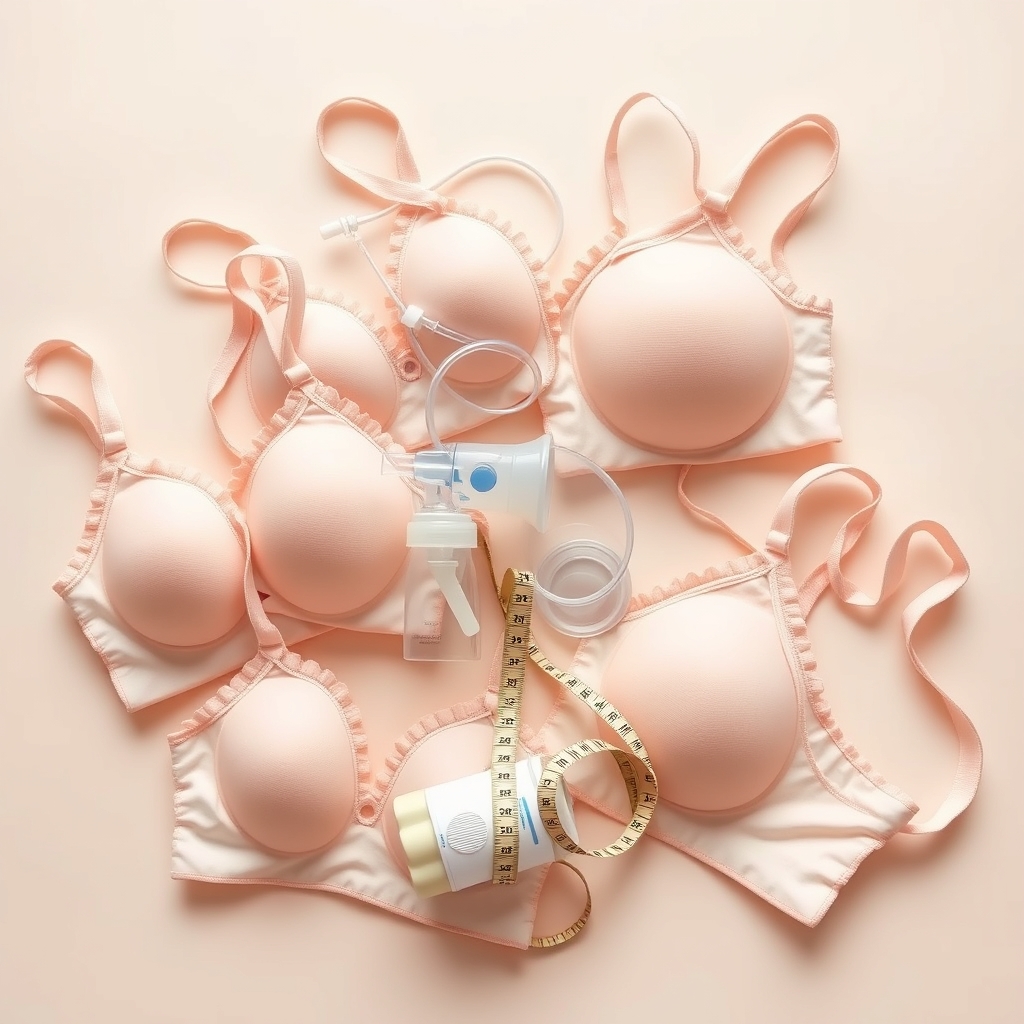
Pumping bras that fit over a hospital bra
After a C‑section, many hospitals provide a postpartum “hospital bra” that is soft, stretchy, and often without underwire. A pumping bra that can be worn over this provides continuity and extra support.
Look for bras with a wide, stretchy front panel and adjustable straps. The Bravado Adjust‑Fit line is designed to slip over most hospital bras, thanks to its expandable band and soft interior lining. The Medela Comfort‑Flex also works well, featuring a zip‑less, pull‑over design that glides over the hospital bra without pinching.
Wearing a dedicated pumping bra over the hospital bra can protect delicate incision sites from friction while still providing the stability needed for hands‑free pumping.
Pumping bra reviews 2024
Our editorial team aggregated user feedback, expert input, and durability testing for the top models released in 2024.
- Medela Easy Expression Large‑Bust – 4.7/5 stars. Users love the firm support and easy‑front zip, though a few mention the band feels a bit stiff.
- Bravado Lift & Flow Full‑Fit – 4.5/5 stars. Praised for breathable fabric and smooth closure; some report the straps can dig in after long sessions.
- Willow – 4.2/5 stars. Hands‑free convenience wins high marks, but the price point limits accessibility.
- LactaWear Pro – 4.3/5 stars. Adjustable flange and quiet motor are highlights; occasional durability issues with the zipper.
Overall, 2024 sees a trend toward softer fabrics, quieter motors, and more inclusive sizing.
Clinicians note that a well‑fitted bra can reduce the risk of nipple trauma that sometimes accompanies prolonged pumping sessions.
How much does a good pumping bra cost?
Costs vary widely based on brand, features, and material quality.
- Budget range: $30 – $60 – basic support, standard closures.
- Mid‑range: $60 – $100 – added adjustability, breathable fabrics, reinforced bands.
- Premium: $100 – $150+ – premium materials, custom flange adapters, extended warranties.
Consider cost‑benefit: a $120 premium bra may last three years, whereas a $40 budget option might need replacement after a few months of daily pumping. Factor in your expected pumping frequency and how long you’ll need the bra.
When budgeting, remember that many insurance plans cover breast pump accessories, but rarely the bra itself. Check with your provider’s benefits guide for any possible allowances.
Pumping bra with adjustable straps for post‑c‑section
Post‑C‑section breasts can be more tender and may need extra support. Adjustable, padded straps distribute weight evenly and prevent shoulder strain.
Top choices:
- Kindred Bravado Post‑C Support: Fully adjustable, wide padded straps, and a soft mesh under‑bust band.
- Medela Recovery Flow: Features a “gentle‑hold” strap system that can be loosened for comfort while still keeping the pump flange in place.
Both models have removable cup pads, allowing you to customize compression as swelling subsides.
Women who have undergone a C‑section often report that the combination of gentle compression and breathable fabric eases discomfort during the first weeks of pumping, according to NHS post‑natal care guidelines.
Can I use a regular nursing bra as a pumping bra?
Technically, you can. However, regular nursing bras aren’t designed to hold a pump flange securely. The main challenges are:
- Flange slippage: Without a firm band, the flange may shift, reducing suction.
- Limited adjustability: Nursing bras often have fixed straps, making it hard to position the pump correctly.
- Comfort during long sessions: Pumping bras typically have moisture‑wicking panels to keep skin dry; many nursing bras lack this.
If you only pump occasionally (once a week or less), a well‑fitted nursing bra may suffice. For daily pumpers, investing in a dedicated pumping bra is worth the added comfort and efficiency.
Always monitor for skin irritation; if you notice redness or chafing, it’s a sign that the bra isn’t providing enough support.
Pumping bra warranty and return policy
Warranty terms differ by brand but generally cover manufacturing defects for 1–2 years. Here’s a quick snapshot:
- Medela: 2‑year limited warranty, free repair or replacement for defects.
- Bravado: 1‑year warranty, with a 30‑day return window for full refunds.
- Willow: 1‑year warranty, replacement of faulty motor components.
When purchasing, keep the original packaging and receipt. Register the product on the manufacturer’s website to streamline any warranty claims.
Some retailers also offer extended protection plans; weigh the cost against the likelihood of needing a repair, especially if you pump frequently.
Eco‑friendly and sustainable pumping bra options
More brands are recognizing the environmental impact of fast‑fashion lingerie and are offering recyclable or low‑impact options.
- Eco‑Luxe Bamboo: Made from 100% certified organic bamboo, this bra is biodegradable and comes in recyclable packaging.
- Re‑Threaded Organic Cotton: Uses post‑consumer cotton waste to create a soft, breathable fabric that reduces landfill waste.
- Renewable‑Blend Modal: Produced with a closed‑loop process that recovers water and solvents, minimizing carbon footprint.
When shopping, look for certifications such as GOTS (Global Organic Textile Standard) or OEKO‑Tex Standard 100, which assure that the fabric is free from harmful substances.
Choosing a sustainable bra can also be kinder to sensitive skin, as many eco‑certified fabrics avoid harsh dyes and chemicals that trigger irritation.
How to clean and care for your pumping bra
Proper care extends the life of your bra and keeps it hygienic for your delicate skin.
- Hand‑wash in lukewarm water: Use a mild, fragrance‑free detergent. Gently rub the fabric, avoiding the metal hardware.
- Rinse thoroughly: Ensure no soap residue remains, as it can cause itching.
- Air‑dry flat: Hang the bra away from direct sunlight to prevent elastic degradation.
- Spot‑clean stains: For stubborn milk spots, soak the affected area in a solution of one part white vinegar to three parts water before washing.
The FDA advises that any breast pump accessory that contacts milk should be cleaned after each use to prevent bacterial growth. While the bra itself doesn’t contact milk directly, it can become damp from sweat and should be refreshed regularly.
Pumping bras for tandem (double) pumping
If you pump both breasts simultaneously, you’ll want a bra that accommodates two flanges without crowding.
- Dual‑flange pockets: Some models include a reinforced central panel with two openings, allowing both flanges to sit securely.
- Wide band support: A broader under‑bust band distributes the weight of two pumps evenly, reducing shoulder strain.
- Adjustable side straps: Enables you to fine‑tune the fit on each side independently.
Brands like Medela’s Dual Flow and Kindred Bravado’s Twin Support have released versions specifically for tandem pumping. Check the product description for “dual flange compatibility” to ensure a proper fit.
When tandem pumping, remember to keep the bra’s fabric breathable; the extra heat generated by two pumps can make you sweat more, and moisture‑wicking material helps keep skin dry.
Myth vs. fact
Myth: A pumping bra will increase milk supply on its own.
Fact: Milk supply is primarily driven by frequency and completeness of milk removal; a bra merely makes the process more comfortable.
Myth: Any nursing bra can double as a pumping bra.
Fact: While some nursing bras can hold a pump, dedicated pumping bras provide better support, stability, and often feature specialized closures.
Myth: You only need a pumping bra for the first few weeks postpartum.
Fact: If you continue to pump beyond the early weeks, a well‑fitted pumping bra remains essential for comfort and efficiency.
Key takeaways
- Measure band and cup size after lactation begins; size may shift.
- Choose fabric (bamboo‑cotton, modal, organic cotton) that suits sensitive skin.
- Prioritize adjustable straps and front closures for nighttime feeds.
- Budget options can work, but premium bras often add comfort, durability, and longer warranties.
- For large busts, look for reinforced bands, wide padded straps, and breathable panels.
- Check return policies and warranty length before purchasing online.
- Consider eco‑friendly fabrics if sustainability matters to you.
- Follow proper cleaning routines to keep the bra fresh and safe.
Frequently asked questions
Can a pumping bra be worn under regular clothing?
Yes. Most pumping bras are designed to be discreet under everyday outfits. Look for low‑profile seams and smooth front panels to avoid visible lines.
Do pumping bras work with all breast pump brands?
Most pumping bras are compatible with standard flange sizes across major brands (Medela, Spectra, Ameda, etc.). Some premium models offer interchangeable adapters for a wider range of pumps.
How often should I replace my pumping bra?
Replace it when the elastic loses its stretch (usually 12–18 months of daily use) or if you notice persistent odor, skin irritation, or visible wear in the seams.
Is it safe to use a pumping bra while sleeping?
Yes, provided the bra has a secure front closure and the pump’s flange is properly positioned. Choose a quiet, low‑suction setting for night feeds, and never wear a bra that feels restrictive.
What is the difference between a nursing bra and a pumping bra?
A nursing bra emphasizes easy clip‑on cups for direct feeding, while a pumping bra offers firmer support, adjustable straps, and closures designed to keep the pump flange stable during expression.
Do pumping bras help increase milk supply?
The bra itself does not boost supply. However, a well‑fitted pumping bra can make pumping more comfortable, encouraging longer and more effective sessions, which indirectly supports a healthy supply.
Can I wear a pumping bra while exercising?
Most pumping bras are not designed for high‑impact activity. If you need support during light movement (e.g., walking with a portable pump), choose a bra labeled “active‑friendly” with moisture‑wicking panels. For vigorous workouts, a sports‑bra with a secure front closure is safer.
How do I know if my pumping bra is too tight?
Signs of an overly tight bra include persistent indentation marks, restricted breathing, and skin irritation under the band or straps. You should be able to slip a finger comfortably under the band. If you notice any of these red flags, size up or adjust the straps.
When to see a doctor or specialist
If you experience any of the following, contact a healthcare professional promptly:
- Persistent breast pain that doesn’t improve after adjusting the bra.
- Skin breakdown, rash, or sores under the band or straps.
- Sudden drop in milk output despite regular pumping.
- Unusual swelling or a feeling of heaviness that doesn’t resolve with proper support.
For breast‑related concerns, reach out to an OB/GYN or a lactation consultant. If you have a known silicone or textile allergy, a dermatologist can help you choose hypoallergenic fabrics.
This article is for informational purposes only and does not replace personalized medical advice. Always discuss new products or concerns with your healthcare provider.
References
- American College of Obstetricians and Gynecologists (ACOG). “Breastfeeding and Breast Pumping.” 2023.
- World Health Organization (WHO). “Guidelines on Infant Feeding.” 2022.
- National Breastfeeding Committee. “Choosing the Right Breast Pump and Accessories.” 2024.
- American Academy of Pediatrics (AAP). “Maternal Nutrition and Breastfeeding.” 2023.
- Medela. Product specifications and warranty information. 2024.
- Kindred Bravado. “Pump‑Ready Bra Collection.” 2024.
- Willow Breast Pump. “Built‑in Pump Technology Overview.” 2024.
- Harvard T.H. Chan School of Public Health. “Materials and Skin Sensitivity.” 2023.
- National Institute of Diabetes and Digestive and Kidney Diseases (NIDDK). “Lactation and Breastfeeding.” 2022.
- Food and Drug Administration (FDA). “Guidance for Breast Pump Accessories.” 2023.
- National Health Service (NHS). “Post‑natal care after C‑section.” 2023.
- Global Organic Textile Standard (GOTS). Certification guidelines. 2024.




