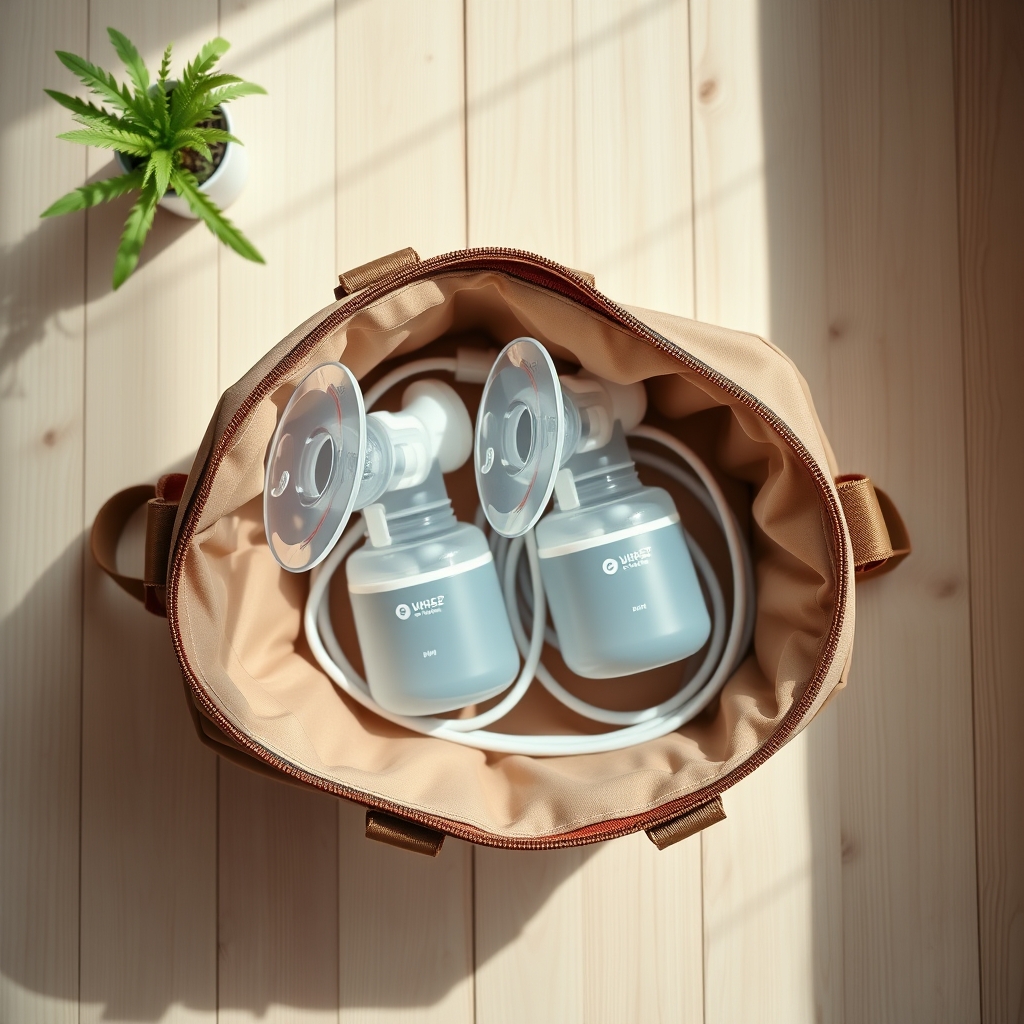
Breastfeeding twins is possible with the right plan: start early, use a double‑pump, alternate feeding positions, and enlist support. Learn step‑by‑step guidance here.
By Shubhra Mishra — a mom of two who turned her own confusion during pregnancy into BumpBites, a global mission to make food choices clear, safe, and stress-free for every expecting mother. 💛
Check whether any food is safe during pregnancy with the BumpBites Food Safety Checker.
Quick take: Yes—you can breastfeed twins successfully. Start with a flexible schedule, use double‑feeding positions, and keep your supply up with frequent nursing, pumping, and nutrient‑rich foods. Watch each baby’s weight and wet diapers, and lean on a lactation consultant if you hit a snag.
It’s 3 a.m., you’re half‑asleep, and the twins are fussing in the nursery. You’ve just discovered that feeding two newborns at once feels like juggling water balloons—one slip and you’re soaked. The anxiety of “Am I doing this right?” can turn a beautiful bonding moment into a sleepless night.
First, breathe. You’re not alone. Hundreds of families navigate twin nursing every day, and most find a rhythm that works for them. This guide walks you through every step—creating a schedule, choosing positions that let both babies latch comfortably, boosting milk supply, reading your babies’ cues, and handling the inevitable quirks of twin feeding.
We’ll cover the science, practical tips, and the “what‑if” scenarios that keep you confident. By the end you’ll have a clear plan, a toolbox of positions, and a checklist of signs that tell you both babies are thriving.
How to establish a breastfeeding schedule for twins
When you have two newborns, the classic “every 2‑3 hours” rule still applies, but the math feels different. Most twin moms aim for 8‑12 feedings a day total—about 4‑6 per baby—spread across day and night. The goal is frequency, not strict timing; newborns dictate the rhythm.
Start with a “double‑feed” routine
Begin each session by offering both babies at the same breast. This maximizes stimulation, prompting your body to release prolactin and oxytocin, which drive milk production. After both babies finish, switch sides. In the first weeks you’ll likely nurse every 2 hours, sometimes more often if the babies are fussy.
Track feeds with a simple log
Use a notebook or phone app to note: time, which breast, duration, and any cues (sucking, fussiness). Over the first month, patterns emerge—perhaps one baby needs a few extra minutes on the right breast while the other prefers the left. A log helps you see trends and reassure yourself that both infants are getting enough.
Adjust as they grow
By 6 weeks, many twins settle into 6‑8 feeds daily, with longer stretches at night. Some families adopt a “cluster feeding” schedule—multiple feeds in a short window—especially during growth spurts. The key is flexibility: if one baby sleeps longer, you can offer the other more often, but try not to let the interval exceed 4 hours for either infant.
How many feedings a day for twins newborns?
Newborn twins typically feed 8‑12 times total per 24 hours, which translates to roughly 4‑6 sessions per baby. This high frequency supports rapid milk production and ensures both babies receive sufficient calories and hydration.
Why flexibility matters
Infants’ appetite can shift from day to day, especially during growth spurts or after vaccinations. By staying adaptable and listening to each baby’s hunger signals, you avoid over‑ or under‑feeding and protect your supply from unnecessary stress.
Best breastfeeding positions for feeding twins simultaneously
Finding a comfortable pose for two babies can feel like a puzzle, but a few tried‑and‑true positions make double nursing smoother for both mom and infants.
Cross‑cradle (double‑cradle)
Hold one baby on each side of your body, supporting their heads with opposite arms. This creates a “V” shape, giving each baby a clear view of the nipple. It works well when the twins are newborn to 3 months and offers good control over latch.
Football (twin‑football)
Wrap each baby’s body under your arms like a football, with their heads tucked near your chest. This position is especially helpful after a C‑section or if you have larger breasts, as it keeps the babies away from the incision site and reduces strain on your shoulders.
Side‑lying (double‑side‑lying)
Lie on your side with a pillow behind your back for support. Place both babies on the same side, each latched onto the breast nearest them. This is ideal for nighttime feeds, allowing you to rest while the babies nurse.
Can twins share the same breast while nursing?
Yes. Both babies can latch onto the same breast at the same time, especially when using the cross‑cradle or football positions. Your body will naturally alternate milk flow, providing each infant with fore‑milk and hind‑milk during the session.
Tips for comfort and safety
Use a nursing pillow designed for twins to elevate the babies’ heads and reduce shoulder strain. Keep a blanket or soft sheet nearby to catch any drool or milk, and ensure the babies’ heads are slightly turned away from each other to maintain an open airway.
Table: Quick‑reference breastfeeding positions
Position
Best for
Key benefits
Potential challenges
Cross‑cradle (double‑cradle)
Newborn‑3 mo
Excellent latch control; easy to switch sides
Requires arm strength
Football (twin‑football)
Post‑C‑section; larger breasts
Keeps incision clear; supports baby weight
May feel cramped in small spaces
Side‑lying (double‑side‑lying)
Nighttime feeds; mom fatigue
Allows rest; reduces shoulder strain
Needs pillow support for alignment
Cross‑cradle is a go‑to for many twin moms during the early weeks.
How to increase milk supply when nursing twins
Supplying enough milk for two babies can feel daunting, but your body is designed to adapt. The more often and efficiently you empty each breast, the more milk you’ll produce.
Frequent nursing and double‑feeds
Aim for at least 8‑10 nursing sessions per day, including night feeds. Double‑feeding (both babies at once) counts as two effective emptyings per session, which boosts prolactin release.
Power pumping
After a feeding, pump for 10 minutes, rest 10 minutes, then pump another 10 minutes. Repeat this cycle three times daily for a week. Power pumping mimics cluster feeding and can raise supply by 20‑30 %.
Foods and supplements that help boost milk production
Many lactating moms find certain foods—often called galactagogues—supportive. Oats, fenugreek, brewer’s yeast, almonds, and leafy greens are common choices. A daily serving of ½ cup rolled oats, a tablespoon of ground flaxseed, and a glass of water with a teaspoon of fenugreek seed can be incorporated into breakfast or a smoothie.
Hydration and rest
Drink at least 3 liters of fluid a day—water, herbal teas (like fenugreek or fennel), and milk. While rest is hard with twins, try to nap when the babies nap and enlist help for short breaks.
What foods and supplements help boost milk production for twins?
Evidence from the Academy of Breastfeeding Medicine (ABM) and the lactation‑consultant community suggests oats, barley, lactation teas, and supplements such as fenugreek (up to 1 g per day) can modestly enhance supply. Always discuss supplements with your provider, especially if you have thyroid or blood‑sugar concerns.
When supply still feels low
If you notice a sudden dip in output despite frequent nursing, try adding a short pumping session after each night feed. A brief “catch‑up” pump can signal your body to produce more milk, and a lactation consultant can suggest personalized tweaks.
What are the signs of adequate milk intake for each twin
Knowing whether each baby is thriving is the cornerstone of confidence. Weight gain, diaper output, and contented behavior are the primary markers.
Weight gain guidelines
The CDC recommends that healthy term twins gain about 5‑7 oz (≈150‑200 g) per week during the first month, then 4‑6 oz (≈115‑170 g) per week through the first three months. Regular pediatric check‑ups will chart each baby’s curve; a steady upward trend signals sufficient intake.
Wet and dirty diapers
In the first week, expect 3‑4 wet diapers per day per baby, increasing to 6‑8 by week 2. Stool frequency varies, but at least one yellow, seedy diaper per day per baby is a good sign of adequate milk.
Behavioral cues
After a feeding, babies should appear relaxed, with soft limbs and a gentle sigh. If a twin remains hungry (fidgety, rooting, or sucking on hands) after a 10‑15 minute session, offer a brief extra feed.
How to tell if twins are getting enough breast milk?
Combine weight checks, diaper counts, and baby satisfaction. If both twins are gaining weight steadily, have regular wet diapers, and seem content after feeds, you’re likely meeting their nutritional needs.
Monitoring over time
Keep a simple chart of weekly weight and diaper counts. Even small plateaus can be caught early, allowing you to adjust nursing frequency before any concern escalates.
How to handle breastfeeding twins when one baby is a picky eater
It’s common for twins to develop different feeding patterns. One may be a “big eater,” while the other prefers short, frequent sucks. Understanding and adapting to each baby’s cues keeps both satisfied.
Separate feeding sessions
When one twin shows strong hunger cues and the other appears satisfied, consider feeding them individually. Use a quiet room for the “picky” baby, offering a calm environment that reduces competition.
Offer the breast in a relaxed position
Sometimes a baby’s selectiveness stems from fatigue or overstimulation. Try a gentle side‑lying or football hold, and keep the lighting dim. A soothing atmosphere can encourage a reluctant latch.
Monitor growth individually
Even if one twin seems less interested, regular weight checks ensure they’re still thriving. If a baby’s weight plateaus or diaper output drops, consult a lactation specialist.
What to do if twins have different feeding patterns?
Maintain a flexible schedule—feed the hungrier twin first, then offer the other. Keep a log of each baby’s feeding length and cues; over time you’ll notice patterns that guide your routine.
Transition to solid foods
Most twins are ready for solids around 6 months, per WHO and AAP guidelines. Start with iron‑fortified single‑grain cereals, offering each baby a small spoonful while continuing to breastfeed on demand. Expect slightly different appetites—one may finish quickly, the other may need multiple attempts.
Supporting the picky feeder
Introduce new textures gradually and stay patient. Offering the same food at the same time each day builds familiarity, and pairing a favorite fruit puree with a brief breastfeed can encourage acceptance.
Tips for pumping breast milk for twins while working
Returning to work adds a new layer of logistics. Pumping after each shift and storing milk safely ensures both babies receive breastmilk even when you’re away.
Build a pumping schedule
Aim for 3‑4 pumping sessions during a typical 8‑hour workday: early morning, mid‑morning, early afternoon, and just before leaving. Each session should last 15‑20 minutes, targeting both breasts.
Choose the right pump
Hospital‑grade double electric pumps are most efficient for twins, delivering a higher volume in less time. If space is limited, a portable double‑pump with rechargeable batteries can be a lifesaver.
Storage and thawing guidelines
Freshly expressed milk can be stored at room temperature (up to 4 °C) for 4 hours, in the refrigerator for up to 4 days, or in the freezer for 6 months. When thawing, place frozen milk in the fridge overnight or run it under warm water; never microwave.
How to store and thaw breast milk for twins?
Label each container with the date and time expressed. For twins, you may pool milk from both breasts into a single bottle to simplify feeding. Thaw in the fridge, swirl gently, and test temperature before offering.
Practical tips for the workplace
Bring a cooler bag with ice packs, a labeled storage bottle, and a private, clean space for pumping. Communicate with your employer about lactation breaks; many workplaces provide a dedicated room and flexible timing.
Maintaining supply on a busy schedule
Even short “milk‑catch‑up” sessions during lunch can prevent supply dips. If you notice a sudden drop in output, add a brief pumping session before or after work to signal your body to produce more.
How to manage breastfeeding twins after a C‑section delivery
A C‑section can affect positioning and comfort, but with a few adjustments, successful twin nursing is achievable.
Initial skin‑to‑skin
Even after surgery, aim for skin‑to‑skin within the first hour if possible. A partner can help hold the babies while you rest, allowing early latch and hormone release that supports milk production.
Choose supportive positions
Side‑lying and football holds keep the incision site free from pressure. Use a firm pillow to support your back and a soft cushion for the babies’ heads. A nursing pillow designed for twins can also reduce strain on your incision.
Pain management and milk supply
Effective pain control—whether through prescribed medication (checked for lactation safety) or non‑pharmacologic methods like warm compresses—helps you relax, which in turn encourages let‑down. If pain limits your ability to nurse, supplement with pumping to maintain supply.
When to seek lactation support
If you notice persistent latch difficulties, low output, or signs of infection at the incision, contact your OB‑GYN or a certified lactation consultant promptly. Early intervention prevents supply gaps.
Post‑operative self‑care
Gentle belly breathing and short walks (as approved by your surgeon) can improve circulation and reduce discomfort, making nursing sessions more comfortable.
Breastfeeding twins vs. bottle feeding twins: pros and cons
Choosing how to feed twins is a personal decision, often shaped by lifestyle, work, and health considerations. Below is a balanced overview of the main advantages and challenges of each method.
Aspect
Breastfeeding twins
Bottle feeding twins
Nutrition
Provides antibodies, optimal macronutrient balance, and dynamic composition
Formula mimics nutrients but lacks immune factors
Supply demands
Higher demand; requires frequent feeds or pumping
Consistent volume; easier scheduling
Bonding
Skin‑to‑skin promotes emotional connection
Bonding can be achieved through close contact during bottle feeds
Flexibility
Limited when mother is away; needs pumping for others
More independence; partners can feed
Cost
Low after initial setup (pump, bra)
Ongoing expense of formula and bottles
Health outcomes
Associated with lower rates of ear infections, obesity, and certain allergies (per CDC & AAP)
Comparable growth when formula is appropriate
How to involve a partner or support person in twin breastfeeding
Having a reliable teammate can make twin nursing feel less like a solo marathon. Partners can assist with positioning, bottle‑feeding expressed milk, or simply offering emotional encouragement.
Hands‑on help with positioning
Teach your partner the basics of the football and cross‑cradle holds. Even a brief hand‑hold can relieve shoulder fatigue and free your other arm for a bottle or a sip of water.
Night‑time support
During the night, a partner can bring a baby to the breast while you settle into a comfortable side‑lying pose, or they can take a pre‑expressed bottle so you get a longer stretch of sleep.
Emotional encouragement
Simple reassurance—“You’re doing great,” or “Let’s take a five‑minute break together”—helps reduce anxiety, which in turn supports let‑down. Share the feeding log so they can see the progress you’re making.
Creating a shared routine
Set aside a brief “check‑in” after each feeding session where you both review the log and celebrate any milestones. This reinforces teamwork and keeps the partnership strong.
Traveling with breastfeeding twins: practical tips
Vacations, family visits, or even a short drive can feel overwhelming when you’re feeding two infants. Planning ahead keeps the experience enjoyable for everyone.
Pack a portable double pump
A battery‑operated double pump fits in a diaper bag and lets you express milk in airports or hotel rooms. Bring extra bottles, a cooler bag, and ice packs to keep milk fresh.
Identify lactation‑friendly spaces
Many airports, malls, and restaurants now have private lactation rooms. Call ahead or use apps that locate them, and arrive a few minutes early to set up.
Maintain your feeding rhythm
Even on the road, aim to feed or pump at roughly the same intervals as at home. Consistency helps preserve supply and reduces the risk of engorgement.
Travel‑specific challenges
Changes in altitude or time zones can affect let‑down. Stay hydrated, and if you feel a dip in supply, add a quick “catch‑up” pump before the next scheduled feed.
Having a portable pump makes airport layovers far less stressful.
How to wean twins from breastfeeding
Weaning is a personal decision that often coincides with a toddler’s growing independence or a change in family routine. With twins, the process can feel doubly complex, but a gradual, coordinated plan eases the transition for both babies.
Start with one breast at a time
Begin by offering one breast for a set period each day while gradually replacing the other feed with a bottle or cup of expressed milk. This staggered approach lets each twin adjust at their own pace and reduces sudden supply shocks.
Introduce a cup or sippy cup early
Many health authorities, including the NHS, recommend offering a cup around 6 months. Practice with water or diluted juice before moving to whole milk, ensuring the twins develop the oral‑motor skills needed for independent drinking.
Watch for readiness cues
Signs that twins are ready to wean include reduced nursing duration, increased interest in solid foods, and the ability to sit up briefly without support. Respect each baby’s timeline; one may be ready weeks before the other.
Maintain nutritional adequacy
Continue providing iron‑rich foods and calcium‑fortified alternatives as you reduce breastmilk. A pediatrician can advise on appropriate formula or fortified milk if needed.
Emotional support for mom
Weaning can trigger a sense of loss. Celebrate the milestones—first bottle, first cup, first self‑fed bite—and lean on your partner or support group for reassurance.
Breastfeeding twins while managing a chronic health condition
Conditions such as hypothyroidism, type 1 diabetes, or autoimmune disorders can influence milk supply and infant nutrition, but most mothers can still successfully breastfeed twins with proper monitoring.
Thyroid health and milk production
Women with hypothyroidism often need a slightly higher dose of levothyroxine during lactation because milk synthesis increases metabolic demand. The American Thyroid Association recommends checking thyroid‑stimulating hormone (TSH) levels every 4‑6 weeks while breastfeeding twins.
Diabetes and breastfeeding
Breastfeeding can improve glucose control, but twins may have higher caloric needs. The American Diabetes Association advises close blood‑glucose monitoring and possibly adjusting insulin doses after each feeding session.
Autoimmune considerations
Some autoimmune medications are safe for breastfeeding, while others are not. The FDA’s LactMed database provides drug‑specific guidance; always discuss any medication changes with your obstetrician and pediatrician.
Coordinating care
Working with a multidisciplinary team—ob‑gyn, endocrinologist, lactation consultant—ensures both your health and the twins’ nutrition remain optimal. Keep a shared log of medication doses, feeding times, and infant weight to spot trends early.
Doctor’s note
From our medical team: Twin breastfeeding is physiologically possible for most mothers, but individual circumstances vary. If you experience persistent low milk supply, painful latch, or any concerning signs in your babies, please reach out to a certified lactation consultant or your obstetric provider. They can assess your specific situation, recommend safe supplements, and ensure both you and your twins stay healthy.
Myth vs. fact
Myth: Twins need double the amount of breastmilk per feeding compared to a single baby.
Fact: Twins generally require about the same total volume as a single baby—around 25‑35 oz per day combined—because each infant’s stomach is smaller and they feed more frequently.
Myth: You must use a special “twin” breast pump.
Fact: Any double electric pump works; the key is to pump efficiently and store milk safely. A twin‑specific pump is optional.
Myth: If one twin feeds less, the other will over‑feed.
Fact: Milk production is regulated by demand; each breast responds to the baby nursing on it. One baby’s lower intake does not force the other to consume excess milk.
Key takeaways
Aim for 8‑12 total nursing sessions daily; double‑feed whenever possible.
Use cross‑cradle, football, or side‑lying positions to find what feels best for you and the babies.
Boost supply with frequent nursing, power pumping, and galactagogue‑rich foods like oats and almonds.
Track weight, wet diapers, and baby satisfaction to confirm adequate intake.
If one twin is pickier, consider separate feeds and maintain a flexible schedule.
Plan pumping breaks at work, store milk in labeled containers, and thaw safely before each feed.
After a C‑section, prioritize pain control, side‑lying, and early skin‑to‑skin contact.
When in doubt, reach out to a lactation consultant or your health provider.
Weaning twins benefits from a gradual, staggered approach and early cup‑training.
Chronic conditions like thyroid disease or diabetes require close monitoring but do not preclude successful twin breastfeeding.
Frequently asked questions
Can you breastfeed twins at the same time?
Yes—both babies can latch onto the same breast simultaneously using positions like cross‑cradle or football, allowing you to nurse two infants in a single session.
How often should twins be breastfed in the first weeks?
Twins typically need 8‑12 feedings per day total, which works out to about 4‑6 sessions per baby, with feeds every 2‑3 hours around the clock.
What are the best breastfeeding positions for twins?
Cross‑cradle, football, and side‑lying are the most recommended; each offers good latch control and keeps the incision safe after a C‑section.
How do you know if twins are getting enough milk?
Steady weight gain, 6‑8 wet diapers per day per baby after the first week, and a calm, satisfied demeanor after feeds are reliable indicators.
Do twins need extra calories compared to a single baby?
Collectively, twins require roughly the same total calories as one baby—about 25‑35 oz of breastmilk daily—because each infant’s stomach is smaller and they feed more often.
Is it normal for twins to have different feeding schedules?
Absolutely. One twin may prefer longer, less frequent feeds while the other opts for short, frequent sessions; a flexible routine accommodates both patterns.
Can I breastfeed twins if I have low milk supply?
Low supply is common, especially early on. Frequent nursing, power pumping, and galactagogue foods can often improve output; a lactation consultant can tailor a plan to your needs.
What if one twin was born preterm?
Preterm twins may need extra calories and more frequent feeds. Expressed breastmilk can be fortified, and a NICU team can guide safe latch techniques for fragile infants.
Is it safe to take medication while breastfeeding twins?
Most common prescription and over‑the‑counter medications are compatible with breastfeeding, but always check the FDA’s LactMed database or ask your provider to confirm safety for both you and your twins.
How long does it usually take to establish a steady milk supply for twins?
Most mothers see a reliable supply within 2‑3 weeks of consistent double‑feeding and occasional power pumping; however, individual timelines vary, and support from a lactation consultant can accelerate the process.
When to call your doctor
If either twin shows any of the following, contact your pediatrician or midwife promptly: fewer than 4 wet diapers per day after the first week, weight loss of more than 5 % of birth weight, persistent lethargy, fever over 38 °C (100.4 °F), or signs of dehydration (dry mouth, sunken eyes). This article provides general information and is not a substitute for personalized medical advice.
References
American College of Obstetricians and Gynecologists (ACOG). “Breastfeeding and the Use of Human Milk.” Clinical Guidance, 2023.
Centers for Disease Control and Prevention (CDC). “Infant Feeding Guidelines.” 2022.
World Health Organization (WHO). “Infant and Young Child Feeding.” Global Recommendations, 2021.
Academy of Breastfeeding Medicine (ABM). “Clinical Protocol #9: Use of Galactagogues.” 2020.
U.S. Food and Drug Administration (FDA). “Guidance for Industry: Breast Milk and Infant Formula.” 2022.
National Institute for Health and Care Excellence (NICE). “Postnatal Care: Breastfeeding Support.” 2023.
American Academy of Pediatrics (AAP). “Breastfeeding and the Use of Human Milk.” Policy Statement, 2022.
Not sure about the label on How To Breastfeed Twins products?
Snap the ingredients list and SafeFilter checks every ingredient for your stage — only 3 free scans this month, then you're locked until reset. Unlimited from $7/mo or $50/yr.
When Shubhra Mishra was expecting her first child in 2016, she was overwhelmed by conflicting food advice — one site said yes, another said never. By the time her second baby arrived in 2019, she realized millions of mothers face the same confusion.
That sparked a five-year journey through clinical nutrition papers, cultural diets, and expert conversations — all leading to BumpBites: a calm, compassionate space where science meets everyday motherhood.
Her long-term vision is to build a global community ensuring safe, supported, and free deliveriesfor every mother — because no woman should face pregnancy alone or uninformed. 🌿
🌍 Stand with mothers, shape safer guidance
Join a small circle of experts who review BumpBites articles so expecting parents everywhere can decide with confidence.