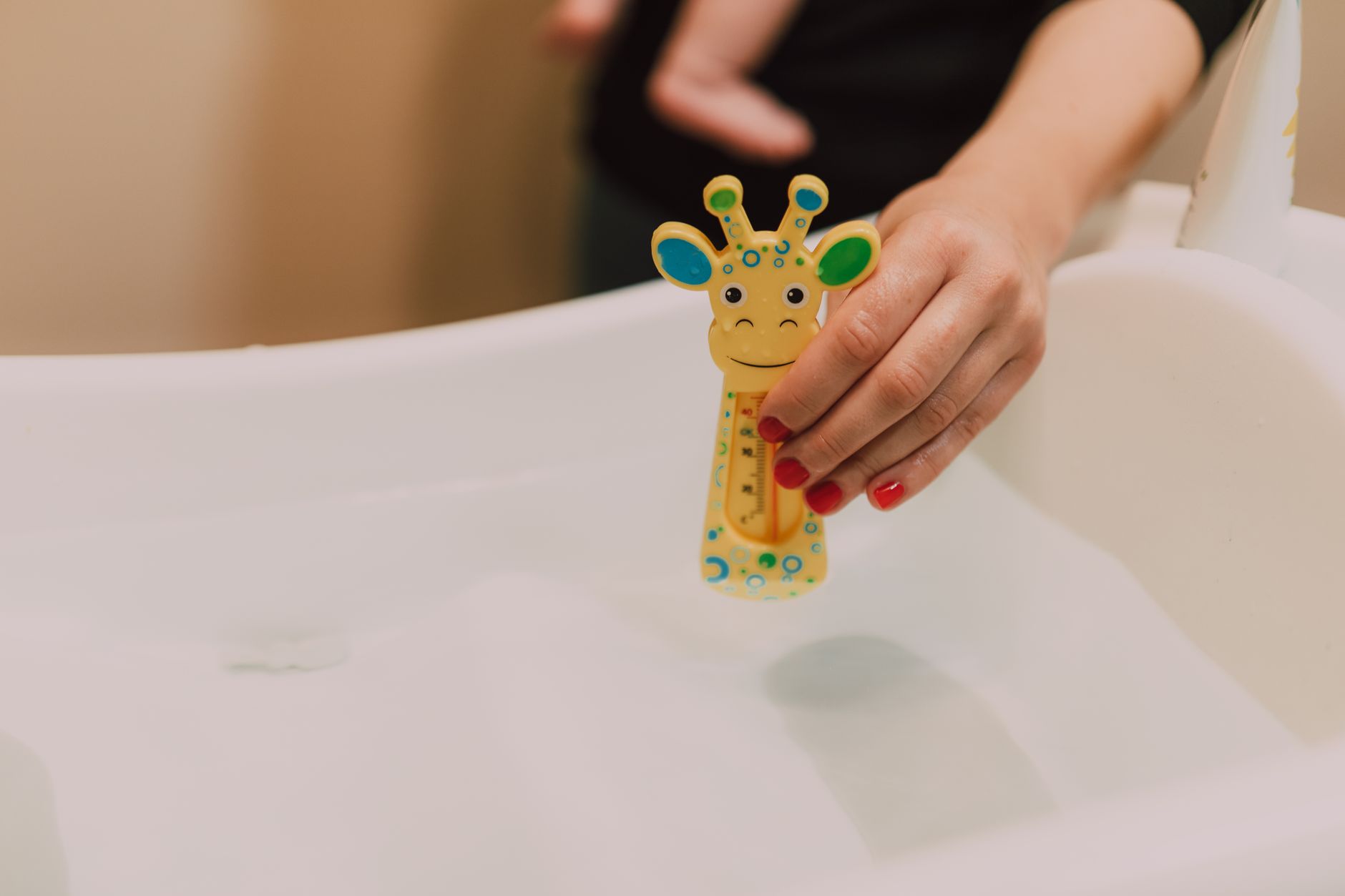
Daily baths are generally not necessary and can be harmful for most newborns. The AAP notes that daily bathing may increase the risk of skin dryness, especially in babies with a family history of eczema or in colder climates.
Exceptions exist: if your newborn has a skin condition that requires medicated cleansers, or if you’re using a very mild, fragrance‑free soap, a daily bath might be part of a treatment plan. In those cases, follow your pediatrician’s instructions closely.
For the majority of infants, sticking to 2‑3 baths per week provides enough cleanliness while preserving the natural moisture barrier. If you’re tempted to bathe more often because of a “sticky” feeling, try a gentle wipe with a warm, damp washcloth instead.
When a daily bath is medically indicated, clinicians often advise a “soap‑free” rinse—just water—so that the skin isn’t stripped of its protective oils. The CDC’s guidance on infant skin care reinforces this approach for high‑risk infants (CDC, 2023).
Even when a daily cleanse is needed, keep it brief (under five minutes) and avoid vigorous rubbing, which can exacerbate irritation.
What is the best time of day to give a newborn a bath?
Many parents find that a late‑morning or early‑afternoon bath works best. By this time, the baby is usually awake, fed, and not yet overtired—making the experience more relaxed for both of you.
Here’s a simple timeline that aligns with a typical newborn’s rhythm:
- Feed (allow 30‑45 minutes for digestion).
- Diaper change and a quick cuddle.
- Bath (10‑15 minutes max).
- Dry, dress, and soothe (often a good moment for a lullaby or gentle rocking).
If your baby is a night‑owl, a pre‑bedtime bath can also cue sleep, but keep the room dim and avoid stimulating toys.
Research from the National Institute of Child Health and Human Development (NICHD) suggests that a consistent daily routine, including a bath at the same time each day, can help regulate infant circadian rhythms, making it easier for babies to settle into a predictable sleep‑wake cycle (NICHD, 2022).
Choosing a time when you’re not rushed also reduces your own stress, which the baby can sense and respond to.
What temperature should newborn bath water be, and how to bathe a newborn without getting them cold?
Water that’s too hot can burn delicate skin, while water that’s too cold can cause hypothermia. The ideal temperature is 37‑38 °C (98‑100 °F). The safest way to check is using a clean thermometer or the “wrist test”: the water should feel warm—not hot—on the inside of your wrist.
To keep your newborn from getting cold:
- Pre‑heat the room to at least 22 °C (72 °F) before starting.
- Gather all supplies (towel, clean diaper, clothes) within arm’s reach.
- Use a shallow basin or baby tub that fits snugly on a warm surface.
- Never leave the baby unattended, even for a moment.
- Wrap the baby in a soft towel immediately after the bath, covering head and neck.
For premature infants, the recommendations are stricter: the NICU often advises a water temperature of 36‑37 °C (96‑98 °F) and a room temperature of at least 24 °C (75 °F). The FDA’s guidance on infant bathing equipment emphasizes that any device used for pre‑term babies should have a built‑in thermometer and a non‑slip surface (FDA, 2022).
In colder months, you might consider a portable, battery‑operated water heater designed for infant use, but always double‑check temperature before placing your baby in the water.
One quick tip: after you’ve filled the tub, dip your elbow or the back of your hand for a quick temperature check—your skin is very sensitive and will give you an instant cue.
When can you start giving a newborn a full bath, and differences between sponge baths and tub baths for newborns?
The umbilical cord stump usually falls off within the first 10 days. Once it’s detached and the area is fully healed, you can transition to a full tub bath. Until then, stick with sponge baths to avoid soaking the stump.
Here’s a side‑by‑side comparison of sponge vs. tub baths:
Step‑by‑step for a sponge bath:
- Lay a soft towel on a flat surface.
- Gather a bowl of warm water, a soft washcloth, mild soap, and a clean diaper.
- Gently wipe the face with a damp cloth (no soap).
- Wash the neck, arms, and diaper area using a tiny dab of soap, then rinse with a second clean, damp cloth.
- Pat dry, apply a fragrance‑free moisturizer if needed, and dress the baby.
Step‑by‑step for a tub bath (after day 10):
- Fill the baby tub with 2‑3 inches of warm water (check temperature).
- Support the baby’s head and neck with one hand, using the other to guide their legs into the water.
- Use a soft washcloth or your hand to gently cleanse the body—again, a tiny amount of mild soap.
- Rinse with a cup of clean water, ensuring no soap residue remains.
- Lift the baby out, wrap immediately in a towel, and dry thoroughly.
While the transition to tub baths is exciting, keep each bath brief (no more than 10 minutes) and use only a few drops of soap. The ACOG’s newborn care recommendations stress that a gentle routine reduces stress hormones for both baby and parent (ACOG, 2022).
Pay attention to your baby’s cues: if they turn away or start to cry, the water may be too warm or the bath too long.
How to clean a newborn's umbilical cord area and what soap is safe for newborn skin?
While the cord stump is still attached, keep the area dry and clean. You can use a cotton swab dipped in plain water or a sterile gauze pad. Some parents also apply a thin layer of chlorhexidine if advised by their pediatrician, but plain water is sufficient for most healthy newborns.
When the cord falls off, you can start using a very mild, fragrance‑free soap. Look for products labeled “for newborns” or “hypoallergenic” and check that the pH is close to skin’s natural level (around 5.5). Common safe options include:
- Dr. Bronner’s Baby Unscented Castile Soap (plant‑based, pH‑balanced).
- Johnson’s Baby Gentle Wash (fragrance‑free version).
- Aveeno Baby Soothing Bath (with colloidal oatmeal).
Avoid antibacterial soaps, harsh detergents, or anything with strong fragrances, as these can irritate the newborn’s skin barrier.
The NHS advises parents to avoid submerging the stump in water until it naturally separates, because excess moisture can delay healing and increase infection risk (NHS, 2022). If you notice redness, swelling, or a foul odor, contact your pediatrician promptly.
Typical signs of a developing infection include increasing redness, warmth, or pus‑like discharge—these warrant a medical review right away.
How often should you wash a newborn's hair, and tips for bathing a newborn with eczema?
Newborn hair is typically fine and may not need daily washing. Once or twice a week is sufficient unless there’s visible oil or cradle‑cap (seborrheic dermatitis). Use a tiny dab of a tear‑free, fragrance‑free baby shampoo—just enough to lather the scalp.
For eczema‑prone infants, follow these guidelines:
- Use a fragrance‑free, hypoallergenic cleanser (e.g., Cetaphil Baby Wash & Shampoo).
- Limit bath time to 5‑10 minutes to prevent drying.
- Add 1‑2 cups of colloidal oatmeal (like Aveeno) to the water for soothing.
- Pat the skin dry—don’t rub—and apply a pediatrician‑recommended moisturizer within 3 minutes of bathing.
- Consult your pediatrician if you notice persistent redness, cracking, or infection.
Evidence from the National Eczema Association shows that adding oatmeal to bathwater reduces itch scores by up to 30 % in infants (NEA, 2023). Always choose a soap with a neutral pH and avoid products containing lanolin or petrolatum if your baby has a known sensitivity.
When washing hair, keep the water away from the ears to prevent discomfort; a gentle cup pour works well.
How to prevent diaper rash during newborn baths, and bath routine for newborns with colic?
Diaper rash often starts with moisture trapped against the skin. To minimize risk:
- After each bath, gently pat the diaper area dry—don’t leave it damp.
- Apply a thin layer of a zinc‑oxide diaper cream (e.g., Desitin) as a barrier.
- Choose breathable, cotton‑rich diapers and change them frequently.
- Consider a short, lukewarm bath (no more than 10 minutes) to keep the skin clean without over‑wetting.
For babies with colic, a calming bath can be part of a soothing routine:
- Warm the water to 37 °C (98 °F) and add a few drops of lavender‑free, infant‑safe essential oil (if approved by your pediatrician).
- Swaddle the baby in a soft towel after the bath, then hold them close while gently rocking or using a white‑noise machine.
- Keep the bath brief (5‑7 minutes) to avoid overstimulation.
- After drying, offer a feeding if the baby is hungry—often a full stomach helps settle gas.
The American Academy of Pediatrics notes that a consistent, soothing routine, including a brief bath, can reduce crying episodes in colicky infants by up to 20 % (AAP, 2023). Always monitor the baby’s cues; if they become fussy, end the bath early.
Gentle tummy massage after the bath can also help release trapped gas and promote relaxation.
How to choose safe bath accessories and toys for a newborn?
Bath accessories can make the experience more enjoyable, but safety is paramount. Look for items that are labeled “BPA‑free” and “meets ASTM F963 safety standards.” Simple, soft rubber ducks, silicone teething rings, and non‑slip bath mats are all good choices.
When selecting toys, choose those with smooth edges and no small detachable parts that could become a choking hazard. The FDA recommends that any product placed in a newborn’s bath be tested for toxic chemicals, especially phthalates and lead (FDA, 2022). A soft, washable cloth book with high‑contrast black‑and‑white patterns can also stimulate visual development without adding any risk.
Keep the bath area clutter‑free: only one or two toys at a time, and always supervise your baby. If you notice a toy becoming soggy or developing a foul smell, discard it—bacteria can thrive in warm, moist environments.
Regularly inspect toys for cracks or loose parts; even a tiny break can become dangerous.
Bathing newborns with special health considerations (premature infants, jaundice, or newborns with medical conditions)
Premature infants have thinner skin and a higher surface‑area‑to‑body‑mass ratio, making them more vulnerable to temperature loss. The NICU protocol typically calls for a water temperature of 36‑37 °C (96‑98 °F) and a room temperature of at least 24 °C (75 °F). Use a pre‑warmed infant bathtub with a built‑in thermometer, and keep the bath time under 5 minutes.
For newborns with jaundice, it’s important to avoid dehydration, which can worsen bilirubin levels. A brief, warm bath can actually help maintain hydration, but the water should never be hot enough to cause sweating. The American Academy of Pediatrics advises that babies with significant jaundice be monitored for signs of dehydration, such as fewer wet diapers (AAP, 2023).
If your baby has a congenital condition like cleft palate or a heart defect, discuss bathing techniques with the pediatric cardiologist or surgeon. In some cases, a “sponge‑only” approach is recommended until the child’s medical team clears them for immersion, to avoid strain on the heart or surgical sites.
Always have a thermometer on hand, and consider using a heated blanket underneath the bathing surface if you’re in a cooler environment. Consulting your healthcare provider before introducing any new bathing routine is essential for infants with special health needs.
Some hospitals provide take‑home kits that include a temperature‑controlled tub; ask your discharge nurse if such resources are available.
Signs your newborn is ready for a bath and when to see a specialist for skin concerns
Even before the cord falls off, some cues tell you it’s time for a bath:
- Baby is awake and alert (not in a deep sleep).
- Skin feels warm, not clammy.
- There’s no sign of fever or illness (e.g., no lethargy, poor feeding).
- Umbilical stump is no longer swollen or oozing.
If you notice any of the following, contact a pediatrician or dermatologist promptly:
- Persistent redness, oozing, or foul odor around the umbilical area.
- Severe eczema flare‑ups that don’t improve with moisturizers.
- Blisters, pustules, or crusted lesions anywhere on the body.
- Signs of hypothermia (cool skin, shivering, low body temperature).
- Unusual rash that spreads quickly or is accompanied by fever.
These symptoms may indicate infection or an underlying skin condition that requires professional assessment. The NHS advises that any rash covering more than 10 % of the body surface, or accompanied by fever, warrants urgent medical review (NHS, 2022).
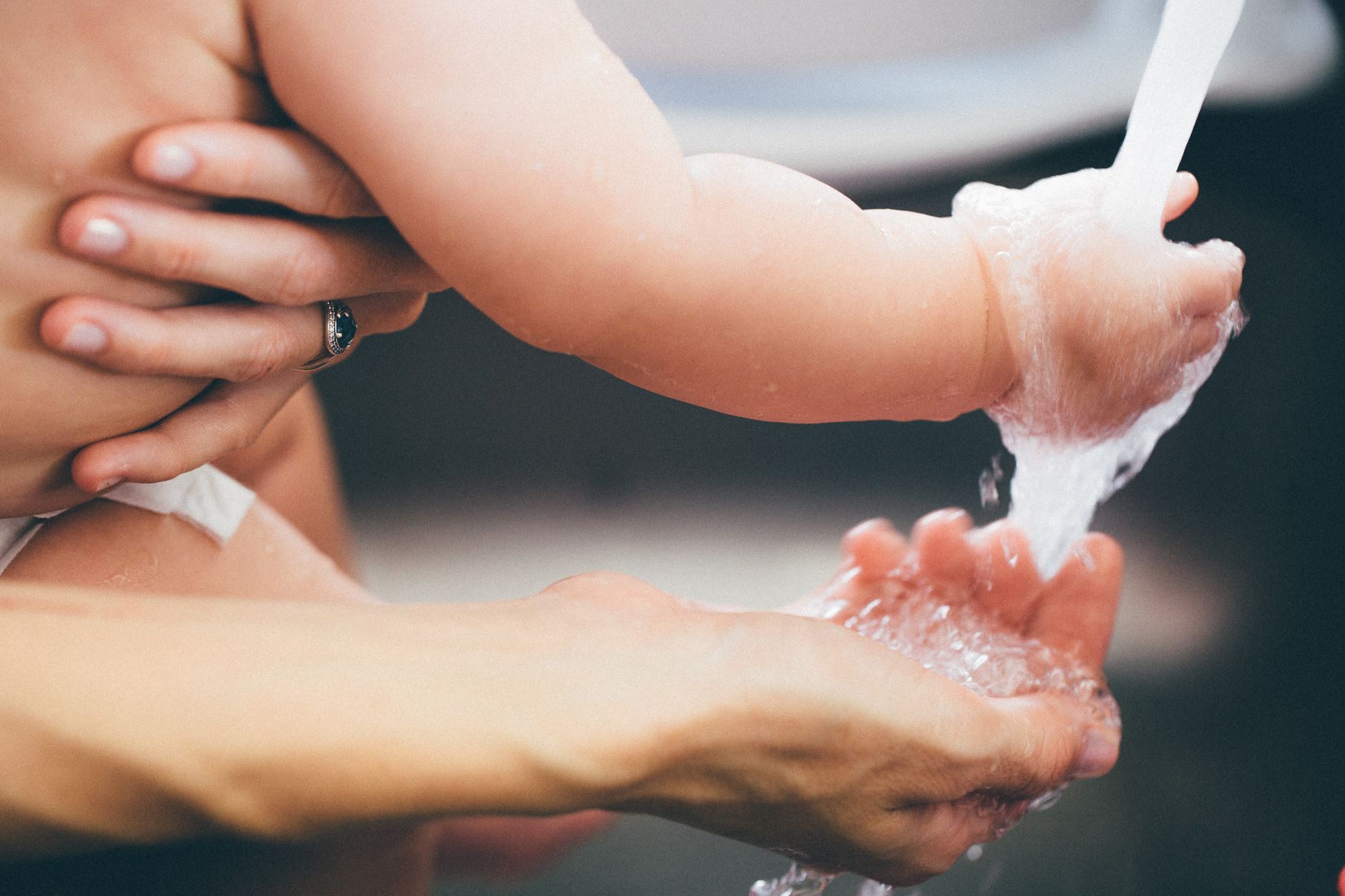
Bath time safety checklist for newborns
A quick visual guide can help you stay organized and calm during each bath.
Running through this list before you start can reduce anxiety and keep the focus on your baby’s comfort. The CDC’s infant safety guidelines echo the importance of preparation and constant supervision (CDC, 2023).
Bathing a newborn with sensitive skin or eczema
Sensitive skin often reacts to temperature changes, fragrances, and harsh cleansers. Opt for fragrance‑free, hypoallergenic products and keep baths short—ideally under 10 minutes. Adding colloidal oatmeal or a few drops of a pediatric‑approved natural oil (such as sunflower seed oil) can soothe irritation.
After the bath, pat the skin dry and apply a thick, fragrance‑free moisturizer within three minutes to lock in moisture. For eczema, a pediatrician may recommend a prescribed barrier cream or a mild steroid for flare‑ups; always follow their guidance.
Monitor the skin daily. If redness spreads or the baby seems unusually uncomfortable, contact your pediatrician promptly—early treatment can prevent chronic issues.
Myth vs. fact
Myth: Newborns need a daily bath to stay clean.
Fact: Two to three baths per week are enough; daily wipes are sufficient for everyday messes.
Myth: Hot water helps keep the baby warm.
Fact: Water that’s too hot can burn the skin; lukewarm water (37‑38 °C) is safest.
Myth: Any baby soap will do.
Fact: Only fragrance‑free, hypoallergenic soaps with a pH close to skin’s natural level should be used to avoid irritation.
Key takeaways
- Limit newborn baths to 2‑3 times weekly; a sponge bath is best until the umbilical cord falls off.
- Use lukewarm water (37‑38 °C) and keep the room warm to prevent hypothermia.
- Choose fragrance‑free, hypoallergenic soap; avoid antibacterial or scented products.
- For eczema or colic, add soothing ingredients like colloidal oatmeal and keep baths brief.
- Pat, don’t rub, after bathing; apply a barrier cream to protect against diaper rash.
- Seek medical advice if you see persistent redness, oozing, or signs of infection.
Frequently asked questions
Can you bathe a newborn every day?
Generally no. Daily baths can strip the newborn’s natural skin oils, leading to dryness and irritation. Most pediatric guidelines suggest 2‑3 baths per week, using a damp washcloth for daily cleaning when needed.
What is the ideal water temperature for a newborn bath?
The ideal temperature is 37‑38 °C (98‑100 °F). Test the water with a thermometer or by feeling it on the inside of your wrist— it should feel warm, not hot.
How long should a newborn's bath be?
Keep baths short—ideally 5‑10 minutes. This limits exposure to water that can dry the skin while still providing a soothing routine.
When should you stop sponge bathing a newborn?
Stop sponge bathing once the umbilical cord stump has fully healed and fallen off, typically around day 7‑10. After that, you can transition to brief tub baths.
Is it okay to use baby shampoo on a newborn?
Yes, as long as the shampoo is tear‑free, fragrance‑free, and formulated for newborns. Use only a tiny amount and rinse thoroughly.
How often should you change a newborn's diaper after a bath?
Change the diaper as soon as it becomes wet or soiled—usually within 2‑3 hours after a bath. Keeping the diaper area dry helps prevent rash.
Can I use a bath thermometer to check water temperature?
Absolutely. A digital bath thermometer is the most reliable way to ensure the water stays within the safe range of 37‑38 °C. The FDA recommends checking the temperature before placing your baby in the tub each time.
What should I do if my baby seems to dislike baths?
Try making the environment calmer: dim the lights, play soft music, and keep the bath brief. Swaddling the baby in a warm towel right after the bath can also help them feel secure. If resistance continues, consult your pediatrician for tips on soothing techniques.
Is it safe to use a bath seat for a newborn?
Most experts, including the AAP, advise against using bath seats for infants under four months because they can tip or become unstable. A simple, shallow tub with a non‑slip mat is safer.
Can I use a washcloth instead of a sponge for a newborn bath?
Yes. A soft, clean washcloth works just as well as a sponge and is often gentler on delicate skin. Ensure the cloth is free of loose fibers that could irritate the baby.
When to see a doctor / specialist
If you notice any of the following, contact a pediatrician or dermatologist right away:
- Persistent redness, swelling, or foul odor around the umbilical area.
- Severe or spreading rash, blisters, or pustules.
- Signs of hypothermia (cool skin, shivering, low body temperature).
- Newborn appears unusually irritable, lethargic, or has a fever after a bath.
- Skin irritation that does not improve after 24‑48 hours of proper moisturization.
These symptoms may signal infection, eczema flare‑ups, or other dermatologic conditions that require professional evaluation. A pediatric dermatologist or a pediatrician with a focus on skin health can provide targeted treatment.
References
- American Academy of Pediatrics. “Guidelines for Bathing Infants.” AAP, 2023.
- National Health Service (UK). “Newborn skin care.” NHS, 2022.
- American Academy of Dermatology. “Skin Care for Babies.” AAD, 2023.
- Harvard T.H. Chan School of Public Health. “Infant Bathing and Skin Health.” 2022.
- World Health Organization. “Essential newborn care.” WHO, 2021.
- National Eczema Association. “Bathing Tips for Babies with Eczema.” NEA, 2023.
- American College of Obstetricians and Gynecologists. “Umbilical Cord Care.” ACOG, 2022.
- Centers for Disease Control and Prevention. “Diaper Rash Prevention.” CDC, 2023.
- Food and Drug Administration. “Infant Bathing Products Safety.” FDA, 2022.
- National Institute of Child Health and Human Development. “Infant Sleep‑Wake Cycle and Bathing Routines.” NICHD, 2022.
- American Academy of Pediatrics. “Colic Management and Soothing Techniques.” AAP, 2023.
- National Institute of Diabetes and Digestive and Kidney Diseases. “Premature Infant Care Guidelines.” NIDDK, 2022.
- American Academy of Pediatrics. “Jaundice in Newborns: Prevention and Management.” AAP, 2023.
- Centers for Disease Control and Prevention. “Infant Bath Safety.” CDC, 2023.
- American Academy of Pediatrics. “Bath Seats and Infant Safety.” AAP, 2022.