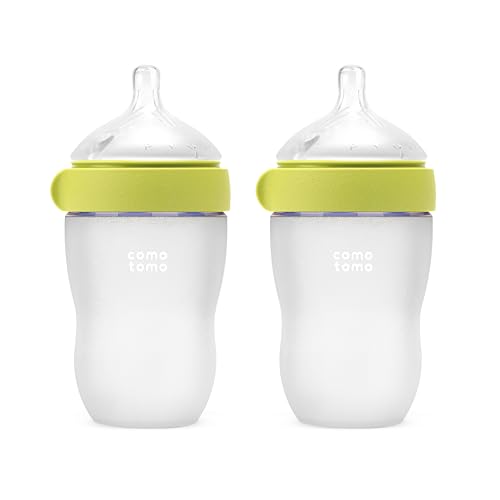
Quick take: A newborn typically drinks 2‑3 oz (60‑90 ml) of formula per feeding, about 8‑12 times a day, which adds up to roughly 16‑24 oz (450‑700 ml) daily. Adjust the amount as your baby grows, watch for hunger‑or‑fullness cues, and follow safe preparation, storage, and temperature guidelines.
It’s 3 a.m., the house is quiet, and you’re holding a tiny, sleepy bundle while the clock on the nightstand blinks “2 am.” You wonder, “How much formula should I be giving this little one?” You’re not alone. Many new parents stare at the diaper‑changing table, a half‑filled bottle, and a list of questions that seem to multiply overnight. The good news is that formula feeding follows predictable patterns, and with a few simple rules you can feel confident you’re meeting your baby’s nutritional needs.
In this guide we’ll break down everything you need to know about how much formula for newborn baby—from the exact ounces per feeding to how to read your baby’s cues, how to measure powder safely, and what to do as your infant grows. We’ll also cover the best formula brands, transitioning from breast milk, storage tips, temperature checks, calorie counts, common pitfalls, and even how to burp a newborn after a feed.
Read on for a step‑by‑step roadmap, quick‑reference tables, and practical tips you can apply tonight.

Newborns have tiny stomachs—about the size of a walnut. Most babies will take 2 to 3 oz (60‑90 ml) per feeding during the first few weeks of life. This amount can vary based on birth weight, appetite, and whether your baby is preterm or full‑term.
The American Academy of Pediatrics (AAP) recommends offering approximately 150‑200 ml per kilogram of birth weight per day. For a baby born at 3.5 kg (about 7.7 lb), that translates to roughly 525‑700 ml (18‑24 oz) spread across 8‑12 feedings.
Here’s a quick reference:
Remember that these are averages. Some newborns may need a bit more or less. The key is to watch your baby’s output (wet diapers, stool) and growth curves during pediatric visits.
At two weeks old, most infants follow a “on‑demand” schedule, which typically means feeding every 2‑3 hours, including overnight. This translates to 8‑12 feedings in a 24‑hour period.
A sample schedule might look like this:
- 5:30 am – first feeding (2 oz)
- 8:00 am – second feeding (2‑2.5 oz)
- 10:30 am – third feeding (2‑2.5 oz)
- 1:00 pm – fourth feeding (2‑2.5 oz)
- 3:30 pm – fifth feeding (2‑2.5 oz)
- 6:00 pm – sixth feeding (2‑2.5 oz)
- 8:30 pm – seventh feeding (2‑2.5 oz)
- 11:00 pm – eighth feeding (2‑2.5 oz)
- 1:30 am – ninth feeding (2‑2.5 oz)
- 4:00 am – tenth feeding (2‑2.5 oz)
Each baby is unique, so the exact timing will shift based on your infant’s hunger signals. The AAP advises that you should never force a feeding—if the baby turns away, pause and try again later.
There are three reliable ways to gauge whether your baby is receiving adequate nutrition:
- Weight gain: Most newborns gain about 5‑7 oz (140‑200 g) per week in the first month. Your pediatrician will track this at well‑baby visits.
- Wet diapers: Expect 6‑8 wet diapers per day after the first week. The urine should be pale yellow.
- Stool frequency: Newborns typically have 3‑4 bowel movements daily, which become less frequent as they grow.
If you notice a sudden drop in weight, fewer wet diapers, or a very lethargic baby, it’s time to consult your pediatrician.
Newborns communicate needs through reflexes and behavior. Look for these cues:
Hunger cues
- Rooting reflex – turning head toward the breast or bottle.
- Sucking motions on hands or fingers.
- Fidgeting, increased alertness, or crying (late sign).
Fullness cues
- Turning away from the bottle or slowing the suck.
- Relaxed hands and legs.
- Spitting out the nipple or falling asleep.
Paying attention to these signals helps you avoid over‑ or under‑feeding, both of which can cause discomfort.
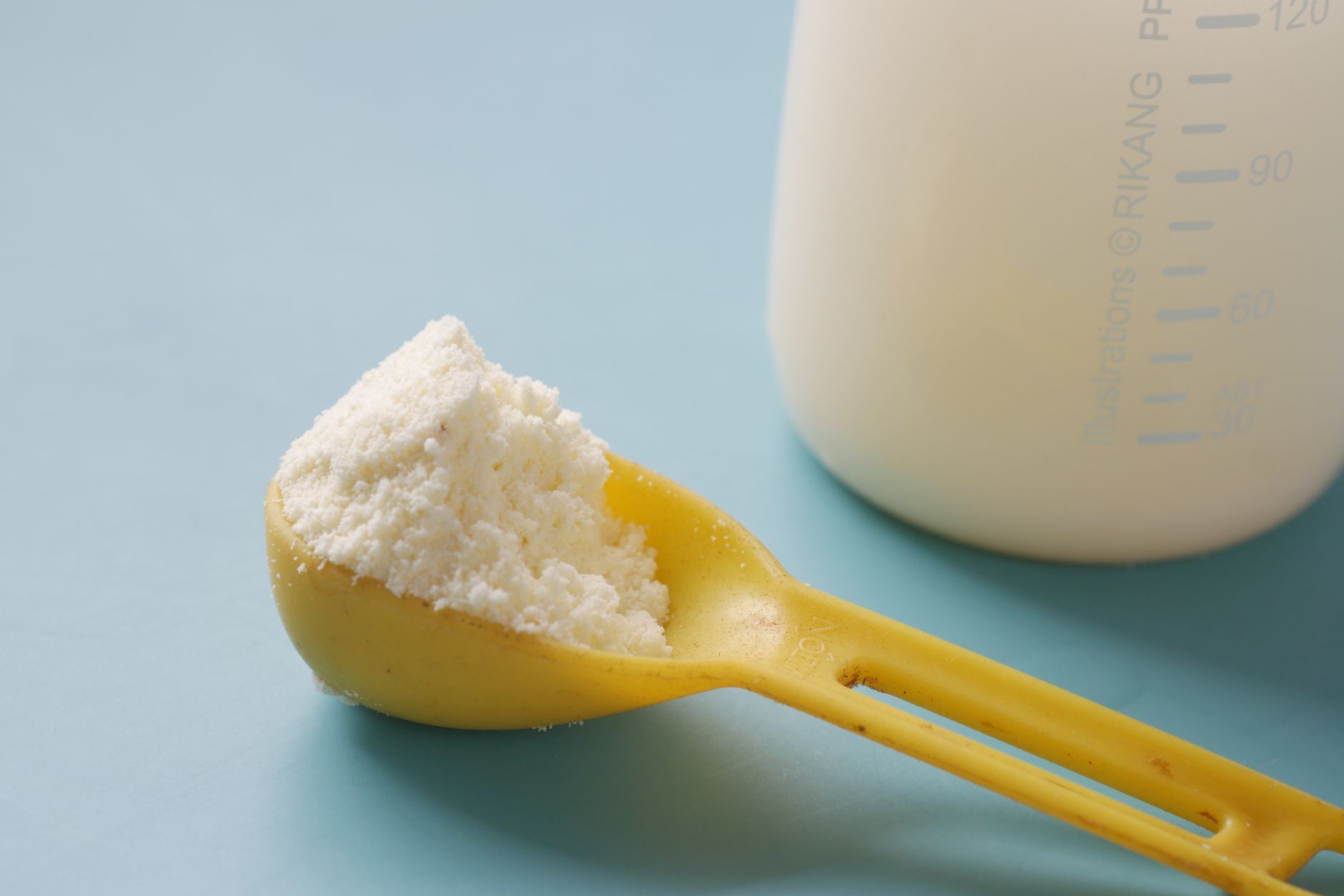
Accurate measurement is essential for safe nutrition. Follow these steps:
- Wash your hands and ensure the measuring scoop that comes with the formula is clean.
- Level the scoop with a clean, flat utensil—don’t pack the powder.
- Pour the measured powder into a sterilized bottle.
- Add the exact amount of water (usually 2 oz per scoop, but verify the brand’s instructions).
- Shake well until the powder fully dissolves.
Never use a kitchen teaspoon or tablespoon; the manufacturer’s scoop is calibrated for the correct powder‑to‑water ratio.
- Using an uncalibrated spoon, which can lead to over‑concentration.
- Skipping the “level off” step, resulting in extra powder.
- Adding too much water to stretch the formula—this dilutes calories and nutrients.
- Re‑using a previously opened container without checking expiration dates.
Once mixed, formula should be used within 1 hour at room temperature. If you need to store it longer:
- Refrigerate immediately in a clean bottle; use within 24 hours.
- Never freeze formula—freezing can alter texture and nutrient stability.
- Discard any leftover formula after a feed; do not re‑heat or reuse.
The ideal feeding temperature is body‑warm, around 98‑100 °F (37‑38 °C). Test a few drops on the inside of your wrist; it should feel comfortably warm, not hot.
To warm a bottle, place it in a container of warm water for a few minutes, or use a bottle warmer set to the “warm” setting. Avoid microwaving, as it creates hot spots that can scald your baby.
Preterm infants (< 37 weeks gestation) have higher nutritional needs per kilogram of body weight because they missed valuable in‑utero growth time. The AAP recommends:
- Full‑term: 150‑200 ml per kilogram per day.
- Preterm: 180‑210 ml per kilogram per day, often split into 8‑12 smaller feeds.
Because preterm babies have even smaller stomach capacities, they may receive as little as 1‑2 oz per feeding, gradually increasing as they gain weight.
Always coordinate with your neonatologist or pediatrician for individualized feeding plans.
Most newborns will naturally increase their intake by about 1 oz (30 ml) every 1‑2 weeks during the first two months. Signs that it’s time to add more include:
- Consistently finishing the bottle with room to spare.
- Weight gain slowing below the expected 5‑7 oz per week.
- More than 4‑5 wet diapers per day but still hungry cues.
When you notice these signs, add an extra 0.5‑1 oz per feeding and monitor the baby’s response for a few days. If the baby seems satisfied and continues gaining weight, you’re on track.
How many bottles per day should a newborn have?
Newborns typically need 8‑12 bottles per day, depending on feeding frequency and volume per feed. Here’s a breakdown:
- 8‑9 bottles: If your baby takes larger feeds (≈ 3 oz) and sleeps longer stretches.
- 10‑12 bottles: If feeds are smaller (≈ 2 oz) and you’re feeding “on‑demand.”
It’s normal for the count to fluctuate nightly. The most reliable indicator is your baby’s growth and diaper output, not a strict bottle count.
Choosing a formula can feel overwhelming. The AAP and the Academy of Nutrition and Dietetics endorse formulas that meet the U.S. FDA’s nutrient requirements. Commonly recommended brands include:
- Similac Pro‑Advance
- Enfamil Neuro‑Support
- Gerber Good Start Gentle
- HiPP Organic (EU‑approved, great for families preferring organic options)
When transitioning from breast milk, use a gradual approach to give your baby time to adjust:
- Start with one formula feed per day, mixed with breast milk (50/50).
- Increase the formula proportion by 25 % every 2‑3 days.
- Watch for any signs of intolerance (excessive gas, rash, stool changes).
- Complete the transition after 1‑2 weeks, or sooner if the baby prefers formula.
Transitioning does not affect milk supply dramatically, but if you’re still nursing, you may notice a slight drop in output. If you plan to wean fully, discuss timing with your pediatrician.
Several large cohort studies, including those from the CDC’s National Center for Health Statistics, have found that average weight gain trajectories are similar for infants fed exclusively with formula versus those breastfed, provided the formula meets FDA standards.
However, some nuances exist:
- Breastfed infants often gain weight more rapidly in the first few weeks, then plateau.
- Formula‑fed infants tend to have a steadier gain, reflecting the consistent caloric density of formula (≈ 20 calories per ounce).
- Both groups reach comparable weights by six months when fed on demand.
Regardless of the feeding method, regular pediatric check‑ups are essential to ensure healthy growth.
Standard infant formula provides about 20 calories per ounce (≈ 0.7 calories per milliliter). Therefore, a 2‑oz feed supplies roughly 40 calories, while a 3‑oz feed delivers about 60 calories.
To calculate daily caloric intake, multiply the total ounces per day by 20. For a baby consuming 18 oz daily, that’s 360 calories—adequate for the rapid growth phase of the first month.
Burping helps release swallowed air that can cause discomfort. Here’s a gentle routine:
- Hold your baby upright against your chest, with their chin resting on your shoulder.
- Support the head with one hand; gently pat or rub the back with the other.
- After 30‑60 seconds, try a “football‑hold”—baby lying on your forearm, tummy against your elbow, head slightly higher.
- If no burp after a minute, lay the baby on their tummy across your lap and gently pat the back for another minute.
Most babies will burp within a few minutes, but some may not need to. If your infant seems uncomfortable after feeding, try a second burp session.
Myth vs. fact
Myth: Newborns need a set number of ounces each feeding, regardless of hunger cues.
Fact: While 2‑3 oz per feed is a useful baseline, babies signal hunger and fullness. Adjusting volumes based on cues is essential for healthy growth.
Myth: You can safely give a newborn water in addition to formula to keep them hydrated.
Fact: Newborns receive all needed fluids from formula. Giving water can lead to electrolyte imbalance and should be avoided unless a doctor advises otherwise.
Myth: Formula can be mixed in bulk and stored for days.
Fact: Prepared formula should be used within 1 hour at room temperature or refrigerated and used within 24 hours. Re‑warming leftovers can increase bacterial risk.
Key takeaways
- Newborns typically need 2‑3 oz (60‑90 ml) per feeding, 8‑12 times a day.
- Watch weight gain, wet diapers, and stool frequency to confirm adequate intake.
- Measure powder with the manufacturer’s scoop, level it, and follow exact water ratios.
- Preterm infants require slightly more milliliters per kilogram than full‑term babies.
- Increase formula volume by ~1 oz every 1‑2 weeks as the baby grows.
- Store prepared formula in the refrigerator for up to 24 hours; discard leftovers after a feed.
- Burp gently after each feeding to reduce gas and discomfort.
Frequently asked questions
Most newborns need about 150‑200 ml per kilogram of birth weight daily, which translates to roughly 16‑24 oz (450‑700 ml) spread over 8‑12 feedings.
Feed on demand, usually every 2‑3 hours. This results in 8‑12 feedings per 24 hours, including nighttime sessions.
Frequent vomiting, excessive spitting up, unusually rapid weight gain (> 10 oz per week), and persistent diaper rash can indicate over‑feeding. Consult your pediatrician if these occur.
No. Formula provides all the hydration a newborn needs. Giving water can dilute essential nutrients and cause electrolyte imbalances.
Look for rooting, sucking on hands, or increased alertness. Early cues appear before crying. If the baby turns away or slows sucking, they may be full.
Increase when the baby consistently finishes the bottle with room left, shows slowed weight gain, or displays hunger cues before the next scheduled feed.

When to see a doctor or specialist
If you notice any of the following, contact your pediatrician promptly:
- Less than 6 wet diapers per day after the first week.
- Sudden weight loss or gain outside the expected range.
- Persistent vomiting, green or blood‑tinged stool.
- Excessive fussiness that does not improve after burping.
- Signs of dehydration: dry mouth, sunken eyes, or no tears when crying.
For preterm infants or those with feeding difficulties, a pediatric gastroenterologist or a neonatal nutrition specialist may be recommended.
References
- American Academy of Pediatrics. “Breastfeeding and the Use of Human Milk.” Pediatrics, 2012.
- U.S. Food and Drug Administration. “Infant Formula: Guidance for Industry.” 2021.
- Centers for Disease Control and Prevention. “Infant Nutrition.” 2023.
- World Health Organization. “Infant and Young Child Feeding.” 2022.
- Academy of Nutrition and Dietetics. “Infant Feeding Guidelines.” 2023.
- National Institute of Child Health and Human Development. “Preterm Infant Nutrition.” 2022.
- Harvard T.H. Chan School of Public Health. “Infant Formula vs. Breast Milk.” 2023.