

Quick take: Newborns typically drink 1‑2 oz (30‑60 ml) per feeding, totaling about 16‑24 oz (480‑720 ml) per day. Frequency—about 8‑12 times / day—drives supply. Watch weight gain, wet diapers, and contented fuss‑free periods to know they’re getting enough. If intake seems low, try more frequent feeds, skin‑to‑skin contact, or a lactation consult.
It’s 2 a.m., you’re nursing your sleepy newborn, and the clock on the nightstand reads “4 oz” on the bottle you just emptied. “Is that enough?” you wonder, heart racing. You’re not alone—millions of new parents stare at the same tiny numbers, unsure if their baby is thriving or if they’re missing something critical.
In this guide we answer the most common, concrete questions about how much breastmilk for newborn baby they truly need. We’ll walk through typical volumes per feeding, daily totals, how feeding frequency shapes supply, and what signs tell you your infant is satisfied. You’ll also learn how preterm infants differ, how to compare breastmilk with formula, and practical ways to track intake at home. By the end you’ll have a clear, evidence‑based roadmap—no more guessing, just confident feeding.

How many ounces of breastmilk does a newborn need per feeding?
During the first two weeks of life, most newborns sip roughly 1‑2 oz (30‑60 ml) at each nursing session. By the end of the third week, intake usually rises to 2‑3 oz (60‑90 ml) per feed. Your baby’s exact need depends on weight, gestational age, and how efficiently they extract milk.
These numbers are not rigid prescriptions; they serve as a compass. If your baby consistently finishes one breast in under five minutes, they may be taking less milk per suck and could benefit from a longer feed or a brief pause to encourage deeper swallowing. Conversely, a baby who seems to “drain” a breast quickly and then appears hungry again may be experiencing a growth spurt and simply need more frequent sessions.
Because newborns grow so rapidly, the amount they take can change day‑to‑day. Keeping an eye on feeding patterns helps you spot when a baby is transitioning from the tiny “walnut‑size” stomach of day 1 to a more spacious gut by the end of the first month. This natural progression often means a modest increase of ½‑1 oz per feed each week.
What about a 1‑week‑old baby?
A 1‑week‑old typically consumes about 1.5 oz (45 ml) per feeding, amounting to 12‑15 oz (360‑450 ml) across a 24‑hour period. Some babies may cluster feed—short, frequent sessions—especially after growth spurts, and that’s perfectly normal.
During this early week, the baby’s stomach is roughly the size of a walnut, so a handful of ounces can feel like a lot. It’s helpful to remember that the infant’s stomach expands rapidly over the first month, allowing larger volumes without discomfort.
Why does volume vary?
- Birth weight: Larger infants often take slightly more per feed.
- Gestational age: Preterm babies may need smaller, more frequent feeds.
- Milk transfer efficiency: A strong latch and effective suck can increase volume.
Remember, the numbers are guidelines. Your baby’s cues—satisfied sighs, regular wet diapers, and steady weight gain—are the real yardsticks.
Professional bodies such as the American College of Obstetricians and Gynecologists (ACOG) emphasize that “individual variation is expected; the best indicator of adequacy is the infant’s growth trajectory and hydration status” (ACOG Committee Opinion 2020).
In practice, many parents find that a slight increase in feeding duration—adding an extra minute or two on each breast—can translate into an additional 0.5‑1 oz per session, which adds up over the course of a day.
What is the recommended breastmilk intake for a newborn in the first month?
| Age (weeks) | Typical ounces per feeding | Feedings per day | Total daily ounces |
|---|---|---|---|
| 0‑1 | 1‑2 oz | 8‑12 | 16‑24 oz |
| 2‑3 | 2‑3 oz | 8‑10 | 20‑30 oz |
| 4 | 3‑4 oz | 7‑9 | 24‑32 oz |
The American Academy of Pediatrics (AAP) notes that as long as infants are gaining weight steadily—about 5‑7 oz (140‑200 g) per week in the first month—and producing at least six wet diapers daily, the exact volume can vary without concern.
It’s also worth noting that many newborns will have “quiet” periods where they seem content with slightly less milk, followed by a sudden surge in appetite. These fluctuations are normal and often align with hormonal changes in the mother, especially the rise of prolactin after night feeds.
Because each baby’s growth curve is unique, pediatricians often use a combination of weight charts and diaper counts rather than a strict milliliter target to assess adequacy.
How often should I breastfeed a newborn to ensure adequate milk intake?
Newborns usually need to nurse 8‑12 times in a 24‑hour span. This translates to feeding roughly every 2‑3 hours, including overnight. The “on‑demand” approach—feeding whenever the baby shows hunger cues—naturally aligns with this frequency.
Frequent nursing not only satisfies the baby’s caloric needs but also signals the body to produce more milk. In the first few weeks, each successful feed sends a feedback loop to the pituitary gland, reinforcing prolactin release.
Parents who worry about “over‑feeding” often find reassurance in the fact that the infant’s stomach will empty between feeds, prompting the next feeding instinctively. This natural cycle helps maintain a healthy supply‑demand balance.
Does a strict schedule work?
While some families thrive on a routine, newborns have tiny stomachs and rapid growth phases. Rigid schedules can limit milk supply because supply is driven by demand. If you must plan (e.g., for work), try to keep the average interval close to 2‑3 hours and aim for at least 8 sessions daily.
Research from the National Institute of Child Health and Human Development (NICHD) shows that infants fed on a flexible schedule tend to have higher milk intake and better weight gain than those on a rigid timetable (NICHD 2021).
What about night feeds?
Nighttime nursing is crucial. Prolactin, the hormone that fuels milk production, peaks during sleep. Skipping night feeds can reduce overall supply. If you’re exhausted, consider a partner’s help with diaper changes so you can focus on feeding.
Even a brief “dream feed”—a feeding right before you go to bed—can keep the supply chain active and reduce the need for a full‑blown night awakening later on.
Many mothers find that a short, soothing feed after the baby’s first nighttime awakening helps maintain milk volume without sacrificing much sleep.
Does breastfeeding frequency affect milk supply for newborns?
Yes—milk supply is a classic “use‑it‑or‑lose‑it” system. More frequent or longer feeds stimulate the breast more, prompting the pituitary to release prolactin and oxytocin, which together boost production.
When a baby’s demand drops, the body receives a signal to taper back production. This is why newborns who nurse often during growth spurts may see a temporary increase in milk volume, sometimes accompanied by a slight increase in infant weight gain.
Understanding this feedback loop can empower you to adjust feeding patterns proactively, especially during periods when your baby seems less interested in nursing.
How to increase supply if intake appears low
- Skin‑to‑skin contact: Holding your baby against your chest for 15‑30 minutes several times a day can enhance let‑down.
- Cluster feeding: Offer the breast every 1‑2 hours during growth spurts.
- Power pumping: Mimic a baby’s pattern—pump for 10 min, rest 10 min, repeat for an hour.
- Hydration and nutrition: Stay well‑hydrated; a balanced diet with adequate calories supports supply.
If you’ve tried these methods and your baby’s weight still isn’t rising, a lactation consultant can assess latch, milk transfer, and supply dynamics.
The NHS Breastfeeding Support Team advises that “consistent, responsive feeding combined with adequate maternal nutrition is the cornerstone of a healthy milk supply” (NHS 2022).
Additionally, reducing stress where possible—through brief mindfulness breaks or support groups—has been linked to steadier hormone levels that favor milk production.
Signs my newborn is getting enough breastmilk
Beyond numbers, there are tangible signs that tell you your infant is thriving:
- Steady weight gain (5‑7 oz per week for the first month).
- At least six wet diapers a day after day 3.
- Dark, mustard‑yellow stools that transition from meconium to creamy.
- Contented after feeds—sleeps peacefully and shows no persistent fussiness.
- Feeds lasting 10‑20 minutes per breast, with the baby actively sucking and swallowing.
These markers are supported by the World Health Organization’s growth standards, which stress that “adequate hydration and nutrition are reflected in regular diaper output and progressive weight gain” (WHO 2021).
It’s also helpful to note that a baby who occasionally falls asleep mid‑feed but still appears satisfied is usually fine; newborns often self‑regulate intake based on their internal cues.
Normal weight‑gain milestones for breastfed newborns
The WHO growth charts indicate:
| Age | Average weight gain (oz) | Typical weight range (lb) |
|---|---|---|
| Birth‑1 week | 5‑7 oz | 5.5‑9 lb |
| 1‑2 weeks | 5‑7 oz | 6‑10 lb |
| 2‑4 weeks | 5‑7 oz per week | 7‑12 lb |
If your baby’s weight plateaus or drops, it’s a red flag that merits a pediatric check‑up.
When you chart weight trends over several weeks, a steady upward slope—rather than a flat line—confirms that your feeding routine is meeting the infant’s needs.
How to tell if my baby is hungry or just wants to suckle?
Newborns have a natural “rooting” reflex that can make them appear hungry even when they’re simply seeking comfort. Distinguishing true hunger from non‑nutritive sucking helps you meet their needs without over‑feeding.
Hunger cues
- Early signs: Lip‑smacking, sucking on hands, and moving head toward the breast.
- Mid cues: Increased alertness, rooting, and rhythmic hand‑to‑mouth motions.
- Late cues: Crying, frantic sucking, and turning away from the breast.
Comfort‑only cues
When a baby is full but still seeks the breast, you’ll notice slower, less rhythmic sucking, a relaxed jaw, and a tendency to fall asleep mid‑feed. Offering a pacifier or gentle rocking can satisfy the comfort need without additional milk.
The AAP advises parents to “respond to early hunger cues rather than waiting for a full‑blown cry,” as early feeding promotes more efficient milk transfer (AAP 2022).
Learning these cues often takes a few weeks of observation, but once you’re tuned in, you’ll feel more confident that each feeding is purposeful.
Breastmilk volume differences between preterm and full‑term newborns
Preterm infants (<37 weeks gestation) have smaller stomach capacities—often 5‑10 ml per feed in the first weeks—so they require more frequent, smaller feeds. Full‑term babies usually start at 30‑60 ml per feed.
Because preterm infants can’t extract as much milk in a single suck, supplemental expressed breastmilk (via bottle or tube) is common. Studies from the American Academy of Pediatrics (AAP) show that when preterm infants receive fortified breastmilk, they achieve growth trajectories comparable to term infants.
Feeding schedule for preterm infants
- First week: 8‑12 feeds/day, 5‑10 ml per feed.
- Weeks 2‑4: Gradually increase to 15‑30 ml per feed as stomach expands.
- Monitor weight daily; aim for 15‑20 g (0.5‑0.7 oz) gain per day.
NICU protocols often incorporate “fortified breastmilk”—adding extra protein and calories—to meet the heightened metabolic demands of preterm babies (NICU Guidelines 2023).
Parents of preterm infants should coordinate closely with the neonatal team, as small adjustments in volume can have outsized effects on growth and bilirubin levels.
Breastmilk vs formula intake for newborns
Both breastmilk and infant formula can meet a newborn’s caloric needs when delivered in appropriate volumes. However, breastmilk uniquely adapts to a baby’s changing requirements and contains immunological factors that formula lacks.
| Aspect | Breastmilk | Formula |
|---|---|---|
| Caloric density | ~20 kcal/oz | ~20‑22 kcal/oz |
| Immunoglobulins | High (IgA, lactoferrin) | None |
| Digestibility | Easily digested | Slower |
| Allergen exposure | Minimal | Potential cow‑milk protein |
| Flexibility in volume | Adjustable on demand | Fixed concentration |
If a baby is exclusively breastfed, they’ll typically meet the same daily volume ranges (16‑32 oz) as formula‑fed infants. The key is ensuring the baby is gaining weight appropriately and producing enough wet diapers.
According to the FDA, infant formula must meet strict nutrient specifications, but it cannot replicate the live cells and antibodies present in human milk (FDA Guidance 2022).
When supplementing with formula, many clinicians recommend offering a small amount (1‑2 oz) after a breastfeed to avoid “milk dumping,” which can reduce the infant’s desire to nurse.
How to track my newborn's milk intake at home
While you can’t measure exactly how many milliliters the baby extracts during nursing, several practical methods help you estimate intake:
Feed‑log chart
Record the time, side (right/left), duration, and any observed signs (e.g., swallowing sounds). Over a week, patterns emerge that indicate whether feeds are meeting needs.
Weight checks
Weigh your baby before the first feed of the day and after the last feed. The difference approximates total intake. Many parents use a kitchen scale (with a blanket) for this simple method.
Diaper count
Track wet and dirty diapers. Consistent counts—six + wet diapers and three‑four + meals of mustard‑yellow stools—correlate with adequate intake.
Expressed milk measurement
If you pump, measure the volume you collect. This can serve as a baseline, though the baby may take less or more during direct nursing.
Combine these tools with regular pediatric weight checks for the most reliable picture.

Estimating breastmilk intake for exclusively pumped newborns
Some families rely entirely on expressed breastmilk, whether due to medical reasons, work constraints, or personal preference. In these cases, the volume you pump becomes the primary metric for intake.
To estimate how much the baby actually receives, compare the total expressed volume with the baby’s diaper output and weight gain. A typical newborn who consumes 20‑30 oz (600‑900 ml) per day will produce roughly 25‑35 oz of expressed milk in a 24‑hour period, accounting for a 10‑15 % loss during storage and feeding.
When using a bottle, the “fill‑to‑the‑line” method works well: fill the bottle with the exact amount you pumped, then note how many ounces the baby finishes in a set time (e.g., 15 minutes). If the baby consistently leaves a small amount, you may be over‑estimating daily needs and can adjust the expressed volume accordingly.
The ACOG Committee Opinion on lactation (2020) recommends that mothers who rely on pumping keep a detailed log of both expressed volumes and feeding times. This dual‑tracking helps identify any gaps between expressed and transferred milk, ensuring the infant’s growth remains on track.
Additionally, storing expressed milk in small, single‑serving containers can reduce waste and make it easier to match the baby’s actual appetite at each feeding.
Breastmilk intake considerations for newborns with jaundice
Neonatal jaundice is common, and breastfeeding is usually safe and even protective when managed correctly. However, excessive weight loss or insufficient milk intake can worsen bilirubin levels.
For a jaundiced newborn, aim for at least 60‑90 ml/kg/day of breastmilk (approximately 2‑3 oz per kilogram). This volume helps promote regular bowel movements, which are the primary route for bilirubin excretion.
Monitoring diaper output becomes especially critical: at least one yellow, seedy‑looking stool within the first 24 hours and regular wet diapers signal that the baby is receiving enough milk to aid bilirubin clearance.
If bilirubin rises despite adequate feeding, pediatricians may recommend supplemental phototherapy or temporary formula supplementation while continuing to encourage breastmilk intake.
The American Academy of Pediatrics advises that “breastfeeding should be continued unless the infant is unable to tolerate it, and the mother should be supported with lactation counseling” (AAP 2022). Prompt follow‑up with your pediatrician ensures that jaundice resolves safely.
How to track my newborn's milk intake at home
While you can’t measure exactly how many milliliters the baby extracts during nursing, several practical methods help you estimate intake:
Feed‑log chart
Record the time, side (right/left), duration, and any observed signs (e.g., swallowing sounds). Over a week, patterns emerge that indicate whether feeds are meeting needs.
Weight checks
Weigh your baby before the first feed of the day and after the last feed. The difference approximates total intake. Many parents use a kitchen scale (with a blanket) for this simple method.
Diaper count
Track wet and dirty diapers. Consistent counts—six + wet diapers and three‑four + meals of mustard‑yellow stools—correlate with adequate intake.
Expressed milk measurement
If you pump, measure the volume you collect. This can serve as a baseline, though the baby may take less or more during direct nursing.
Combine these tools with regular pediatric weight checks for the most reliable picture.
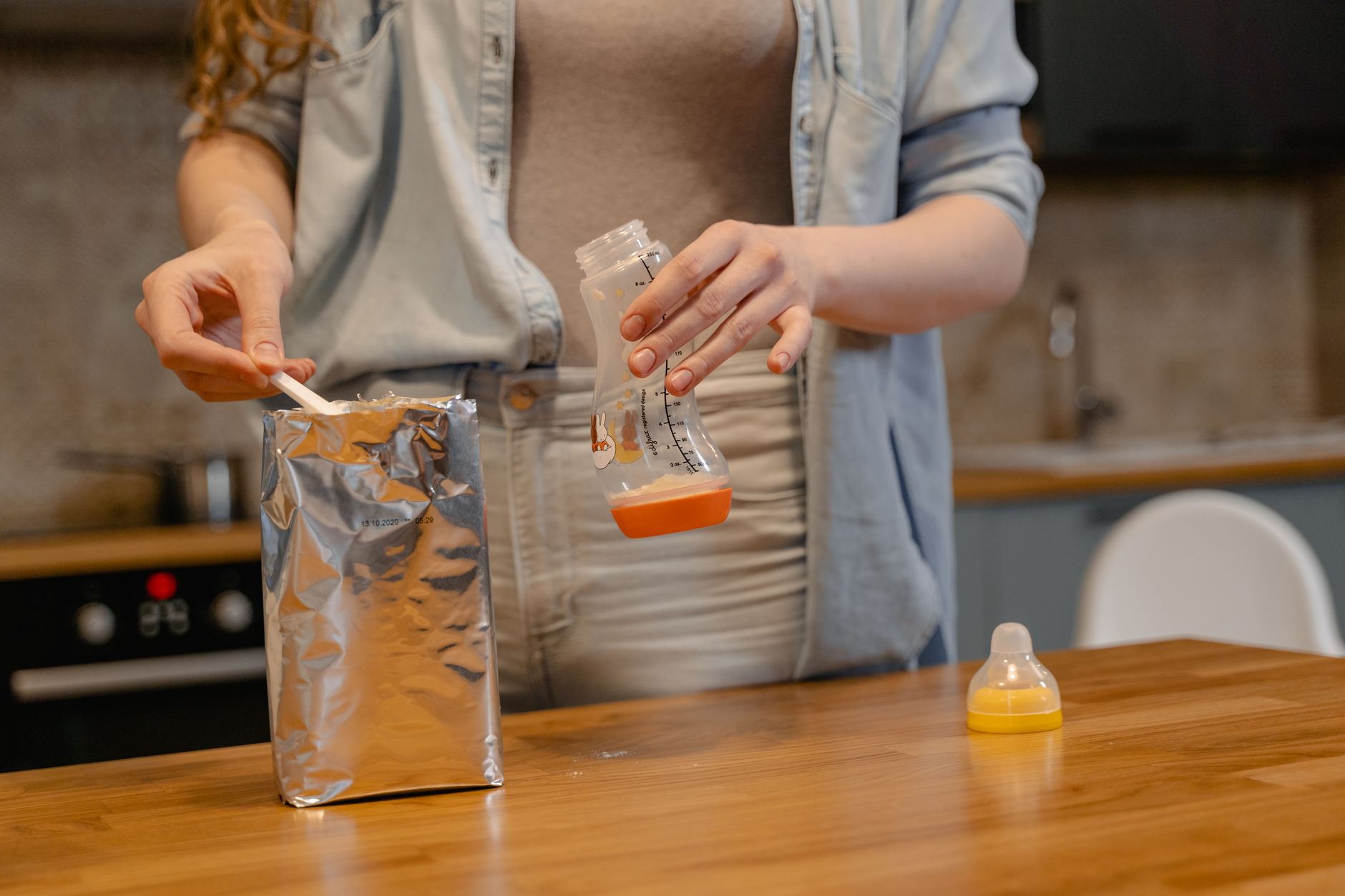
Estimating milk volume when pumping
Many mothers wonder how the amount they pump relates to what the baby actually receives. While pumping can be a useful supplement, it rarely mirrors the exact volume a baby extracts at the breast because suck patterns differ.
To get a realistic estimate, pump after a feeding session when your breasts are partially emptied. Record the total volume from both breasts; this “post‑feed pump” often reflects the residual milk that the infant might have left behind. If the combined volume is consistently under 30 ml, consider adding a short pumping session before the next nursing bout to boost supply.
The ACOG Committee Opinion on lactation (2020) recommends that mothers who rely on pumping keep a log of both expressed volumes and nursing durations. This dual‑tracking helps identify any gaps between expressed and transferred milk.
When using a breast pump, ensure the flange size fits correctly; an ill‑fitting flange can reduce output and cause nipple pain, both of which can indirectly affect the baby’s intake.
Feeding multiples: How much breastmilk do twins need?
Feeding twins adds a layer of logistics, but the fundamental principles remain the same. Each infant still needs roughly 1‑2 oz per feed in the first two weeks, but you’ll likely be nursing each baby more often to keep up with the combined demand.
Many families find a “double‑nurse” schedule helpful: feed one baby on the left breast, then immediately switch to the right breast for the second baby. This approach maximizes milk removal and stimulates production. Expect a total daily intake of 32‑48 oz (960‑1,440 ml) for two newborns, though individual variation is common.
The NHS advises parents of multiples to seek lactation support early, as the increased demand can strain supply. A professional can suggest techniques such as tandem nursing, supplemental pumping, or using a breast pump to maintain adequate output for both infants (NHS 2023).
Some mothers also find success with a “pump‑and‑feed” routine, where one breast is expressed after each nursing session to ensure both babies receive enough milk while preserving supply.
Maternal diet, hydration, and their impact on newborn milk volume
While breastmilk composition is remarkably stable, maternal nutrition does influence supply and infant satisfaction. A well‑balanced diet rich in protein, healthy fats, and complex carbohydrates supports the energy‑intensive process of milk production.
Staying hydrated is equally important. The Institute of Medicine recommends that lactating women consume about 3.0 L (≈13 cups) of fluids daily. Dehydration can reduce let‑down reflexes and overall output.
Some nutrients—like DHA (found in fatty fish) and vitamin D—are present in higher concentrations in breastmilk when a mother’s dietary intake is adequate. However, there is no evidence that specific foods dramatically increase volume; rather, overall caloric adequacy is the key driver.
When in doubt, the Academy of Nutrition and Dietetics suggests a daily intake of 2,500‑2,800 kcal for most breastfeeding mothers, adjusted for activity level and individual metabolism (AND 2021).
Women following vegetarian or vegan diets should pay special attention to vitamin B12, iron, and omega‑3 fatty acids, as these can indirectly affect milk quality and quantity. A prenatal‑grade multivitamin often fills any gaps.
Myth vs. fact
Myth: Newborns need a set number of ounces at each feeding.
Fact: Volume varies widely; the key is steady weight gain and adequate diapers.
Myth: Breastfed babies will always drink more than formula‑fed babies.
Fact: Both groups consume similar daily totals; the difference lies in composition, not quantity.
Myth: You must follow a strict feeding schedule to ensure growth.
Fact: On‑demand feeding supports both supply and infant satisfaction and is recommended by the AAP.
Key takeaways
- Newborns typically drink 1‑2 oz per feed, totaling 16‑24 oz daily in the first two weeks.
- Feed 8‑12 times / day; night feeds are essential for supply.
- Watch weight gain, wet diapers, and stool patterns to confirm adequate intake.
- Preterm infants need smaller, more frequent feeds and may require expressed breastmilk.
- If intake seems low, increase frequency, practice skin‑to‑skin, and consider lactation support.
- Track feeds with a simple log, diaper count, and periodic weight checks.
- Maternal nutrition and hydration underpin a healthy milk supply.
- Twins double the demand; tandem nursing and early lactation help.
- When supplementing with formula, keep the amount modest to protect supply.
- Jaundiced newborns benefit from frequent, adequate feeds to aid bilirubin clearance.
Frequently asked questions
How much breastmilk should a newborn drink per feeding?
Most newborns take 1‑2 oz (30‑60 ml) per feed in the first two weeks, gradually increasing to 2‑3 oz by week 3. The exact amount varies with weight and feeding efficiency.
What are the signs that my baby is getting enough breastmilk?
Steady weight gain (5‑7 oz per week), at least six wet diapers daily, creamy‑yellow stools, and a calm demeanor after feeds indicate adequate intake.
How many times a day should I breastfeed a newborn?
Aim for 8‑12 nursing sessions in 24 hours—roughly every 2‑3 hours—including nighttime feeds.
Do newborns need to be fed on a schedule?
No strict schedule is required. Feeding on demand, responding to hunger cues, best supports milk supply and infant growth.
Can a newborn get enough calories from breastmilk alone?
Yes. When a baby receives the typical 16‑32 oz of breastmilk per day, they meet all caloric and nutritional needs, provided weight gain is appropriate.
What should I do if my baby isn’t gaining weight?
First, check latch and feeding frequency. Increase nursing sessions, ensure skin‑to‑skin contact, and consider a lactation consultant. If weight still stalls, contact your pediatrician for evaluation.
How can I boost my milk supply if my baby seems hungry?
Try more frequent feeds, especially at night, add short pumping sessions after nursing, stay hydrated, and maintain a balanced diet rich in whole grains, lean protein, and healthy fats.
Is it normal for twins to need twice the amount of breastmilk?
Yes. Each twin generally needs 1‑2 oz per feed, so combined daily intake can reach 32‑48 oz. Tandem nursing and early lactation support help meet this demand.
Does my diet really affect how much milk I produce?
Overall caloric intake and proper hydration are the biggest factors. Specific foods won’t dramatically increase volume, but a nutrient‑dense diet supports sustained production.
Can I use a bottle to supplement breastmilk without harming my supply?
Yes—if you introduce a bottle after a nursing session and keep the amount modest (1‑2 oz), most mothers maintain supply. The key is to continue frequent breastfeeds to stimulate production.
What is the normal range of breastmilk output per day for a newborn?
Most newborns produce between 16‑32 oz (480‑960 ml) per day during the first month. This range accommodates variations in birth weight, feeding efficiency, and growth spurts.
When to see a doctor or specialist
If you notice any of the following, call your pediatrician or a lactation specialist promptly:
- Weight loss of more than 5 % after the first week.
- Fewer than six wet diapers in 24 hours after day 3.
- Persistent fussiness despite frequent feeds.
- Breast pain, cracked nipples, or signs of mastitis.
- Any concern about preterm infant’s feeding volume or growth trajectory.
- Sudden drop in milk output that doesn’t improve with increased nursing.
These signs may indicate inadequate intake, dehydration, or an underlying medical issue that warrants professional assessment. A pediatrician can evaluate growth charts, while a lactation consultant can troubleshoot latch and supply concerns.
References
- American Academy of Pediatrics. Breastfeeding and the Use of Human Milk. 2012.
- American College of Obstetricians and Gynecologists. Committee Opinion No. 797: Breastfeeding. 2020.
- World Health Organization. Infant and Young Child Feeding: Guideline. 2021.
- Academy of Nutrition and Dietetics. Nutrition for Infants and Toddlers. 2020.
- Centers for Disease Control and Prevention. How Much Milk Your Baby Needs. 2022.
- National Institute of Child Health and Human Development. Preterm Infant Feeding Guidelines. 2021.
- Food and Drug Administration. Infant Formula: Guidance for Industry. 2022.
- National Institute of Diabetes and Digestive and Kidney Diseases. Lactation and Milk Supply. 2021.
- National Health Service (UK). Breastfeeding Support for Parents of Twins. 2023.
- Institute of Medicine. Dietary Reference Intakes for Water. 2005.

