
Quick answer: Generally safe

Ham hock can be safe in pregnancy when it’s fully cooked and consumed moderately. This evidence-based guide explores sodium, fat, food safety, and comforting ways to enjoy it responsibly, with expert storage, reheating, and portion guidance.

Source: BumpBites — pregnancy food-safety guide. Always consult your doctor.

On this page

Ham Hock in Pregnancy — Safety, Sodium, Cooking Temperatures & Comfort Swaps

Ham hock can be safe in pregnancy when it’s fully cooked and consumed moderately. This evidence-based guide explores sodium, fat, food safety, and comforting ways to enjoy it responsibly, with expert storage, reheating, and portion guidance.

Shubhra Mishra

By Shubhra Mishra — a mom of two who turned her own confusion during pregnancy into BumpBites, a global mission to make food choices clear, safe, and stress-free for every expecting mother. 💛

Are you a qualified maternal-health or nutrition expert? Join our reviewer circle.

Wondering about another food?

Check whether any food is safe during pregnancy with the BumpBites Food Safety Checker.

Download the Complete Pregnancy Food Guide (10,000 Foods) 📘

Instant PDF download • No spam • Trusted by thousands of moms

💡 Your email is 100% safe — no spam ever.

Slow-cooked ham hock with vegetables and herbs in a rustic bowl
Ham hock can be pregnancy-safe when it’s thoroughly cooked, stored correctly, and eaten in small portions. [2] [5]

Ham Hock in Pregnancy — Comfort Food Meets Safety Science

The smell of a simmering ham hock stew is pure nostalgia — warm kitchens, family dinners, slow comfort. When you’re expecting, though, questions rise with the steam: Is it safe? How salty is too salty? Do I need to avoid smoked or cured versions? The good news: you don’t have to give up hearty comfort foods. With a few tweaks — proper cooking, mindful portions, smart pairings — ham hock can still belong on your pregnancy plate. [1] [3]

Quick Take (TL;DR)

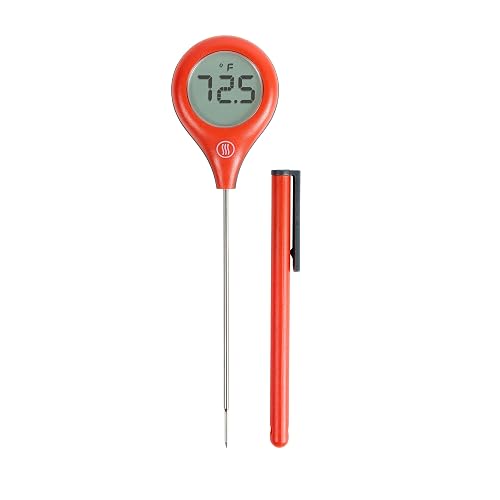
  • Cook thoroughly: 74 °C / 165 °F internal temperature kills Listeria & Toxoplasma. [5]
  • Eat hot — not cold-cut style. Reheat leftovers until steaming. [2]
  • Moderate sodium: cured meats are brined; balance with vegetables and water. [6]
  • Small portions: use as flavour base, not main protein.
  • Store safe: refrigerate ≤ 4 °C / 40 °F; use within 3 days. [4]

What Exactly Is Ham Hock?

A ham hock is the joint between a pig’s leg and foot — a collagen-rich cut that becomes meltingly tender when slow-cooked. Traditionally, it’s cured or smoked for flavour, then used to deepen soups, beans, or greens. Safety depends entirely on how it’s processed and cooked. Raw or lightly cured hocks need full heat; ready-to-eat smoked ones must still be reheated piping hot. [1]

Cooked ham hocks cooling on a tray with thermometer showing 4°C storage
Keep cooked ham hock below 4 °C / 40 °F, and reheat leftovers to ≥ 74 °C / 165 °F before eating. [4] [5]

Safety Science — Why Temperature Matters

Listeria monocytogenes can survive in refrigerated, cured meats. During pregnancy, infection risk is higher and consequences are severe. The fix is simple: heat kills Listeria. Cook until juices run clear, fat renders, and a food thermometer reads 74 °C / 165 °F. Reheat leftovers to the same level before serving. [2] [5]

  • Discard any meat left out > 2 hours. [4]
  • Use clean utensils & surfaces — no cross-contamination. [4]
  • Freeze portions if not eating within 3 days.

Nutrition Snapshot — Rich but Manageable

A 100 g portion of cooked ham hock provides ≈ 260 kcal, ≈ 25 g protein, but also ≈ 1,200 mg sodium and significant saturated fat. That doesn’t make it forbidden — just a reason to keep portions small and pair with fibre. [6]

Nutrient (per 100 g)Approx.Pregnancy Impact
Calories≈ 260 kcalEnergy dense — limit extras.
Protein≈ 25 gSupports fetal growth.
Fat (sat.)≈ 20 g (≈ 7 g sat.)High — portion control = key.
Sodium≈ 1,200 mgHigh; watch BP & fluid retention.
Iron & ZincSmall boostHelps anemia prevention.
Bowl of lentil and vegetable soup garnished with shredded ham hock
Use ham hock as a flavour accent — think soups & stews with beans and greens rather than a main meat. [6]

Portion & Balance — Savour Without Overdoing

A palm-sized (≈ 60 g cooked) portion delivers flavour without excess salt. Combine with high-potassium foods — sweet potatoes, greens, beans — to balance electrolytes. Turn it into a background note, not the headline. [6]

Trimester-Wise Tips

1st Trimester

Avoid cold cured meats; heat everything thoroughly. Keep portions light if nausea is present. [3]

2nd Trimester

Use as flavour in soups & stews rich in fibre and folate. Hydrate well to offset salt. [6]

3rd Trimester

Keep portions small to prevent reflux; add fresh greens and citrus to help iron absorption. [6]

Myths & Facts

  • Myth: “All ham is unsafe in pregnancy.”
    Fact: Only cold or undercooked ham is risky. Cooked ham hock is safe and nutritious. [2]
  • Myth: “Smoking makes it sterile.”
    Fact: Smoking adds flavour, not sterilization. Heat still required. [1]
  • Myth: “Low-fat means unlimited.”
    Fact: Even leaner cuts carry salt; moderation matters. [6]

Safer Swaps & Comfort Alternatives

  • Smoked turkey leg: Similar depth with less fat. [6]
  • Lean pork shoulder: Trim fat and slow-cook with herbs. [5]
  • Plant-based lentil stew: High fibre comfort alternative. [6]

Pregnancy FAQ — Ham Hock

Is ham hock safe during pregnancy?

Yes—when thoroughly cooked to at least 74 °C / 165 °F and eaten hot. Avoid cold or undercooked cured versions. [2] [5]

Can I eat smoked or cured ham hock?

Yes if heated until steaming hot; avoid raw or cold-cured varieties straight from the pack. [3]

Why is sodium in ham hock a concern?

Ham hock is heavily brined; excess sodium can worsen swelling or blood pressure in pregnancy. Balance it with fresh vegetables and hydration. [6]

What’s the safest way to store and reheat ham hock?

Refrigerate within 2 hours of cooking, store below 4 °C / 40 °F, and reheat leftovers to at least 74 °C / 165 °F. [4] [5]

Are there healthier or lighter alternatives?

Yes—use lean pork shoulder, smoked turkey leg, or plant-based lentil stews for similar flavour with less sodium and fat. [6]

References & Acknowledgements

Evidence based on FDA, CDC, NHS, WHO, USDA and Mayo Clinic guidelines on meat handling, Listeria prevention, cooking temperatures and balanced pregnancy nutrition. [1] [2] [3] [4] [5] [6]

🥗 Nutrition Facts

sugar0 g
limit Per Day100g
carbohydrates≈ 0 g
noteEnergy-dense and salty; use small portions, pair with fibre-rich sides and water. [[ref:mayo-pregnancy-nutrition]]
sodium≈ 1,200 mg
quantityPer 100 g cooked ham hock
fats≈ 20 g (≈ 7 g saturated)
protein≈ 25 g
calories≈ 260 kcal
Shubhra Mishra

About the Author

When Shubhra Mishra was expecting her first child in 2016, she was overwhelmed by conflicting food advice — one site said yes, another said never. By the time her second baby arrived in 2019, she realized millions of mothers face the same confusion.

That sparked a five-year journey through clinical nutrition papers, cultural diets, and expert conversations — all leading to BumpBites: a calm, compassionate space where science meets everyday motherhood.

Her long-term vision is to build a global community ensuring safe, supported, and free deliveriesfor every mother — because no woman should face pregnancy alone or uninformed. 🌿

🌍 Stand with mothers, shape safer guidance

Join a small circle of experts who review BumpBites articles so expecting parents everywhere can decide with confidence.

References
  1. FDA — Food Safety During Pregnancy (meat, leftovers, reheating guidance) https://www.fda.gov/food/consumers/food-safety-during-pregnancy
  2. CDC — Preventing Listeria Infection (cook thoroughly, avoid cold cured meats) https://www.cdc.gov/listeria/prevention/index.html
  3. NHS — Foods to avoid in pregnancy (cold cured meats, safe reheating) https://www.nhs.uk/pregnancy/keeping-well/foods-to-avoid/
  4. WHO — Five Keys to Safer Food (clean, separate, cook, chill, safe water) https://www.who.int/publications/i/item/9789241594639
  5. USDA FSIS — Safe Minimum Internal Temperatures for Meats (74 °C / 165 °F for leftovers) https://www.fsis.usda.gov/food-safety/safe-food-handling-and-preparation/meat/minimum-internal-temperatures
  6. Mayo Clinic — Pregnancy nutrition basics (protein, fat, sodium moderation) https://www.mayoclinic.org/healthy-lifestyle/pregnancy-week-by-week/in-depth/pregnancy-nutrition/art-20043844

⚠️ Always consult your doctor for medical advice. This content is informational only.