

Quick answer: Generally safe

Is gulasch safe during pregnancy? Learn slow-cooking safety, beef temperatures, paprika rules, leftovers, myths, cultural depth, and trimester-specific guidelines.

Source: BumpBites — pregnancy food-safety guide. Always consult your doctor.

On this page

Can Pregnant Women Eat Gulasch? (Hungarian Beef Stew Safety Guide)

Is gulasch safe during pregnancy? Learn slow-cooking safety, beef temperatures, paprika rules, leftovers, myths, cultural depth, and trimester-specific guidelines.

Shubhra Mishra

By Shubhra Mishra — a mom of two who turned her own confusion during pregnancy into BumpBites, a global mission to make food choices clear, safe, and stress-free for every expecting mother. 💛

Are you a qualified maternal-health or nutrition expert? Join our reviewer circle.

Wondering about another food?

Check whether any food is safe during pregnancy with the BumpBites Food Safety Checker.

Download the Complete Pregnancy Food Guide (10,000 Foods) 📘

Instant PDF download • No spam • Trusted by thousands of moms

💡 Your email is 100% safe — no spam ever.

Hungarian gulasch served in a rustic pot
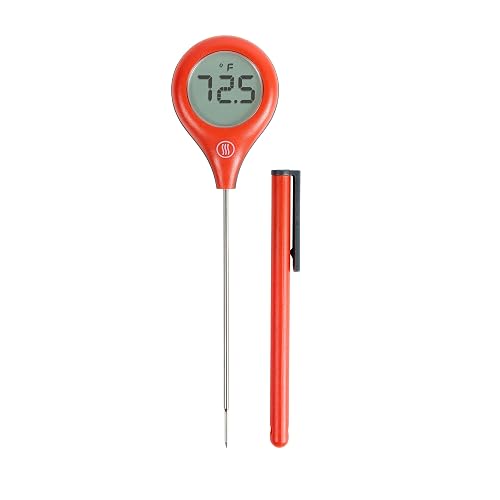
Gulasch is safe in pregnancy when beef is fully cooked (≥ 160°F / 71°C) and leftovers are handled properly. [1]

Is Gulasch Safe During Pregnancy? Beef, Paprika & Slow-Cooking Safety Explained

Gulasch (or goulash) is one of Central Europe’s most iconic comfort foods — a hearty Hungarian beef stew simmered with onions, paprika, broth, and slow-cooked tenderness. It's served in Hungary, Austria, Germany, Czechia, and now worldwide.

Naturally, pregnant women ask: “Can I eat gulasch while pregnant?”

The simple answer: Yes — gulasch is pregnancy-safe when the beef is fully cooked and the stew is freshly prepared.

Pregnancy Safety Score

  • Well-cooked gulasch: 9 / 10
  • Restaurant buffet gulasch: 6 / 10 (hot-holding risks)
  • Old leftovers: 3 / 10

Quick Answer (Safe or Not?)

  • ✔ Safe when beef is cooked to 160°F / 71°C. [1]
  • ✔ Paprika and dried spices are pregnancy-safe. [3]
  • ✔ Store leftovers within 2 hours. [2]
  • ✔ Avoid stale or reheated multiple-times stew.
  • ✔ Low-risk, high-iron meal for pregnancy.

Cultural Background: Hungary’s National Dish

Gulasch has deep roots in Hungarian shepherd culture (“gulyás” literally means cattle-herder). Today:

  • Hungary: Soup-like gulyás with paprika + caraway.
  • Austria/Germany: Thicker gulasch with onions + red pepper.
  • Czech Republic: Often eaten with bread dumplings.

Its long simmering time naturally makes it safer for pregnancy than quick-cooked meat dishes.

Microbiology: What Are the Actual Risks?

The main concerns for pregnancy:

  • Under-cooked beef → E. coli, Salmonella [1]
  • Improper leftovers → Listeria overgrowth [2]
  • Hot-holding at restaurants → bacterial survival

The good news? Slow-cooked gulasch normally reaches safe temperatures and stays hot.

Storage & Leftover Rules

Beef stews spoil faster because they contain protein and moisture. Follow these rules: [2]

  • Refrigerate within 2 hours.
  • Store in airtight containers.
  • Consume in 3–4 days.
  • Reheat until steaming hot (≥165°F / 74°C).
  • Do NOT reheat more than once.
Gulasch stored in airtight refrigerated containers
Refrigerate gulasch within 2 hours to prevent bacterial growth. [2]

Trimester-Wise Guide

  • 1st Trimester: Great source of iron; avoid fatty versions if nauseous.
  • 2nd Trimester: Ideal meal — high-protein + slow-cooked.
  • 3rd Trimester: Choose mild paprika if heartburn increases.

Common Myths About Gulasch in Pregnancy

  • “Paprika is unsafe.” — False. Dried spices are safe. [3]
  • “Wine makes it unsafe.” — Alcohol evaporates during long simmering.
  • “Stew can stay warm for hours.” — Unsafe; bacteria multiply fast.
Gulasch served with bread dumplings
Pair gulasch with vegetables or whole grains for balanced nutrition.

How Much Is Safe?

  • 1 bowl (250–350g) is perfect.
  • Ensure the stew is very hot.
  • Avoid overeating if prone to acidity.

FAQ

Is gulasch safe during pregnancy?

Yes — when beef is cooked to at least 160°F (71°C) and the stew simmers long enough to become fully tender and hot throughout. [1]

Can pregnant women eat spicy paprika-based gulasch?

Yes — paprika is safe, but if you have reflux or heartburn, choose milder versions. [3]

Are restaurant gulasch leftovers safe?

Only if refrigerated within 2 hours and reheated until steaming hot. Avoid eating gulasch kept warm for long periods. [2]

Can I eat gulasch in the first trimester?

Yes — it’s gentle and slow-cooked. If you have nausea, avoid very greasy versions.

Does gulasch contain alcohol?

Some recipes use wine. It becomes safe as long as the stew simmers long enough for alcohol to evaporate.

What about gulasch with sour cream?

Safe if the sour cream is pasteurized. Most store-bought brands are. Add it hot, not raw or sitting out long.

Can I freeze gulasch?

Yes — freezes well for up to 3 months. Thaw in fridge and reheat fully. [2]

References

  • [1] — USDA safe beef temperatures
  • [2] — CDC leftovers & reheating safety
  • [3] — FDA dried spice safety

🥗 Nutrition Facts

quantity1 bowl
sugar5 g
limit Per Day1 bowl
carbohydrates≈ 10–20 g
noteGreat for meeting pregnancy iron needs.
fats≈ 15–25 g
protein≈ 25 g
ironHigh
calories≈ 300–450
Shubhra Mishra

About the Author

When Shubhra Mishra was expecting her first child in 2016, she was overwhelmed by conflicting food advice — one site said yes, another said never. By the time her second baby arrived in 2019, she realized millions of mothers face the same confusion.

That sparked a five-year journey through clinical nutrition papers, cultural diets, and expert conversations — all leading to BumpBites: a calm, compassionate space where science meets everyday motherhood.

Her long-term vision is to build a global community ensuring safe, supported, and free deliveriesfor every mother — because no woman should face pregnancy alone or uninformed. 🌿

🌍 Stand with mothers, shape safer guidance

Join a small circle of experts who review BumpBites articles so expecting parents everywhere can decide with confidence.

References
  1. USDA — Safe Beef Internal Temperatures (160°F / 71°C) https://www.fsis.usda.gov/food-safety
  2. CDC — Safe Storage & Reheating of Cooked Dishes https://www.cdc.gov/foodsafety
  3. FDA — Safety of Dried Spices & Paprika https://www.fda.gov/food

⚠️ Always consult your doctor for medical advice. This content is informational only.