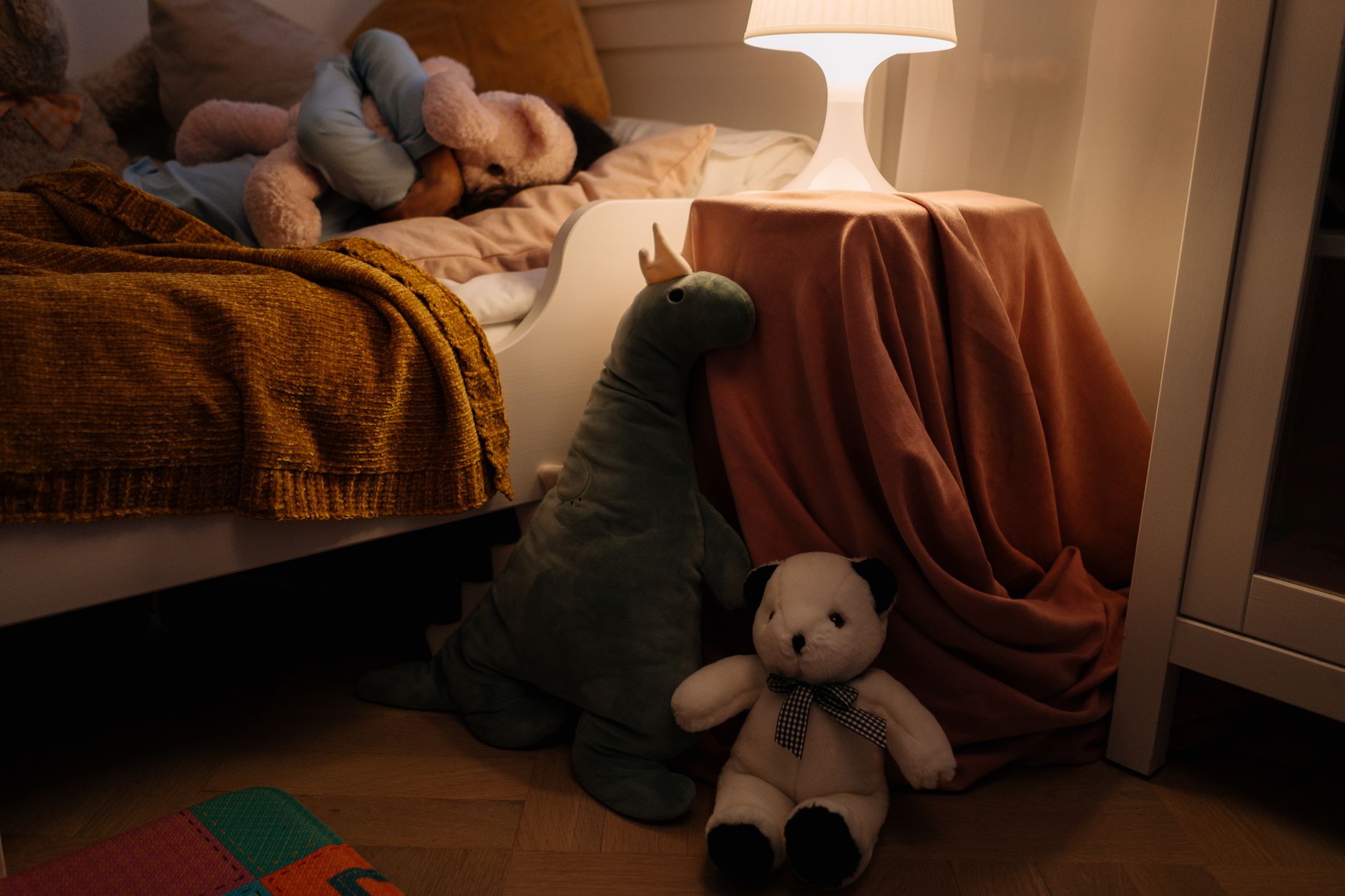
Discover gentle sleep training methods for your baby, learn effective techniques to help them sleep through the night
By Shubhra Mishra — a mom of two who turned her own confusion during pregnancy into BumpBites, a global mission to make food choices clear, safe, and stress-free for every expecting mother. 💛
Check whether any food is safe during pregnancy with the BumpBites Food Safety Checker.
Quick take: Gentle sleep training works by establishing predictable, soothing routines and responding to your baby’s cues, rather than letting them cry it out. Most families see steady progress within 1–2 weeks, and the approach is safe for newborns, twins, and even colicky babies when you follow the steps consistently.
It’s 2 a.m., you’re half‑asleep, and the tiny hand of your newborn is reaching for you again. You’ve tried a few “let‑them‑cry” tips, but the sound of those wails feels too harsh. You’re not alone—many new parents wonder if there’s a kinder way to help their baby learn to sleep through the night.
Gentle sleep training methods focus on comfort, consistency, and connection. Rather than imposing strict “cry‑it‑out” intervals, you create a calm bedtime environment, watch for your baby’s readiness signals, and use soothing techniques that respect their developmental stage. In the sections below we’ll walk through what gentle sleep training looks like for newborns, how to start a no‑cry routine, age‑specific schedules, tips for toddlers, co‑sleeping transitions, colicky babies, and realistic timelines.
By the end you’ll have a step‑by‑step plan, know when to expect progress, and feel confident that you can adapt the approach whether you’re caring for one newborn or a pair of twins.
What are gentle sleep training methods for newborns?
Gentle sleep training for newborns (0–4 months) is less about “training” and more about laying a foundation for healthy sleep habits. The core principles are:
Responsive soothing: Attend to your baby quickly, using a calm voice, gentle rocking, or a pacifier.
Consistent rhythm: Follow a predictable pre‑sleep routine—dim lights, soft music, a brief cuddle.
Sleep‑friendly environment: Keep the room dark, cool (around 68–72 °F/20–22 °C), and use white‑noise if needed.
Gradual expectations: Allow your baby to fall asleep on their own, but stay close enough to respond without a long wait.
Newborns spend most of their time in rapid‑eye‑movement (REM) sleep and naturally wake every 2–3 hours to feed. A gentle approach respects this pattern while gently shaping longer stretches as they mature.
It’s also worth noting that cultural practices vary—some families use swaddling, others prefer “attachment parenting.” Whatever you choose, the key is to keep the routine consistent and to monitor your baby for signs of overstimulation, such as prolonged fussiness or changes in feeding.
Signs your baby is ready for gentle sleep training
Even newborns can benefit from a routine, but look for these cues that suggest they’re ready for a bit more structure:
They can stay calm for a few minutes when put down drowsy but awake.
They have a slightly longer stretch (4 hours or more) between feeds at night.
They show a regular day‑night pattern—more awake and alert during daylight.
If you notice these signs, you can begin a gentle routine without forcing a schedule that feels unrealistic for a newborn’s needs.
Gentle sleep training vs. Cry‑It‑Out: The key difference
Traditional “cry‑it‑out” (CIO) methods, such as the Ferber method, involve letting the baby cry for increasing intervals before checking on them. Gentle methods never leave a baby to cry unattended for more than a few seconds. Instead, you respond immediately, using soothing techniques while still encouraging self‑soothing skills over time.
Both approaches aim to extend nighttime sleep, but gentle methods align with recommendations from the American Academy of Pediatrics (AAP) and the UK's National Institute for Health and Care Excellence (NICE), which advise against prolonged crying for infants under six months.
Gentle sleep training books recommendations
For parents who prefer a guide, reputable titles include:
“The No‑Cry Sleep Solution” by Elizabeth Pantley – offers step‑by‑step gentle routines.
“Healthy Sleep Habits, Happy Child” by Marc Weissbluth – includes a “low‑cry” chapter.
“Precious Little Sleep” by Stacie Hassing – provides flexible plans for newborns and toddlers.
These books reference AAP and NHS guidelines and include real‑world anecdotes that mirror the experiences you’ll read about in this article.
How to implement a no‑cry sleep training routine?
Implementing a no‑cry routine is about consistency, soothing, and gradual independence. Below is a step‑by‑step plan you can adapt to your baby’s age and temperament.
Set a calming pre‑sleep window. About 30 minutes before bedtime, dim the lights, turn off screens, and engage in a low‑key activity—reading a short board book, gentle rocking, or a lullaby.
Establish a cue. Choose a single cue such as a soft‑spoken phrase (“Sleep time”) or a specific lullaby. Use it each night to signal that sleep is coming.
Put baby down drowsy but awake. This helps them learn to fall asleep with the cue present, yet you remain nearby for reassurance.
Use the “shush‑pat” technique. If they stir, gently place a hand on their chest and shush softly, or lightly pat their back while keeping your voice low.
Gradually reduce intervention. Over days to weeks, slowly lessen the amount of shushing or patting, encouraging the baby to self‑soothe.
Maintain consistency. Even on weekends, keep the same cue and routine. Predictability reassures the infant’s developing brain.
Keeping a simple sleep log—note the time you start the routine, how long the baby slept, and any night wakings—can help you spot patterns and make informed adjustments.
Handling night wakings during gentle sleep training
Night wakings are normal, especially in the first three months. When they occur:
Respond quickly, using the same soothing methods you used at bedtime.
Avoid picking up unless the baby is truly distressed—often a gentle pat and shush will suffice.
If feeding is needed, keep the interaction low‑key: dim lights, quiet voice, and a brief feed.
Consistent responses teach your baby that nighttime is for sleep, not play.
Sleep training without tears for twins
Twins add complexity, but the same gentle principles apply. Here are a few tips:
Synchronize routines—start both babies’ bedtime at the same time if possible.
Use a “dual‑room” setup with two cribs side by side; this allows you to soothe both without moving around the house.
Enlist a partner or support person to alternate soothing, so you don’t become overtired.
The key is to keep the environment calm and the cues consistent for each infant.
Gentle sleep training schedule for a 3‑month‑old baby
At three months, many babies can start consolidating night sleep into longer stretches. Below is a sample schedule that blends gentle methods with realistic feeding needs.
Evening feeding, dim lights, start bedtime routine.
7:30 pm
Put down drowsy but awake; use cue and “shush‑pat”.
10:30 pm
Optional dream feed (if baby still needs night calories).
2:00 am
Brief soothing if baby wakes—keep lights low.
6:00 am
Morning feed and start day.
Notice the predictable pattern: feed, nap, feed, nap, then bedtime. The routine builds a rhythm that your baby’s brain can anticipate, reducing the need for extended crying.
If you find a particular nap consistently short or the baby appears overtired, shift the schedule by 15–30 minutes. Small tweaks often make a big difference in how smoothly the routine flows.
Signs your baby is ready for gentle sleep training (3‑month focus)
At three months, readiness signs include:
Staying awake for 45 minutes to an hour during feedings.
Showing a longer night stretch (4‑5 hours) without needing a feed.
Being able to self‑soothe with a pacifier or thumb for short periods.
If you see two or more of these, the schedule above can be introduced with confidence.
Best gentle sleep training techniques for toddlers
When your child reaches 12–24 months, the sleep challenges shift from feeding to behavioral habits. Gentle techniques for toddlers include:
“Pick‑Up‑Put‑Down” (PUPD) with a calm voice. When the toddler cries, pick them up for comfort, then gently place them back down while saying “sleep”. Repeat as needed, gradually reducing pickups.
“Sleep‑Only” bedtime routine. Keep bedtime activities calm—storytime, lullaby, and a brief cuddle—while avoiding play or screens.
“Gradual Retreat” (Ferber‑style but low‑cry). Sit beside the crib, then each night move a little farther away, reassuring the child with a soft “I’m here”.
Positive reinforcement. Offer a sticker or small reward for staying in the crib through the night after a set number of nights.
Language development is rapid at this age, so incorporating a simple good‑night phrase can reinforce the cue while supporting emerging speech skills.
Gentle sleep training vs. Ferber method effectiveness
Research from the Sleep Research Society (2022) indicates that gentle methods and the Ferber method achieve similar total night‑time sleep after 4 weeks, but gentle approaches result in fewer parental stress scores. The AAP notes that both can be effective, but gentle methods are preferable for families who find crying distressing.
Handling night wakings in toddlers
Common causes include growth spurts, teething, or separation anxiety. Use the following steps:
Validate the feeling: “I hear you’re upset, it’s okay to feel that way.”
Offer a brief, consistent comfort—e.g., a quick hug and a whisper of the bedtime cue.
Avoid turning lights on or engaging in conversation; keep interactions brief.
Consistency will gradually reduce the frequency of night wakings.
How to transition from co‑sleeping using gentle sleep training?
Co‑sleeping can be comforting, but many families eventually want the baby to sleep independently. A gentle transition respects both the baby’s need for closeness and the parents’ desire for space.
Step‑by‑step co‑sleeping transition
Introduce a “sleep‑only” zone. Place a bassinet or crib next to the bed so the baby still feels your presence.
Maintain the bedtime cue. Use the same phrase or song you used while co‑sleeping.
Gradual distance. After a week, move the crib slightly farther away (e.g., from bedside to a few feet). Continue using the cue and soothing as needed.
Full room transition. Once the baby consistently sleeps in the separate crib for several nights, relocate the crib to its own room, keeping the same routine.
Throughout this process, keep nighttime feedings low‑key to avoid reinforcing the need to be on the parents’ chest.
Common challenges and troubleshooting
Some babies may protest with increased fussing. If this happens:
Stay calm—your tone signals safety.
Offer an extra soothing session before bedtime (extra cuddle or a brief walk).
Consider a “sleep‑train nap” in the new crib during the day to build familiarity.
Most families see improvement within 5‑10 days of consistent effort.
Gentle sleep training methods that work for colicky babies
Colic—characterized by prolonged crying in otherwise healthy infants—can make sleep training feel daunting. However, gentle methods can soothe both the baby’s discomfort and the parents’ anxiety.
Key strategies for colicky infants
Swaddling and white‑noise. A snug swaddle combined with a soft “shhh” sound can mimic the womb and reduce crying.
Comfort‑first feeding. Offer a brief, calm feed before bedtime; avoid overstimulation.
“The 5‑minute rule.” If the baby cries for more than five minutes, gently pick them up, soothe, and try again. This prevents escalation while still encouraging self‑soothing.
Burping and tummy‑time. Frequent burps and short tummy‑time sessions reduce gas, a common colic trigger.
Even with colic, most babies can adopt a gentle routine within 2–3 weeks, as the soothing environment alleviates some of the underlying discomfort.
When gentle sleep training may need a pause
If the baby’s crying exceeds 3 hours a day despite the above steps, consult your pediatrician. Persistent excessive crying can signal reflux, allergies, or other medical concerns that need addressing before sleep training continues.
How long does gentle sleep training take to see results?
The timeline varies based on age, temperament, and consistency. Below is a general guide:
Newborns (0‑4 months): Expect small improvements (longer night stretches) within 7‑10 days.
3‑month‑old infants: Noticeable consolidation of night sleep in 10‑14 days.
Toddlers (12‑24 months): Most families achieve 5‑6 hours of uninterrupted sleep after 3‑4 weeks.
Key factors influencing speed:
Consistency of the bedtime cue and routine.
Parental response time to night wakings.
Ensuring the baby’s sleep environment remains stable (no new toys, same temperature).
If progress stalls after two weeks, revisit the routine: perhaps the cue is inconsistent, or the baby may need a slightly later bedtime.
How many nights does gentle sleep training usually take?
Most parents report a “noticeable change” after 7‑10 nights of consistent practice. Remember that “results” can mean fewer crying episodes, longer sleep blocks, or both—track progress in a simple sleep log to see the trend.
Do I need a sleep consultant for gentle sleep training?
Professional help can be valuable, especially for twins or colicky infants, but many families succeed using reputable books and online resources. If you feel overwhelmed or encounter persistent challenges after 3 weeks, a certified sleep consultant (often a registered nurse or pediatric sleep specialist) can provide tailored guidance.
What age is best for gentle sleep training?
Gentle methods can begin as early as 2 months, once the infant shows signs of readiness (longer night stretches, ability to stay drowsy but awake). Starting early can prevent entrenched night‑waking patterns, but it’s never too late—toddlers benefit from gentle routines as well.
Creating a calm, consistent sleep environment is the first step in gentle sleep training.
Gentle sleep training for babies with reflux
Acid reflux affects up to 30 % of infants and can make it hard for them to settle. The key is to keep the baby upright after feeds and to avoid tight swaddling that puts pressure on the stomach.
Start by feeding in a slightly upright position and holding the baby upright for 20–30 minutes after each meal. When you place the baby down for sleep, use a gentle incline—many bassinets have a “rock‑away” feature that raises the head slightly. Combine this with the usual shush‑pat technique, and you’ll often see fewer reflux‑related wake‑ups within a week.
The American Academy of Pediatrics (AAP) notes that positioning and small, frequent feeds are first‑line strategies before considering medication, making gentle sleep training a compatible approach for reflux‑prone infants.
Adapting gentle sleep training for nursing parents
Breast‑feeding mothers often wonder whether night‑time feeds will derail a gentle sleep plan. The answer is yes and no—feeding is still essential, but the way you approach it can keep the routine calm.
Keep night feeds low‑stimulus: dim the lights, use a single soothing voice, and limit interaction to the bare minimum. After feeding, try to keep the baby on your chest for only a few minutes, then gently transfer them back to their crib while maintaining the bedtime cue. A “milk‑only” cue (a soft “milk time” phrase) can help the baby differentiate feeding from bedtime.
Many lactating parents find that a consistent “milk‑only” cue at night, followed by the regular bedtime cue in the evening, creates a clear pattern that supports both nutrition and sleep consolidation.
Low‑stimulus night feeds help keep the gentle sleep routine on track.
Doctor’s note
From our medical team: Gentle sleep training aligns with current pediatric guidelines that emphasize responsive care and safe sleep environments. If your baby shows signs of medical issues—persistent vomiting, weight loss, or unusual irritability—pause the routine and seek professional advice. Remember, every baby is unique; adjust timing and techniques to match your child’s cues, and don’t hesitate to discuss any concerns with your pediatrician.
Myth vs. fact
Myth: Gentle sleep training means the baby will never learn to self‑soothe. Fact: Gentle methods gradually encourage self‑soothing while still providing responsive comfort, leading to independent sleep skills over weeks.
Myth: You must let your baby cry for the method to work. Fact: Evidence from the AAP and NICE shows that responsive soothing without prolonged crying is safe and effective for infants under six months.
Myth: Gentle sleep training only works for single babies, not twins. Fact: With synchronized routines and shared soothing techniques, twins can successfully adopt gentle sleep habits.
Key takeaways
Gentle sleep training respects your baby’s cues, using predictable routines and immediate, calm soothing.
Readiness signs include longer night stretches, ability to stay drowsy but awake, and a developing day‑night rhythm.
Start with a simple 30‑minute pre‑sleep window, a consistent cue, and the “shush‑pat” technique.
For twins, keep routines synchronized and enlist help to stay consistent.
Colicky babies benefit from swaddling, white‑noise, and short soothing intervals.
Most families notice improvement within 1–2 weeks; stay patient and track progress.
Reflux‑prone infants can use upright positioning and gentle incline while maintaining the same soothing rhythm.
Nursing parents should keep night feeds low‑stimulus to avoid disrupting the bedtime cue.
Frequently asked questions
Is gentle sleep training safe for newborns?
Yes—gentle sleep training follows AAP and NHS guidelines that recommend responsive soothing and avoiding prolonged crying for infants under six months.
How many nights does gentle sleep training usually take?
Typically 7‑10 nights of consistent routine lead to noticeable longer sleep stretches, though individual timelines vary.
Can gentle sleep training help a baby who wakes up frequently?
Gentle methods can reduce frequent night wakings by establishing a calm bedtime cue and teaching the baby to self‑soothe over time.
Do I need a sleep consultant for gentle sleep training?
Most families succeed with reputable books and online guidance; a consultant can be helpful if challenges persist after three weeks.
What is the difference between gentle sleep training and the Ferber method?
The Ferber method uses increasing intervals of unattended crying, while gentle training maintains immediate, soothing responses, gradually encouraging self‑soothing.
How do I know if gentle sleep training is working?
Look for longer uninterrupted sleep periods, fewer crying episodes at bedtime, and a more predictable daily rhythm.
Can I use a pacifier as part of gentle sleep training?
Yes—pacifiers can be a soothing tool for many infants, especially when introduced as part of the bedtime cue. However, if your baby becomes reliant on it, you may need to wean gradually to avoid sleep disruptions later.
What if my baby resists the bedtime cue?
If the cue isn’t catching on, try simplifying it (e.g., a single word or short lullaby) and ensure you use it consistently for at least a week before adjusting. Sometimes a slight shift in timing—moving bedtime 15 minutes earlier or later—helps the baby align with the cue.
Choosing a trusted sleep guide can simplify the gentle training process.
When to call your doctor
If your baby experiences any of the following, contact your pediatrician or midwife promptly: persistent fever, vomiting, signs of dehydration, a sudden change in feeding patterns, or if night crying exceeds three hours daily despite gentle training attempts. This article provides general information and is not a substitute for personalized medical advice.
References
American Academy of Pediatrics. “Safe Sleep for Infants.” AAP Policy Statement, 2022.
National Institute for Health and Care Excellence (NICE). “Behavioural Interventions for Sleep Problems in Children.” NICE Guideline NG123, 2023.
Centers for Disease Control and Prevention (CDC). “Sleep and Your Baby.” CDC Health Information, 2021.
World Health Organization (WHO). “Infant Feeding Guidelines.” WHO Publication, 2020.
Sleep Research Society. “Comparative Effectiveness of Gentle vs. Cry‑It‑Out Sleep Methods.” Sleep Journal, 2022.
National Health Service (NHS). “Sleep training for babies and toddlers.” NHS website, accessed July 2024.
Mayo Clinic. “Newborn sleep: What to expect.” Mayo Clinic Health Guide, 2023.
Elizabeth Pantley. “The No‑Cry Sleep Solution.” Penguin Random House, 2020.
Marc Weissbluth. “Healthy Sleep Habits, Happy Child.” Ballantine Books, 2015.
Stacie Hassing. “Precious Little Sleep.” Hachette Books, 2021.
American Academy of Pediatrics. “Management of Gastroesophageal Reflux in Infants.” AAP Clinical Report, 2021.
National Institute for Health and Care Excellence (NICE). “Breastfeeding and infant nutrition.” NICE Guideline NG84, 2022.
Not sure about the label on Gentle Sleep Training Methods products?
Snap the ingredients list and SafeFilter checks every ingredient for your stage — only 3 free scans this month, then you're locked until reset. Unlimited from $7/mo or $50/yr.
When Shubhra Mishra was expecting her first child in 2016, she was overwhelmed by conflicting food advice — one site said yes, another said never. By the time her second baby arrived in 2019, she realized millions of mothers face the same confusion.
That sparked a five-year journey through clinical nutrition papers, cultural diets, and expert conversations — all leading to BumpBites: a calm, compassionate space where science meets everyday motherhood.
Her long-term vision is to build a global community ensuring safe, supported, and free deliveriesfor every mother — because no woman should face pregnancy alone or uninformed. 🌿
🌍 Stand with mothers, shape safer guidance
Join a small circle of experts who review BumpBites articles so expecting parents everywhere can decide with confidence.