Discover foods that decrease milk supply and learn how to maintain a healthy breast milk production with our expert guide on breastfeeding and nutrition.
By Shubhra Mishra — a mom of two who turned her own confusion during pregnancy into BumpBites, a global mission to make food choices clear, safe, and stress-free for every expecting mother. 💛
Check whether any food is safe during pregnancy with the BumpBites Food Safety Checker.
Quick take: Most common foods and drinks that lower breast‑milk supply are those that reduce fluid intake, limit calories, or contain herbs like sage and peppermint. In moderation they’re unlikely to shut down lactation, but frequent or large amounts can tip the balance. If you notice a drop, hydrate, boost calories, and consider lactation‑supportive foods while limiting the culprits.
It’s 2 a.m., you’re nursing your newborn, and a sudden “I’m not sure if I should have had that glass of wine” thought pops up. You reach for your phone, type “foods that decrease milk supply,” and hope for a clear answer before the next feeding. You’re not alone—many new parents worry whether a snack, a cup of coffee, or a herbal tea might be silently shrinking their milk stash.
Below we break down exactly which foods, herbs, and drinks are most often linked to lower milk production, explain why they matter, and give you practical steps to keep your supply steady. We’ll also compare them with foods that can actually boost lactation, so you get a complete picture of a breastfeeding‑friendly diet.
Which foods can reduce my breast milk production?
While every body is unique, research and lactation consultants consistently point to a handful of categories that can dampen milk output:
Very low‑calorie diets—eating under 1,800 kcal per day for a sustained period.
Dehydrating beverages—excessive caffeine or alcohol that replaces water.
Herbs with lactation‑inhibiting properties—sage, peppermint, parsley, and large amounts of garlic.
High‑fat, low‑nutrient foods—processed snacks that crowd out nutrient‑dense options.
The main mechanism is simple: milk is made from the water, calories, and nutrients you provide. When intake drops or certain compounds interfere with hormonal signals (like prolactin), the body conserves energy by producing less milk. For example, a study summarized by the American College of Obstetricians and Gynecologists (ACOG) notes that maternal calorie restriction below 2,200 kcal can reduce milk volume by up to 20 % in some women.
It’s also worth noting that occasional indulgences rarely cause a dramatic drop. The key is consistency—regularly substituting water with diuretics, or repeatedly following a restrictive diet, is what matters.
How to spot a diet‑related dip
If you notice any of the following, consider evaluating your food choices:
Frequent night‑time waking for feeds despite a full‑term baby.
Feeling unusually fatigued or light‑headed after nursing.
Weight loss exceeding 2 lb (0.9 kg) in a month while breastfeeding.
These signs often signal that your body isn’t getting enough fuel to keep up with milk synthesis.
Safe alternatives
Swap low‑calorie snacks for lactation‑supportive options like oatmeal, almonds, and leafy greens. Adding a glass of water or herbal tea (without sage) between feedings can also help maintain hydration without the risk of milk‑reducing compounds.
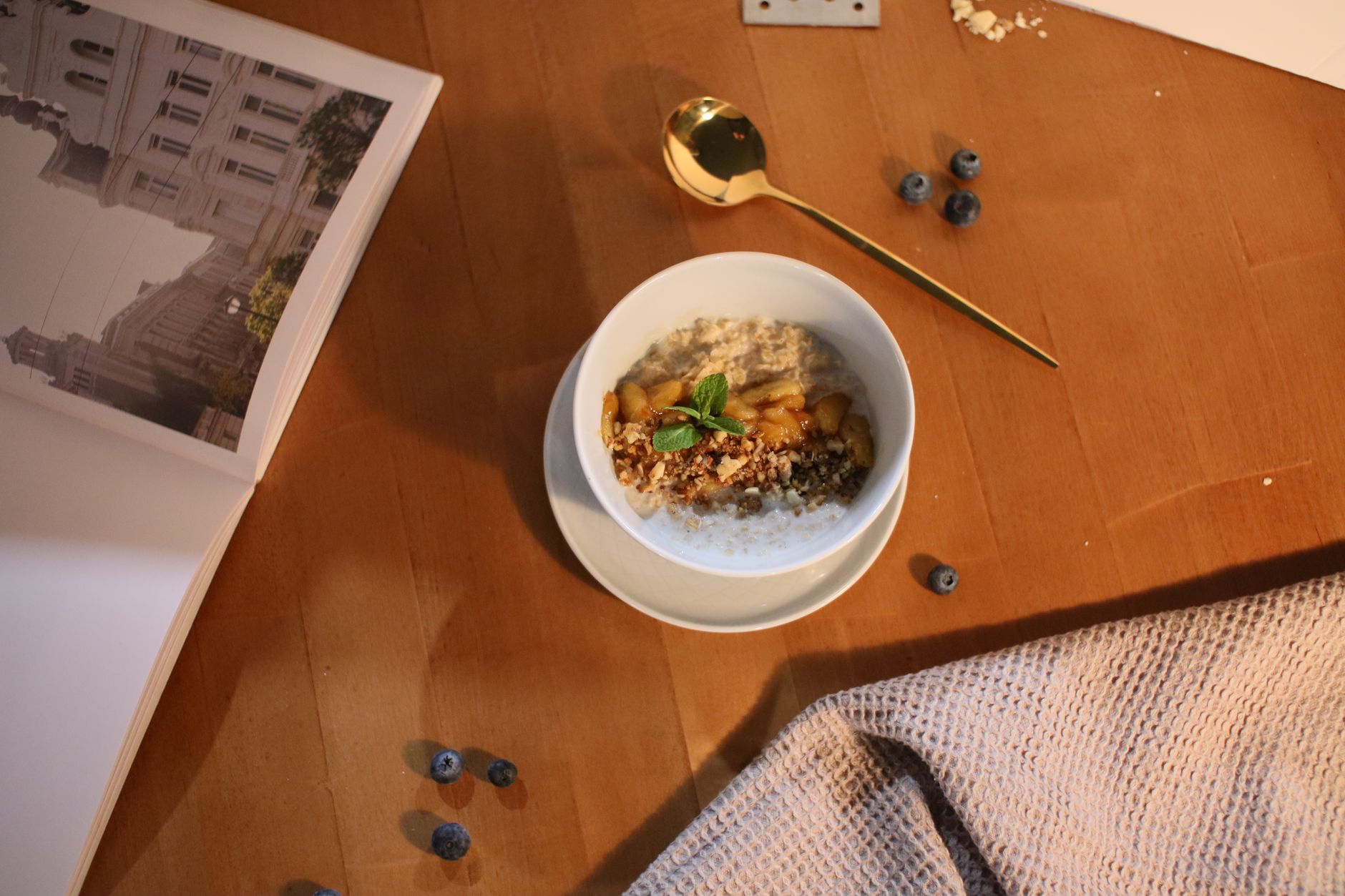
Choose whole‑grain oatmeal with nuts for a calorie‑rich start that supports milk production.
How many servings of sage can affect milk supply?
Sage (Salvia officinalis) is a common culinary herb and a traditional “anti‑lactogenic” in many cultures. The active component, thujone, can suppress prolactin, the hormone that drives milk synthesis. However, the effect is dose‑dependent.
According to the UK National Health Service (NHS), consuming more than one teaspoon of dried sage or two to three fresh sage leaves per day may begin to influence milk supply. In practical terms, that translates to roughly one cup of sage‑infused tea or a handful of fresh leaves in a salad.
Most mothers who use sage for its flavor or mild digestive benefits stay well below this threshold. The risk rises when sage is taken as a concentrated supplement or in large culinary amounts (e.g., a sage‑spiced broth consumed daily).
Tips for using sage safely
Limit sage tea to one cup per day.
Avoid sage supplements unless prescribed by a lactation specialist.
If you notice a decrease in output after adding sage, pause its use for a week and monitor changes.
Balancing flavor and supply
If you love the earthy taste of sage, try pairing it with milk‑supportive herbs like fenugreek or fennel in the same dish. This can offset any mild inhibitory effect while still delivering the flavor you enjoy.
Does caffeine intake lower breastfeeding milk supply?
Caffeine is a well‑studied beverage component. It’s a mild diuretic, meaning it can increase urine output and potentially reduce the water available for milk production. However, the impact on milk volume is modest for most women.
Track your total caffeine from coffee, tea, soda, and chocolate.
Stay hydrated with water or lactation‑friendly herbal teas.
Observe your baby’s behavior—if they become unusually fussy after a caffeine spike, consider cutting back.
What about decaf?
Decaffeinated coffee still contains trace amounts of caffeine (usually 2–5 mg per cup) and is generally safe. It also provides the comforting ritual many mothers enjoy without the diuretic effect.
Can certain herbs like peppermint decrease lactation?
Peppermint (Mentha piperita) is another herb frequently cited as a milk‑reducing agent. The menthol in peppermint can relax smooth muscle, potentially decreasing the let‑down reflex that helps milk flow. Evidence is limited, but lactation consultants often advise caution.
One small observational study referenced by the Mayo Clinic noted that mothers who consumed peppermint tea daily for two weeks reported a slight dip in milk volume, though the change was not statistically significant. The consensus is that occasional peppermint (a cup of tea or a few leaves in a dish) is unlikely to cause a problem, but daily high‑dose use could.
How much peppermint is “too much”?
Consuming more than two cups of peppermint tea per day, or using peppermint oil internally (which is not recommended for breastfeeding), may be enough to affect supply. Stick to one cup and monitor your output.
Alternative soothing herbs
If you’re looking for a calming flavor without the lactation‑inhibiting risk, try ginger or chamomile—both are generally considered safe and may even support milk production.
Enjoy peppermint in moderation—one cup a day is usually safe for most nursing moms.
What impact does a low‑calorie diet have on milk supply?
Milk production is an energy‑intensive process, requiring roughly 500 kcal per day just to sustain a typical supply of 750 ml (about 25 oz). When a mother consistently eats far fewer calories, the body prioritizes essential functions over milk synthesis.
The UK National Institute for Health and Care Excellence (NICE) recommends that breastfeeding mothers aim for at least 2,200 kcal per day, adjusting upward if they’re gaining weight or nursing twins. Dropping below 1,800 kcal for more than a week often leads to a noticeable decline in milk volume.
Signs you’ve cut calories too far
Sudden increase in infant’s feeding frequency.
Persistent feelings of hunger or low energy.
Weight loss greater than 1 lb (0.45 kg) per week.
How to safely adjust calories
Instead of cutting portions, focus on nutrient‑dense foods that add calories without excess volume: nut butters, avocado, whole‑grain breads, and smoothies with Greek yogurt. Adding a tablespoon of olive oil to a salad can contribute an extra 120 kcal while also providing healthy fats important for hormone balance.
Are there specific fruits that reduce breast milk?
Most fruits are safe and even beneficial for lactation because they provide vitamins, water, and natural sugars. However, a few fruit‑based foods have been anecdotally linked to lower supply:
Pineapple—high bromelain content may cause mild uterine contractions in some women, though evidence is limited.
Grapefruit—its acidity can interfere with certain medications, but no strong data ties it to reduced milk.
Unripe bananas—contain resistant starch that can cause digestive discomfort, potentially affecting feeding comfort.
Overall, the consensus from the La Leche League International (LLLI) is that fruit intake should be moderate and varied. Overconsumption of any single fruit (especially juice, which lacks fiber) can displace more protein‑rich foods needed for milk synthesis.
Fruit‑focused lactation tips
Include a mix of berries, citrus, and melons daily. Aim for whole fruit rather than juice, and pair with a protein source—like a handful of almonds with an apple—to balance blood sugar and support steady milk production.
How does alcohol consumption affect milk production?
Alcohol is a known milk‑duct constrictor. When you drink, ethanol passes into breast milk at similar concentrations to blood, temporarily reducing the let‑down reflex. The World Health Organization (WHO) advises that occasional moderate alcohol (up to one standard drink) is unlikely to cause lasting harm, but frequent intake can lower overall milk volume.
Research summarized by the U.S. Food and Drug Administration (FDA) shows that milk output can drop by up to 10 % within 2 hours after a standard drink (12 oz beer, 5 oz wine, or 1.5 oz spirits). The effect wanes as the alcohol is metabolized, typically after 2–3 hours per drink.
Practical guidance for nursing moms
Plan alcohol consumption around feeding times—drink after a feeding and wait at least 2 hours per drink before the next session.
Hydrate with water or lactation‑friendly herbal tea to help clear ethanol faster.
Consider “pump‑and‑dump” only if you need to nurse within the window of peak alcohol concentration; otherwise, the body will naturally clear the alcohol.
Alternatives for celebration
If you want a festive feel without alcohol, try sparkling water with a splash of fruit juice or a non‑alcoholic mocktail made with fresh herbs like mint and cucumber.
Do dairy products affect my milk supply?
Dairy is a common protein source for many lactating mothers. The evidence on dairy’s impact on milk supply is mixed, but most studies indicate that moderate dairy consumption (2‑3 servings per day) does not reduce volume. In fact, calcium‑rich dairy can support hormonal pathways involved in lactation.
However, some mothers report a perceived drop after consuming large amounts of high‑fat dairy (e.g., whole‑milk ice cream) or when they have a mild dairy intolerance. The Royal College of Obstetricians and Gynaecologists (RCOG) notes that a dairy‑free diet isn’t required for most lactating women unless there’s a documented allergy or intolerance.
Choosing dairy wisely
Opt for low‑fat or reduced‑fat options if you’re watching calories.
Include fermented dairy like yogurt or kefir for probiotic benefits that may aid digestion and overall health.
If you suspect dairy intolerance, try an elimination trial of 2 weeks and monitor infant’s behavior and your milk output.
How to increase milk supply after eating these foods
Notice a dip? Don’t panic. The body can often rebound with a few strategic tweaks:
Hydrate aggressively. Aim for at least 3 L (≈13 cups) of water daily. Herbal teas without sage or peppermint (e.g., fenugreek or raspberry leaf) can add flavor.
Boost calories with lactation‑supportive snacks. A smoothie made with whole‑milk yogurt, banana, oats, and a spoonful of almond butter delivers ~350 kcal plus protein and healthy fats.
Increase nursing frequency. More empty breasts send a stronger prolactin signal, encouraging the body to produce more milk.
Consider galactagogues. Herbs like fenugreek, blessed thistle, and alfalfa have modest evidence of increasing supply; consult your provider before starting any supplement.
Within a week of these adjustments, many mothers see a 10‑20 % rise in volume, according to the La Leche League International (LLLI) lactation guidelines.
Foods that boost milk supply vs foods that decrease it
Below is a quick comparison of common foods, grouped by their typical effect on lactation. This table can help you plan meals that keep your supply thriving.
Boosts Supply
Neutral / May Decrease Supply
Oats, barley, quinoa (whole grains)
Sage (large amounts)
Almonds, cashews, nut butters
Peppermint (≥2 cups/day)
Leafy greens (spinach, kale)
Excessive caffeine (>300 mg/day)
Protein‑rich foods (lean meat, eggs, tofu)
High‑dose alcohol (≥2 drinks per session)
Hydrating fruits (watermelon, oranges)
Very low‑calorie diet (<1,800 kcal/day)
Remember, “neutral” doesn’t mean safe to over‑consume. The goal is balance and variety, not elimination of any single food unless medically advised.
Signs that my milk supply is dropping
Being able to recognize early warning signs lets you act before your baby feels the impact. Common indicators include:
More than 8‑10 wet diapers in a 24‑hour period dropping to fewer than 6.
Sudden increase in infant’s weight loss after a period of steady gain.
Baby seems unsatisfied after feeds, frequently fussing or seeking the breast.
Noticeable decrease in the amount of milk expressed during pumping sessions.
Feeling a tighter, less “full” sensation in the breasts after feeds.
If you notice two or more of these signs, consider a quick diet review, increased hydration, and possibly a lactation consultant visit.
Lactation diet plan for new moms
Here’s a sample day that meets the calorie, fluid, and nutrient needs of most breastfeeding mothers while avoiding the milk‑reducing culprits we discussed.
Breakfast: Whole‑grain oatmeal topped with sliced almonds, blueberries, and a splash of milk (≈400 kcal).
Mid‑morning snack: Greek yogurt with a drizzle of honey and a handful of raspberries (≈150 kcal).
Lunch: Grilled chicken salad with mixed greens, avocado, cherry tomatoes, and olive‑oil vinaigrette (≈500 kcal).
Afternoon snack: A banana and a glass of water infused with fresh mint (≈120 kcal).
Dinner: Baked salmon, quinoa pilaf, and steamed broccoli (≈600 kcal).
Evening snack: A small piece of dark chocolate and a cup of herbal tea (caffeine‑free, sage‑free) (≈100 kcal).
Totalling roughly 1,870 kcal, this plan can be adjusted upward with extra nuts, a second snack, or a larger portion if you’re nursing twins or feeling hungry.
Natural remedies to restore milk supply
If dietary tweaks aren’t enough, many mothers turn to gentle, natural options that have a track record of safety:
Fenugreek seeds or capsules. Often used as a galactagogue; typical dose is 1–2 g of seeds or 500‑600 mg capsules three times daily. Consult your provider before starting.
Raspberry leaf tea. Provides antioxidants and may improve uterine tone without affecting milk; safe in moderate amounts.
Warm breast compresses. Applying a warm, damp cloth before nursing can enhance let‑down.
Skin‑to‑skin contact. Holding your baby close stimulates oxytocin, which can naturally boost supply.
These remedies complement, rather than replace, the core dietary principles of adequate calories, hydration, and balanced nutrients.
Milk supply and dehydration
Even mild dehydration can reduce milk volume because water is a major component of breast milk (about 87 %). The NICE guideline recommends at least 2.5 L (≈10 cups) of fluid daily for breastfeeding mothers, more if you’re exercising or live in a hot climate.
Signs of dehydration include dark urine, dry mouth, dizziness, and a feeling of “thick” milk. To combat this, keep a water bottle within arm’s reach, sip between feeds, and consider adding electrolyte‑rich drinks like coconut water if you’re sweating heavily.
Best supplements for breastfeeding mothers
While whole foods are the foundation, certain supplements can fill gaps:
Vitamin D (600–800 IU/day). Supports both maternal bone health and infant’s calcium absorption.
Omega‑3 DHA (200–300 mg/day). Important for infant brain development; found in fish oil or algal oil supplements.
Iron (27 mg/day). Especially needed if you had postpartum anemia.
Probiotic (1‑10 billion CFU). May improve gut health and reduce digestive discomfort that can affect feeding.
Always discuss any supplement with your obstetrician or midwife, as needs can vary based on diet, blood work, and individual health conditions.
From our medical team: Most dietary factors that lower milk supply do so only when they’re consumed frequently or in large amounts. A balanced, nutrient‑rich diet, adequate hydration, and regular nursing or pumping are the most reliable ways to keep your supply robust. If you suspect a specific food is affecting you, try a brief elimination period (3‑5 days) while tracking output, then re‑introduce to see if the change recurs. Always bring your observations to your lactation consultant or provider for personalized guidance.
Myth vs. fact
Myth: “If I drink coffee, my baby will get jittery and my milk will disappear.”
Fact: Moderate caffeine (up to 200 mg/day) is generally safe and does not drastically reduce milk volume, though it can make some babies more fussy if they’re especially sensitive.
Myth: “All herbs shrink milk supply, so I should avoid every spice.”
Fact: Only certain herbs—sage, peppermint, and large amounts of parsley—have documented lactation‑inhibiting effects. Most culinary spices are neutral or even supportive.
Myth: “Skipping meals will help me lose baby weight without affecting my milk.”
Fact: Consistently low calorie intake (<1,800 kcal) can lower prolactin and reduce milk output; gradual, balanced weight loss is safer.
Key takeaways
Limit high‑dose sage, peppermint, and large amounts of garlic if you notice a supply dip.
Keep caffeine under 200 mg daily and stay well‑hydrated to avoid diuretic effects.
Alcohol can temporarily suppress let‑down; wait 2 hours per drink before nursing.
Maintain at least 2,200 kcal and 3 L of fluids per day for most breastfeeding moms.
Choose lactation‑supportive foods like whole grains, nuts, leafy greens, and protein‑rich options.
If supply drops, increase nursing frequency, add calorie‑dense snacks, and consider safe galactagogues after consulting your provider.
Frequently asked questions
Can eating garlic reduce breast milk production?
Directly, garlic does not lower milk volume, but some mothers report a slight decrease when they consume large amounts daily, possibly due to its strong flavor affecting infant feeding cues. Most evidence is anecdotal; moderate use (1‑2 cloves per day) is generally safe.
How does caffeine affect breastfeeding?
Caffeine crosses into breast milk at similar levels to blood, but only about 1 % of the maternal dose appears in each feeding. Up to 200 mg per day is considered low risk; higher intake may cause baby irritability and a modest reduction in supply for sensitive mothers.
Is it safe to drink alcohol while nursing?
Occasional moderate alcohol (one standard drink) is acceptable if you wait at least 2 hours per drink before the next feeding. Frequent or heavy drinking can suppress let‑down and reduce overall milk output.
What herbs are known to decrease milk supply?
Sage, peppermint, and large amounts of parsley have documented lactation‑inhibiting properties. Other herbs like fenugreek and blessed thistle are generally used to increase supply, not decrease it.
Does a low‑fat diet impact lactation?
A diet low in overall calories—not just fat—can reduce milk volume. However, a modest reduction in saturated fats (while keeping total calories adequate) does not harm supply and may benefit heart health.
How many calories should a breastfeeding mother consume to maintain milk supply?
Guidelines from ACOG and NICE suggest 2,200–2,500 kcal per day for a typical exclusive‑breastfeeding mother, with adjustments for activity level, multiple babies, or personal metabolism.
When to call your doctor
If you experience any of the following, seek medical attention promptly:
Sudden, severe drop in milk output accompanied by infant weight loss.
Fever, breast pain, or red streaks that could indicate mastitis.
Allergic reactions after consuming a specific food or supplement.
This article provides general information and is not a substitute for personalized medical advice. Always discuss any concerns with your obstetrician, midwife, or a certified lactation consultant.
References
American College of Obstetricians and Gynecologists (ACOG). “Nutrition During Lactation.” Clinical Guidance, 2023.
National Health Service (NHS). “Herbs and Lactation.” UK Health Guidance, 2022.
Centers for Disease Control and Prevention (CDC). “Caffeine and Breastfeeding.” Public Health Review, 2021.
Mayo Clinic. “Peppermint Tea and Breast Milk Production.” Patient Education, 2020.
World Health Organization (WHO). “Alcohol Use During Pregnancy and Lactation.” Global Health Recommendations, 2022.
La Leche League International (LLLI). “Dietary Tips for Nursing Mothers.” Lactation Handbook, 2023.
National Institute for Health and Care Excellence (NICE). “Maternal Nutrition in the Postnatal Period.” Clinical Guidelines, 2021.
Royal College of Obstetricians and Gynaecologists (RCOG). “Dairy Consumption and Breastfeeding.” Obstetric Review, 2020.
Food and Drug Administration (FDA). “Alcohol Metabolism in Breast Milk.” Safety Bulletin, 2021.
International Lactation Consultant Association (ILCA). “Caffeine Intake Recommendations for Lactating Parents.” Position Statement, 2022.
Not sure about the label on Foods That Decrease Milk Supply products?
Snap the ingredients list and SafeFilter checks every ingredient for your stage — only 3 free scans this month, then you're locked until reset. Unlimited from $7/mo or $50/yr.
When Shubhra Mishra was expecting her first child in 2016, she was overwhelmed by conflicting food advice — one site said yes, another said never. By the time her second baby arrived in 2019, she realized millions of mothers face the same confusion.
That sparked a five-year journey through clinical nutrition papers, cultural diets, and expert conversations — all leading to BumpBites: a calm, compassionate space where science meets everyday motherhood.
Her long-term vision is to build a global community ensuring safe, supported, and free deliveriesfor every mother — because no woman should face pregnancy alone or uninformed. 🌿
🌍 Stand with mothers, shape safer guidance
Join a small circle of experts who review BumpBites articles so expecting parents everywhere can decide with confidence.