Cracked nipples while breastfeeding can be healed fast with proper latch, soothing ointments, and clean care. Get simple steps to soothe and prevent damage now.
By Shubhra Mishra — a mom of two who turned her own confusion during pregnancy into BumpBites, a global mission to make food choices clear, safe, and stress-free for every expecting mother. 💛
Check whether any food is safe during pregnancy with the BumpBites Food Safety Checker.
Quick take: Cracked nipples are common, but they’re usually treatable with proper latch, gentle skin care, and timely help. Most moms see improvement within a week, and breastfeeding can safely continue while you heal. If pain worsens, bleeding increases, or you notice fever or flu‑like symptoms, contact your provider right away.
It’s 2 a.m.; you’re halfway through a feeding, and a sharp sting makes you pause. You glance at the mirror and see a tiny fissure at the edge of your nipple. “Is this normal? Can I keep nursing?” you wonder, heart racing. You’re not alone—nearly one in three breastfeeding parents experience cracked nipples at some point.
In this guide we’ll walk through everything you need to know: why the cracks happen, how to tell a simple sore from a deeper fissure, quick ways to soothe the pain, which creams actually work, and when professional help is essential. By the end you’ll feel confident to keep feeding your baby while your nipples heal.
We’ll answer the exact questions you’ve typed into Google, from “how to treat cracked nipples while breastfeeding” to “is it safe to breastfeed with cracked nipples.” Let’s get started.
How to treat cracked nipples while breastfeeding
First and foremost, address the root cause—usually an imperfect latch. Once the latch is corrected, the skin can begin to repair itself. Below are the step‑by‑step actions that most clinicians recommend, based on guidance from the American College of Obstetricians and Gynecologists (ACOG) and the UK’s National Institute for Health and Care Excellence (NICE).
1. Re‑establish a gentle, deep latch
Bring your baby’s mouth as far back as possible so that the nipple and a large portion of the areola are inside the mouth.
Check that the baby’s chin touches the breast and that their lips are flanged outward, not tucked in.
If you’re unsure, use a mirror or ask a partner to watch the positioning.
2. Keep the nipples clean and dry
After each feeding, gently pat the nipples with a clean, soft cloth. Avoid harsh soaps; a plain water rinse is enough. Allow the area to air‑dry for a few minutes before covering.
3. Apply a safe, soothing ointment
Many lactation experts suggest a thin layer of a lanolin‑based or pure petrolatum ointment. These create a barrier without contaminating the milk. Apply immediately after feeding, before the next session.
4. Use cold or warm compresses
Cold packs can numb pain for 10–15 minutes; warm, moist compresses (a clean washcloth dipped in warm water) can increase blood flow and promote healing. Alternate as needed.
5. Take a short break if needed
If the pain is intense, you can pump or hand‑express milk to keep supply while the nipple rests. Use a clean, well‑fitted breast pump and avoid excessive suction.
6. Seek professional help when the crack deepens
Should the fissure widen, bleed heavily, or develop pus, see a provider promptly—this may signal infection.
Following these steps often leads to noticeable relief within a few days, especially when combined with proper latch techniques.
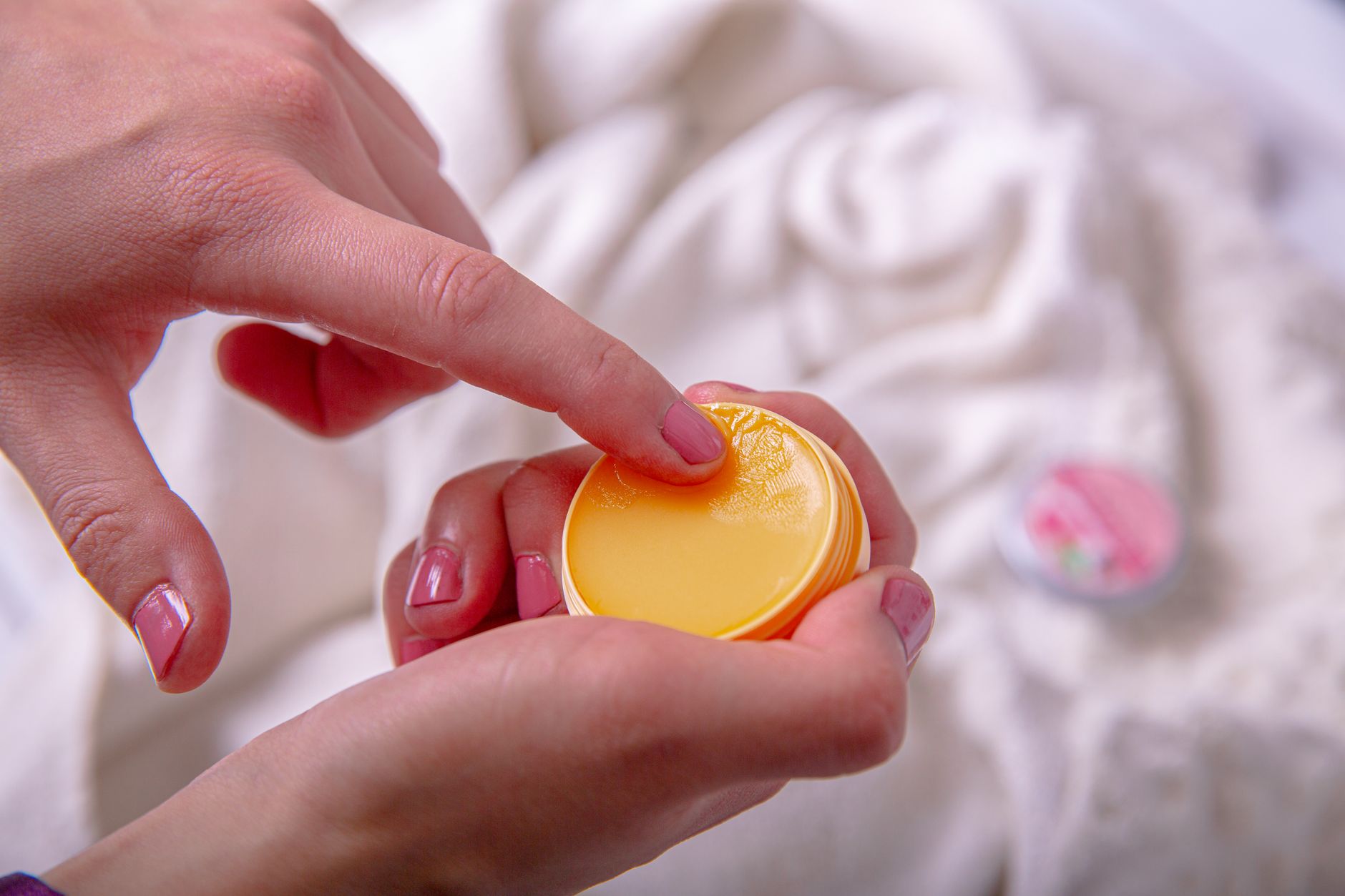
Applying a thin layer of lanolin can protect cracked nipples while they heal.
What causes cracked nipples during breastfeeding
Understanding the why helps you prevent the next episode. Cracked nipples usually arise from mechanical stress, but several factors can amplify that stress.
Mechanical causes
Improper latch: The most common trigger. When the baby takes only the nipple tip, the skin stretches and splits.
Over‑vigorous suckling: Babies who feed aggressively can create friction that damages the nipple epidermis.
Incorrect pumping settings: High suction pressure or a poorly fitting flange can mimic a bad latch.
Skin‑related factors
Dry or eczema‑prone skin makes the nipple more vulnerable.
Frequent exposure to harsh soaps, alcohol‑based hand sanitizers, or scented products can strip protective oils.
Hormonal changes in the first weeks postpartum can affect skin elasticity.
External influences
Cold, dry environments—especially in winter—can dry out the skin.
Wearing tight, restrictive bras that press against the nipple.
Use of certain medications (e.g., isotretinoin) that reduce oil production.
When you pinpoint the underlying cause, you can target the solution—whether that’s adjusting the latch, switching to a gentle cleanser, or modifying your pumping routine.
Can cracked nipples become infected and how to know
Most cracks heal without complication, but a break in the skin can allow bacteria—often Staphylococcus aureus or Streptococcus species—to enter. Infection can progress quickly, so recognizing early signs is vital.
Warning signs of infection
Increasing redness that spreads beyond the nipple margin.
Swelling, warmth, or a feeling of “heat” around the breast.
Pus‑filled or yellow‑green discharge.
Fever ≥ 38 °C (100.4 °F) or flu‑like symptoms such as chills, body aches, or malaise.
Severe pain that does not improve with typical soothing measures.
If you notice any of these, contact your obstetrician, midwife, or a lactation consultant right away. According to the CDC, untreated mastitis (a breast infection) can lead to abscess formation, which may require drainage.
How long do cracked nipples take to heal naturally
Healing time varies based on severity, how quickly you correct the latch, and whether you keep the area clean and protected.
Minor surface cracks: Often resolve within 3–5 days with basic care.
Deeper fissures: May need 7–10 days, especially if the baby’s latch remains imperfect.
Infected or severely cracked nipples: Healing can extend to 2–3 weeks and may require antibiotics.
Factors that speed recovery include staying well‑hydrated, maintaining a balanced diet rich in vitamin C and zinc, and avoiding irritants such as scented lotions. Consistent use of a protective ointment can also shorten the timeline.
Best nipple creams and ointments for breastfeeding moms
Not all products are created equal. Below is a comparison of the most frequently recommended options, based on safety data from the FDA and clinical experience reported by the Academy of Breastfeeding Medicine (ABM).
For most mothers, a medical‑grade lanolin or pure petroleum jelly is sufficient. Reserve prescription antibiotics for documented infections, and always discuss any new product with your care provider.
Does pumping worsen cracked nipples and what to do
Breast pumping can be both a friend and a foe. When used correctly, it helps maintain supply while the nipples heal. However, high suction or an ill‑fitting flange can aggravate existing cracks.
Choosing the right flange size
The flange (the part that goes over the nipple) should allow the nipple to move freely without feeling stretched. A good rule: the nipple should be centered and should not touch the edge of the flange even when you reach your deepest suction.
Setting appropriate suction levels
Start with a low suction setting and gradually increase until you feel a comfortable “milk‑let‑down” sensation.
Avoid sudden spikes in pressure; most modern pumps have a “pause” or “massage” mode that mimics the baby’s natural rhythm.
Protective measures while pumping
Apply a thin layer of lanolin or petroleum jelly to the nipple before attaching the flange.
Use a breast shield or silicone nipple cover if the flange continues to cause friction.
Limit pumping sessions to 10–15 minutes per breast, and give the skin a break between sessions.
If you notice increased pain, bleeding, or a worsening crack after pumping, pause the sessions and consult a lactation professional. In many cases, adjusting the equipment solves the issue.
How to prevent cracked nipples in the first weeks of breastfeeding
Prevention is far easier than treatment. The first two weeks are a critical window when both your baby’s feeding pattern and your breast tissue are still adapting.
1. Master the latch from day 1
Ask for a latch check before you leave the hospital or birthing center. A confident latch reduces skin trauma dramatically.
2. Rotate feeding positions
Switching positions distributes pressure across different parts of the breast, reducing repetitive friction. Popular options include:
Cradle hold
Cross‑cradle hold
Football (or clutch) hold
Side‑lying position for night feeds
3. Keep the nipples moisturized
Apply a thin layer of lanolin or petroleum jelly after each feed. This creates a protective barrier without affecting milk.
4. Avoid harsh soaps and chemicals
Use plain water or a mild, fragrance‑free cleanser. Rinse thoroughly and pat dry.
5. Wear breathable, non‑tight nursing bras
Choose cotton or bamboo fabrics that allow air flow and avoid compressing the breast.
6. Monitor your baby’s sucking
If the baby seems to “bite” or “pinch” the nipple, pause the feed, gently break suction, and try again with a better latch.
By integrating these habits, most mothers prevent cracks altogether or keep them so minor they heal in a day or two.
Side‑lying feeds can reduce pressure on the nipple and help prevent cracks.
Is it safe to breastfeed with cracked nipples
Yes—most cracked nipples do not pose a risk to your baby’s health. Milk passes through the nipple’s ducts, not the skin surface, so a fissure does not contaminate the milk. However, a few considerations apply:
Pain level: If the crack is extremely painful, the baby may pull away, leading to reduced intake.
Infection risk: An infected nipple can transmit bacteria like Staph aureus to the infant, potentially causing skin or ear infections. Prompt treatment prevents spread.
Supply impact: Severe pain may cause the baby to nurse less often, which can lower milk supply. Using a breast pump or hand expression can help maintain output.
Guidance from the World Health Organization (WHO) and the United Nations International Children’s Emergency Fund (UNICEF) both state that breastfeeding should continue unless the mother has an active, untreated infection that could be harmful to the infant. In practice, that means you can keep nursing while you treat the crack, provided you follow hygienic measures and watch for infection signs.
Natural home remedies for cracked nipples while nursing
Many parents look to kitchen cabinets for relief. While not a substitute for proper latch correction, several gentle home remedies can soothe discomfort.
1. Warm saline compress
Soak a clean washcloth in warm (not hot) saline water (½ tsp salt per cup water). Apply for 5 minutes after feeding. The salt helps reduce inflammation while the warmth promotes circulation.
2. Coconut oil
Extra‑virgin coconut oil is antimicrobial and moisturizing. Apply a thin layer after each feed. Ensure the oil is pure, without added fragrance, to avoid irritation.
3. Aloe vera gel
Pure, food‑grade aloe vera can provide cooling relief. Test a small area first to rule out sensitivity.
4. Herbal tea soak
Chamomile or calendula tea, cooled to room temperature, can be used as a gentle soak. Both herbs have anti‑inflammatory properties.
Remember: any topical remedy should be used in a thin layer and rinsed off before the next feeding if you’re concerned about ingestion, although most of these natural substances are considered safe in the small amounts a baby might ingest.
When to see a lactation consultant for cracked nipples
If you’ve tried the basic steps for a few days and the crack hasn’t improved, or if you notice any of the following, schedule an appointment with a certified lactation consultant (IBCLC):
Persistent pain after feeding despite a good latch.
Bleeding that continues beyond 24 hours.
Visible swelling, pus, or foul odor.
Difficulty maintaining milk supply because the baby refuses to nurse.
Uncertainty about latch technique despite multiple attempts.
Lactation consultants can provide hands‑on assessment, suggest alternative positions, recommend specialized nipple shields, and guide you on using breast pumps without aggravating the skin.
Difference between sore nipples and cracked nipples
“Sore” and “cracked” are often used interchangeably, but they describe distinct conditions.
Sore nipples: General tenderness, redness, or mild swelling without visible breaks in the skin. Usually caused by friction or a brief latch issue.
Cracked nipples: Actual fissures or linear breaks in the epidermis, which may bleed or ooze. Cracks can range from superficial (surface‑level) to deep (extending into deeper tissue).
Both can be managed with proper latch and skin care, but cracked nipples often need more targeted protection (ointment, barrier creams) and closer monitoring for infection.
How to improve latch to avoid cracked nipples
A good latch is the cornerstone of nipple health. Here’s a quick checklist you can use before each feeding:
Bring your baby close, tummy‑to‑tummy.
Support your breast with a hand, thumb under the breast, fingers over the neck.
Wait for the baby to open wide (a “big yawn” mouth).
Quickly bring the baby to the breast—not the breast to the baby.
Ensure more areola is visible above the baby’s top lip than below.
Listen for a steady, non‑gurgling milk flow; adjust if you hear clicking or smacking.
If you feel a tug or pain, gently break suction with your finger and try again. Consistent practice usually leads to a pain‑free feeding within a few days.
Breastfeeding positions that reduce nipple pain
Different positions shift the angle of the breast and can relieve pressure on a vulnerable nipple.
Cross‑cradle hold: Offers excellent control and allows you to guide the baby’s mouth.
Football (clutch) hold: Keeps the breast away from the baby’s head, useful if you have a C‑section scar.
Side‑lying position: Great for night feeds; reduces gravity‑related stretching.
Laid‑back (biological) nursing: Mother leans back, baby lies on the chest; natural positioning can reduce friction.
Experimenting with a couple of positions each day can help you discover which feels most comfortable while keeping the nipple intact.
Impact of cracked nipples on milk supply
Milk production follows a “use it or lose it” principle. Pain that leads to fewer feedings can signal the body to produce less milk. However, cracked nipples themselves do not directly reduce supply; the secondary effect of reduced nursing frequency does.
To protect supply while healing:
Pump after each feeding for 5–10 minutes to signal the breast.
Use skin‑to‑skin contact (kangaroo care) to stimulate let‑down.
Stay hydrated and consume a balanced diet with adequate calories.
Consider galactagogues (e.g., fenugreek) only under medical advice.
With consistent stimulation, most mothers maintain their milk volume even while the nipple heals.
From our medical team: If you’re dealing with cracked nipples, the most important steps are to verify a deep, comfortable latch and to protect the skin with a safe ointment. Most cracks heal within a week, but keep an eye out for signs of infection—persistent redness, swelling, or fever—and reach out to a lactation specialist early. You don’t have to stop nursing; with the right care, you and your baby can stay on track.
Myth vs. fact
Myth: Cracked nipples mean you should stop breastfeeding. Fact: You can continue nursing safely; stopping may actually worsen the problem by reducing milk supply.
Myth: All ointments are unsafe for babies. Fact: Pure lanolin and petroleum jelly are FDA‑approved for use during lactation and are considered safe.
Myth: Pumping always makes cracks worse. Fact: Properly adjusted pumping can actually relieve pressure and help maintain supply while the nipple heals.
Key takeaways
Ensure a deep, comfortable latch—this prevents most cracks.
Apply a thin layer of lanolin or petroleum jelly after each feed.
Use warm or cold compresses for pain relief, and consider gentle home remedies like saline compresses.
Watch for infection signs: spreading redness, swelling, pus, or fever.
Maintain milk supply with brief pumping sessions if feeding is painful.
Seek a lactation consultant if cracks don’t improve within a few days or if you notice any worrying symptoms.
Frequently asked questions
Can you breastfeed with cracked nipples?
Yes—most cracked nipples do not affect the safety of your milk, so you can continue nursing while you treat the crack.
How long does it take for cracked nipples to heal?
Minor surface cracks typically heal in 3–5 days, while deeper fissures may need 7–10 days; infected cracks can take up to 2–3 weeks with treatment.
What are the signs of an infected cracked nipple?
Look for increasing redness, swelling, warmth, pus, or fever; these indicate infection and require prompt medical attention.
Do nipple shields help with cracked nipples?
Nipple shields can protect the skin and improve latch for some mothers, but they should be used under the guidance of a lactation professional to ensure proper fit and milk flow.
Is it safe to use ointments on cracked nipples while breastfeeding?
Pure lanolin, medical‑grade petroleum jelly, and other FDA‑approved topical emollients are safe for both mother and baby when used as directed.
Can pumping cause cracked nipples?
Improper pump settings or an ill‑fitting flange can irritate the nipple, but using low suction and a correct flange size usually prevents this.
When to call your doctor
If you notice any of the following, reach out to your obstetrician, midwife, or pediatrician immediately: fever ≥ 38 °C, spreading redness or swelling, pus‑filled discharge, severe pain that doesn’t improve with standard care, or a sudden drop in milk supply accompanied by infant weight loss. This article is for informational purposes only and does not replace personalized medical advice.
References
American College of Obstetricians and Gynecologists (ACOG). “Breastfeeding and the Use of Human Milk.” Clinical Guidance, 2022.
National Institute for Health and Care Excellence (NICE). “Postnatal Care: Clinical Guideline.” NG27, 2021.
World Health Organization (WHO). “Infant and Young Child Feeding.” 2023.
Academy of Breastfeeding Medicine (ABM). “Clinical Protocol #6: Nipple Pain Management.” 2020.
Centers for Disease Control and Prevention (CDC). “Mastitis and Breast Abscess.” 2022.
U.S. Food and Drug Administration (FDA). “Safety of Lanolin and Petroleum Jelly in Breastfeeding.” 2021.
Royal College of Obstetricians and Gynaecologists (RCOG). “Guidelines on Lactation and Breastfeeding.” 2022.
International Lactation Consultant Association (ILCA). “When to Seek Professional Lactation Support.” 2023.
Not sure about the label on Cracked Nipples Breastfeeding products?
Snap the ingredients list and SafeFilter checks every ingredient for your stage — only 3 free scans this month, then you're locked until reset. Unlimited from $7/mo or $50/yr.
When Shubhra Mishra was expecting her first child in 2016, she was overwhelmed by conflicting food advice — one site said yes, another said never. By the time her second baby arrived in 2019, she realized millions of mothers face the same confusion.
That sparked a five-year journey through clinical nutrition papers, cultural diets, and expert conversations — all leading to BumpBites: a calm, compassionate space where science meets everyday motherhood.
Her long-term vision is to build a global community ensuring safe, supported, and free deliveriesfor every mother — because no woman should face pregnancy alone or uninformed. 🌿
🌍 Stand with mothers, shape safer guidance
Join a small circle of experts who review BumpBites articles so expecting parents everywhere can decide with confidence.