Discover key baby milestones at 9 months, including motor skills, communication, and social growth. Learn what to expect and how to support your baby’s development.
By Shubhra Mishra — a mom of two who turned her own confusion during pregnancy into BumpBites, a global mission to make food choices clear, safe, and stress-free for every expecting mother. 💛
Check whether any food is safe during pregnancy with the BumpBites Food Safety Checker.
Quick take: By nine months most babies can sit well without support, may be crawling or pulling to stand, can use a pincer grasp, understand simple words, and show stranger anxiety. If your child is missing several of these milestones, or you notice a sudden loss of skills, talk to your pediatrician.
It’s 2 a.m., you’ve just finished a diaper change and stare at your little one’s sleepy face. You wonder, “Is this how a nine‑month‑old should be?” You’re not alone—many parents hit this moment of uncertainty. The good news is that nine months is a bustling stage of growth, and most babies follow a recognizable pattern of physical, cognitive, and social‑emotional milestones.
In this guide we’ll walk through every aspect of the nine‑month milestone checklist, from crawling and babbling to feeding and sleep. You’ll learn what’s typical, how to spot red flags, and practical tips you can start using tonight. We’ll also cover what to expect at the upcoming well‑baby visit so you feel prepared for the conversation with your provider.
What physical milestones should a 9 month old reach?
At nine months, gross motor skills take center stage. Most babies can:
Sit upright without support for at least a minute.
Begin crawling—either classic hands‑and‑knees, belly‑crawl, or scooting on the bottom.
Pull to a standing position while holding onto furniture.
Stand briefly with assistance.
Fine motor development is also advancing. Look for the emerging pincer grasp—the ability to pick up a small object between thumb and forefinger. Babies often start passing objects from one hand to the other, a sign of growing hand‑eye coordination.
These milestones reflect the brain’s growing motor cortex and the strengthening of core muscles. The transition from “tummy time” to “crawling” is a big leap; expect some wobbliness as your child experiments with balance. If your baby is still relying heavily on support to sit or has not attempted to crawl, keep an eye on progress but know that variations are common.
Is it normal for a 9 month old not to crawl?
Yes, it can be normal. Some babies skip the classic crawl and move straight to pulling up or cruising. However, if a child shows no interest in moving around, has limited arm and leg use, or appears stiff, it’s worth discussing with a pediatrician to rule out muscular or neurological concerns.
Best toys for 9 month old development
Choose toys that invite grasping, pushing, and exploration:
Stacking cups or rings—encourage hand‑eye coordination.
Soft blocks with textured surfaces—support the pincer grasp.
Activity tables that encourage pulling and standing.
Simple cause‑and‑effect toys (e.g., a push‑button that makes a sound).
These options stimulate both gross and fine motor pathways while keeping play safe and engaging.
Simple toys like stackable rings help develop both gross and fine motor skills.
What cognitive and language development milestones should a 9 month old have?
By nine months, babies are tiny investigators. Their cognitive world expands as they develop object permanence—the understanding that objects continue to exist even when out of sight. You’ll notice them looking for a dropped toy or trying to retrieve a hidden object.
Cause‑and‑effect reasoning also emerges. Press a button, hear a sound; shake a rattle, hear a jingle. These experiments teach that their actions produce predictable outcomes.
Language-wise, most infants begin to babble with a mix of consonants and vowels—“ba‑ba,” “da‑da,” or “ma‑ma” (though not yet attached to meaning). They may also start to respond to their own name and understand simple commands like “no” or “come here.”
What sounds should a 9 month old be making?
Typical babbling includes repeated consonant‑vowel combos, often with varied pitch. You might hear “goo‑goo,” “ba‑ba,” or “da‑da.” These sounds are practice for later word formation.
How does object permanence affect play?
Games like peek‑a‑boo become especially entertaining because the child now knows that you’ll reappear. Encouraging “hide‑and‑seek” with toys supports this cognitive milestone.
What social and emotional milestones are typical for a 9 month old baby?
Social‑emotional growth at nine months is marked by increasing awareness of other people. Stranger anxiety often peaks around this age—your baby may cling to you and show distress when a new face appears. This is a sign of healthy attachment development.
Many babies begin to wave “bye‑bye,” clap, and imitate facial expressions. They also start showing preferences for familiar caregivers and may express joy through laughter when engaged in a favorite activity.
What is 9 month old baby separation anxiety?
Separation anxiety is the baby’s upset when you leave the room or give them to another caregiver. It usually peaks between 6‑12 months. You can soothe it by establishing predictable routines and reassuring goodbyes.
How can I support my baby’s social‑emotional growth?
Respond promptly to cries, use gentle eye contact, and label emotions (“You look excited!”). These actions help your baby learn to identify and regulate feelings.
When should I worry about 9 month old developmental delays?
Most babies follow a range of normal development, but certain signs should prompt a conversation with your pediatrician:
Inability to sit without support by 9 months.
Absence of crawling or pulling to stand.
Limited hand use—no pincer grasp or object transfer.
Very limited babbling or lack of response to name.
Persistent lack of eye contact or social smile.
These “red flags” are not a diagnosis but an early signal that further evaluation may be helpful. Early intervention services, when needed, can make a big difference in outcomes.
Signs of developmental delay in 9 month old
Beyond the milestones listed, watch for regression (loss of a previously mastered skill), stiff or floppy muscle tone, and unusually high or low activity levels. If you notice any of these, schedule a visit promptly.
How can I encourage my 9 month old’s development at home?
Every day offers a chance to nurture growth. Here are practical ideas you can start tonight:
Floor time: Place a soft mat on the floor and let your baby explore crawling. Stay within arm’s reach to reassure them.
Play with containers: Offer small plastic cups or bowls that they can stack, knock over, and explore.
Read aloud: Choose board books with bright pictures and point to objects, naming them slowly.
Music and movement: Play simple songs and encourage clapping or marching in place.
Interactive toys: Toys that light up or make sounds when pressed teach cause‑and‑effect.
Remember to keep the environment safe—remove small objects that could be swallowed and anchor furniture that might tip when your baby pulls up.
9 month old baby activities to promote development
Activities that combine motor, language, and social elements work best. For example, a “teddy‑bear tea party” lets the baby practice grasping (holding a cup), babbling (pretending to sip), and social interaction (sharing with you).
What should a 9 month old’s feeding schedule look like, and how much should they eat?
At nine months, most babies are eating three solid meals a day plus breast milk or formula. Typical portions range from 2–4 ounces of pureed or soft‑cooked foods per meal, gradually increasing as appetite grows.
Breast milk or formula should still provide about 24–30 oz per day. Offer water in a sippy cup with meals to promote drinking skills.
How much should a 9 month old eat?
Appetite varies, but a good rule is to let the baby guide the amount. If they turn away or stop self‑feeding, they’re likely full. Forcing more can lead to frustration.
9 month old feeding schedule and solid food introduction
Introduce new foods one at a time, waiting 2–3 days for any allergic reaction. Continue offering iron‑rich cereals, fruits, veggies, and protein sources. Avoid honey, whole nuts, and large chunks that pose choking hazards.
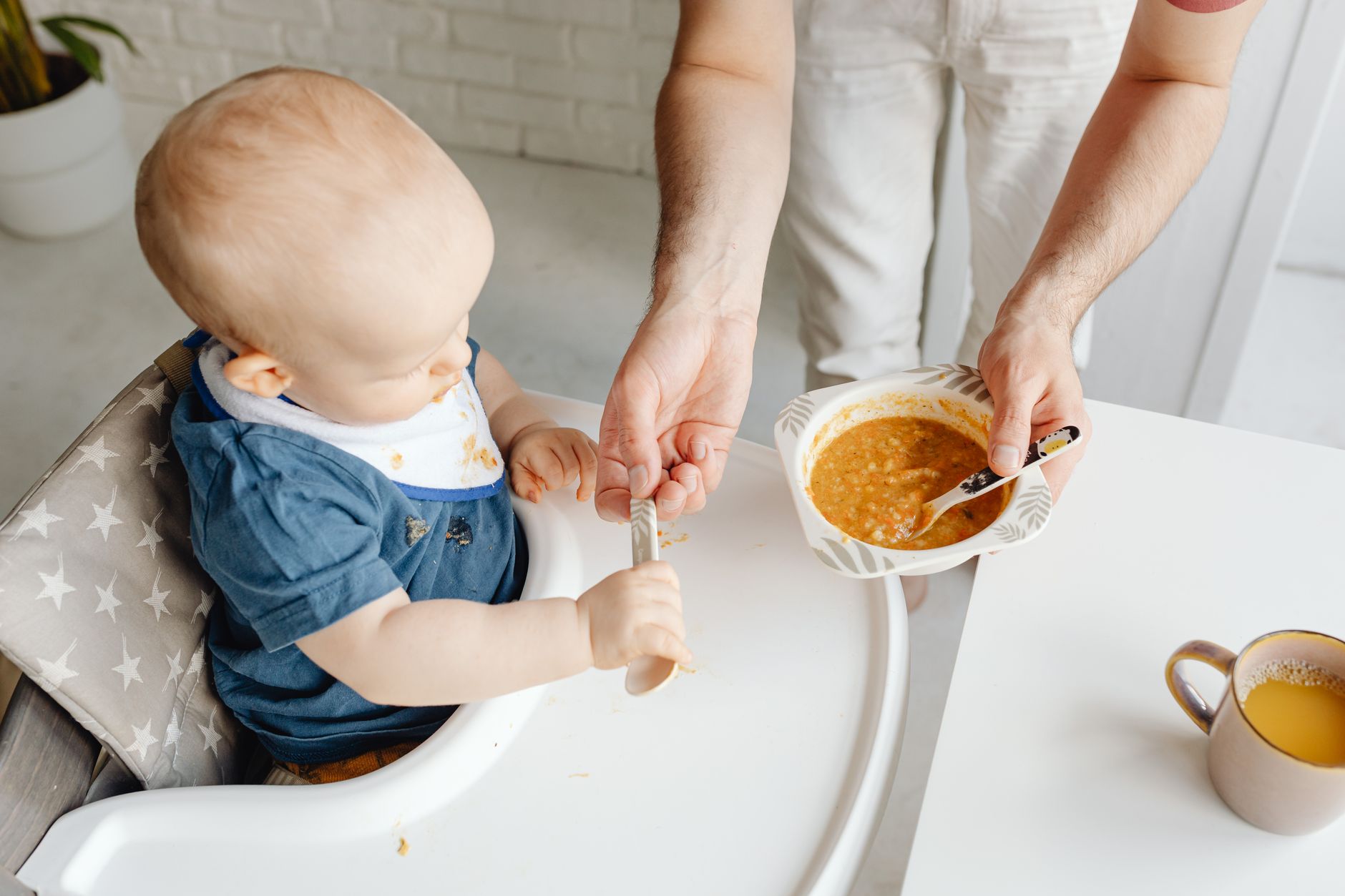
Introduce a variety of textures—soft cooked veggies, fruit purees, and small protein pieces.
What are the average sleep patterns for 9 month old babies, and what about sleep regression?
Most nine‑month‑olds need 11–12 hours of nighttime sleep plus two naps totaling 2–4 hours. Sleep may be consolidated into a single morning nap and an afternoon nap, though some children still take three shorter naps.
Sleep regression—a temporary increase in night‑time wakings—often occurs around 8‑10 months. This can be linked to developmental leaps, teething, or changes in routine. Strategies to ease regression include maintaining a consistent bedtime routine, offering a gentle soothing object (like a soft blanket), and ensuring the sleep environment is dark and cool.
9 month old baby sleep regression
Typical signs include waking more than twice per night, increased clinginess at bedtime, or shorter naps. Most regressions resolve within 2–3 weeks.
Tips for better sleep
Stick to a calming bedtime routine (bath, story, lullaby).
Offer a brief, consistent “wake‑and‑feed” if your baby seems hungry.
Keep the room at about 68‑70 °F (20‑21 °C).
Use white‑noise to mask household sounds.
What should I expect at the 9 month well‑baby checkup?
The nine‑month well‑baby visit is a milestone for both health monitoring and parental reassurance. Your provider will:
Measure growth (weight, length, head circumference) and compare it to WHO growth charts.
Review feeding, sleep, and safety (including car‑seat use).
Administer vaccinations if due (e.g., the second dose of the pneumococcal conjugate vaccine, Hib, and possibly the measles‑mumps‑rubella (MMR) if recommended in your country).
Answer any questions you have about nutrition, sleep, or behavior.
Bring a list of any concerns, a record of foods you’ve introduced, and a sleep log if you’ve noticed irregularities. The doctor may suggest a developmental screening tool (like the Ages & Stages Questionnaire) if they notice any delays.
Myth vs. fact
Myth: All babies must be crawling by nine months.
Fact: While many do crawl, some skip the phase and go straight to pulling up or cruising. Variation is normal as long as other motor skills are progressing.
Myth: If a baby sleeps through the night, they’re getting enough nutrition.
Fact: Nighttime sleep doesn’t guarantee adequate caloric intake; solid foods and milk feeds during the day remain essential.
Myth: Babies shouldn’t have any separation anxiety.
Fact: Separation anxiety is a healthy sign of attachment. It typically peaks around nine months and gradually eases with consistent routines.
Key takeaways
By nine months, most babies sit without support, may crawl or pull to stand, and have a pincer grasp.
Babbling, name recognition, and simple object permanence games indicate healthy cognitive growth.
Stranger anxiety, waving, and social smiles are normal social‑emotional milestones.
Watch for red flags—lack of sitting, no crawling attempts, limited babbling, or loss of skills—and discuss them with your pediatrician.
Encourage development with daily floor play, interactive toys, reading, and safe exploration.
Offer three balanced solid meals plus breast milk or formula, and let your baby guide portion sizes.
Aim for 11–12 hours nighttime sleep with two naps; use consistent bedtime routines to manage regression.
At the nine‑month well‑baby visit, expect growth checks, milestone review, vaccination updates, and personalized advice.
Frequently asked questions
What should a 9 month old be doing?
A nine‑month‑old typically sits independently, may crawl or pull to stand, uses a pincer grasp, babbles with varied sounds, responds to their name, and shows stranger anxiety.
What are the red flags for a 9 month old?
Red flags include inability to sit without support, no attempts to crawl or pull up, limited hand use, lack of babbling, no response to name, or regression of previously mastered skills.
How do I know if my 9 month old is developing normally?
Compare your baby’s abilities to the typical milestones listed above and consider the range of normal variation. If most areas are on track, development is likely normal; any concerns warrant a pediatric check‑in.
What activities should I do with my 9 month old?
Floor play, simple hide‑and‑seek with toys, reading board books, singing songs with hand motions, and offering stacking cups or soft blocks all promote motor, language, and social growth.
What is the 9 month leap?
The “9‑month leap” refers to a rapid developmental surge where babies gain new motor and cognitive abilities, often accompanied by increased clinginess or brief sleep disruptions.
What sounds should a 9 month old be making?
Babbling should include repeated consonant‑vowel combos like “ba‑ba,” “da‑da,” or “ma‑ma,” with varied pitch and rhythm, laying the groundwork for future words.
When to call your doctor
If you notice any of the following, contact your pediatrician promptly: inability to sit without support, no attempts to crawl or pull up, absent babbling, lack of response to name, persistent fever, sudden loss of a skill, or any signs of choking.
This article provides general information and is not a substitute for personalized medical advice. Always discuss your child’s specific health needs with a qualified health professional.
References
American Academy of Pediatrics. “Developmental Milestones: 9 Months.” AAP, 2023.
World Health Organization. “Infant and Young Child Feeding: Guidelines.” WHO, 2022.
Centers for Disease Control and Prevention. “Child Development Milestones.” CDC, 2023.
National Institute for Health and Care Excellence. “Early Child Development.” NICE, 2022.
U.S. Food and Drug Administration. “Infant Nutrition and Safety.” FDA, 2023.
Royal College of Obstetricians and Gynaecologists. “Postnatal Care.” RCOG, 2022.
Mayo Clinic. “Sleep Regression in Babies.” Mayo Clinic, 2023.
Healthline. “Baby Development: What to Expect at 9 Months.” Healthline, 2023.
Not sure about the label on Baby Milestones At 9 Months products?
Snap the ingredients list and SafeFilter checks every ingredient for your stage — only 3 free scans this month, then you're locked until reset. Unlimited from $7/mo or $50/yr.
When Shubhra Mishra was expecting her first child in 2016, she was overwhelmed by conflicting food advice — one site said yes, another said never. By the time her second baby arrived in 2019, she realized millions of mothers face the same confusion.
That sparked a five-year journey through clinical nutrition papers, cultural diets, and expert conversations — all leading to BumpBites: a calm, compassionate space where science meets everyday motherhood.
Her long-term vision is to build a global community ensuring safe, supported, and free deliveriesfor every mother — because no woman should face pregnancy alone or uninformed. 🌿
🌍 Stand with mothers, shape safer guidance
Join a small circle of experts who review BumpBites articles so expecting parents everywhere can decide with confidence.