Discover the key baby milestones at 7 months, including physical, cognitive, and emotional developments, and learn what to expect during this stage
By Shubhra Mishra — a mom of two who turned her own confusion during pregnancy into BumpBites, a global mission to make food choices clear, safe, and stress-free for every expecting mother. 💛
Check whether any food is safe during pregnancy with the BumpBites Food Safety Checker.
Quick take: By seven months most babies can roll both ways, sit without support, babble, respond to their name, and show the first signs of stranger anxiety. They’re usually ready for a few spoon‑fed foods, nap two to three times a day, and need plenty of safe play to keep motor skills growing. If you notice a lack of eye contact, no babbling, or difficulty moving, talk to your pediatrician.
It’s 2 a.m., you’re scrolling through a half‑empty diaper bin, and the baby on your lap just rolled over for the first time. Your heart flutters with excitement, but a little voice in the back of your mind wonders, “Is this normal? What else should I be looking for?” You’re not alone—every parent reaches that milestone‑checkpoint and asks, “What comes next?” In this guide we’ll walk through every major milestone you can expect at seven months, from the first wobbly crawl to the newest babble, and give you practical tips to nurture growth while keeping your peace of mind.
We’ll cover the physical, language, and social‑emotional milestones; nutrition and sleep basics; red‑flag signs of delay; ideas for play that boost motor and cognitive development; and how to choose safe toys and soothe teething discomfort. By the end you’ll have a clear checklist, answers to the most common questions, and a few reassuring “what‑if” scenarios to discuss with your pediatrician.
What are the typical physical milestones for a 7‑month‑old baby?
At seven months most infants are mastering the core “big‑motor” skills that set the stage for crawling, standing, and eventually walking. The three hallmark abilities are:
Rolling both ways. By now babies can roll from tummy to back and back again, often using a coordinated arm‑and‑leg motion.
Sitting without support. They can sit upright for 30 seconds to a minute, using their hands only for balance when needed.
Reaching and grasping. Hands become more purposeful—picking up a rattle, transferring objects from one hand to the other, and using a thumb‑plus‑finger “pincer” grasp for small items.
These milestones reflect rapid growth of the cerebellum and muscle tone. The average weight gain for a seven‑month‑old is about 1–1.5 pounds (450–680 g) over the previous month, and height typically increases 0.5–0.75 inches (1.3–1.9 cm). Below is a quick reference table that aligns weight and height expectations with common percentiles.
Age (months)
Weight (kg)
Height (cm)
Typical Percentile
6
7.2 – 8.5
66 – 68
40th‑60th
7
7.7 – 9.0
68 – 70
40th‑60th
8
8.2 – 9.5
70 – 72
40th‑60th
These ranges are based on CDC growth‑chart data and provide a helpful benchmark, but every child grows at a unique pace. If your baby’s measurements fall within the 5th–95th percentile, they’re generally on track. What matters most is the trend over time, not a single snapshot.
Beyond the core milestones, many seven‑month‑olds begin to experiment with “army crawling” — dragging their belly forward while using their arms to pull themselves along the floor. This is a normal precursor to hands‑and‑knees crawling and shows that the nervous system is coordinating axial and limb muscles. Encouraging this movement on a soft rug helps strengthen core muscles without the fear of a hard surface.
7 month‑old baby crawling tips
Many parents wonder when crawling will begin. While some babies start as early as five months, the average onset is between eight and ten months. To encourage crawling:
Give plenty of supervised tummy‑time—aim for a total of 20–30 minutes spread throughout the day.
Place a favorite toy just out of reach, encouraging the baby to shift weight and scoot forward.
Use a soft, safe surface such as a rug or foam mat; a firm floor can feel intimidating.
Limit time in restrictive seats (bouncers, swings) to a maximum of 30 minutes per day.
Remember, rolling, scooting, and “army crawling” (dragging the belly forward) are all valid precursors to the classic hands‑and‑knees crawl.
Encourage crawling by placing a favorite toy just out of reach during tummy time.
What language development milestones should I expect at 7 months?
Language at seven months is still mostly pre‑verbal, but the foundation for later speech is being laid. Typical milestones include:
Babbling. Babies produce repetitive consonant‑vowel combos like “ba‑ba” or “da‑da.” This is the first step toward word formation.
Responding to their name. When you call, “Emma?” she may turn her head or smile, showing that she’s beginning to link sound with identity.
Recognizing simple sounds. High‑pitched noises, animal noises, or the rhythm of a lullaby become familiar, and babies may look toward the source.
Most seven‑month‑olds will not yet say recognizable words, but they might make a single vowel sound or a short “m‑m” when excited. It’s a good sign when they pause and look at you after you speak, indicating early turn‑taking. According to the American Academy of Pediatrics (AAP), the quality of babbling—varied pitch, different consonants, and rhythmic timing—is a stronger predictor of later language than the sheer number of sounds.
To nurture language, talk to your baby often, narrating everyday activities (“We’re putting on your socks now”) and using eye contact. Even if your baby seems distracted, the repeated exposure to your voice helps forge neural pathways that will later support vocabulary growth.
How many words should a 7‑month‑old baby say?
According to the American Academy of Pediatrics (AAP), the average seven‑month‑old says zero to one true words, typically “mama” or “dada” used indiscriminately. The key indicator is the quality of babbling—not quantity of words. If babbling is absent or limited, it’s worth discussing with a pediatrician.
How many solid foods should a 7‑month‑old baby be eating?
Solid foods are an exciting new world for both baby and parent. By seven months most infants are ready for a variety of single‑ingredient purees and soft finger foods. General guidelines from the NHS and the WHO recommend:
Meal frequency. Offer 2–3 meals per day, each about 2–4 oz (60–120 ml) of pureed or mashed food.
Portion size. Start with a teaspoon and gradually increase to a tablespoon as appetite grows.
Variety. Include iron‑rich cereals, cooked vegetables, fruit purees, and soft proteins like well‑cooked lentils or shredded chicken.
Watch for cues of hunger (reaching, opening mouth) and fullness (turning away, slowing sucking). Breastmilk or formula remains the primary source of nutrition—solids supplement, not replace, the caloric intake.
When should a 7‑month‑old start drinking water?
Small sips of water can be introduced once solids are well‑tolerated, usually around six to eight months. Offer 2–4 oz (60–120 ml) per day in a sippy cup or open‑top cup. Avoid sugary drinks, juice, and cow’s milk until after the first birthday, per AAP recommendations.
How to know if my 7‑month‑old is ready for solid foods?
Readiness signs include:
Head‑up control and sitting with minimal support.
Loss of the tongue‑thrust reflex—baby can keep food in the mouth.
Interest in what you’re eating (watching, reaching).
If these cues are present, start with single‑ingredient purees and wait three days before adding a new food to monitor for allergies.
7 month‑old baby teething signs
Teething often begins between four and seven months. Common signs are:
Increased drooling.
Chewing on fingers, toys, or anything within reach.
Fussiness, especially at night.
Swollen or tender gums.
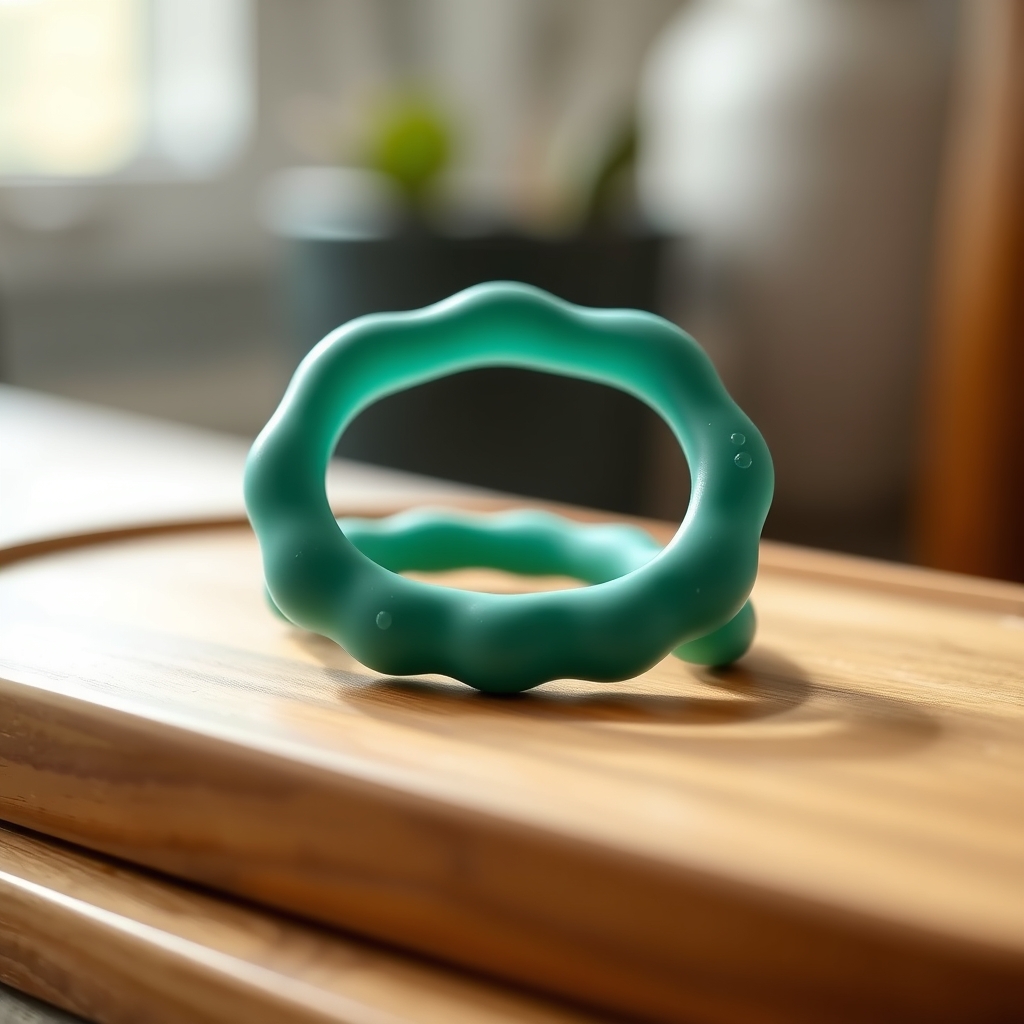
Offer a chilled (not frozen) teething ring or a clean, damp washcloth for soothing. If fever or severe diarrhea occurs, contact your pediatrician, as these are not typical teething symptoms.
Introduce simple purees like sweet potato alongside a small sippy cup of water.
What are the sleep patterns and nap schedule for a 7‑month‑old baby?
Sleep at seven months is becoming more predictable, though every baby’s rhythm differs. Typical patterns include:
Nighttime sleep. 10–12 hours total, often with one or two brief awakenings.
Daytime naps. Two to three naps, lasting 30 minutes to 2 hours each, spaced roughly three to four hours apart.
Bedtime routine. A consistent sequence—dim lights, a short story, a lullaby—helps signal sleep time.
Most infants start sleeping through the night (a stretch of 6+ hours) by eight months, but it’s normal for a seven‑month‑old to still need a quick feeding or soothing once during the night. Consistency, rather than perfection, is the key driver of healthy sleep habits.
Is it normal for a 7‑month‑old baby to sleep through the night?
Yes, many babies achieve a 6‑hour stretch by this age, but “sleeping through the night” can still mean occasional waking. If your baby consistently wakes every hour, consider feeding schedule, comfort items, or a brief check on temperature and diaper dryness.
What social and emotional milestones should I look for at 7 months?
Social development at seven months is marked by growing awareness of other people and emotions. Key milestones include:
Stranger anxiety. A baby may cry or turn away when a new person approaches, indicating attachment to primary caregivers.
Reciprocal smiles. They smile in response to your smile, forming a basic social exchange.
Expressing emotions. You’ll notice joy, frustration, and interest—e.g., a grin when a toy appears, or a frown when a favorite object is taken away.
These behaviors show the brain’s limbic system forming early social bonds. Responding with affectionate talk, eye contact, and gentle touch nurtures confidence. The Royal College of Paediatrics and Child Health (RCPCH) notes that consistent, responsive caregiving in this window supports secure attachment, which correlates with later emotional regulation.
Best toys for 7‑month‑old development
Developmentally appropriate toys are those that encourage grasping, shaking, and cause‑and‑effect learning. Favorites include:
Soft blocks with contrasting colors.
Rattles that make a gentle noise when shaken.
Stacking cups with textured surfaces.
Simple board books with high‑contrast images.
Choose toys that are easy to clean, free of small parts, and made from non‑toxic materials. Rotating a small selection every few weeks keeps curiosity high.
How can I spot signs of developmental delay in a 7‑month‑old baby?
Early detection matters. While variations are normal, certain red‑flag signs suggest a need for professional evaluation. Watch for:
Inability to roll both ways by eight months.
No attempt to sit unsupported by nine months.
Absence of babbling or vocal play at nine months.
Lack of eye contact or social smile by six months.
Persistent stiff or floppy muscle tone.
If you notice two or more of these concerns, schedule a well‑child visit. The AAP advises that developmental screening should occur at 9 months, but earlier referral is encouraged when red flags appear. Early intervention services, such as those coordinated by the US Department of Health and Human Services, can make a meaningful difference when started promptly.
What can a 7‑month‑old baby do?
Beyond the milestones listed, a typical seven‑month‑old can:
Transfer a toy from hand to hand.
Show interest in the adult’s face and follow it with eye movements.
Enjoy peek‑a‑boom and other simple interactive games.
Express pleasure with clapping or reaching for a favorite object.
These abilities illustrate the rapid cognitive integration happening at this age.
How can I encourage motor and cognitive development at 7 months?
Deliberate play is the best catalyst for growth. Here are evidence‑based strategies:
Tummy time with toys. Place a bright toy just out of reach to motivate reaching, twisting, and eventually crawling.
Interactive reading. Use board books with flaps; point to pictures and name objects to build language‑cognition links.
Music and movement. Sing simple songs and gently sway; rhythm helps brain‑body coordination.
Fine‑motor practice. Offer soft‑grip spoons, large‑button toys, or textured balls to strengthen hand muscles.
Social games. Play peek‑a‑boom, copy facial expressions, and encourage “turn‑taking” by pausing and waiting for the baby to respond.
These activities are low‑stress, high‑reward, and can be woven into daily routines—whether during diaper changes, feeding, or bedtime wind‑down. The National Institute of Child Health and Human Development (NICHD) emphasizes that repetitive, responsive interaction is more beneficial than passive screen time at this stage.
7 month‑old baby milestone checklist PDF
For a printable reference, download our 7‑month milestone checklist PDF. It outlines the key physical, language, and social milestones, plus space to note your baby’s personal achievements.
Create a safe, inviting play area with soft toys and board books to support milestones.
Choosing safe toys for a 7‑month‑old
Safety and developmental value go hand‑in‑hand when selecting toys for a seven‑month‑old. Look for items that are:
Large enough to avoid choking. Toys should be at least 1½ inches (4 cm) in diameter and have no detachable small parts.
Made from non‑toxic, BPA‑free materials. The Consumer Product Safety Commission (CPSC) requires clear labeling for infant toys.
Textured and noisy. Contrasting colors, crinkly fabrics, and gentle rattles stimulate visual, tactile, and auditory pathways.
Rotate toys every few weeks to keep novelty high, and always supervise play on a clean, flat surface. If a toy shows wear, cracks, or paint flaking, replace it promptly to prevent injury.
Choose BPA‑free, large‑piece toys that encourage grasping and chewing.
Understanding teething pain relief at 7 months
Teething can be uncomfortable, but most discomfort can be managed safely at home. The American Academy of Pediatrics (AAP) recommends:
Cold relief. A chilled (not frozen) teething ring or a clean, wet washcloth placed in the fridge for a short time can numb gums.
Gentle massage. Using a clean finger, gently rub the baby’s gums in circular motions.
Over‑the‑counter options. If pain seems severe, a pediatrician‑approved dose of infant acetaminophen (Tylenol) can be used; ibuprofen is generally not recommended until 6 months of age and only under medical advice.
Avoid topical benzocaine gels, as the FDA warns they can cause a rare but serious condition called methemoglobinemia. If your baby develops a fever over 38.5 °C (101.5 °F) that persists beyond 24 hours, or if you notice an unusual rash, contact your pediatrician—these are not typical teething symptoms.
Cool teething rings can soothe sore gums without medication.
Traveling with a 7‑month‑old: tips for safety and comfort
Travel can be stressful, but a few simple strategies keep a seven‑month‑old safe and happy on the road. Consider these guidelines:
Car safety. Use a rear‑facing infant car seat that meets US Federal Motor Vehicle Safety Standard 225 (FMVSS 225) or the UK’s ECE R44/04. Install the seat at the correct angle and double‑check the harness.
Air travel. Offer a feeding or a pacifier during take‑off and landing to help equalize ear pressure. Bring a portable travel crib or a bassinet approved for airline use.
Pack essentials. Include enough formula or breastmilk, a few solid‑food jars, a small sippy cup of water, a favorite soft toy, and a lightweight blanket for soothing.
Maintain routine. Try to keep nap times and feeding schedules as close to home as possible; familiar rhythms reduce fussiness.
Planning ahead reduces anxiety for both parent and baby. The American Academy of Pediatrics (AAP) notes that a well‑prepared travel kit and a calm caregiver are the most important factors for a smooth trip.
Supporting sensory development at 7 months
Sensory systems—sight, hearing, touch, taste, and smell—are rapidly maturing at seven months. Exposing your baby to a variety of textures, sounds, and visual contrasts helps integrate these pathways. Simple activities like a soft‑fabric blanket with different textures, a gentle rattle with varying tones, or a short “nature walk” where the baby can hear birds and feel grass can boost sensory processing.
The American Academy of Pediatrics (AAP) suggests offering at least one new sensory experience each day, but always within a safe, supervised environment. If your baby seems unusually fussy after a new stimulus, give them time to adjust and try again later; overstimulation can be overwhelming.
Introducing allergenic foods and gut health at 7 months
Recent guidelines from the AAP and NHS encourage introducing common allergens—such as peanut butter, egg yolk, or dairy—in small, well‑cooked forms after the baby has tolerated several other foods. Doing this between six and nine months may reduce the risk of food allergy, especially when there is a family history of allergies.
When offering a new allergen, start with a teaspoon of a smooth puree and wait three days before adding another new food. Observe for any rash, swelling, or vomiting, which would warrant immediate medical advice. In addition, a diet rich in fiber (soft cooked vegetables) and probiotic‑rich foods like plain yogurt can support a healthy gut microbiome, which emerging research links to immune development.
From our medical team: “Every baby’s timeline is unique, but the patterns described here line up with most pediatric growth charts. If you ever feel unsure about a milestone—whether it’s rolling, babbling, or introducing a new food—bring your observations to the next well‑child visit. A quick check can give you peace of mind and, if needed, early support to keep development on track.”
Myth vs. fact
Myth: All babies must crawl before they can walk.
Fact: Some children skip the classic hands‑and‑knees crawl and move straight to cruising or walking, and this is within the range of normal development.
Myth: A baby who doesn’t say “mama” or “dada” by seven months is delayed.
Fact: Early babbling is the primary marker; specific words usually emerge closer to 10–12 months.
Myth: Solid foods replace breastmilk or formula at seven months.
Fact: Breastmilk or formula still provides >50 % of calories at this age; solids are a supplement, not a replacement.
Key takeaways
Physical milestones: rolling both ways, sitting unsupported, and purposeful grasping are the main goals.
Language: babbling, name response, and sound recognition signal healthy speech development.
Nutrition: offer 2–3 small meals of pureed or soft foods, introduce water in a sippy cup, and watch for readiness cues.
Sleep: aim for 10–12 hours at night plus 2–3 naps; keep a consistent bedtime routine.
Social‑emotional: expect stranger anxiety, reciprocal smiles, and basic emotion expression.
Safety: choose large, non‑choking toys made from BPA‑free materials, and follow car‑seat guidelines when traveling.
If you notice red‑flag signs—lack of rolling, no babbling, or persistent stiff tone—consult your pediatrician promptly.
Frequently asked questions
What can a 7‑month‑old baby do?
A typical seven‑month‑old can roll both ways, sit without support, transfer objects hand‑to‑hand, babble, respond to their name, show stranger anxiety, and enjoy simple interactive games.
How many words should a 7‑month‑old baby say?
Most babies at this age say zero to one true word, often “mama” or “dada” used indiscriminately; babbling quality is a more reliable indicator of language progress.
When do babies start crawling?
Crawling usually begins between eight and ten months, though some start as early as five months and others may skip the classic crawl entirely and move straight to pulling‑to‑stand.
Is it normal for a 7‑month‑old to sleep through the night?
Yes, many babies achieve a 6‑hour stretch by seven months, though occasional night waking for feeding or comfort is still common.
What foods can a 7‑month‑old baby eat?
Safe options include iron‑fortified cereals, mashed vegetables (sweet potato, carrots), fruit purees (banana, pear), soft proteins (well‑cooked lentils, shredded chicken), and small amounts of water in a sippy cup.
How can I tell if my baby is hitting milestones on time?
Compare your child’s abilities to the typical milestones listed above; if most items match and no red‑flag signs appear, they’re likely on track. When in doubt, discuss concerns with your pediatrician.
Can I give my 7‑month‑old probiotic supplements?
Current guidance from the American Academy of Pediatrics (AAP) suggests that routine probiotic supplementation is not necessary for most infants. If your baby has specific gastrointestinal issues, talk to your pediatrician before starting any supplement.
Is it safe to use a pacifier for a 7‑month‑old?
Yes, a clean, orthodontic‑shaped pacifier can be soothing and may reduce the risk of sudden infant death syndrome (SIDS) when used at sleep time, according to the CDC. Replace the pacifier regularly and discontinue use after the infant’s first birthday to avoid dental issues.
When is it appropriate to start introducing allergenic foods?
Guidelines from the AAP and NHS recommend offering small amounts of well‑cooked peanut butter, egg yolk, or dairy after six months, provided the baby has tolerated several other foods without reaction. Introduce one allergen at a time and watch for any signs of allergy.
How do I know if my baby’s appetite is healthy?
A healthy appetite shows up as eagerness to try new foods, steady weight gain within growth‑chart percentiles, and the ability to self‑regulate—turning away when full. If your baby consistently refuses solids or shows rapid weight loss, discuss nutrition with your provider.
When to call your doctor
If you notice any of the following, seek medical advice promptly: loss of eye contact, no babbling by nine months, inability to roll or sit unsupported by eight months, persistent stiff or floppy muscle tone, feeding difficulties (e.g., choking, gagging), fever > 38.5 °C (101.5 °F) with teething, or any sudden change in sleep or behavior. This information is for educational purposes only and does not replace personalized medical care.
References
American Academy of Pediatrics. “Developmental Milestones: 6–12 Months.” AAP Guidance, 2023.
Centers for Disease Control and Prevention. “Infant Growth Charts.” CDC, 2022.
National Health Service (UK). “Introducing Solids.” NHS, 2023.
World Health Organization. “Infant and Young Child Feeding.” WHO, 2022.
American Academy of Pediatrics. “Sleep Guidelines for Infants.” AAP, 2023.
Royal College of Paediatrics and Child Health. “Developmental Surveillance.” RCPCH, 2022.
U.S. Food and Drug Administration. “Safe Use of Infant Products.” FDA, 2023.
Not sure about the label on Baby Milestones At 7 Months products?
Snap the ingredients list and SafeFilter checks every ingredient for your stage — only 3 free scans this month, then you're locked until reset. Unlimited from $7/mo or $50/yr.
When Shubhra Mishra was expecting her first child in 2016, she was overwhelmed by conflicting food advice — one site said yes, another said never. By the time her second baby arrived in 2019, she realized millions of mothers face the same confusion.
That sparked a five-year journey through clinical nutrition papers, cultural diets, and expert conversations — all leading to BumpBites: a calm, compassionate space where science meets everyday motherhood.
Her long-term vision is to build a global community ensuring safe, supported, and free deliveriesfor every mother — because no woman should face pregnancy alone or uninformed. 🌿
🌍 Stand with mothers, shape safer guidance
Join a small circle of experts who review BumpBites articles so expecting parents everywhere can decide with confidence.