Discover key baby milestones at 10 months, including motor skills, communication, and social growth. Learn what to expect and how to support your baby’s development.
By Shubhra Mishra — a mom of two who turned her own confusion during pregnancy into BumpBites, a global mission to make food choices clear, safe, and stress-free for every expecting mother. 💛
Check whether any food is safe during pregnancy with the BumpBites Food Safety Checker.
Quick take: By ten months most babies are crawling, saying a few simple words, and showing strong stranger anxiety. Their growth, sleep, and nutrition follow predictable patterns, but each child’s timeline is unique. If your baby is hitting most of the milestones below, you’re on track—yet keep an eye on any persistent delays and talk to your pediatrician.
It’s 2 a.m., you’re half‑asleep, and the soft “ma‑ma” coming from your little one’s crib makes you wonder: “Is this normal? Should I be worried?” You’re not alone. Ten‑month‑old milestones can feel like a moving target, with new skills popping up almost overnight. This guide walks you through what to expect, why it matters, and practical ways to nurture your baby’s development.
We’ll cover the physical, language, social, and cognitive milestones that most ten‑month‑olds reach, plus nutrition, sleep, and red‑flag signs that merit a professional check‑in. You’ll also find a printable checklist, a handy chart of average height and weight, and quick answers to the most common questions parents ask at this stage.
What are the typical physical milestones for a 10‑month‑old baby?
At ten months most babies are mastering the art of moving independently. The hallmark physical milestones include:
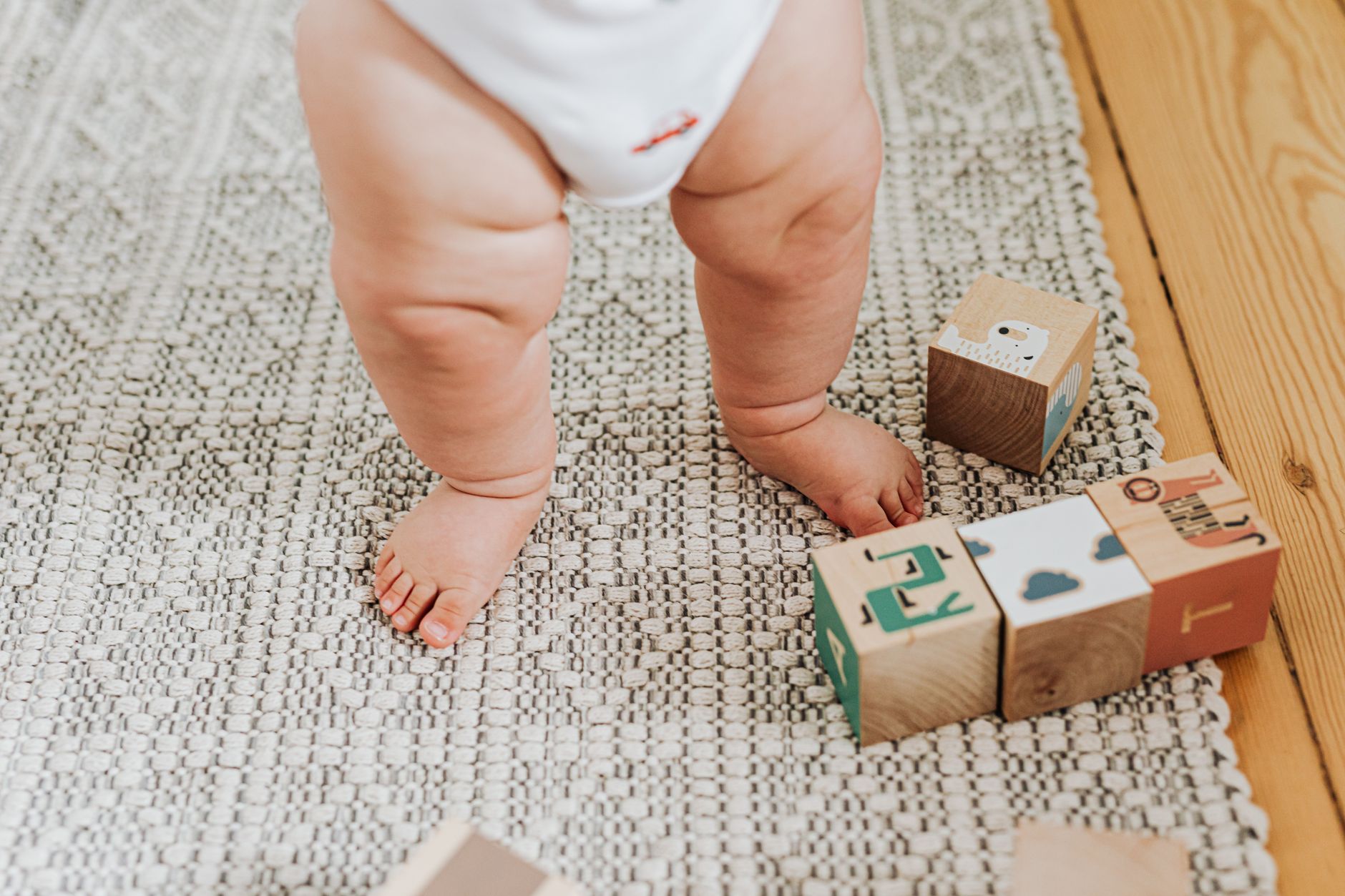
Crawling: Whether the classic hands‑and‑knees crawl, the “army crawl,” or scooting on the belly, most babies can propel themselves forward.
Standing with support: Many can pull to a stand using furniture or a caregiver’s hands, and they may briefly bear weight on their legs.
Grasping objects: The pincer grasp—using thumb and forefinger—is refined, allowing babies to pick up small items like cereal pieces or crackers.
Fine‑motor coordination: Turning pages of a board book, banging toys together, and transferring objects from one hand to the other become smoother.
These skills develop because the brain’s motor cortex and cerebellum are rapidly wiring new pathways. Consistent, safe opportunities to explore—such as a soft rug for crawling or a sturdy piece of furniture for pulling up—support this growth.
Beyond the basics, many ten‑month‑olds begin experimenting with “cruising,” taking steps sideways while holding onto a couch or low table. This transitional phase strengthens the ankle and hip muscles, laying the groundwork for confident walking later. According to the American Academy of Pediatrics (AAP), encouraging cruising in a supervised, hazard‑free environment can accelerate motor confidence without increasing injury risk.1
Give your baby a safe, open space to practice crawling and pulling up.
How many words should a 10‑month‑old baby be saying?
By ten months many babies have moved beyond babbling “ba‑ba‑ba” to uttering a few real words. Typical language output includes:
One to three recognizable words, often “mama,” “dada,” or a name for a favorite object.
Consistent use of the same sound to refer to a specific person or thing.
Responsive babbling that mirrors the tone and rhythm of adult speech.
Language development is closely tied to hearing and social interaction. Talking, singing, and reading aloud multiple times a day give babies the auditory patterns they need to form words.
Research from the National Institute for Health and Care Excellence (NICE) shows that responsive language exposure—where caregivers pause and label objects—boosts word acquisition by up to 30 % in the first year.2 Simple daily routines, such as naming foods during meals or describing actions while playing, make a measurable difference.
Signs of delayed speech at 10 months
If your baby isn’t babbling, isn’t responding to their name, or shows little interest in vocal play, it may be early speech delay. Watch for:
Absence of babbling or very limited vocalizations.
Failure to respond to simple verbal cues like “come here.”
Limited eye contact during conversation.
Inability to mimic simple sounds after repeated exposure.
Early identification matters. If you notice two or more of these signs, discuss them with your pediatrician, who may recommend a hearing screen or a referral to a speech‑language pathologist.
Can a 10‑month‑old baby walk unaided?
Most ten‑month‑olds are still mastering crawling and pulling to stand; independent walking typically emerges between 12 and 15 months. However, a small number of babies may take a few unassisted steps as early as ten months.
Key indicators of walking readiness include:
Ability to stand with minimal support.
Balanced weight shifting from one leg to the other.
Strong core muscles that keep the torso upright.
Encourage safe practice by placing a sturdy, low table or a push‑toy within reach, and always supervise to prevent falls.
What social and emotional milestones occur at 10 months?
Social development blossoms as babies become more aware of the people around them. Common milestones are:
Stranger anxiety: Distress when a new caregiver arrives, often expressed by crying or clinging to a familiar adult.
Separation anxiety: Upset when a parent leaves the room, even briefly.
Expressing preferences: Reaching for a favorite toy or showing excitement for a particular song.
Interactive play: Simple games like peek‑a‑boo become more engaging.
These behaviors signal healthy attachment and emerging self‑awareness. Responding consistently—comforting them when they’re upset and encouraging brief separations—helps build confidence.
According to the UK’s NHS guidelines, regular “social routines” such as daily cuddle time and responsive face‑to‑face interaction are linked to stronger emotional regulation later in toddlerhood.3
Nutrition guidelines for a 10‑month‑old baby
At ten months, babies transition from purees to a broader range of textures and flavors. Recommended nutrition includes:
Breast milk or formula: Still provides about 24‑30 oz (710‑885 ml) per day.
Solid foods: Three meals plus two to three snacks, offering a mix of iron‑rich cereals, soft fruits, cooked vegetables, and protein sources like shredded chicken or beans.
Finger foods: Small, soft pieces that encourage self‑feeding—think banana slices, avocado cubes, or well‑cooked pasta.
Water: Up to 4–6 oz (120‑180 ml) per day, especially if the baby is eating more solids.
Introduce one new food every 3–5 days, watching for allergic reactions. Continue to avoid honey, whole nuts, and unpasteurized dairy until at least one year.
The NHS recommends offering a variety of colors on the plate to ensure a broad nutrient profile, and to keep iron intake high by pairing meat or fortified cereals with vitamin C‑rich fruits.4
How to encourage crawling in a 10‑month‑old
Crawling is a foundational motor skill that links upper‑ and lower‑body coordination. Here are practical tips:
Create a safe floor space: Lay down a clean, non‑slippery rug or play mat.
Use motivating toys: Place a favorite toy just out of reach to prompt movement.
Model the motion: Get on hands and knees yourself; babies love mimicry.
Limit time in restrictive seats: Reduce time in high chairs, swings, or bouncers to give more floor time.
Offer tummy time: Even after they can sit up, short daily sessions keep core muscles strong.
Celebrate each attempt, even if the baby pauses or rolls back. Positive reinforcement fuels confidence.
Studies from the CDC indicate that infants who receive at least 30 minutes of supervised floor play per day show earlier mastery of crawling and cruising milestones compared with those who spend most of their time in seated devices.5
10‑month‑old baby sleep patterns and tips
Typical sleep at this age includes about 12–15 hours total per day, broken into:
One long nighttime stretch of 10–12 hours (often with a brief night waking).
Two daytime naps lasting 1–2 hours each.
To promote better sleep:
Establish a consistent bedtime routine: Bath, dim lights, a lullaby, and a brief story.
Maintain a regular schedule: Same wake‑up time and nap times each day.
Watch for sleep cues: Rubbing eyes, yawning, or becoming fussy signals it’s nap time.
Create a soothing environment: Dark room, white noise, and a comfortable sleep surface.
Gradual adjustments—like moving bedtime later by 10 minutes each night—can help if the baby’s schedule drifts.
The NHS sleep guidance emphasizes a “sleep window” of 30‑45 minutes for naps at this age; extending beyond this can lead to overtiredness and harder night sleep.6
Consistent bedtime routines help your ten‑month‑old settle for longer stretches.
10 month old baby milestones checklist PDF
Having a printable checklist can be a reassuring way to track progress. Below is a concise list you can copy into a document and save as a PDF:
Milestone
Typical Age Range
Observed at 10 months?
Crawls on hands and knees
8–10 months
✔︎
Pulls to stand
9–12 months
✔︎
Pincer grasp
9–11 months
✔︎
Says “mama” or “dada”
9–12 months
✔︎
Understands “no”
9–12 months
✔︎
Shows stranger anxiety
8–12 months
✔︎
Drinks from a cup
9–12 months
✔︎
Two daily naps
8–12 months
✔︎
Print and keep it on the fridge; crossing off milestones can be both fun and reassuring.
10 month old baby developmental milestones chart
The chart below summarizes the major domains of development for a typical ten‑month‑old.
Domain
Typical Milestones
Physical
Crawls, pulls to stand, pincer grasp, transfers objects.
Language
Babbling with consonants, 1‑3 words, understands “no.”
Individual variation is normal—some babies may be a few centimeters taller or lighter. Regular pediatric check‑ups track growth percentiles and ensure nutrition is on track.
Activities to promote motor skills at 10 months
Play is the best “exercise” for a ten‑month‑old. Try these activities:
Obstacle crawl: Arrange cushions and low boxes for a safe mini‑course.
Stacking cups: Encourages hand‑eye coordination and the pincer grasp.
Push‑toy walk‑alongs: When your baby can stand, a sturdy push‑toy supports early steps.
Texture exploration: Offer fabrics of different feels (soft fleece, smooth silicone) to stimulate tactile awareness.
Music and movement: Play upbeat songs and gently sway or bounce together, strengthening core muscles.
Rotate toys every few days to keep curiosity high.
When do babies start saying first words?
First words often appear between nine and twelve months, though some babies may speak earlier or later. The key is that the baby is producing consistent sounds that map to a specific meaning—most commonly “mama,” “dada,” or the name of a favorite object.
Frequent conversation, naming objects, and reading picture books accelerate vocabulary growth. Even if your baby isn’t verbal yet, responding to their babbles is crucial for language development.
Signs your 10‑month‑old is ready to potty train
While most toddlers begin toilet training after 18 months, a few ten‑month‑olds show early readiness cues:
Stays dry for longer periods (e.g., two‑hour naps).
Shows interest in the bathroom routine—watching you or wanting to sit on the potty.
Can pull pants up and down independently.
Communicates discomfort when wet.
If you notice several of these signs, you can gently introduce a potty chair without pressure, but expect the formal training to start later.
How many naps should a 10‑month‑old have?
Most ten‑month‑olds nap twice a day, each lasting 1–2 hours. Typical nap times are:
Morning nap: 9:30 a.m.–11:00 a.m.
Afternoon nap: 2:00 p.m.–3:30 p.m.
Consistency helps regulate the circadian rhythm. If your baby resists a nap, check for overtiredness (crying, rubbing eyes) and adjust the schedule by 10–15 minutes.
10 month old baby milestones vs 9 months
Comparing the ninth and tenth month highlights rapid progress:
Milestone
9 months
10 months
Crawling
Beginning to scoot or belly‑crawl
Hands‑and‑knees crawling
Standing
May sit unsupported
Pulls to stand, may cruise
Language
Babbling, “ba‑ba”
1‑3 words, responds to “no”
Social
Shows interest in faces
Stranger anxiety, separation anxiety
These shifts are normal; any regression or plateau should be discussed with a pediatrician.
Activities to promote crawling in a 10‑month‑old
We’ve already covered crawling tips, but here’s a quick, repeatable routine:
Lay a soft blanket on the floor.
Place a favorite toy 12‑18 inches away.
Encourage your baby to reach, cheer them, and gradually increase distance.
Repeat 5‑10 minutes, 2‑3 times a day.
Consistency builds muscle memory and confidence.
10 month old baby sleep patterns and tips
Revisiting sleep, consider these troubleshooting tricks:
Early bedtime: If night waking is frequent, try a slightly earlier lights‑out.
White noise: A gentle sound mask can calm a baby who’s sensitive to household noises.
Comfort object: A small, breathable blanket (once safety‑checked) can provide reassurance.
Patience is key—sleep patterns often settle by 12 months.
How to support language development at 10 months
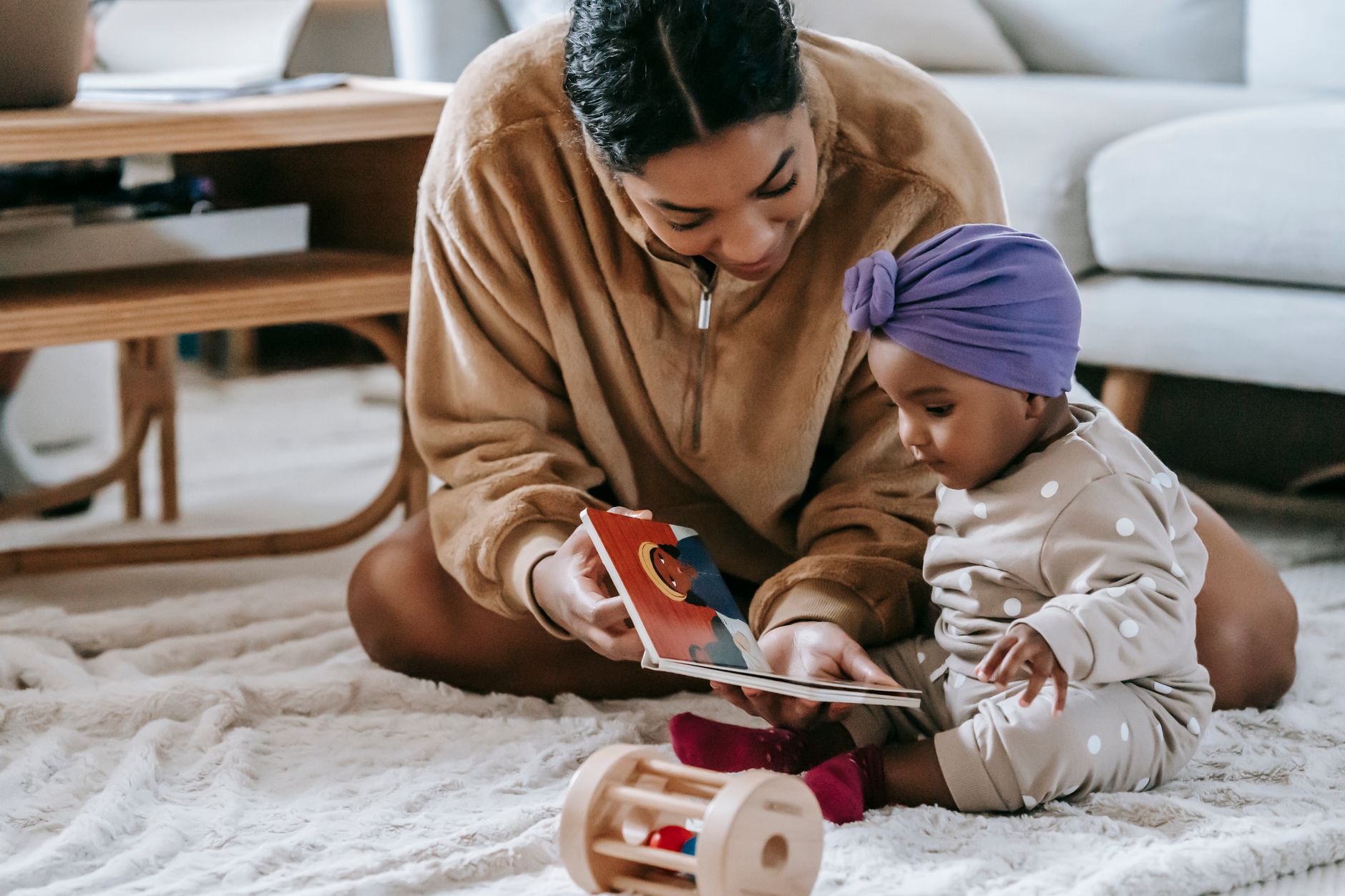
At this stage, babies are soaking up every sound. Talk to them throughout the day, naming foods, clothing, and actions as you go. Reading a short board book twice daily, pointing to pictures, and pausing for a response invites turn‑taking, a core language skill.
The American College of Obstetricians and Gynecologists (ACOG) advises that “responsive talking” — where a caregiver repeats a baby’s sound and adds a word — can double the rate of new word acquisition between 9 and 12 months.7 Keep the tone upbeat and use facial expressions to reinforce meaning.
Reading together boosts vocabulary and bonding.
Baby‑proofing tips for the crawling stage
Crawling opens up a whole new world — and a whole new set of hazards. Start by securing furniture to walls, covering electrical outlets, and removing small objects that could be swallowed.
The CDC recommends a “baby‑proof checklist” that includes anchoring bookshelves, using safety gates at stairways, and keeping cords out of reach. A quick 15‑minute walk around the play area with a flashlight can reveal hidden dangers that a crawling baby might discover.8
Introducing new textures and foods safely at 10 months
Now that your baby can handle soft finger foods, it’s a good time to broaden textures. Offer steamed carrots cut into match‑stick shapes, soft‑cooked beans, and ripe peach slices (peeled). These foods encourage chewing and oral‑motor development.
Follow the NHS “four‑day rule”: introduce a new food, wait three days, then observe for any rash, swelling, or gastrointestinal changes before adding another. This systematic approach helps identify potential allergies early.9
From our medical team: Ten‑month milestones are guidelines, not strict rules. Every baby’s brain and body develop at its own pace. If you’re ever unsure, a quick call to your pediatrician can provide peace of mind and tailored advice. Keep nurturing curiosity, offer nutritious foods, and enjoy the moments of discovery—your baby is learning more each day.
Myth vs. fact
Myth: All babies must be walking by ten months.
Fact: Walking typically begins between 12 and 15 months; crawling, standing, and cruising are the normal precursors at ten months.
Myth: If a baby says only “mama” and “dada,” they’re behind in language.
Fact: One to three words at ten months is average; comprehension often precedes expressive speech.
Myth: Babies this age don’t need water.
Fact: Small amounts of water (4–6 oz) help with digestion and are safe once solids are introduced.
Key takeaways
Most ten‑month‑olds crawl, pull to stand, and use a pincer grasp.
Expect 1‑3 clear words and a solid “no” comprehension.
Stranger and separation anxiety are normal social signs.
Offer three balanced meals plus healthy snacks; continue breast milk or formula.
Aim for 12–15 hours of sleep, split between night and two naps.
If you notice persistent delays—no babbling, no crawling, or regression—consult your pediatrician.
Frequently asked questions
What should a 10‑month‑old baby be able to do?
A typical ten‑month‑old can crawl, pull to stand, use a pincer grasp, say one to three words, show stranger anxiety, understand “no,” and sleep about 12–15 hours daily.
Is it normal for a 10‑month‑old to not be walking yet?
Yes. Independent walking usually appears after 12 months; at ten months most babies are still mastering crawling and pulling up.
How many words should a 10‑month‑old baby say?
Most say between one and three recognizable words, often “mama,” “dada,” or a name for a favorite object.
When do babies start crawling?
Crawling typically begins between 7 and 10 months, with the hands‑and‑knees style emerging around the ten‑month mark.
What are the signs of developmental delay at 10 months?
Key red flags include lack of babbling, no response to name, inability to sit unsupported, no attempt to crawl, and absent social smiles or eye contact.
How much sleep does a 10‑month‑old need?
About 12–15 hours total per day, including two daytime naps of 1–2 hours each and one long nighttime stretch.
What are safe ways to introduce new foods at this age?
Offer one new food every 3–5 days, watch for any allergic reaction, and stick to soft, appropriately sized pieces. The NHS recommends the “four‑day rule” to monitor for reactions.9
How much tummy time is still beneficial at 10 months?
Even after sitting up, 10‑month‑olds benefit from 10–15 minutes of supervised tummy time daily to maintain core strength and prevent flat head syndrome.10
When to call your doctor
Contact your pediatrician promptly if your baby shows any of the following: persistent lack of babbling, does not respond to their name, cannot sit up unassisted, shows no interest in crawling after multiple attempts, loses weight or fails to gain weight, or experiences fever, vomiting, or unusual lethargy. This article provides general information and is not a substitute for personalized medical advice.
References
American Academy of Pediatrics (AAP). “Developmental Milestones: 9‑12 Months.” Clinical Practice Guidelines, 2023.
National Institute for Health and Care Excellence (NICE). “Language Development in Early Childhood.” NICE Guideline NG123, 2021.
National Health Service (NHS). “Social and Emotional Development for Babies.” NHS Parenting Resources, 2022.
National Health Service (NHS). “Feeding and Nutrition for Infants 6‑12 Months.” NHS Guidance, 2021.
Centers for Disease Control and Prevention (CDC). “Safe Sleep and Developmental Milestones.” CDC Parenting, 2023.
National Health Service (NHS). “Sleep Guidelines for Babies 6‑12 Months.” NHS Sleep Advice, 2022.
American College of Obstetricians and Gynecologists (ACOG). “Supporting Language Development in Infancy.” ACOG Committee Opinion, 2022.
Centers for Disease Control and Prevention (CDC). “Baby‑Proofing Checklist.” CDC Home Safety, 2023.
National Health Service (NHS). “Introducing Solids and Food Allergies.” NHS Nutrition, 2022.
American Academy of Pediatrics (AAP). “Tummy Time Recommendations.” AAP Clinical Report, 2020.
World Health Organization (WHO). “Child Growth Standards.” WHO Growth Charts, 2022.
Royal College of Obstetricians and Gynaecologists (RCOG). “Post‑natal Care.” RCOG Clinical Guidance, 2022.
Mayo Clinic. “Sleep in Infants.” Mayo Clinic Health Information, 2023.
Not sure about the label on Baby Milestones At 10 Months products?
Snap the ingredients list and SafeFilter checks every ingredient for your stage — only 3 free scans this month, then you're locked until reset. Unlimited from $7/mo or $50/yr.
When Shubhra Mishra was expecting her first child in 2016, she was overwhelmed by conflicting food advice — one site said yes, another said never. By the time her second baby arrived in 2019, she realized millions of mothers face the same confusion.
That sparked a five-year journey through clinical nutrition papers, cultural diets, and expert conversations — all leading to BumpBites: a calm, compassionate space where science meets everyday motherhood.
Her long-term vision is to build a global community ensuring safe, supported, and free deliveriesfor every mother — because no woman should face pregnancy alone or uninformed. 🌿
🌍 Stand with mothers, shape safer guidance
Join a small circle of experts who review BumpBites articles so expecting parents everywhere can decide with confidence.