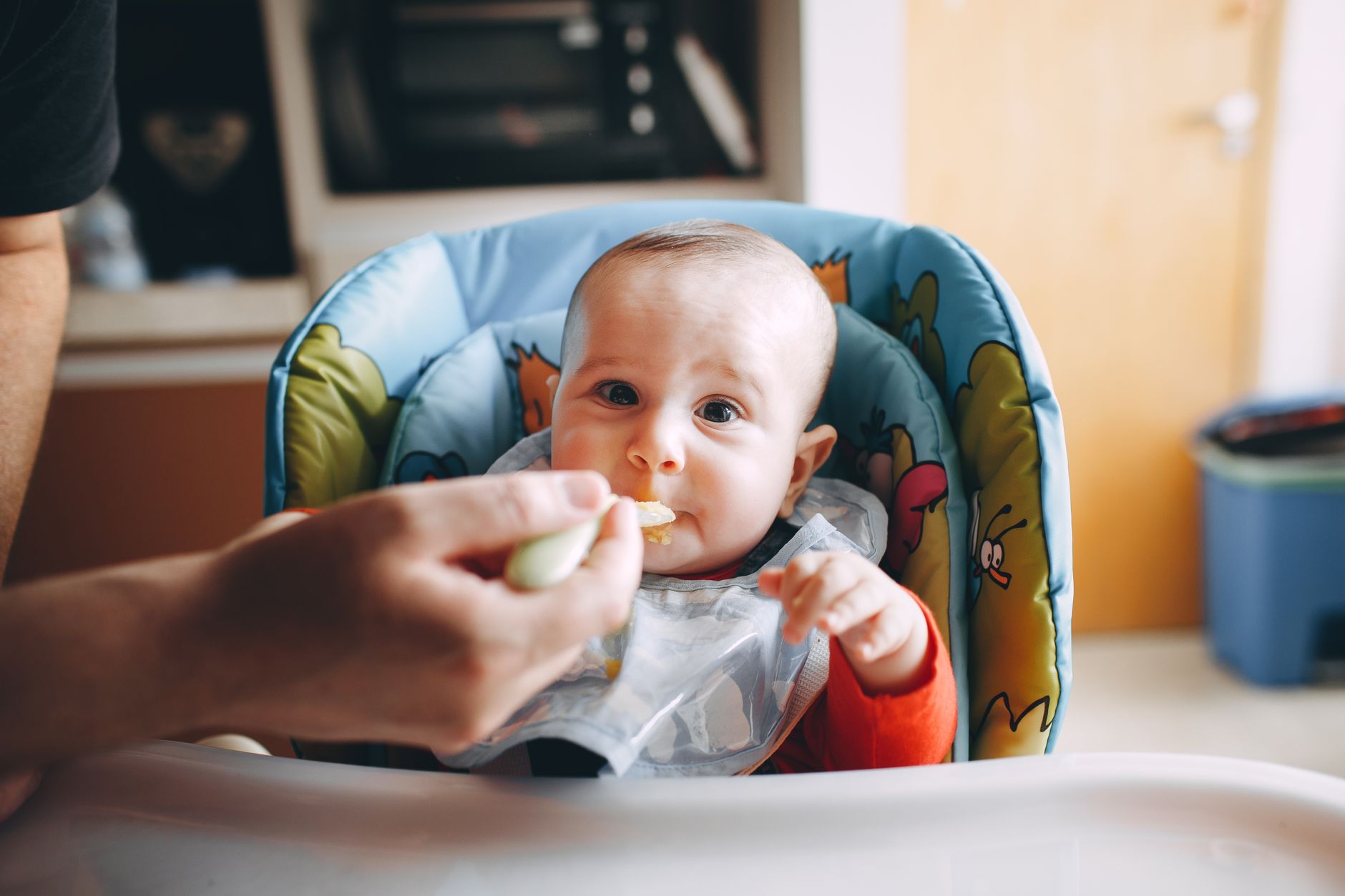
When the baby is ready, BLW offers several distinct benefits that many parents find compelling.
Motor‑skill development
BLW encourages the use of hands, fingers, and jaw muscles, fostering fine‑motor coordination and oral‑motor skills. A 2021 systematic review in the Journal of Pediatrics linked early self‑feeding with earlier mastery of pincer grasp and improved chewing ability by 12 months.
Family mealtime integration
Because BLW uses the same foods the rest of the family eats (cut into safe sizes), it simplifies meal planning and reduces waste. One mother shared, “I stopped making separate purees and now our whole family sits together—my son eats the same carrots I’m having, and I feel less like I’m “cooking for a baby” every night.”
Potential for better appetite regulation
Research from the University of Otago (2023) suggests that babies who self‑regulate their intake through BLW may develop healthier eating patterns and a lower risk of obesity later in childhood. The act of picking up food and deciding how much to eat can reinforce internal hunger cues.
Exposure to diverse textures early on
Introducing a variety of textures at the start helps reduce later food neophobia (fear of new foods). A longitudinal study by the Academy of Nutrition and Dietetics showed that children who began solids with BLW accepted a broader range of foods at age 3 compared with those who started with purees only.
Beyond the immediate benefits, many families report that BLW reduces the stress of mealtime preparation, because the same batch of roasted vegetables can serve both the adult plate and the baby’s high chair, with only a quick check for size and softness.
disadvantages of purees compared to baby led weaning
Pureed foods have their own set of drawbacks, especially when contrasted with the benefits of BLW.
Limited texture exposure
Purees keep the infant’s palate in the smooth zone for months, which can delay the development of chewing skills and increase the likelihood of picky eating later. The same Academy of Nutrition and Dietetics study found a modest increase in food refusal among pure‑only eaters at age 3.
Potential for over‑reliance on spoon‑feeding
When a caregiver is the primary feeder, there’s a risk of the baby becoming dependent on external cues for eating, possibly affecting self‑regulation of hunger. A 2020 AAP advisory notes that “responsive feeding” is easier to practice when the infant can self‑feed.
Higher preparation time and waste
Making fresh purees often requires steaming, blending, and storing, which can be time‑consuming. Commercial jars are convenient but can be expensive and sometimes contain added sugars or sodium. This can strain a busy family’s budget and schedule.
Less flexibility for family meals
Because purees need specific consistency, families often create separate meals for the baby, leading to extra dishes and potential nutritional gaps if the baby’s puree isn’t varied enough.
For parents who enjoy batch‑cooking, purees can still fit into a routine by preparing larger batches of vegetables and storing them in freezer‑safe portions. Yet the extra step of pureeing each batch can feel repetitive compared with the simplicity of offering the same cooked vegetable sticks the rest of the family enjoys.
how to transition from purees to baby led weaning
Many families start with purees and later wonder how to shift to BLW. The transition doesn’t have to be abrupt; a gradual blend works well for most infants.
Step‑by‑step transition plan
- Start with mixed textures. Offer a spoonful of puree alongside a soft, easy‑to‑grip finger food (e.g., steamed carrot sticks). Let the baby explore both.
- Increase finger‑food portion. Over 1–2 weeks, raise the size of the finger foods while slowly tapering the puree amount.
- Encourage self‑feeding. Place the baby’s high chair near the family table and let them pick up foods while you eat.
- Monitor iron intake. Ensure iron‑rich foods (e.g., soft‑cooked lentils or meat strips) are included, as purees often provide a concentrated iron source.
- Stay flexible. Some days the baby may prefer more puree; other days they’ll go full BLW. Both are fine as long as the baby meets nutritional needs.
When to seek guidance
If your baby shows persistent gagging, refuses finger foods after several attempts, or loses weight, consult your pediatrician. A dietitian can also help design a balanced hybrid plan.
Because iron needs are a frequent concern during the transition, many clinicians recommend a brief “iron‑check” at the 9‑month well‑child visit to ensure the hybrid approach is meeting the infant’s requirements.
baby led weaning vs purees nutritional differences
Nutrition is often the decisive factor for many parents. Below is a side‑by‑side snapshot of typical nutrient contributions from each method during the 6‑ to 12‑month window.
The numbers are close, but BLW typically delivers more fiber and slightly higher zinc, while purees may provide a marginally higher iron content because iron‑fortified cereals are easy to incorporate into purees. Either method can meet the AAP’s recommended daily intakes when varied foods are offered.
Ensuring adequate iron
Iron is crucial for brain development. If you favor BLW, pair iron‑rich finger foods (e.g., soft‑cooked beef strips, tofu cubes) with vitamin C‑rich items (e.g., orange slices) to boost absorption. For purees, choose iron‑fortified cereals or add a small amount of pureed meat.
Many dietitians also suggest a weekly “iron‑boost” meal that combines a source of heme iron with a citrus fruit or bell pepper, regardless of the feeding style. This simple pairing can increase non‑heme iron absorption by up to 50%.
what age can you start baby led weaning versus purees
Both approaches share a common starting window: roughly 4–6 months, once the baby demonstrates readiness cues. However, the exact age can vary based on individual development.
Typical timelines
- Pureed foods: Many parents begin at 4 months, especially if the pediatrician recommends iron supplementation or if the baby shows early readiness.
- Baby‑led weaning: Usually starts at 6 months, as the baby’s hand‑eye coordination and jaw strength are more reliable.
Some families start BLW as early as 5 months if the baby can sit upright unsupported and bring objects to the mouth without gagging excessively. Always confirm with your health care provider before introducing solids.
Readiness check list
- Can sit upright with minimal support for at least 5‑10 minutes.
- Shows interest in family meals (reaches for food, watches eating).
- Can grasp objects and move them to the mouth.
- Has a diminished tongue‑thrust reflex.
If your baby meets at least three of these, you’re likely ready for either method.
Remember that developmental milestones can vary by a few weeks; the key is to observe your child’s cues rather than strictly adhering to a calendar date.
common mistakes when trying baby led weaning vs purees
Even well‑intentioned parents can stumble. Recognizing common pitfalls helps you avoid frustration.
Mistake #1: Offering unsafe foods
Hard, round, or sticky foods (e.g., whole grapes, raw carrots, nuts) pose choking hazards. Cut foods into soft, bite‑size sticks—roughly the size of a fingertip and easily mashable between gums.
Mistake #2: Ignoring iron needs
Pureed iron‑fortified cereals are a quick fix, but they can reduce exposure to whole‑food textures. For BLW, ensure iron‑rich finger foods appear daily (e.g., well‑cooked lentils, scrambled eggs, minced meat).
Mistake #3: Relying solely on one method
Some families stick rigidly to purees or BLW, missing out on the complementary strengths of each. A hybrid approach—purees for iron and vitamin C, BLW for motor skills—often yields the best balance.
Mistake #4: Expecting the same amount of intake as adults
Babies self‑regulate; they may eat a few bites and then stop. Forcing more can lead to negative associations with food. Trust the baby’s cues and offer a variety of foods throughout the day.
Real‑world story
One reader, “Emily,” told us she tried purees exclusively for three months, then switched to BLW at 8 months. She noticed her baby was suddenly refusing the smooth carrots she’d been feeding for weeks. The transition back to finger foods reignited curiosity, and within a week her appetite improved. Emily’s experience underscores the value of flexibility.
parent experiences with baby led weaning vs purees
Hearing from other parents can reassure you that you’re not navigating this alone.
Story 1: The hybrid family
Jenna and her partner started with iron‑fortified purees at 5 months because Jenna’s pediatrician emphasized iron. At 7 months, they introduced BLW finger foods for dinner. Over the next six months, their son began feeding himself more than 30 times a day, and his appetite steadied. “We love that he eats the same broccoli we do,” Jenna says, noting less food waste and smoother family meals.
Story 2: The pureed‑only path
Mark’s wife, Leah, chose purees exclusively until 12 months, citing a busy work schedule. Their daughter now struggles with chewing and has a limited diet—mostly mashed potatoes and applesauce. Their pediatrician suggested introducing soft finger foods alongside purees to improve oral‑motor development.
Story 3: The early BLW adopter
Priya started BLW at 5 months with soft avocado slices and steamed carrots. She consulted a dietitian to ensure iron adequacy. At 9 months, her son showed strong pincer grasp and was eating a variety of textures. Priya notes, “I felt nervous at first, but the guidance from our dietitian made it safe and rewarding.”
These narratives illustrate that there isn’t a one‑size‑fits‑all answer. Your family’s schedule, preferences, and your baby’s readiness will shape the best approach.
baby led weaning vs purees and allergy considerations
Allergy risk is a top concern for many parents. Current guidelines from the AAP (2023) advise that early introduction of allergenic foods—such as peanuts, eggs, and dairy—can actually reduce the likelihood of developing a food allergy, provided the infant is developmentally ready.
How each method handles allergens
- BLW: Allows you to offer whole‑food forms of allergens (e.g., a thin slice of banana for banana allergy testing) in a texture that the baby can manage. This can make the exposure more natural and less intimidating.
- Purees: Offer a controlled, uniform texture, which can be helpful when introducing a new allergen in a very small amount. Some parents prefer purees for the first few exposures because they can more precisely measure quantity.
Regardless of method, the key is to start with a tiny amount (a grain‑of‑rice size) and observe for any reaction over the next 48 hours. If you have a strong family history of allergies, discuss a plan with your pediatrician or an allergist.
cost and convenience comparison of baby led weaning vs purees
Budget constraints often influence feeding choices. Below is a quick snapshot of typical costs and time commitments for each approach.
While purees can seem more expensive due to specialty jars, many families find that buying bulk produce and making their own purees reduces cost over time. BLW’s main expense is often the purchase of a good-quality high chair and a set of soft‑grip utensils.
cultural and family adaptations for baby led weaning vs purees
Feeding practices are deeply rooted in cultural traditions. Whether you follow a Mediterranean, Asian, or African cuisine, both BLW and purees can be adapted to honor family foods.
Examples of culturally‑responsive BLW
- Soft‑cooked lentil dal pieces for South Asian families.
- Steamed tofu cubes seasoned with light soy sauce for East Asian households.
- Mashed ripe plantains cut into sticks for Caribbean‑inspired meals.
Puree adaptations
Purees can incorporate traditional flavors without overwhelming the infant. For instance, a mild pumpkin puree seasoned with a pinch of cumin can introduce cultural spices early on, while still maintaining a smooth texture.
When adapting any method, ensure that added seasonings are low in salt and sugar, and that any potential allergens are introduced gradually. Consulting a dietitian familiar with your cultural diet can help you create a balanced plan that respects both heritage and nutritional needs.
myth vs fact
Let’s debunk a few lingering beliefs.
Myth: “Baby‑led weaning guarantees a vegetarian diet.”
Fact: BLW simply uses whatever foods the family offers. If the household includes meat, the baby will likely eat it too. The method does not dictate dietary choices.
Myth: “Pureed foods are always safer because they’re smooth.”
Fact: Safety depends on developmental readiness, not texture alone. Properly prepared finger foods are just as safe when the baby meets readiness cues.
Myth: “Babies can’t meet iron needs without iron‑fortified cereals.”
Fact: Iron can be supplied through meat, legumes, tofu, or iron‑rich purees. Pairing with vitamin C foods enhances absorption, making fortified cereals optional.
key takeaways
- Both BLW and purees are appropriate once the baby shows readiness signs (usually 4–6 months).
- BLW promotes motor‑skill development, family meal participation, and higher fiber intake.
- Purees provide precise nutrient delivery and may be easier for caregivers concerned about choking.
- Hybrid approaches combine the strengths of both methods and are widely recommended by pediatric nutrition experts.
- Always cut foods into soft, bite‑size sticks and stay vigilant for choking hazards.
- Consult a pediatrician or dietitian if you’re unsure about iron, calorie, or overall nutrient adequacy.
- Consider cultural preferences, cost, and allergy history when choosing the best feeding style for your family.
frequently asked questions
Is baby led weaning safer than pureed foods?
Safety largely depends on the baby’s developmental readiness, not the feeding style. When introduced at the appropriate age (≈ 6 months) and with safe food textures, BLW is no more risky than purees. Both methods have comparable low rates of serious choking incidents.
Can I mix baby led weaning and purees?
Absolutely. Many families use a hybrid approach: offering pureed iron‑rich foods at one meal and finger foods at another. This blend ensures nutrient adequacy while still supporting motor‑skill development.
At what age should I start baby led weaning?
Most experts recommend starting BLW around 6 months, once the baby can sit up unsupported, bring objects to the mouth, and shows interest in family meals. Some babies may be ready as early as 5 months; always confirm with your pediatrician.
How many servings of pureed food should a baby have per day?
A typical 6‑ to 8‑month‑old needs 2–3 servings of pureed fruits, vegetables, or cereals per day, each about 2–4 ounces. Adjust based on appetite, growth, and the inclusion of finger foods.
Will baby led weaning help my child develop better chewing skills?
Yes. BLW encourages the use of the jaw, tongue, and hand muscles, fostering stronger chewing and oral‑motor coordination. Studies show BLW infants often master chewing earlier than pureed‑only peers.
Do purees provide enough iron compared to baby led weaning?
Purees, especially iron‑fortified cereals, can deliver reliable iron amounts. BLW can meet iron needs through meat, lentils, tofu, and fortified foods, especially when paired with vitamin C sources to enhance absorption.
How can I reduce food waste when using baby led weaning?
Prepare family‑style meals and simply cut a portion into soft sticks for the baby. Any leftovers can be saved for later meals, and the same cooking method serves both the adult and infant plates, minimizing extra dishes.
What if my baby refuses finger foods after starting BLW?
Offer a variety of textures and keep the atmosphere relaxed. Sometimes a brief pause, followed by re‑offering the same food later, works. If refusal persists for more than two weeks, discuss strategies with your pediatrician or a feeding therapist.
when to see a doctor or specialist
If you notice any of the following, contact your pediatrician promptly:
- Persistent gagging or choking that does not resolve within a few minutes.
- Significant weight loss or failure to gain weight (≥ 2 kg over 2 weeks).
- Refusal to try any new textures after several attempts.
- Signs of iron deficiency (pale skin, fatigue, or developmental delays).
- Any concerns about oral‑motor development or speech delays.
Depending on the issue, your provider may refer you to a pediatric dietitian, a speech‑language pathologist, or a developmental pediatrician for specialized support.
references
- American Academy of Pediatrics. Starting Solid Foods. 2024. AAP Guidance.
- National Health Service (NHS). Introducing solid foods. 2023.
- Academy of Nutrition and Dietetics. Complementary Feeding: Strategies for Parents. 2022.
- University of Sydney. Choking and Gagging in Baby‑Led Weaning: A Prospective Cohort Study. 2022.
- Journal of Pediatrics. Motor Development in Infants Practicing Baby‑Led Weaning. 2021.
- University of Otago. Self‑Regulation of Energy Intake in Early Childhood. 2023.
- American Psychological Association. Developmental Milestones and Feeding Practices. 2022.
- Harvard T.H. Chan School of Public Health. Iron Nutrition for Infants and Young Children. 2023.
- British Paediatric Association. Guidelines on Complementary Feeding. 2024.
- American Academy of Pediatrics. Allergy Prevention Through Early Introduction of Foods. 2023.
- Food and Drug Administration (FDA). Guidance for Industry: Infant Formula Nutrient Requirements. 2022.
- National Institute for Health and Care Excellence (NICE). Feeding and Nutrition in Infancy. 2023.