Baby eye discharge in newborns is often harmless but may signal infection. Learn the top causes, when to worry, and safe remedies in this 2026 guide.
By Shubhra Mishra — a mom of two who turned her own confusion during pregnancy into BumpBites, a global mission to make food choices clear, safe, and stress-free for every expecting mother. 💛
Check whether any food is safe during pregnancy with the BumpBites Food Safety Checker.
Quick take: Newborn eye discharge is common and usually harmless—often caused by blocked tear ducts, mild irritants, or temporary congestion. Yellow or green discharge, swelling, or redness can signal infection and need prompt pediatrician attention. You can safely clean your baby’s eyes at home with warm water and a soft cloth, but never use breast milk as a treatment (science doesn’t support it). Most cases clear within days to weeks, but if discharge persists beyond 2 weeks or worsens, call your doctor.
You’re home from the hospital, swaddled in the quiet miracle of your newborn, when you notice it: a sticky crust clinging to their tiny eyelashes. Your heart skips. Is this normal? Should you wipe it away? Could it be an infection? The questions spiral faster than the diaper changes.
Take a breath. Newborn eye discharge is one of those parenting rites of passage—almost every baby has it at some point, and most of the time, it’s nothing to worry about. But when the discharge turns yellow, green, or comes with swelling, it’s natural to feel a prickle of panic. This guide will walk you through the most common causes, how to clean your baby’s eyes safely at home, and—most importantly—when to call your pediatrician. We’ll also debunk myths (no, breast milk isn’t a magic cure) and give you a clear roadmap for what to expect in those early, sleep-deprived weeks.
By the end, you’ll know exactly what’s normal, what’s not, and how to keep those little eyes healthy and bright.
Why does my newborn have crusty eyes in the morning? Common causes
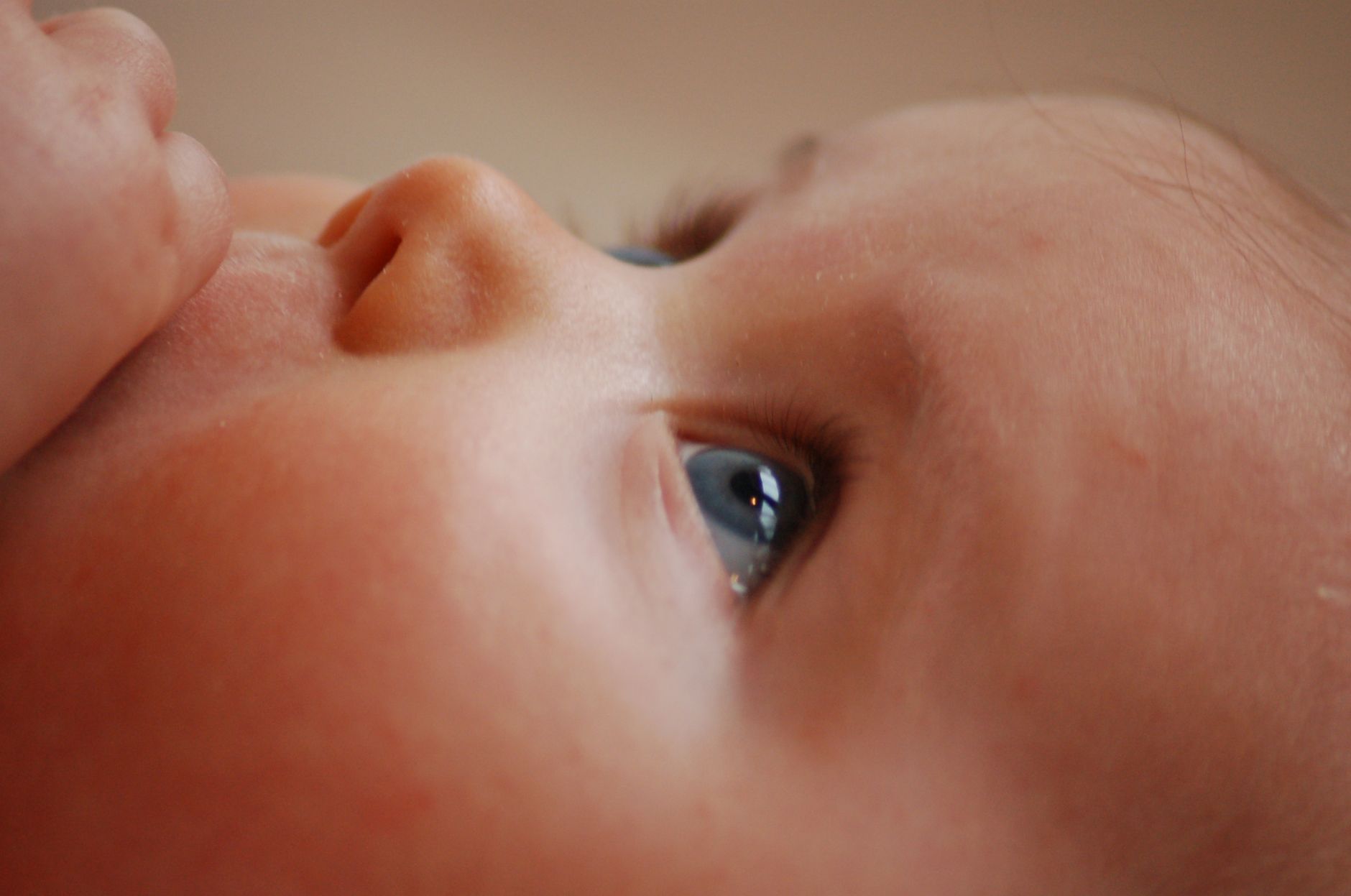
That crusty buildup on your baby’s eyelids when they wake up? It’s usually just dried tears, mucus, or a mix of both—completely normal, especially in the first few weeks. Newborns produce tears, but their tiny tear ducts are still developing, so drainage isn’t always smooth. Think of it like a sink with a slow drain: a little backup happens.
Here are the most common reasons you’ll see morning crust or mild eye discharge in your newborn:
Blocked tear ducts (dacryostenosis): This is the #1 cause of newborn eye discharge. About 1 in 5 babies are born with tear ducts that aren’t fully open, trapping tears and mucus in the eye. The discharge is usually white or slightly yellow, and it tends to stick around for weeks or even months. (We’ll dive deeper into blocked tear ducts vs. infections later.)
Irritants: Newborns have sensitive eyes. Dust, pet dander, smoke, or even the mild soaps in laundry detergent can cause a little extra mucus or tearing. If your baby’s eyes seem watery or slightly red after a bath or outing, an irritant might be the culprit.
Cold or congestion: Babies are obligate nose-breathers, so when they catch a cold, mucus can back up into their tear ducts (which connect to the nose). This can cause temporary eye discharge that clears up once the cold does. (If your baby has a stuffy nose, our guide on decoding newborn cries might help soothe them.)
Normal tear production: Newborns don’t produce many tears in the first month, but when they do, the tears can pool and dry overnight, leaving a little crust. This is especially common in dry climates or heated homes.
One mom, Sarah, described her experience: “At first, I thought the crust was just sleep in her eyes, like adults get. But when it kept coming back every morning, I panicked. My pediatrician reassured me it was just her tear ducts opening up. Sure enough, by 3 months, it was gone.”
Most of the time, morning crust is nothing to worry about—just a sign that your baby’s eyes are doing their job. But if the discharge changes color, comes with swelling, or doesn’t improve with gentle cleaning, it’s time to dig deeper.
Mild morning crust is common and usually harmless—just dried tears or mucus.
What causes yellow eye discharge in newborns and when to worry
Yellow discharge in your newborn’s eyes is a red flag—literally. While white or clear discharge is usually harmless, yellow (or green) discharge often signals an infection. Here’s what you need to know:
Common causes of yellow discharge
Conjunctivitis (pink eye): This is the most likely culprit. Newborns can develop conjunctivitis from bacteria (like Staphylococcus or Chlamydia trachomatis), viruses, or even allergens. Bacterial conjunctivitis tends to produce thick, yellow or green discharge that can glue the eyelids shut. Viral conjunctivitis usually comes with watery discharge and is often linked to a cold.
Neonatal conjunctivitis (ophthalmia neonatorum): This is a more serious form of conjunctivitis that occurs in the first month of life. It’s usually caused by bacteria passed from the mother during birth (like Chlamydia or Gonorrhea) or by viruses like herpes simplex. Hospitals routinely give antibiotic eye ointment at birth to prevent this, but it can still happen.
Blocked tear duct with infection: If your baby has a blocked tear duct, trapped tears can become a breeding ground for bacteria, leading to yellow discharge. This is different from the usual white discharge of a blocked duct—it’s a sign that an infection has set in.
When to worry: signs of a serious infection
Not all yellow discharge is an emergency, but some signs demand immediate medical attention. Call your pediatrician right away if your baby has:
Thick, yellow or green discharge that keeps coming back after cleaning
Swollen, red, or tender eyelids
Eyes that are stuck shut with discharge (especially after sleep)
Excessive tearing or light sensitivity
Fever (temperature over 100.4°F or 38°C in a baby under 3 months)
Discharge that starts in one eye and spreads to the other
Any signs of pain (rubbing eyes, fussiness, or crying when you touch the area)
One dad, Mark, shared: “I almost didn’t call the doctor when my son’s eye turned yellow. I thought it was just a cold. But when his eyelid swelled up like a little balloon, we rushed to urgent care. Turns out it was a bacterial infection, and the antibiotic drops cleared it in two days. Lesson learned: when in doubt, check it out.”
What your pediatrician might do
If your baby has signs of infection, your pediatrician will likely:
Examine the eye closely, possibly using a special light to check for damage or foreign objects.
Take a sample of the discharge to test for bacteria or viruses (this is painless and just involves swabbing the eye).
Prescribe antibiotic eye drops or ointment if the infection is bacterial. Viral infections usually clear on their own, but your doctor might recommend supportive care like saline rinses.
Refer you to an ophthalmologist if the infection is severe or doesn’t improve with treatment.
If your baby is diagnosed with neonatal conjunctivitis, your pediatrician may also test for sexually transmitted infections (STIs) like chlamydia or gonorrhea, as these can be passed from mother to baby during birth. Don’t panic—this is standard protocol, and treatment is straightforward.
Yellow or green discharge often signals an infection and needs medical attention.
How to clean newborn eye discharge safely at home step by step
Cleaning your baby’s eyes might feel intimidating—those tiny eyelids!—but it’s simpler than you think. The key is to be gentle, use the right tools, and avoid anything that could irritate their delicate skin. Here’s a step-by-step guide to safely cleaning newborn eye discharge at home:
What you’ll need
A clean, soft washcloth or gauze pad (avoid cotton balls—they can leave fibers behind)
Warm water (not hot—test it on your wrist first)
Saline solution (optional, but helpful for stubborn crust; see our recommendations below)
A bowl or cup for the water
A towel or burp cloth to catch drips
Step-by-step cleaning
Wash your hands. Always start with clean hands to avoid introducing bacteria. Use warm water and soap, and dry thoroughly.
Soak the washcloth. Dip the washcloth or gauze in warm water (or saline solution) and wring it out so it’s damp, not dripping.
Wipe gently. Hold your baby securely (or have someone else hold them) and gently wipe from the inner corner of the eye outward. Use a fresh section of the cloth for each wipe to avoid spreading discharge. Never wipe toward the inner corner—this can push debris into the tear duct.
Repeat if needed. If the crust is stubborn, let the damp cloth sit on the eye for a few seconds to soften it, then wipe again. Don’t scrub or pick at the crust—this can irritate the eye.
Dry the area. Use a clean, dry cloth to pat the eye area dry. Avoid rubbing, which can cause irritation.
Clean the other eye. Use a fresh section of the cloth or a new cloth altogether to avoid cross-contamination.
Wash your hands again. Always finish by washing your hands to remove any bacteria or discharge.
How often to clean
Aim to clean your baby’s eyes 2–3 times a day, or whenever you notice discharge buildup. Morning is usually the worst time, so a quick wipe after waking can help prevent crust from hardening. If your baby has a blocked tear duct, your pediatrician might recommend a gentle massage technique (more on that later) to help open the duct.
What to avoid
Breast milk: While it’s a common folk remedy, there’s no scientific evidence that breast milk clears eye infections. In fact, it can introduce bacteria and make things worse. (We’ll debunk this myth later.)
Harsh soaps or cleansers: Stick to warm water or saline. Soaps, even baby-safe ones, can irritate the eyes.
Cotton balls or swabs: Fibers can get stuck in the eye, and swabs can scratch the delicate surface.
Rubbing or scrubbing: Always wipe gently to avoid damaging the eye or surrounding skin.
Best saline solutions for cleaning baby eye discharge
If warm water isn’t cutting it, a saline solution can help loosen stubborn crust. Here are a few pediatrician-approved options:
Boiron Optique 1 Eye Wash: A sterile, preservative-free saline solution designed for sensitive eyes. Safe for newborns and easy to use with the included eye cup.
Similasan Baby Irritated Eye Relief Drops: A homeopathic option that’s gentle and preservative-free. Not a treatment for infections, but helpful for mild irritation.
Sterile saline solution (store-bought): Look for a preservative-free version, like the kind used for contact lenses or wound care. Avoid saline with additives or fragrances.
Homemade saline: You can make your own by mixing 1/4 teaspoon of salt in 1 cup of boiled (then cooled) water. Use within 24 hours and discard any leftover solution.
One mom, Priya, shared her hack: “I kept a small spray bottle of saline in the diaper bag. A quick spritz on a gauze pad made cleaning on the go so much easier—no bowls or cups to juggle!”
Always wipe from the inner corner outward, using a fresh section of the cloth for each pass.
Is white mucus in baby's eyes normal or a sign of infection?
White mucus in your baby’s eyes is usually a sign that their tear ducts are still figuring things out—not an infection. But how can you tell the difference? Here’s what to look for:
When white mucus is normal
In most cases, white or clear mucus is just a sign of:
A blocked tear duct: As we mentioned earlier, about 20% of newborns are born with tear ducts that aren’t fully open. This causes tears and mucus to back up, leading to white or slightly yellow discharge. The discharge is usually mild, comes and goes, and isn’t accompanied by redness or swelling.
Overproduction of mucus: Newborns produce more mucus than older babies, and some of it can drain into the eyes. This is especially common if your baby has a cold or congestion.
Dried tears: If your baby cries (or even just produces tears), the tears can dry overnight and leave a white, crusty residue. This is most noticeable in the morning.
One mom, Lisa, described her experience: “My daughter had white mucus in her eyes for weeks. I was convinced it was an infection, but her pediatrician said it was just her tear ducts opening up. Sure enough, by 4 months, it was gone. The only time I worried was when it turned yellow—then I called the doctor right away.”
When white mucus might signal a problem
While white mucus is usually harmless, there are a few signs that it could be something more serious:
It’s accompanied by redness or swelling: If the white mucus comes with red, puffy eyelids or a red eye, it could be the start of an infection.
It’s thick and sticky: White mucus that’s thick, glue-like, or causes the eyelids to stick together could be a sign of a mild bacterial infection.
It doesn’t improve with cleaning: If the mucus keeps coming back after gentle cleaning, or if it’s getting worse, it’s time to check in with your pediatrician.
Your baby seems uncomfortable: If your baby is rubbing their eyes, fussing, or crying when you touch the area, the mucus might be irritating them.
What to do if you’re unsure
If your baby has white mucus and you’re not sure whether it’s normal, here’s a quick checklist to help you decide:
✅ Normal: White or clear mucus, no redness or swelling, no discomfort, improves with gentle cleaning.
⚠️ Check with your pediatrician: Thick white mucus, mild redness, or mucus that keeps coming back after cleaning.
❌ Call your pediatrician now: Yellow or green mucus, swelling, redness, fever, or signs of pain.
When in doubt, trust your instincts. You know your baby best, and it’s always better to err on the side of caution. If the mucus is bothering you, a quick call to your pediatrician can give you peace of mind.
White mucus is usually harmless and often a sign of a blocked tear duct.
Newborn eye discharge with swelling: when to call the pediatrician
Swelling around your baby’s eyes is never normal and always warrants a call to your pediatrician. While mild discharge alone might not be urgent, swelling is a sign that something more serious could be going on. Here’s what you need to know:
Common causes of swelling with eye discharge
Bacterial conjunctivitis: This is the most common cause of swelling with discharge. The eyelids may look puffy and red, and the discharge is usually thick and yellow or green. Bacterial conjunctivitis often starts in one eye and spreads to the other.
Viral conjunctivitis: Viral infections (like adenovirus) can also cause swelling, but the discharge is usually watery rather than thick. Viral conjunctivitis often comes with cold-like symptoms, like a runny nose or cough.
Allergic conjunctivitis: Less common in newborns, but possible if there’s a family history of allergies. Allergic conjunctivitis usually causes itching, redness, and watery discharge, but not always swelling.
Cellulitis: This is a bacterial skin infection that can spread to the eyelids. It causes redness, warmth, and swelling, and it can be serious if not treated with antibiotics. Cellulitis often comes with a fever and general fussiness.
Dacryocystitis: This is an infection of the tear duct, usually caused by a blocked duct that’s become infected. It causes swelling, redness, and tenderness near the inner corner of the eye, along with yellow or green discharge.
When to call your pediatrician immediately
Swelling is always a red flag, but some signs are more urgent than others. Call your pediatrician right away if your baby has:
Swollen, red, or tender eyelids (especially if the swelling is spreading)
Thick yellow or green discharge that keeps coming back after cleaning
Eyes that are stuck shut with discharge
A fever (temperature over 100.4°F or 38°C in a baby under 3 months)
Signs of pain (rubbing eyes, fussiness, or crying when you touch the area)
Swelling that’s getting worse or spreading to the face or cheek
Difficulty opening the eye or moving the eyelid
One mom, Emily, shared her story: “My son’s eye started swelling overnight. I thought it was just a clogged duct, but by morning, his eyelid was so puffy he couldn’t open his eye. We rushed to the pediatrician, and it turned out to be cellulitis. He needed oral antibiotics, but he was back to normal in a few days. I’m so glad we didn’t wait.”
What to expect at the pediatrician’s office
If you call your pediatrician about swelling, they’ll likely ask you a few questions to assess the situation:
How long has the swelling been there?
Is there any discharge? What color is it?
Does your baby have a fever or seem in pain?
Has your baby been exposed to anyone with pink eye or a cold?
Are there any other symptoms, like a runny nose or cough?
Depending on your answers, they might:
Ask you to come in for an exam. They’ll check the eye for signs of infection, foreign objects, or damage.
Prescribe antibiotic eye drops or ointment if the infection is bacterial. For cellulitis, they might prescribe oral antibiotics.
Recommend warm compresses to help reduce swelling and loosen discharge.
Refer you to an ophthalmologist if the swelling is severe or doesn’t improve with treatment.
What you can do at home while waiting for your appointment
If your baby has swelling but no other urgent signs (like fever or extreme pain), you can try these steps to make them more comfortable while you wait to see the doctor:
Clean the eye gently: Use warm water and a soft cloth to wipe away discharge. Avoid saline or breast milk—these won’t help with swelling.
Apply a warm compress: Soak a clean washcloth in warm water, wring it out, and hold it gently against the swollen eyelid for 1–2 minutes. This can help reduce swelling and loosen discharge. Repeat 2–3 times a day.
Keep your baby comfortable: Swelling can be irritating, so try to keep your baby calm. Dim the lights if they seem sensitive, and avoid touching or rubbing the eye.
Monitor for changes: Keep an eye on the swelling. If it gets worse, spreads, or your baby develops a fever, call your pediatrician right away.
Swelling around the eye is always a sign to call your pediatrician.
Blocked tear duct vs. pink eye in newborns: key differences explained
It’s easy to confuse a blocked tear duct with pink eye (conjunctivitis)—both cause eye discharge, and both are common in newborns. But the causes, treatments, and timelines are very different. Here’s how to tell them apart:
Sign
Blocked Tear Duct
Pink Eye (Conjunctivitis)
Discharge color
White or slightly yellow, mild
Yellow, green, or white (thick and sticky)
Swelling
Mild or none; may have slight puffiness near the inner corner of the eye
Often swollen, red, or tender eyelids
Redness
Usually no redness in the eye itself
Eye is often red or pink (hence the name “pink eye”)
Tearing
Excessive tearing, especially in wind or cold
Tearing may be present, but not always excessive
Pain or discomfort
Usually no pain; baby may rub eye due to irritation
Baby may seem uncomfortable, fussy, or rub the eye frequently
Onset
Often present from birth or develops in the first few weeks
Can develop at any time, often after exposure to a cold or bacteria
Duration
Can last weeks to months; often improves by 6–12 months
Usually clears within 7–10 days with treatment
Treatment
Gentle massage, warm compresses, cleaning with warm water
Antibiotic drops or ointment (for bacterial infections), supportive care (for viral infections)
When to see a doctor
If discharge turns yellow or green, or if swelling develops
Always—pink eye in newborns needs medical attention
How to tell the difference at a glance
Blocked tear duct: White or clear discharge, no redness in the eye, excessive tearing, often starts in the first few weeks of life.
Pink eye: Yellow or green discharge, red or pink eye, swelling, often starts suddenly and may be linked to a cold or exposure to bacteria.
One dad, James, shared his confusion: “My son had white discharge in one eye for weeks. I thought it was pink eye, but the doctor said it was a blocked tear duct. The massage technique helped, and by 6 months, it was gone. I wish I’d known the difference sooner—it would’ve saved me a lot of worry.”
What to do for a blocked tear duct
If your baby has a blocked tear duct, your pediatrician will likely recommend a combination of:
Gentle massage: This is the most effective way to help open the duct. Here’s how to do it:
Wash your hands thoroughly.
Place your index finger on the side of your baby’s nose, near the inner corner of the eye.
Gently press down and slide your finger toward the outer corner of the eye. This helps push fluid through the duct.
Repeat 5–10 times, 2–3 times a day.
Warm compresses: Soak a clean washcloth in warm water, wring it out, and hold it gently against the eye for 1–2 minutes. This can help loosen mucus and soothe irritation.
Cleaning: Use warm water and a soft cloth to wipe away discharge. Avoid saline or breast milk—these won’t help open the duct.
Most blocked tear ducts open on their own by the time your baby is 6–12 months old. If the duct doesn’t open by then, your pediatrician might refer you to an ophthalmologist for a simple procedure to open it.
What to do for pink eye
If your baby has pink eye, your pediatrician will likely prescribe antibiotic eye drops or ointment if the infection is bacterial. For viral infections, they might recommend supportive care, like:
Cleaning the eye with warm water to remove discharge.
Using saline drops to keep the eye moist.
Avoiding touching or rubbing the eye to prevent spreading the infection.
Pink eye usually clears up within 7–10 days with treatment. If it doesn’t, or if your baby develops swelling or fever, call your pediatrician right away.
Blocked tear ducts cause white discharge and tearing, while pink eye causes redness and yellow/green discharge.
Can breast milk help clear baby eye discharge? What science says
If you’ve spent any time in parenting forums or talked to other moms, you’ve probably heard it: “Just put a few drops of breast milk in your baby’s eye—it’ll clear up the discharge in no time!” It’s a tempting idea—breast milk is packed with antibodies, after all. But does it actually work? Here’s what the science says:
The theory behind breast milk for eye discharge
Breast milk contains antibodies, enzymes, and other immune-boosting compounds that help protect babies from infections. Some people believe that these properties can help fight off eye infections or clear blocked tear ducts. The idea is that the antibodies in breast milk can target bacteria or viruses causing the discharge, while the enzymes might help break down mucus.
What the research says
Despite its popularity as a home remedy, there’s no strong scientific evidence that breast milk is effective for treating newborn eye discharge. Here’s what the studies show:
No benefit over saline: A 2017 study published in the Journal of Pediatric Ophthalmology and Strabismus compared breast milk to saline solution for treating blocked tear ducts. The study found no significant difference between the two—both groups saw improvement, but neither was more effective than the other. The researchers concluded that breast milk wasn’t superior to saline.
Risk of contamination: Breast milk isn’t sterile, and introducing it into the eye can actually make things worse. A 2015 study in Pediatrics found that breast milk can harbor bacteria like Staphylococcus, which could lead to infection if introduced into the eye.
No evidence for infections: There’s no research showing that breast milk can treat bacterial or viral conjunctivitis. In fact, the American Academy of Pediatrics (AAP) and the American Academy of Ophthalmology (AAO) don’t recommend breast milk as a treatment for eye infections.
What experts say
Most pediatricians and ophthalmologists agree: breast milk isn’t a safe or effective treatment for newborn eye discharge. Here’s why:
It can introduce bacteria: Even if your breast milk is clean, it’s not sterile, and introducing it into the eye can lead to infection.
It can irritate the eye: Breast milk contains sugars and proteins that can stick to the eye and cause irritation or even allergic reactions in some babies.
It’s not a substitute for medical treatment: If your baby has an infection, breast milk won’t clear it. Antibiotics or antiviral treatments are the only proven ways to treat bacterial or viral conjunctivitis.
Dr. Jennifer Shu, a pediatrician and spokesperson for the AAP, puts it bluntly: “Breast milk is great for feeding babies, but it’s not a magic cure for eye infections. If your baby has yellow or green discharge, swelling, or redness, call your pediatrician. Don’t waste time with home remedies that might make things worse.”
What to do instead
If your baby has eye discharge, stick to these evidence-based treatments:
For blocked tear ducts: Gentle massage, warm compresses, and cleaning with warm water. (See our earlier section for step-by-step instructions.)
For infections: Antibiotic or antiviral eye drops or ointment, as prescribed by your pediatrician. Never use breast milk or over-the-counter eye drops without medical advice.
For irritation: Saline solution or warm water to clean the eye. Avoid breast milk, harsh soaps, or anything that could irritate the eye further.
One mom, Rachel, shared her experience: “I tried breast milk for my daughter’s blocked tear duct because my sister swore by it. But after a few days, her eye got redder and more swollen. I stopped and called the pediatrician, who prescribed antibiotic drops. The infection cleared up in a few days. Lesson learned: when in doubt, trust the science.”
Despite its popularity, breast milk isn’t a proven or safe treatment for newborn eye discharge.
Antibiotic eye drops for newborns: when are they necessary?
Antibiotic eye drops or ointment are a common treatment for newborn eye infections, but they’re not always necessary. Here’s when your pediatrician might prescribe them—and what to expect if they do:
When antibiotic eye drops are needed
Your pediatrician will likely prescribe antibiotic eye drops or ointment if your baby has:
Not sure about the label on Baby Eye Discharge Causes Newborn products?
Snap the ingredients list and SafeFilter checks every ingredient for your stage — only 3 free scans this month, then you're locked until reset. Unlimited from $7/mo or $50/yr.
When Shubhra Mishra was expecting her first child in 2016, she was overwhelmed by conflicting food advice — one site said yes, another said never. By the time her second baby arrived in 2019, she realized millions of mothers face the same confusion.
That sparked a five-year journey through clinical nutrition papers, cultural diets, and expert conversations — all leading to BumpBites: a calm, compassionate space where science meets everyday motherhood.
Her long-term vision is to build a global community ensuring safe, supported, and free deliveriesfor every mother — because no woman should face pregnancy alone or uninformed. 🌿
🌍 Stand with mothers, shape safer guidance
Join a small circle of experts who review BumpBites articles so expecting parents everywhere can decide with confidence.