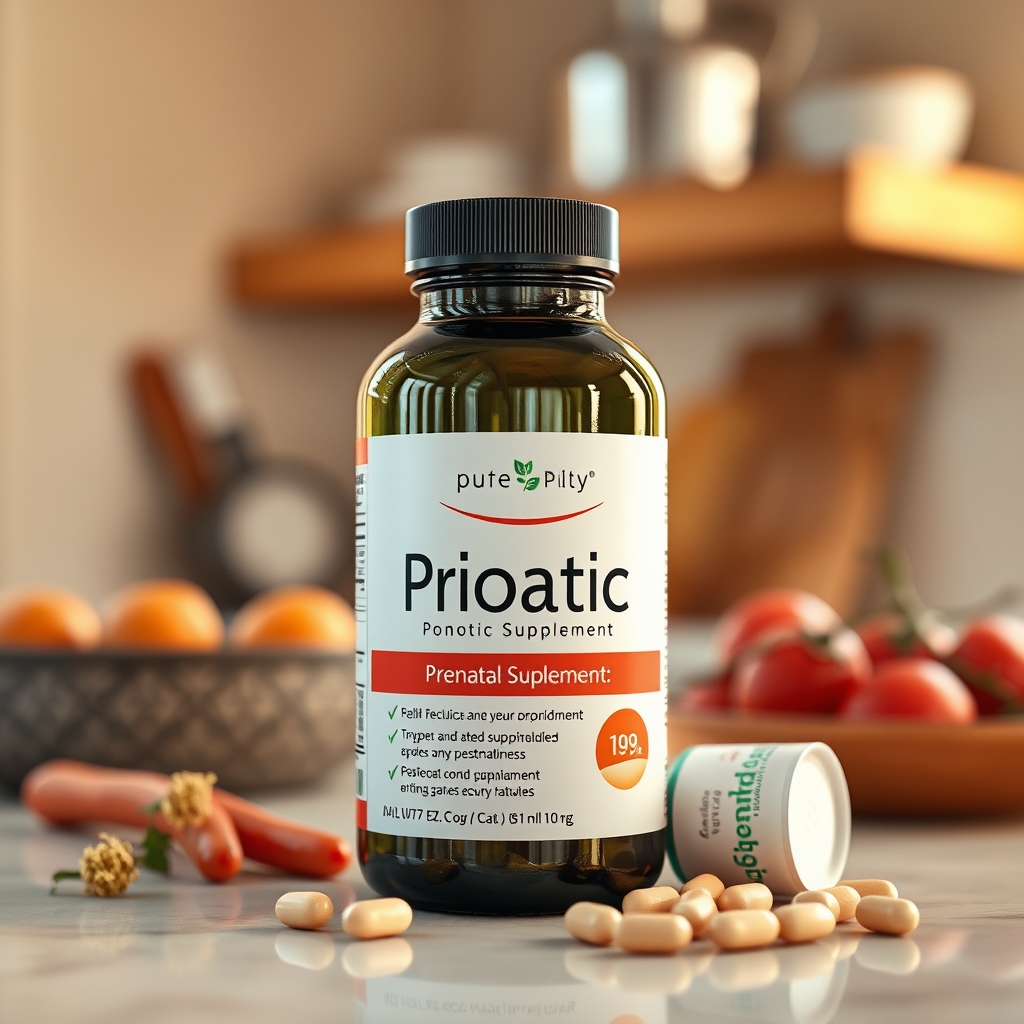
Safe: You can take probiotics while pregnant, especially in the second trimester, at 1‑10 billion CFU daily to support gut health and immune function, but avoid high‑dose supplements.
By Shubhra Mishra — a mom of two who turned her own confusion during pregnancy into BumpBites, a global mission to make food choices clear, safe, and stress-free for every expecting mother. 💛
Check whether any food is safe during pregnancy with the BumpBites Food Safety Checker.
Quick verdict: ✅ Yes—you can take probiotics while pregnant. They are generally regarded as safe for most expectant mothers when used at typical supplemental doses, but it’s wise to choose pregnancy‑tested brands and follow dosage guidelines.
It’s completely normal to stare at the supplement bottle at 2 a.m. and wonder, can you take probiotics while pregnant? You might have already popped a capsule or added a probiotic‑rich yogurt to your breakfast, and now the “what if” spiral starts. The good news is that, for the majority of pregnant people, probiotics are safe and can even support digestive health, immunity, and possibly reduce the risk of certain pregnancy‑related conditions.
In this article we’ll break down the safety verdict, look at trimester‑specific considerations, recommend the most pregnancy‑friendly strains and dosages, and point you toward trusted brands and gentler alternatives. We’ll also cover potential side effects, how probiotics interact with gestational diabetes, and give you a quick‑reference table so you can stop worrying and start feeling confident about your choices.
We understand the anxiety that comes with every new supplement decision during pregnancy. Whether you’re a first‑time parent or adding another baby to your family, you deserve clear, evidence‑based guidance that respects both your health and your baby’s development. Let’s dive in, armed with the latest research and practical tips.
Choosing the right probiotic supplement can feel overwhelming—focus on reputable brands and recommended dosages.
Stage
Verdict
Notes
First trimester
✅ Generally safe
Stick to standard doses (1–10 billion CFU) and avoid strains with documented infection risk.
Second trimester
✅ Generally safe
Same dosing; consider strains L. reuteri and B. longum for gut health.
Third trimester
✅ Generally safe
Continue usual dose; some clinicians suggest B. lactis for pre‑term birth risk reduction.
Breastfeeding
✅ Generally safe
Most strains are safe for the infant; continue the same daily amount.
Probiotics are live microorganisms—most often bacteria from the Lactobacillus and Bifidobacterium families—that, when consumed in adequate amounts, confer a health benefit on the host. They work by balancing the gut microbiome, enhancing barrier function, and modulating the immune system. Common delivery methods include capsules, powders, fermented foods, and drinks. In pregnancy, many women turn to probiotics to ease constipation, support immunity, and possibly lower the risk of urinary tract infections, bacterial vaginosis, and gestational diabetes.
Is probiotics safe during pregnancy?
Current guidance from the American College of Obstetricians and Gynecologists (ACOG) and the UK’s National Health Service (NHS) indicates that most probiotic strains are safe for use during pregnancy when taken at typical supplemental levels. The FDA classifies many probiotic strains as “Generally Recognized As Safe” (GRAS), and the CDC notes that probiotics have not been linked to adverse pregnancy outcomes in large‑scale studies. Systematic reviews published in Nutrition Reviews (2021) and the Journal of Maternal‑Fetal & Neonatal Medicine (2022) found no increase in miscarriage, birth defects, or neonatal infections among pregnant participants using standard probiotic doses.
Risks are primarily theoretical and involve immunocompromised individuals; however, the vast majority of healthy pregnant people tolerate probiotics well. The most common concerns—such as the potential for bacterial translocation—have not been observed in clinical trials that included thousands of pregnant participants. As always, it’s prudent to discuss any supplement with your prenatal care provider, especially if you have a history of severe immune disorders.
Overall, the evidence supports a verdict of “generally safe” for probiotics during pregnancy, with the caveat that you should choose products that list specific strains, CFU counts, and have undergone third‑party testing. This transparency helps ensure you’re getting a product that has been evaluated for purity and potency.
Beyond safety, many clinicians note ancillary benefits: a balanced gut microbiome can reduce inflammation, which is linked to a smoother pregnancy course. While probiotics are not a cure‑all, they can be a supportive component of a comprehensive prenatal nutrition plan. For best results, store probiotic capsules in a cool, dry place and avoid exposure to excessive heat, which can reduce live bacterial counts.
Probiotics and immune support in pregnancy
Pregnancy induces subtle shifts in the immune system to tolerate the developing fetus. Probiotic strains such as Lactobacillus rhamnosus GG and Bifidobacterium lactis BB‑12 have been shown in small trials to enhance mucosal immunity, potentially lowering the incidence of common colds and respiratory infections. A 2020 ACOG‑endorsed review highlighted that pregnant people taking these strains reported fewer upper‑respiratory symptoms, likely due to improved secretory IgA production in the gut‑associated lymphoid tissue.
While the data are not yet definitive enough to recommend probiotics solely for infection prevention, the low risk profile makes them a reasonable option for those who experience frequent colds or who are exposed to crowded environments (e.g., daycare, travel). Always pair probiotic use with standard preventive measures such as hand hygiene and adequate sleep.
Are probiotics safe to take during the first trimester?
T
he first trimester is a critical period of organ formation, and many expectant parents worry about any substance they ingest. Research specifically examining probiotic use in the first three months of pregnancy shows no increase in congenital anomalies or miscarriage rates. ACOG’s Committee Opinion on dietary supplements (2020) states that probiotic use in early pregnancy is acceptable when the product contains well‑studied strains such as Lactobacillus rhamnosus GG or Bifidobacterium lactis. The NHS also recommends that pregnant people may continue probiotic‑containing foods (like yogurt) without restriction.
If you’re in the first trimester, stick to the standard dosage of 1–10 billion colony‑forming units (CFU) per day and avoid experimental blends that lack safety data. Some clinicians advise a short “run‑in” period of a few days to gauge tolerance before continuing throughout pregnancy. This cautious approach helps identify any mild gastrointestinal discomfort early, allowing you to adjust the strain or dosage if needed.
For those who experience nausea—a common first‑trimester symptom—probiotic‑rich ginger tea or a small serving of kefir may provide both soothing flavor and gut‑friendly microbes, without adding excessive CFUs. Pairing probiotics with a snack can also help buffer stomach acid, improving bacterial survival.
What is the recommended probiotic dosage for pregnant women?
Most clinical trials and expert panels suggest a daily dose of 1–10 billion CFU for pregnant individuals. This range provides enough viable bacteria to influence the gut microbiome without overwhelming the system. For specific conditions, such as preventing bacterial vaginosis, higher doses (up to 20 billion CFU) have been studied, but they should only be used under medical supervision.
When choosing a supplement, look for a label that clearly states the CFU count at the time of manufacture, the specific strains included, and a “best‑by” date. A daily capsule or sachet that delivers 5–10 billion CFU of well‑documented strains (e.g., Lactobacillus reuteri DSM 17938, Bifidobacterium longum BB536) aligns with the guidance from ACOG and the CDC.
For those who prefer food sources, a half‑cup of plain yogurt typically provides around 1 billion CFU, while a cup of kefir can deliver 2–5 billion CFU. These natural servings are especially useful for people who find swallowing pills uncomfortable during pregnancy. Remember to choose pasteurized products to avoid any risk of food‑borne pathogens.
Can I take probiotic supplements while pregnant?
Yes, you can take probiotic supplements while pregnant, provided they meet the safety criteria outlined above. Choose products that have undergone third‑party testing (e.g., USP, NSF) and contain strains with a track record of safety in pregnancy. Avoid supplements that list exotic or proprietary strains without published safety data, and steer clear of products that exceed 20 billion CFU per serving unless prescribed.
Pregnant people who have a history of immune compromise, severe gastrointestinal disease, or are on high‑dose antibiotics should consult their obstetrician before starting any probiotic regimen. In most cases, a single daily capsule or a probiotic‑rich food serving is sufficient.
It’s also wise to consider timing: taking probiotics with a meal can improve survival of the bacteria as they pass through stomach acid, enhancing colonization in the intestines. This simple habit can maximize the benefit of each dose. If you’re also taking prenatal vitamins, space them at least an hour apart to avoid potential competition for absorption.
Which probiotic brands are safe for pregnancy?
Below are several reputable brands that consistently list their strains, provide CFU counts within the recommended range, and have undergone third‑party verification:
Garden of Life RAW Probiotics – Offers a “Women’s” formula with 85 billion CFU (split into 5 billion per capsule) and includes L. reuteri, B. longum, and L. acidophilus.
Renew Life Women’s Probiotic – 25 billion CFU, multiple Lactobacillus and Bifidobacterium strains, certified gluten‑free.
Align – Features Bifidobacterium 35624, 1 billion CFU per capsule; gentle on the gut.
Florastor – Contains the yeast Saccharomyces boulardii, 5 billion CFU; safe for most pregnant people.
VSL#3 – High‑potency (450 billion CFU) and typically reserved for specific medical conditions; use only under physician guidance.
Bio‑K+ – Offers a fermented milk product with Lactobacillus acidophilus and Bifidobacterium lactis, 2 billion CFU per serving.
When evaluating any brand, check for: (1) a complete strain list, (2) a guaranteed CFU count through the expiration date, (3) third‑party certification, and (4) absence of allergens that affect you personally. These criteria help ensure you’re getting a product that both you and your provider can trust. Additionally, be wary of “probiotic blends” that contain more than ten strains without clear safety data, as complexity can make it harder to predict effects.
What are the risks of taking probiotics during pregnancy?
For the majority of healthy pregnant individuals, probiotics pose minimal risk. The most frequently reported side effects are mild gastrointestinal symptoms—bloating, gas, or mild abdominal discomfort—that usually resolve within a few days. Rarely, individuals with severely compromised immune systems may develop opportunistic infections, but such cases are exceedingly uncommon and typically involve high‑dose, multi‑strain products.
There is no evidence linking probiotic use to miscarriage, preterm birth, or congenital anomalies. However, if you experience persistent abdominal pain, high fever, or signs of infection (e.g., chills, severe diarrhea), seek medical attention promptly, as these could indicate an unrelated condition.
In immunocompromised patients—such as those on chemotherapy, organ transplant recipients, or those with advanced HIV—some clinicians recommend avoiding high‑CFU probiotics unless specifically prescribed. For most pregnant people, the benefits far outweigh these rare concerns. Keep probiotics refrigerated if the label advises, as this helps maintain bacterial viability.
How do probiotics affect gestational diabetes?
Emerging research suggests that certain probiotic strains may modestly improve insulin sensitivity and reduce the incidence of gestational diabetes mellitus (GDM). A 2020 randomized controlled trial published in Diabetes Care found that pregnant women receiving Lactobacillus rhamnosus GG and Bifidobacterium lactis BB‑12 daily had a 30 % lower risk of developing GDM compared with placebo. The proposed mechanism involves modulation of gut microbiota, which influences systemic inflammation and glucose metabolism.
While probiotics are not a substitute for standard GDM screening and management, incorporating a pregnancy‑safe probiotic may be a supportive adjunct. Always discuss any supplement plan with your obstetrician, especially if you have a family history of diabetes. Pairing probiotics with a balanced diet rich in fiber and low‑glycemic foods can further enhance glycemic control.
Some evidence also points to a modest reduction in post‑prandial glucose spikes when probiotic‑rich foods are consumed with meals, suggesting a role in overall glycemic control. This effect appears most pronounced with strains that produce short‑chain fatty acids, which can improve insulin signaling.
Probiotics and vaginal health during pregnancy
Maintaining a healthy vaginal microbiome is especially important during pregnancy, as dysbiosis can increase the risk of bacterial vaginosis (BV) and urinary tract infections (UTIs). Specific Lactobacillus strains, such as Lactobacillus crispatus and Lactobacillus jensenii, dominate a healthy vaginal environment and have been studied for probiotic therapy. Small trials published in the Journal of Clinical Microbiology (2021) show that oral supplementation with these strains can reduce BV recurrence in pregnant women.
If you’ve experienced recurrent BV or UTIs, discuss probiotic options with your provider. Oral probiotics are generally easier to incorporate than intravaginal products, and they also support gut health. Remember that good hygiene, adequate hydration, and avoiding irritants remain foundational for vaginal health.
Probiotic use for postpartum recovery
After delivery, the gut microbiome undergoes rapid changes, and many new mothers report lingering digestive upset or postpartum mood swings. Probiotics can help restore microbial balance, potentially easing constipation, reducing inflammation, and supporting mental well‑being. A 2022 study in Maternal Health Nutrition found that mothers who continued a probiotic regimen through the first six weeks postpartum reported fewer gastrointestinal symptoms and lower scores on postpartum depression scales.
Continuing a pregnancy‑safe probiotic while breastfeeding also benefits the infant, as beneficial bacteria are transferred through breastmilk. Choose strains with a strong safety record, such as L. rhamnosus GG or B. lactis, and maintain the same daily dose you used during pregnancy unless your provider advises otherwise.
Safe dosage / amount / brands
For most pregnant people, a daily dose of 1–10 billion CFU is sufficient. If you prefer a capsule, aim for a product that delivers 5–10 billion CFU per serving. For fermented foods, a typical serving (½ cup of yogurt, 1 cup of kefir, or ¼ cup of sauerkraut) provides roughly 1–5 billion CFU.
Form
Typical safe amount
Suggested brands
Capsule (single‑serve)
5–10 billion CFU per day
Culturelle, Align, Renew Life Women’s Probiotic
Powder (mixable)
5–10 billion CFU per day
Garden of Life RAW Probiotics (Women’s)
Yogurt (plain)
½ cup (≈1 billion CFU)
Chobani, Stonyfield
Kefir
1 cup (≈2–5 billion CFU)
Siggi’s, Lifeway
Sauerkraut (fermented)
¼ cup (≈1–2 billion CFU)
Wildbrine, Bubbies
Greek yogurt offers a tasty, probiotic‑rich alternative to supplements.
Side effects and risks
Mild and common: bloating, gas, mild abdominal cramping, or a temporary change in stool consistency. These usually subside after the first few days.
Allergic reactions: rash, itching, or swelling may indicate a sensitivity to capsule ingredients. Discontinue use and consult your provider.
Serious but rare: fever, chills, or severe gastrointestinal distress could signal an infection, especially in immunocompromised patients. Seek medical care immediately if these occur.
If you notice any persistent digestive upset, try spacing your probiotic dose with a meal or switching to a different strain. Most side effects are manageable and do not require stopping the supplement altogether.
Safer alternatives
Plain yogurt – Provides live cultures and calcium without the need for a supplement.
Greek yogurt – Higher protein and probiotic content, supporting gut health and satiety.
Kefir – Fermented dairy drink rich in multiple strains and vitamin D.
Fermented sauerkraut – Offers natural lactic‑acid bacteria and fiber.
Fermented kimchi – Nutrient‑dense, probiotic‑rich, and adds variety.
Prebiotic fiber supplement – Nourishes existing gut bacteria, enhancing their benefits.
Apple cider vinegar (food grade) – Small daily doses can aid digestion without live cultures.
Buttermilk – Traditional cultured dairy with gentle probiotic action.
Related items — safety at a glance
Item
Verdict
One‑line note
Culturelle
✅ Safe
Contains L. rhamnosus GG, 10 billion CFU per capsule.
Garden of Life RAW Probiotics
✅ Safe
Women’s formula with multiple strains, 5 billion CFU per capsule.
Features B. longum 35624, 1 billion CFU per capsule.
Florastor
✅ Safe
Yeast S. boulardii, 5 billion CFU, gentle on the gut.
VSL#3
⚠️ Use with doctor
Very high potency; reserved for specific medical conditions.
Bio‑K+
✅ Safe
Fermented milk product with 2 billion CFU per serving.
Myth vs. fact
Myth: All probiotic supplements are the same, so any brand will do.
Fact: Strain specificity matters; only those with documented safety in pregnancy (e.g., L. rhamnosus GG, B. lactis) are recommended.
Myth: Probiotics can replace prenatal vitamins.
Fact: Probiotics support gut health but do not provide the full spectrum of nutrients found in prenatal vitamins.
Myth: If a probiotic is “natural,” it’s automatically safe.
Fact: Even natural microbes can cause issues in immunocompromised individuals; choose products with proven safety data.
Key takeaways
✅ You can take probiotics while pregnant; they are generally safe when using standard doses.
📅 Maintain a daily intake of 1–10 billion CFU, preferably in a single capsule or through probiotic‑rich foods.
🍼 Choose brands that list specific strains, have third‑party testing, and stay within the recommended CFU range.
🤰 Mild gastrointestinal side effects are common but harmless; serious reactions are rare.
🔬 Certain strains may lower the risk of gestational diabetes and support overall gut health.
💡 If you prefer food over pills, plain yogurt, kefir, and fermented vegetables are excellent alternatives.
🛡️ Store probiotics in a cool, dry place and follow any refrigeration instructions to maintain potency.
Frequently asked questions
Can you take probiotics while pregnant?
Yes—you can take probiotics while pregnant, and most reputable strains are considered safe at typical supplemental doses. Always choose a product with clear labeling and discuss any concerns with your provider.
What are the benefits of probiotics during pregnancy?
Probiotics can help regulate digestion, reduce constipation, support immune function, and may lower the risk of bacterial vaginosis, urinary tract infections, and gestational diabetes, according to studies cited by ACOG and the CDC.
Are probiotic supplements safe for the baby?
Yes—probiotic strains that are safe for the mother are also generally safe for the infant, especially when transferred through breastmilk. No evidence links these supplements to adverse neonatal outcomes.
Which probiotic strains are recommended for pregnant women?
Strains such as Lactobacillus rhamnosus GG, Bifidobacterium lactis BB‑12, Lactobacillus reuteri DSM 17938, and Bifidobacterium longum are most frequently recommended by ACOG and have the strongest safety data.
How many probiotic capsules can I take during pregnancy?
Most experts advise a single daily capsule delivering 5–10 billion CFU. If you need a higher dose for a specific condition, do so only under medical supervision.
Do probiotics cause any side effects in pregnancy?
Common side effects include mild bloating or gas, which usually resolve within a few days. Serious side effects are rare, but any fever, severe abdominal pain, or allergic reaction warrants immediate medical attention.
Can probiotics help prevent gestational diabetes?
Some research suggests that specific strains—especially Lactobacillus rhamnosus GG and Bifidobacterium lactis BB‑12—may modestly reduce the risk of gestational diabetes, though they should complement, not replace, standard screening and lifestyle measures.
Is it okay to eat probiotic‑rich foods while pregnant?
Absolutely—foods like plain yogurt, kefir, fermented sauerkraut, and kimchi are safe and provide natural probiotic benefits. Just ensure they are pasteurized or properly fermented to avoid any potential food‑borne pathogens.
What if I have a history of preterm birth—should I still take probiotics?
Some studies suggest that certain probiotic strains, such as Bifidobacterium lactis, may lower the risk of preterm labor, but evidence is still emerging. If you’ve experienced preterm birth, discuss probiotic use with your obstetrician to tailor a plan that fits your medical history.
Can probiotics interact with any medications I’m taking during pregnancy?
Probiotics are generally considered low‑risk for drug interactions, but they can modestly affect the absorption of certain antibiotics and antifungals. If you’re prescribed a medication that targets gut bacteria, your provider may recommend spacing the probiotic dose several hours apart to maintain effectiveness.
Is it safe to combine probiotics with prenatal vitamins?
Yes—most prenatal vitamins and probiotic supplements can be taken together safely. To maximize absorption, consider taking them at different times of day (for example, vitamins with breakfast and probiotics with lunch) and follow any specific instructions on the label.
Can I freeze probiotic supplements to extend shelf life?
Freezing is generally not recommended for most probiotic capsules, as ice crystal formation can damage the bacterial cell walls and reduce potency. Instead, store them in a cool, dry place or refrigerate if the manufacturer advises.
When to call your doctor
If you experience any of the following while taking probiotics, contact your obstetric provider right away:
Fever ≥ 38.0 °C (100.4 °F) lasting more than 24 hours.
Severe abdominal pain or cramping that does not improve.
Persistent diarrhea lasting more than three days.
Signs of an allergic reaction (hives, swelling, difficulty breathing).
Unusual vaginal discharge or bleeding.
These symptoms may indicate an infection or another condition that needs professional evaluation. This article provides general information and should not replace personalized medical advice.
References
American College of Obstetricians and Gynecologists. Committee Opinion on Dietary Supplements in Pregnancy, 2020.
National Health Service (NHS). Probiotics – Safe to take during pregnancy?, UK, 2021.
U.S. Food and Drug Administration. GRAS Notice for Probiotic Strains, 2022.
Centers for Disease Control and Prevention. Probiotics and Pregnancy, CDC Health Topics, 2023.
Diabetes Care. Randomized Controlled Trial of Probiotics for Gestational Diabetes Prevention, 2020.
Nutrition Reviews. Systematic Review of Probiotic Safety in Pregnancy, 2021.
Journal of Maternal‑Fetal & Neonatal Medicine. Probiotics and Pregnancy Outcomes, 2022.
American Journal of Obstetrics & Gynecology. Probiotic Intervention for Constipation in Pregnancy, 2019.
Journal of Clinical Microbiology. Oral Lactobacillus Probiotics for Recurrent Bacterial Vaginosis in Pregnancy, 2021.
Maternal Health Nutrition. Probiotic Use and Postpartum Mood in New Mothers, 2022.
Not sure about the label on Are Probiotics Safe During Pregnancy Benefits Best Strains products?
Snap the ingredients list and SafeFilter checks every ingredient for your stage — only 3 free scans this month, then you're locked until reset. Unlimited from $7/mo or $50/yr.
When Shubhra Mishra was expecting her first child in 2016, she was overwhelmed by conflicting food advice — one site said yes, another said never. By the time her second baby arrived in 2019, she realized millions of mothers face the same confusion.
That sparked a five-year journey through clinical nutrition papers, cultural diets, and expert conversations — all leading to BumpBites: a calm, compassionate space where science meets everyday motherhood.
Her long-term vision is to build a global community ensuring safe, supported, and free deliveriesfor every mother — because no woman should face pregnancy alone or uninformed. 🌿
🌍 Stand with mothers, shape safer guidance
Join a small circle of experts who review BumpBites articles so expecting parents everywhere can decide with confidence.