ariety is the cornerstone of nutrition at this stage. Aim for foods from all five MyPlate food groups each day:
- Fruits: soft berries, banana slices, ripe peach chunks.
- Vegetables: steamed carrots, avocado, peas, and sweet potato cubes.
- Grains: whole‑grain bread, oatmeal, quinoa, and small pasta shapes.
- Protein: finely shredded chicken, cooked lentils, tofu cubes, and scrambled eggs (including whole eggs).
- Dairy: plain whole‑milk yogurt, cheese sticks, or fortified soy alternatives.
These foods collectively deliver the iron, calcium, protein, and vitamin D toddlers need for rapid brain and bone development. The Academy of Nutrition and Dietetics emphasizes iron‑rich foods (meat, beans, fortified cereals) paired with vitamin C sources to boost absorption. In the UK, the NHS recommends offering calcium‑fortified plant milks for families who limit dairy, ensuring the same nutrient density (NHS, 2022).
When planning meals, think color and texture. A plate with a rainbow of fruits and vegetables not only supplies a broad spectrum of micronutrients but also encourages curiosity and acceptance of new flavors—a strategy supported by research from the American Academy of Pediatrics (AAP, 2023).
Seasonal produce can keep costs down and flavor profiles fresh. For example, swapping summer berries for autumn‑ripe apples provides a natural source of fiber while still delivering the visual appeal of bright colors.
How to transition from pureed foods to finger foods at 18 months
Transitioning is less about “when” and more about “how.” Around 18 months, most children can manage soft finger foods that encourage self‑feeding. Follow these three steps:
- Start with soft, easy‑grip pieces—think cooked carrot sticks, banana quarters, or shredded cheese.
- Offer a “practice” plate at each meal, letting your toddler explore textures without pressure.
- Model mealtime behavior by eating the same foods yourself and praising attempts, even if the bite ends up on the floor.
Safety first: always supervise, cut foods into bite‑size pieces (< ½ inch), and avoid hard, round, or sticky foods that pose choking hazards (e.g., whole grapes, nuts, popcorn). The FDA’s Food Safety guidelines for children under two echo this recommendation (FDA, 2023).
Introduce new textures gradually—start with soft‑cooked vegetables, then add slightly firmer pieces like small pasta shells or soft‑cooked beans. By letting your child practice chewing and manipulating foods, you’re also building oral‑motor skills that lay the groundwork for speech development (American Speech‑Language‑Hearing Association, 2022).
It’s normal for toddlers to drop food or push it away; these are signs they’re learning. Keep the atmosphere relaxed, and remember that repeated exposure over weeks often leads to acceptance.
Portion sizes for an 18‑month‑old: How much should they eat?
Portion guidance for toddlers is often expressed in “tablespoons” (Tbsp) because it aligns with their small stomach capacity. Below is a quick reference:
Across a full day, these portions add up to roughly 900–1,000 kcal, matching the USDA’s estimate for an active 18‑month‑old. Adjust portions upward on high‑activity days (e.g., a park outing) and scale back if your child consistently leaves food on the plate.
Remember that toddlers are natural “energy sponges.” The AAP notes that a 20‑percent increase in portion size is appropriate when a child’s activity level spikes, such as during a weekend outing to the zoo or a family hike (AAP, 2023). Conversely, a low‑energy day may require a modest reduction to avoid excess calories that could lead to early childhood overweight.
Offering a small amount of food first, then a second helping if the child is still hungry, helps you respect internal cues while ensuring they get enough nutrients.
Sample 18 month baby feeding schedule for picky eaters
Picky eating is common; the key is consistency and low‑stress exposure. Here’s a sample day that incorporates preferred foods while still nudging variety:
Notice the repeated foods (banana, cheese, sweet potato) that many toddlers love, interspersed with new items in small amounts. Offer the new foods on the same plate but let the child decide whether to try them. This “offer‑and‑let‑go” method reduces pressure and respects the toddler’s developing autonomy (AAP, 2022).
If a particular snack is consistently rejected, swap it for an equivalent nutrient source. For example, if your child dislikes peas, replace them with edamame or a small portion of finely chopped spinach—both provide similar iron and folate levels. Keeping the overall nutrient profile balanced is more important than rigidly sticking to a single food.
When a toddler refuses a whole meal, try serving the same foods in a different shape (e.g., baked sweet‑potato fries instead of cubes) to spark curiosity without changing the nutrient content.
How to ensure balanced nutrition in an 18 month feeding plan
Balanced nutrition isn’t just about food groups; it’s about meeting specific micronutrient targets:
- Iron: 7 mg/day – provide fortified cereals, red meat, lentils, and pair with vitamin C foods.
- Calcium: 700 mg/day – whole milk, yogurt, cheese, and calcium‑fortified soy milk.
- Vitamin D: 600 IU/day – fortified milk or a daily supplement if recommended by your pediatrician.
- Protein: 13 g/day – varied sources such as meat, beans, eggs, and dairy.
Using the USDA’s MyPlate visual, aim for half the plate to be fruits and vegetables, a quarter grains, and a quarter protein, with a side of dairy. This simple “plate method” helps parents quickly assess balance without counting grams.
When you’re short on time, the NHS recommends a “five‑a‑day” approach—ensuring at least five portions of fruit or veg across meals and snacks. This guideline aligns neatly with the toddler’s three‑meal schedule, making it easy to hit nutrient targets without extra calculations (NHS, 2022).
If your family follows a plant‑based diet, supplement iron with a pediatric‑approved iron drops and pair iron‑rich foods with citrus fruits to maximize absorption, as advised by the American Academy of Pediatrics.
Signs your 18 month baby’s feeding schedule is not adequate
Even with the best intentions, a schedule may fall short. Watch for these red‑flag signs:
- Consistently low weight gain or falling below growth‑chart percentiles.
- Frequent fatigue, irritability, or lack of interest in play.
- Visible signs of nutrient deficiency: pale skin (iron), delayed teeth eruption (calcium), or frequent infections (vitamin D).
- Persistent vomiting, diarrhea, or constipation that interferes with eating.
If you notice any of these, schedule an appointment with your pediatrician or a pediatric dietitian for a thorough assessment. Early detection of deficiencies can prevent longer‑term developmental setbacks (American Academy of Pediatrics, 2023).
In some cases, the issue may stem from an underlying medical condition such as gastroesophageal reflux disease (GERD) or celiac disease. The American College of Gastroenterology advises that toddlers with chronic digestive symptoms be evaluated for these disorders, as they can directly impact nutrient absorption (ACG, 2022).
Remember that occasional picky phases are normal; persistent patterns over weeks, however, merit professional input.

Additional resources: 18 month baby feeding schedule chart pdf, daily calorie needs, and special diet considerations
For families that prefer a printable, we’ve compiled a downloadable 18 month baby feeding schedule chart PDF. The chart mirrors the sample day above, with space to note your child’s favorite foods and any allergies.
Daily calorie needs for an average 18‑month‑old range from 900 to 1,000 kcal, according to the AAP. Highly active toddlers may require up to 1,100 kcal.
Vegetarian 18 month baby feeding plan sample: Replace meat with beans, lentils, tofu, and fortified cereals. Ensure iron intake by pairing beans with orange‑fruit slices, and consider a vitamin D supplement if dairy intake is limited.
Handling food allergies: If your toddler has a known allergy (e.g., peanuts, dairy), substitute with safe alternatives—such as sunflower seed butter for peanut allergy and fortified soy or almond milk for dairy. Always read labels and introduce new allergens one at a time, watching for reactions.
For twins, simply double the portions and consider synchronized feeding times to streamline preparation. Keep separate plates to avoid competition, and use the same schedule for both children, adjusting portion sizes individually.
Our downloadable guide also includes a quick‑reference “nutrient checklist” that highlights iron‑rich, calcium‑rich, and vitamin‑D‑rich foods for each meal.
Hydration and beverage choices for an 18‑month‑old
Water is the cornerstone of hydration for toddlers. The AAP recommends offering 4–8 oz (120–240 ml) of water between meals, especially on warm days or after active play. Avoid sugary drinks, as they can displace nutrient‑dense foods and contribute to early‑onset dental caries (American Dental Association, 2023).
If you use milk as a primary beverage, stick to the recommended 16–24 ounces per day. For families preferring plant‑based milks, choose those fortified with calcium, vitamin D, and vitamin B12, and verify that they contain less than 5 g of added sugar per serving (FDA, 2022). Diluted 100 % fruit juice can be offered sparingly—no more than 4 oz per day—to provide vitamin C without excess sugar.
When traveling or at daycare, pack a reusable sippy cup with filtered water and a small insulated bottle of milk. This not only keeps the toddler hydrated but also reinforces healthy drinking habits that can last into school age.
During hot weather, you can add a slice of cucumber or a splash of natural fruit puree to water for a mild flavor boost without extra sugar.
Managing food allergies and intolerances in a toddler feeding plan
Food allergies affect roughly 8 % of children under five, with common triggers including peanuts, tree nuts, eggs, and dairy (Food Allergy Research & Education, 2022). Early identification and careful label reading are essential to keep your toddler safe.
When introducing a potentially allergenic food, follow the “single‑new‑food” rule: offer one new item at a time, wait three days, and observe for any rash, swelling, vomiting, or wheezing. If a reaction occurs, contact your pediatrician immediately. The AAP recommends that most children with a mild egg or dairy allergy can still consume the food in baked forms (e.g., muffins) after a successful oral food challenge (AAP, 2022).
For children with multiple allergies, a rotation diet—cycling through safe foods every few days—helps prevent nutrient gaps. Work with a pediatric dietitian to ensure iron, calcium, and vitamin D needs are met through alternative sources such as fortified cereals, legumes, and specific supplements when necessary.
Keep a simple allergy “cheat sheet” in the fridge that lists safe foods, hidden sources, and emergency contact numbers for quick reference during grocery trips.
Meal prepping tips for busy parents of 18‑month‑olds
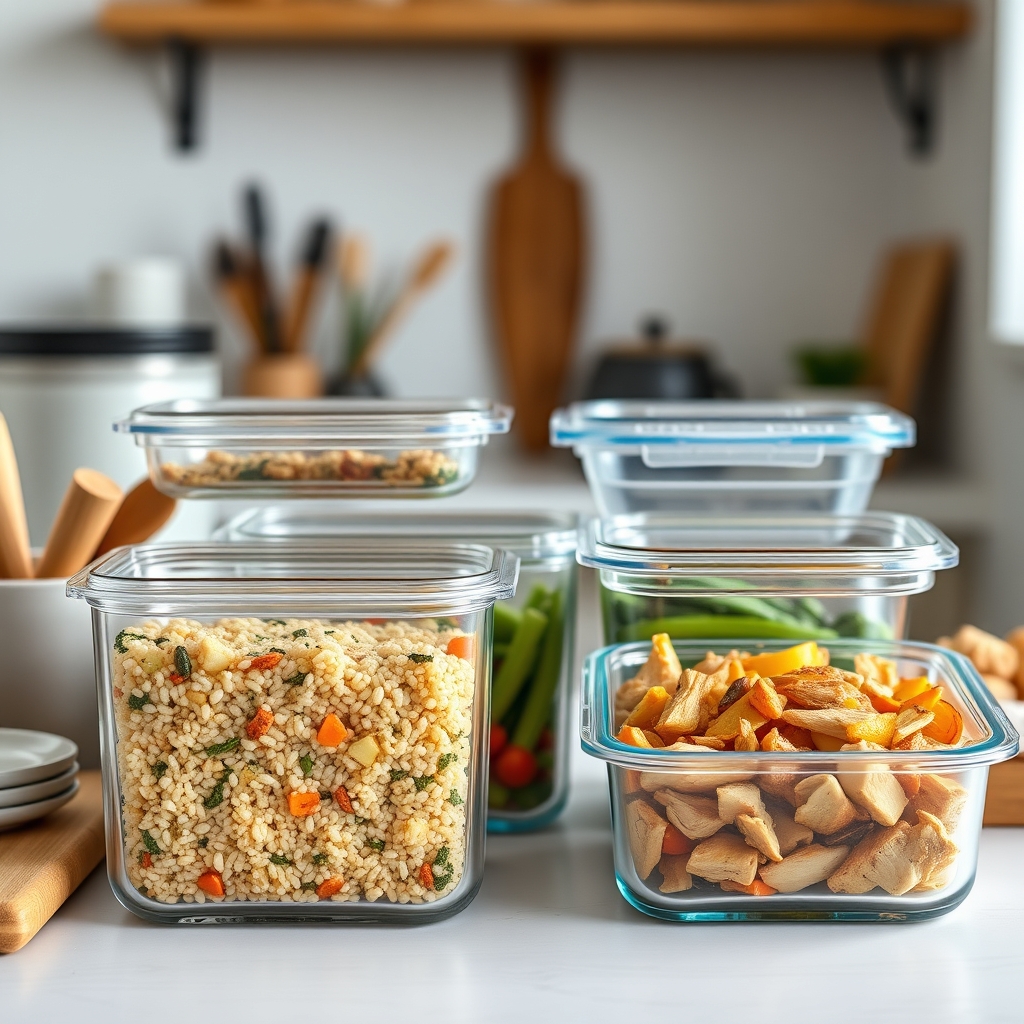
Time constraints are a real challenge. Batch‑cooking on weekends can free up weekday mornings. Cook a large pot of quinoa or brown rice, roast a tray of mixed vegetables, and shred a chicken breast; store each component in separate containers for quick assembly.
Freeze individual portions of homemade baby‑friendly muffins, meatballs, or lentil patties. Thaw in the refrigerator overnight and serve as a snack or part of dinner. The FDA’s guidelines for freezer storage recommend using airtight containers and labeling with the date to ensure safety (FDA, 2023).
Keep a “go‑to” snack drawer stocked with pre‑cut fruit, cheese sticks, whole‑grain crackers, and plain yogurt. Having these ready‑to‑eat items reduces reliance on processed foods and gives you confidence that the toddler receives a balanced snack even on hectic days.
Label each container with a simple icon (e.g., “protein,” “veggie”) so you can assemble a balanced plate in seconds, even when you’re juggling a work call.
Handling mealtime behavior and tantrums
Mealtime meltdowns are common at 18 months, when toddlers are asserting independence. The key is to stay calm, set clear expectations, and keep the environment low‑stress. Offer a timer for “five‑minute eating” and praise any effort, even if the child only tastes a new food.
According to the AAP, offering choices (e.g., “Would you like carrot sticks or peas?”) gives toddlers a sense of control and can reduce resistance. Keep the seat time limited to 20‑30 minutes; if the child is still not eating, gently end the meal and try again later.
Consistent routines—same place, same dishes, same order—signal safety. If a tantrum escalates, pause, acknowledge the feeling (“I see you’re upset”), then redirect to the next bite. Over time, the child learns that mealtime is a predictable, supportive space.
Gluten‑free feeding schedule sample for an 18‑month‑old
For families managing celiac disease or gluten sensitivity, a balanced gluten‑free schedule mirrors the standard plan but swaps wheat‑based grains for alternatives like rice, quinoa, and certified gluten‑free oats. Here’s a quick day‑long example:
All gluten‑free grains should be labeled “certified gluten‑free” to avoid cross‑contamination. Pair iron‑rich foods like lentils with vitamin C fruits to aid absorption, mirroring the guidance for non‑gluten diets (Academy of Nutrition and Dietetics, 2022).
Even with a restricted diet, the calorie and nutrient targets remain the same—about 900–1,000 kcal per day, 16–24 oz of milk, and the micronutrient goals listed earlier.
Myth vs. fact
Myth: Toddlers need three large meals a day to meet their calorie needs.
Fact: Small, frequent meals and snacks better match a toddler’s tiny stomach and fluctuating hunger cues.
Myth: Whole eggs should be avoided until after age two because of allergy risk.
Fact: The AAP now states that most children can safely eat whole eggs from six months onward, unless a specific allergy has been diagnosed.
Myth: If a child refuses a food once, they’ll never like it.
Fact: Repeated exposure (up to 10‑15 times) often leads to acceptance, especially when the food is offered in a low‑pressure setting.
These misconceptions often cause unnecessary stress. Trust the evidence, and remember that flexibility is key to a happy, well‑nourished toddler.
Key takeaways
- Offer three meals and 2‑3 snacks daily, spaced 2‑3 hours apart.
- Target roughly 900–1,000 kcal per day, with ~16–24 oz of milk.
- Use the MyPlate “half‑fruit/veg, quarter‑grain, quarter‑protein” model for balance.
- Introduce soft finger foods and encourage self‑feeding to build motor skills.
- Watch for growth, energy, and digestive red flags; seek professional help if concerns arise.
- Adapt the schedule for vegetarian, allergy‑friendly, or twin households without sacrificing nutrient density.
- Prioritize water and limit sugary drinks; choose fortified plant milks if dairy is limited.
- Maintain calm mealtime routines; offer choices to empower toddlers and reduce tantrums.
Frequently asked questions
How many servings of fruit should a 18‑month‑old have each day?
Most guidelines recommend 1–2 servings of fruit per day for an 18‑month‑old, which translates to about ½ cup of fresh fruit or ¼ cup of dried fruit. Pair fruit with a protein source (e.g., yogurt) to improve satiety.
What is the recommended amount of milk for an 18‑month‑old?
The AAP advises 16–24 ounces (470–710 ml) of whole milk or fortified soy milk daily. This provides essential calcium and vitamin D while limiting excess calories from sugary drinks.
Can I give my 18‑month‑old whole eggs?
Yes. Whole eggs are a safe and nutritious protein source for most toddlers. Introduce them gradually and watch for any signs of allergy, especially if there is a family history of egg allergy.
When should I introduce new textures to an 18‑month‑old?
Texture progression is ideal between 12 and 24 months. By 18 months, most children can handle soft finger foods, shredded meats, and small bite‑size pieces. Offer new textures alongside familiar foods to boost acceptance.
How do I know if my 18‑month‑old is getting enough iron?
Signs of adequate iron include steady growth, active play, and pink‑red skin (not pallor). If you’re concerned, ask your pediatrician for a simple blood test; meanwhile, include iron‑rich foods like meat, beans, fortified cereals, and pair them with vitamin C sources.
What are signs that my toddler is hungry or full?
Hunger cues include reaching for food, opening the mouth, or becoming fussy. Fullness signs include turning away, pushing food away, or losing interest after a few bites. Respect these cues to support self‑regulation.
Is it safe to give honey to an 18‑month‑old?
Yes. Honey is safe after age 12 months because the risk of infant botulism diminishes. Offer it in small amounts, preferably as a drizzle over yogurt or oatmeal, and avoid raw honey that isn’t pasteurized.
How can I reduce sugar intake for my toddler?
Limit fruit‑juice drinks, avoid flavored milks, and choose unsweetened versions of yogurt and cereal. Replace sugary snacks with fresh fruit, plain cheese, or whole‑grain crackers. Reading nutrition labels for added sugars (often listed as “sucrose,” “glucose‑fructose syrup,” or “high‑fructose corn syrup”) helps you make lower‑sugar choices.
What are some quick, nutrient‑dense snack ideas for an 18‑month‑old?
Try a mini cheese cube with soft fruit wedges, a half‑cup of plain yogurt mixed with mashed berries, or whole‑grain crackers topped with avocado mash. Each option supplies protein, healthy fats, and vitamins while staying easy to chew.
How much water should my toddler drink on a hot summer day?
On warm days, aim for the higher end of the AAP’s range—about 8 oz (240 ml) of water between meals, plus additional sips after outdoor play. Offer water in a fun, spill‑proof cup to encourage regular drinking.
When to see a doctor or specialist
If you notice any of the following, schedule a pediatric appointment promptly:
- Weight loss or failure to gain weight on growth charts.
- Persistent refusal of multiple food groups for more than two weeks.
- Signs of nutrient deficiency: pale skin, frequent bruising, or delayed motor milestones.
- Recurrent vomiting, diarrhea, or constipation that interferes with nutrition.
- Any suspected allergic reaction (rash, swelling, difficulty breathing) after a new food.
For ongoing concerns about nutrition, consider a referral to a pediatric dietitian. If you suspect an underlying medical condition (e.g., gastroesophageal reflux, celiac disease), a pediatric gastroenterologist may be appropriate.
Early intervention is key—addressing concerns now supports healthy growth trajectories and reduces the risk of long‑term complications.
References
- American Academy of Pediatrics. “Nutrition: Tips for toddlers.” AAP, 2023.
- U.S. Department of Agriculture. “MyPlate for toddlers.” USDA, 2022.
- National Health Service (UK). “Feeding your toddler.” NHS, 2023.
- Food and Drug Administration. “Food safety for children under two.” FDA, 2023.
- American Dental Association. “Sugar and early childhood caries.” ADA, 2023.
- American College of Gastroenterology. “Guidelines for pediatric gastrointestinal disorders.” ACG, 2022.
- Food Allergy Research & Education. “Food allergy statistics.” FARE, 2022.
- American Speech‑Language‑Hearing Association. “Oral‑motor development in early childhood.” ASHA, 2022.
- Academy of Nutrition and Dietetics. “Iron absorption and vitamin C pairing.” AND, 2022.
- National Institute of Health. “Water intake recommendations for children.” NIH, 2022.