Quick take: A balanced 12‑month baby feeding schedule includes three solid meals, two to three nutritious snacks, and a transition to whole milk while meeting about 900‑1,000 calories daily. Focus on iron‑rich foods, a variety of colors, and plenty of water; use the sample weekly plan below as a flexible guide.
It’s 3 a.m., you’re half‑asleep, and the soft whine of your toddler’s tummy reminds you that feeding time is approaching—again. You’ve read countless articles, but you still wonder, “What should I actually serve my 12‑month‑old each day?” You’re not alone. Many parents feel the pressure to hit the perfect nutrition target while navigating new textures, milk transitions, and occasional picky phases.
In this guide we break down a complete 12 month baby feeding schedule sample, from daily timing to portion sizes, iron‑boosting foods, and safe snack ideas. We’ll walk through a printable PDF format, explain calorie needs, and give you a ready‑to‑use 7‑day meal plan with simple recipes. By the end you’ll have a clear roadmap that can be adjusted to your family’s routine, cultural preferences, and your child’s appetite.
Whether you’re still nursing, using formula, or just starting whole milk, the recommendations below align with guidance from the American Academy of Pediatrics (AAP), the NHS, and the Academy of Nutrition and Dietetics. Let’s turn the mystery of “what to feed” into confidence.
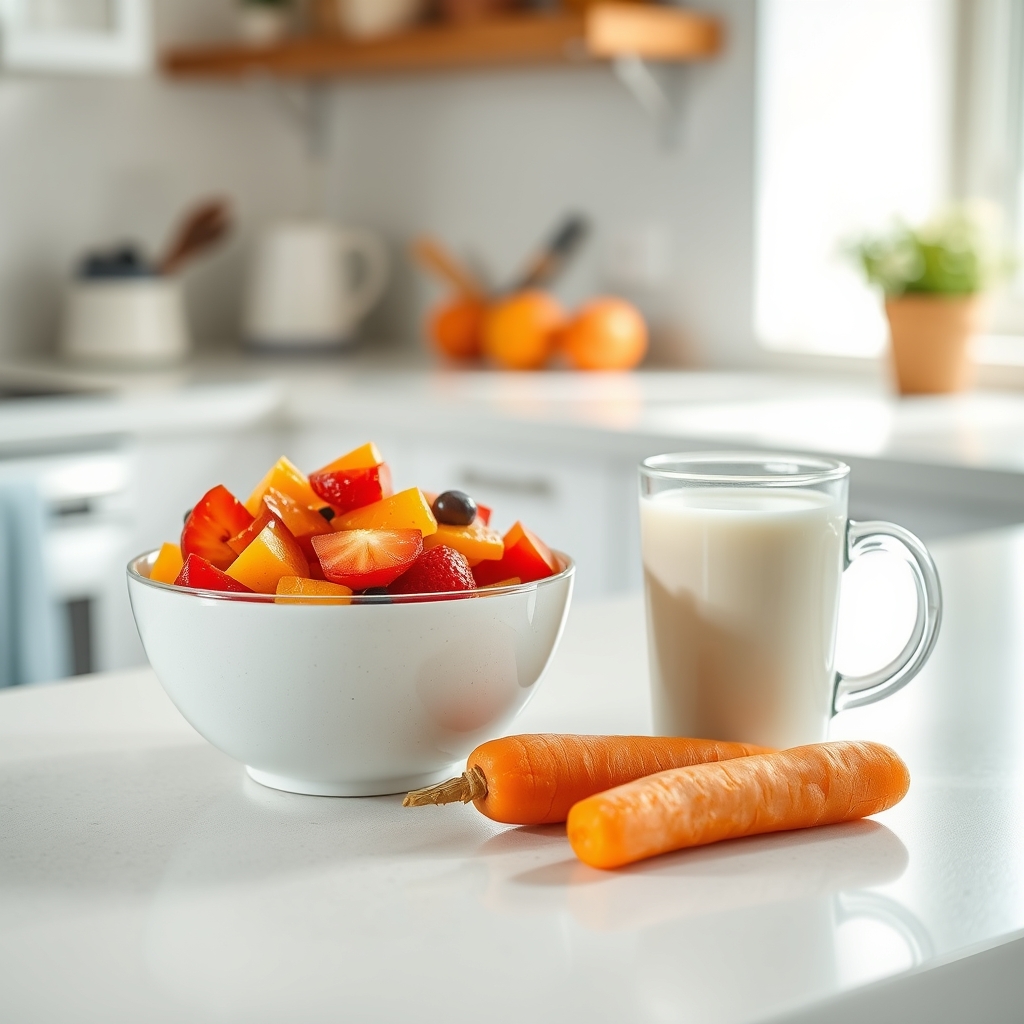
What should a 12 month old baby eat daily schedule?
At 12 months most toddlers are ready for three main meals and two to three snacks spread across the day. A typical schedule looks like this:
- 06:30–07:30 am: Breastmilk or formula (if still nursing) + water
- 08:00–09:00 am: First solid meal (cereal, fruit, protein)
- 10:30–11:00 am: Snack (soft fruit or yogurt)
- 12:00–01:00 pm: Lunch (vegetables, protein, grain)
- 02:30–03:00 pm: Snack (cheese, crackers, or a veggie stick)
- 05:30–06:30 pm: Dinner (similar to lunch but may vary protein)
- 07:30–08:00 pm: Breastmilk or whole milk before bedtime
Each feeding session should be spaced about 2–3 hours apart, allowing the little stomach to empty and hunger cues to reappear. The AAP notes that toddlers at this age typically need 900–1,000 kcal per day, split roughly 30 % at breakfast, 35 % at lunch/dinner, and the remainder in snacks.
When planning the schedule, consider your family’s routine. If you work from home, you might shift the morning meal earlier; if you have a daycare schedule, align snack times with nap periods. Consistency helps regulate appetite, but flexibility is key—some days your child may want an extra snack, and that’s okay. Remember, toddlers are still learning to listen to internal hunger signals, so a calm, pressure‑free environment supports healthy eating habits.
Average calorie intake for a 12 month old baby
The 2023 AAP nutrition guidelines estimate about 900 kcal for a typical 12‑month‑old, with a range of 850–1,050 kcal based on activity level and growth velocity. Calories should come from a mix of carbohydrates (45‑55 % of total), protein (15‑20 %), and healthy fats (30‑35 %). This balance supports brain development, muscle growth, and a healthy weight trajectory.
Recent data from the NHS echo these numbers, emphasizing that toddlers who are more active—crawling, cruising, or taking early steps—may lean toward the higher end of the range. If you notice a rapid increase in appetite, you can modestly boost portion sizes, but always keep the focus on nutrient density rather than empty calories.
How much water should a 12 month old drink per day?
Water needs are modest. The CDC recommends around 4 – 8 oz (120‑240 ml) of water daily, in addition to milk and foods with high water content (e.g., fruit, veggies). Offer a small sippy cup at each snack and meal; avoid sugary drinks.
For families using bottled water, the FDA requires that the label list the source and any added minerals. If you rely on tap water, a quick check with your local water authority can confirm safety. Offering water in a fun, brightly colored cup can also encourage self‑drinking skills.
Below is a printable 12 month baby feeding schedule PDF that mirrors the daily timing above. You can adjust portion sizes based on your child’s appetite, but the structure remains consistent.
Use this as a template and swap in foods your child enjoys. The key is to maintain a balance of fruit, vegetables, protein, and grain at each main meal while keeping snacks simple and nutrient‑dense. Adding a splash of olive oil or a dab of unsalted butter not only improves flavor but also contributes essential fats for brain growth.
How many servings of fruit and vegetables for a 12 month old?
At 12 months the recommended intake is roughly 1 cup of fruit and 1 cup of vegetables per day. This translates to about ½ cup of fruit and ½ cup of vegetables spread across meals and snacks.
Because toddlers have small stomachs, it’s helpful to think in bite‑size portions. A ½ cup serving might be a handful of soft fruit pieces or a few spoonfuls of well‑cooked vegetables. Offering a rainbow of colors—red berries, orange carrots, green peas—keeps the plate interesting and boosts a broad spectrum of vitamins and minerals.
Both the AAP and NHS stress that whole fruit should be preferred over juice. Whole fruit provides fiber that supports digestion and satiety, while juice can contribute unnecessary sugars and reduce the feeling of fullness.
Best toddler snacks for 12 month old
Snack ideas that meet fruit and vegetable goals include:
- Steamed apple slices with a dab of peanut butter (if no allergy)
- Soft‑cooked broccoli florets with a sprinkle of mild cheese
- Mashed berries mixed into yogurt
These options stay under 50 kcal per serving, making them perfect for a mid‑day pick‑me‑up without crowding out the main meals.
Best protein sources for a 12 month old baby feeding plan
Protein supports rapid growth and brain development. Aim for 2–3 oz of protein per day, split across meals.
Here’s a quick comparison of toddler‑friendly protein options:
Rotate these proteins throughout the week to keep meals interesting and to provide a spectrum of micronutrients, especially iron and zinc, which are critical at this stage. The NHS highlights that iron from animal sources is more readily absorbed than plant‑based iron, so pairing lentils with a little meat or vitamin C‑rich fruit can boost absorption.
Signs your 12 month old is getting enough iron
Iron deficiency can cause fatigue and delayed motor skills. Look for these reassuring signs:
- Bright, active play and good concentration
- Normal growth on the pediatric growth chart
- Pinkish‑red skin tone (not pallor)
- Absence of pica (eating non‑food items)
If you notice persistent fatigue, pale gums, or a craving for dirt or ice, discuss iron testing with your pediatrician.
How to transition from breastmilk to whole milk at 12 months
The shift from breastmilk or formula to whole milk usually begins at the 12‑month mark. Here’s a step‑by‑step plan:
- Introduce gradually. Replace one daily bottle or nursing session with 2‑3 oz of whole milk.
- Mix with familiar flavors. Stir a little breastmilk or formula into the milk for the first few days to ease the taste.
- Watch for tolerance. Monitor for any signs of dairy intolerance (rash, diarrhea) over 3‑5 days.
- Increase slowly. Add another serving every few days until you reach 16‑24 oz per day.
- Maintain iron. Pair milk with iron‑rich foods; whole milk alone isn’t a good iron source.
Whole milk provides essential fats for brain development, but it also contains calcium that can inhibit iron absorption if given in excess. The AAP recommends limiting milk to 16‑24 oz per day for toddlers. The FDA’s labeling rules require that whole milk sold in the U.S. contain at least 3.25 % milkfat, ensuring the needed fat content for neurodevelopment.
Introducing dairy to a 12 month old diet
Beyond milk, you can add mild cheese and yogurt. Choose full‑fat, plain varieties without added sugars. Start with ¼ cup servings and observe for any dairy‑related reactions.
Tips for introducing new textures to a 12 month old baby
Texture progression is a milestone. At 12 months, most children can handle soft‑cooked pieces, shredded foods, and even small bite‑size chunks.
- Start with soft, easy‑to‑gum foods. Cook carrots, peas, and sweet potatoes until very tender.
- Gradual size increase. Offer pieces about the size of a pea and watch for successful chewing.
- Encourage self‑feeding. Provide a small, safe spoon or finger foods to foster independence.
- Mix familiar with new. Pair a new texture with a favorite (e.g., banana‑mashed avocado).
Always supervise meals to prevent choking. The American Academy of Pediatrics advises that foods should be cut into pieces no larger than a quarter‑inch and that whole grapes, nuts, and raw carrots are still off‑limits.
Foods to avoid for a 12 month old baby
Common choking hazards and allergens to watch for include:
- Whole grapes, cherry tomatoes, and raw carrots
- Whole nuts, seeds, and popcorn
- Hard candies and sticky foods like marshmallows
- Honey (risk of botulism) – avoid until 12 months
How to handle picky eating at 12 months
Picky phases are normal. Here are evidence‑based strategies:
- Offer variety without pressure. Present 2‑3 new foods alongside familiar ones; repeat exposure 8‑10 times before concluding dislike.
- Model eating. Eat the same foods with your child; toddlers love imitation.
- Make meals interactive. Let them help stir or mash soft foods.
- Keep portions small. Tiny servings reduce overwhelm and increase chances of acceptance.
- Stay consistent. Regular meal times create a predictable hunger‑satiety pattern.
If your child consistently refuses entire food groups (e.g., all vegetables for weeks), consider a brief consultation with a pediatric dietitian to rule out sensory issues or nutrient gaps.
Sample weekly meal plan for a 12 month old baby
Below is a full 7‑day plan with simple recipes you can prep in under 30 minutes each day. Adjust portions based on your child’s appetite.
All meals are designed to meet the daily fruit, vegetable, protein, and grain recommendations while staying within the 900‑1,000 kcal range. Feel free to swap proteins or grains based on family preferences, cultural foods, or seasonal produce. Adding a pinch of cinnamon or a drizzle of olive oil can enhance flavor without adding sugar.

How to identify and manage common food allergies in a 12‑month‑old
Food allergies affect roughly 8 % of toddlers, with peanuts, eggs, dairy, and wheat being the most common culprits. Early identification helps prevent reactions and guides future food introductions.
Watch for skin hives, swelling around the mouth, vomiting, or difficulty breathing within 30 minutes of a new food. If any of these occur, stop the food immediately, call your pediatrician, and follow the emergency plan you’ve discussed with your provider. The NHS recommends keeping a simple food diary to track possible triggers.
For toddlers with confirmed allergies, the AAP suggests using hypoallergenic alternatives—such as oat‑based cereal for wheat allergy or fortified soy yogurt for dairy intolerance. Below is a quick reference table of allergy‑friendly protein options.
Always read labels carefully; the FDA’s “Food Allergen Labeling” rule requires that major allergens be listed in plain language. If you’re unsure, ask your pediatrician for an allergy test before introducing a high‑risk food.
A well‑stocked pantry makes daily meal prep smoother and reduces stress at snack time. Here’s a concise shopping list that covers the foods highlighted in the weekly plan:
- Whole‑milk dairy: milk, plain full‑fat yogurt, mild cheese
- Protein: boneless chicken breast, ground turkey, salmon fillets, lentils, tofu, eggs
- Grains: iron‑fortified oatmeal, quinoa, brown rice, whole‑grain pancake mix, millet cereal
- Fruits: bananas, peaches, pears, blueberries, mango, strawberries, kiwi
- Vegetables: carrots, peas, sweet potatoes, broccoli, spinach, zucchini, butternut squash, green beans
- Healthy fats: extra‑virgin olive oil, avocado, unsalted butter
- Snack basics: whole‑grain crackers, unsweetened applesauce, nut‑free butter (e.g., sunflower seed)
When possible, choose organic produce for the “dirty dozen” (berries, grapes, leafy greens) to reduce pesticide exposure—a recommendation echoed by the WHO. Buying in bulk and freezing portions can also save time and money.
Meal‑prep shortcuts for busy parents of toddlers
Even the most organized parent can feel overwhelmed. Below are three time‑saving strategies that keep nutrition intact:
- Batch‑cook grains. Cook a large pot of quinoa or brown rice on Sunday; store in airtight containers in the fridge for up to five days.
- Pre‑portion snacks. Divide diced fruit, yogurt, and cheese into small reusable containers so you can grab a snack in seconds.
- One‑pot meals. Combine protein, veggies, and grains in a slow‑cooker or Instant Pot. For example, a chicken‑lentil stew can yield multiple servings for lunch and dinner.
These shortcuts align with recommendations from the Academy of Nutrition and Dietetics, which emphasize that convenience should never compromise nutrient density. A well‑planned fridge can turn “I don’t have time” into “I have a healthy option ready.”
Myth vs. fact
Myth: A 12‑month‑old should drink only breastmilk or formula.
Fact: At 12 months most pediatric guidelines recommend transitioning to whole milk while continuing breastmilk or formula if desired, alongside solid foods.
Myth: Toddlers need large portions to grow fast.
Fact: Small, frequent meals (about ¼ cup per food group) meet nutritional needs; over‑feeding can lead to excess weight gain.
Myth: Fruit juice is a healthy way to meet fruit servings.
Fact: Whole fruit provides fiber and fewer sugars; the AAP advises limiting juice to 4 oz per day for toddlers.
Myth: All toddlers can handle the same textures at the same age.
Fact: Development varies; some children may still need pureed foods while others can chew soft chunks. Follow your child’s cues and consult a pediatrician if you’re unsure.
Key takeaways
- Offer three balanced meals and 2‑3 nutrient‑dense snacks daily, spaced 2‑3 hours apart.
- Target ~900‑1,000 kcal per day, with 1 cup each of fruit and vegetables.
- Transition to whole milk gradually, limiting intake to 16‑24 oz.
- Include iron‑rich proteins such as chicken, lentils, and egg yolk.
- Introduce new textures gradually and watch for choking hazards.
- Use the sample weekly plan as a flexible template; adjust for preferences.
- Seek professional guidance if picky eating persists beyond 2‑3 weeks or if growth slows.
- Keep a handy grocery list and batch‑cook basics to simplify daily meals.
- Monitor for food‑allergy signs and have an action plan ready.
Frequently asked questions
How many meals should a 12 month old have each day?
Most experts recommend three solid meals plus two to three snacks. This schedule supports steady energy, growth, and appetite regulation.
Can a 12 month old drink whole milk?
Yes. The AAP advises introducing whole milk at 12 months, limiting it to 16‑24 oz daily while continuing solid foods for iron and other nutrients.
What are the signs of hunger in a 12 month old?
Typical cues include rooting, reaching for food, increased alertness, and putting hands in the mouth. Crying can also indicate hunger if other cues are subtle.
When should I start offering solid foods to a 12 month old?
Solid foods should already be part of the diet by 6 months. By 12 months, focus shifts to expanding textures, flavors, and protein sources.
How much fruit should a 12 month old eat daily?
Aim for about ½ cup of fruit per day, which can be split across meals and snacks—e.g., a few banana slices at breakfast and diced peach at snack time.
What foods are choking hazards for a 12 month old?
Whole grapes, cherry tomatoes, raw carrots, nuts, popcorn, and hard candies pose choking risks. Always cut foods into small, manageable pieces.
Is it okay to give my 12 month old fortified cereal with milk?
Yes. Fortified cereals provide iron and can be mixed with whole milk or breastmilk. Just ensure the cereal is low in added sugar and that you serve a portion appropriate for a toddler’s small stomach.
What are safe dairy‑free alternatives for toddlers who are lactose intolerant?
Fortified soy yogurt, oat‑based milk, and lactose‑free cow’s milk are all acceptable options. Check the label for added calcium and vitamin D to match the nutrient profile of whole milk.
When to see a doctor or specialist
If you notice any of the following, contact your pediatrician promptly:
- Persistent refusal to eat any solid foods for more than two weeks.
- Signs of iron deficiency: pale skin, fatigue, or pica.
- Rapid weight loss or failure to gain weight on growth charts.
- Recurrent vomiting, diarrhea, or constipation that interferes with feeding.
- Allergic reactions after new foods (hives, swelling, wheezing).
- Any choking episode that required intervention.
- Concern about a suspected food allergy or intolerance.
For ongoing feeding concerns, a pediatric dietitian or a pediatric gastroenterologist can provide tailored guidance. If you suspect a food allergy, an allergist can perform skin‑prick or blood testing to confirm sensitivities.
References
- American Academy of Pediatrics. “Nutrition: What Every Parent Should Know.” AAP, 2023.
- Academy of Nutrition and Dietetics. “Toddler Nutrition.” Eatright.org, 2022.
- Centers for Disease Control and Prevention. “Infant Nutrition.” CDC, 2023.
- World Health Organization. “Infant and Young Child Feeding.” WHO, 2022.
- U.S. Department of Agriculture. “MyPlate for Parents.” USDA, 2023.
- Harvard T.H. Chan School of Public Health. “Iron in Infants and Toddlers.” Harvard, 2021.
- National Institutes of Health. “Water Intake for Children.” NIH, 2022.
- National Health Service (UK). “Feeding your baby and toddler.” NHS, 2023.
- U.S. Food and Drug Administration. “Food Allergen Labeling.” FDA, 2022.



