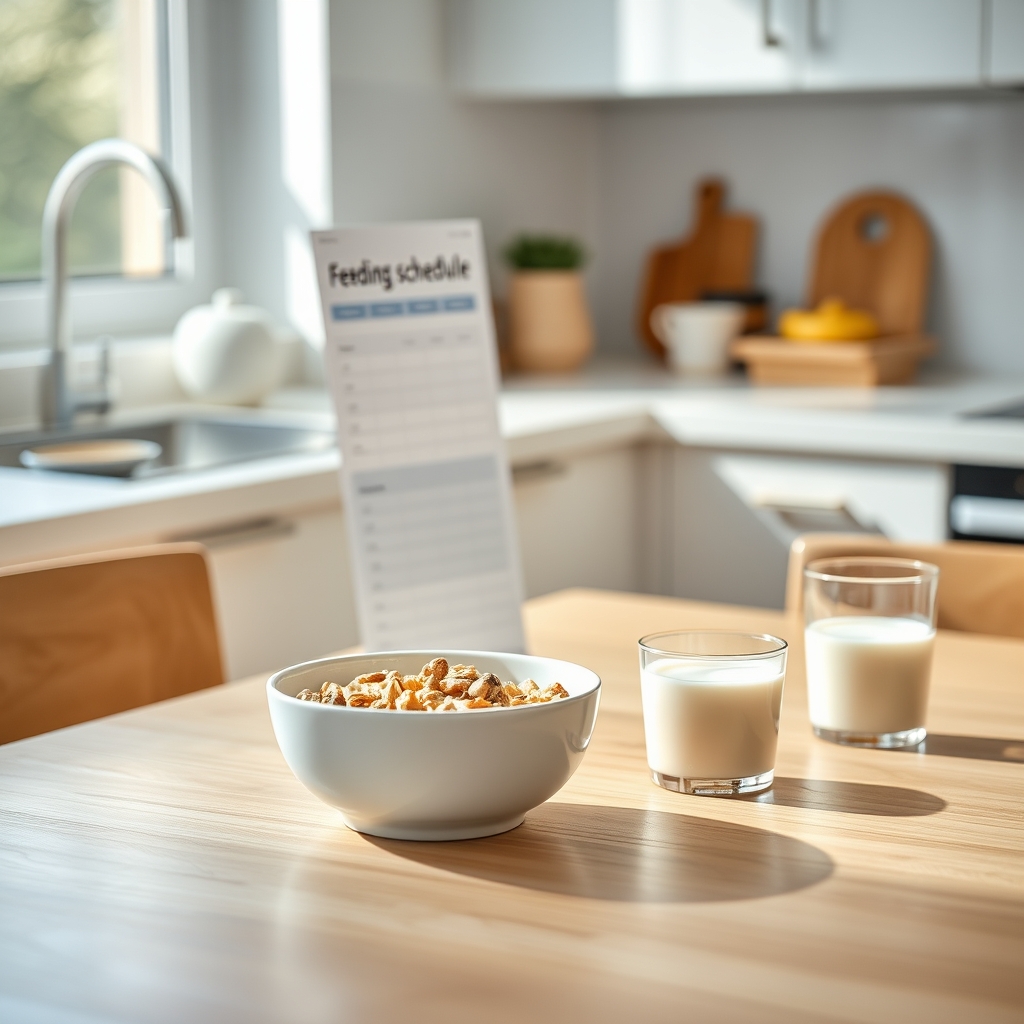
Below is a printable 10 month baby feeding schedule sample that shows typical timing, foods, and portion sizes for one day. Adjust the times to fit your family’s routine; the most important part is consistency and offering a balanced mix of nutrients.
This schedule provides three solid meals (breakfast, lunch, dinner) plus two snack‑time yogurts, interspersed with 4–6 oz of breast milk or formula every 2–3 hours. The total daily milk volume typically ranges from 24–32 oz, aligning with AAP guidance that a 10‑month‑old needs about 28 oz of milk per day.
When you’re away from home, a cooler bag with pre‑portioned meals and a bottle of expressed breast milk can keep the routine intact. The CDC recommends keeping breast‑milk at 4 °C or colder for up to 24 hours, and at –20 °C for longer storage.
How many meals should a 10 month old have per day?
Most pediatric nutritionists agree on three main meals plus 2–3 milk feedings for a 10‑month‑old. The pattern looks like this:
- Breakfast: 30–45 minutes after the first morning milk feeding.
- Lunch: Mid‑day, about 4–5 hours after breakfast.
- Dinner: Early evening, roughly 3–4 hours after lunch.
- Milk feedings: 4–6 oz every 2–3 hours, typically after waking, before naps, and before bedtime.
This schedule keeps blood‑sugar levels stable, supports growth hormones, and helps establish a predictable routine—crucial for both baby and parent. If your baby seems hungry between meals, a small finger‑food snack (like a soft‑cooked veggie piece) is acceptable. The CDC notes that regular intervals also reduce the risk of iron‑deficiency anemia in infants.
Some families prefer a “milk‑first” approach, offering a brief milk feeding before each solid meal to keep the baby calm and ready to try new textures. Research from the American Academy of Family Physicians suggests this can improve acceptance of new foods without displacing solid‑food intake.
10 month baby feeding schedule for picky eaters
Many parents report that their 10‑month‑old becomes a “picky eater” the moment they start offering textures. The good news is that picky eating at this age is often a normal part of developing autonomy. Here are proven strategies:
- Offer the same food repeatedly: It can take 10–15 exposures before a baby accepts a new flavor (Harvard T.H. Chan School of Public Health).
- Mix familiar with new: Pair a liked food (like banana) with a new vegetable (like peas) in a mash.
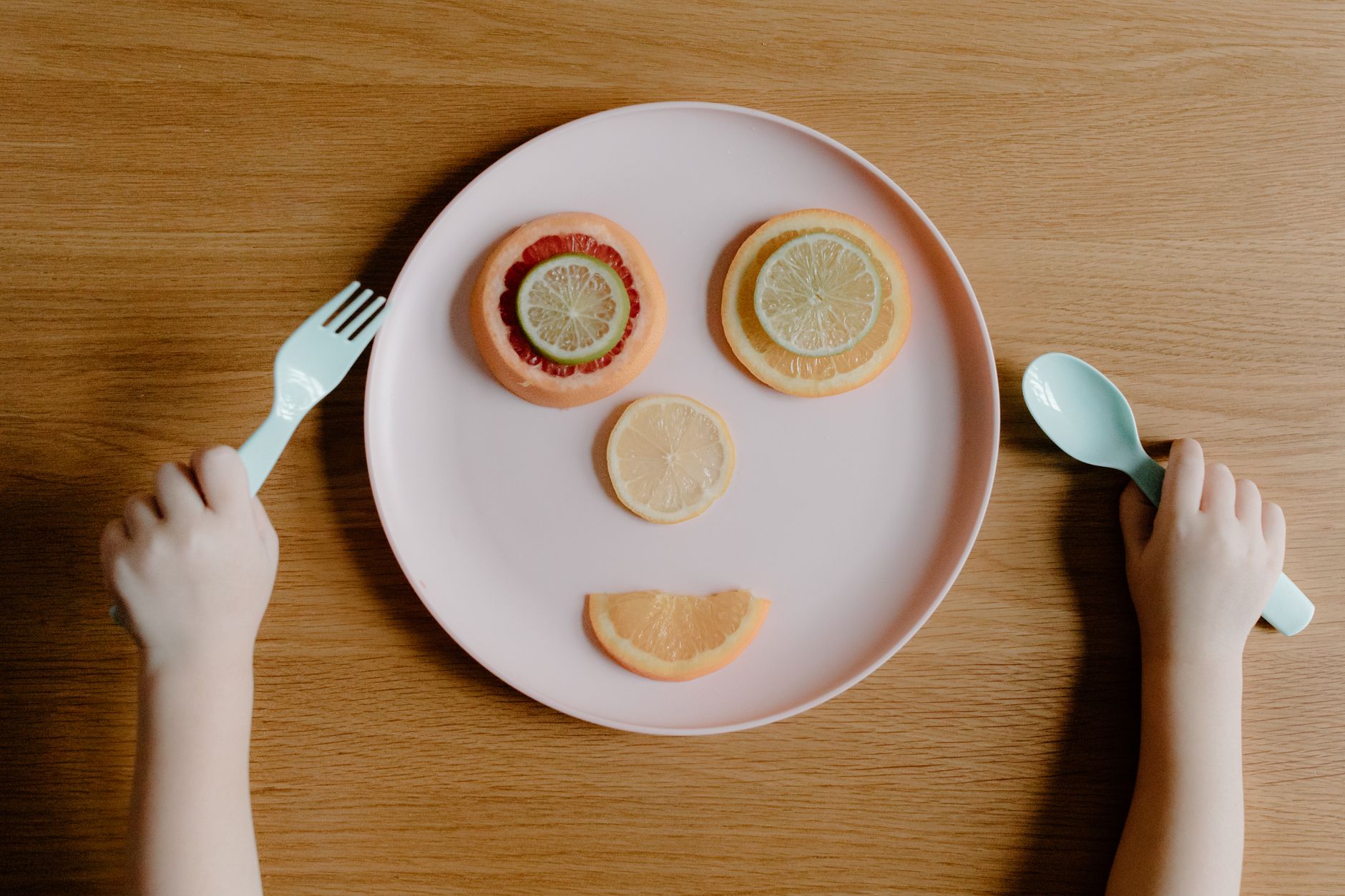
- Make food fun: Use silicone molds to shape soft fruits or veggies into stars or hearts.
- Stay calm: Pressure can increase resistance. Offer a bite, step back, and try again later.
- Model eating: Sit with your baby and eat the same foods; babies love to imitate.
For twins, rotate the same menu but vary the presentation to keep each child engaged. Keep a feeding log for a week to spot patterns—maybe one twin prefers sweet flavors while the other likes savory. Adjust the schedule accordingly without compromising nutrition.
When a baby outright refuses a food, try offering it at a different temperature (warmed vs. room temperature) or with a different dip, such as a tiny amount of plain yogurt. Small changes in texture can make a big difference in acceptance.
Best foods for a 10 month old baby nutrition guide
Below is a quick‑reference list of nutrient‑dense foods that fit perfectly into a 10 month baby feeding schedule sample. Aim for a rainbow of colors each week.
These foods meet the AAP’s recommendation that iron‑rich foods become a staple after 6 months, because iron stores from birth diminish around 6–9 months. Pair iron‑rich foods with a source of vitamin C (like fruit) to boost absorption, a strategy endorsed by the WHO.
For families that prefer organic options, look for produce labeled “USDA Organic” to reduce pesticide exposure, though the nutritional differences are modest. The FDA’s Food Safety Modernization Act still applies to all infant foods, so always wash produce thoroughly.
How to transition a 10 month old from purees to finger foods
Transitioning is less about a sudden switch and more about gradual texture escalation. The following steps, endorsed by the Academy of Nutrition and Dietetics, can guide you:
- Start with mash‑to‑soft: Take previously liked purees and mash them with a fork, adding a little water or breast milk to achieve a slightly thicker consistency.
- Introduce soft “sticks”: Steam carrots, zucchini, or sweet potato until very soft, then cut into strips about 1 cm wide. Babies can grasp these with their emerging pincer grasp.
- Offer bite‑size cubes: Small cubes (½ inch) of cooked protein (chicken, tofu) and soft fruit (banana, ripe peach) are ideal for self‑feeding.
- Encourage self‑feeding: Place a few pieces on a high‑chair tray. Let your baby explore. Supervise closely to avoid choking.
- Monitor for choking: Always stay within arm’s reach, and learn basic infant choking first aid (Heimlich maneuver for infants). The American Red Cross provides quick‑reference guides.
By 10 months many babies have developed the ability to pick up small objects and bring them to their mouth, making finger foods an exciting new frontier for motor‑skill practice. The NHS also recommends offering water in a sippy cup once solid foods are well‑established, to aid swallowing and prevent dehydration.
When introducing a new texture, keep the portion tiny—about the size of a pea—to reduce the risk of choking. If your baby seems overwhelmed, retreat to softer purees for a day before trying again.
10 month baby feeding schedule sample for twins
Feeding twins can feel like juggling two tiny chefs. The core principles—three solid meals, regular milk feedings, balanced food groups—stay the same, but you’ll want to streamline preparation and respect each child’s unique appetite.
Here’s a twin‑friendly adaptation of the earlier schedule:
Notice the identical timing—consistency helps both babies settle into a rhythm. Slight variations in the solid foods keep each child’s palate engaged while allowing you to batch‑cook a single batch of veggies or grains. The AAP notes that twins often share similar nutritional needs, so a unified schedule can reduce stress for the whole family.
If one twin consistently eats more than the other, you can offer an extra tablespoon of protein or a small fruit puree on the side, but avoid forcing larger portions. Regular weight checks will help you fine‑tune the plan.
Additional resources: 10 month baby feeding schedule PDF, portion sizes, and milk guidelines
For parents who love printable references, we’ve compiled a downloadable 10 month baby feeding schedule PDF. It includes a weekly chart, portion‑size visuals, and a quick‑look milk‑intake guide. Below are the key numbers you’ll find inside.
- Portion sizes: ¼ cup cooked grains, ¼ cup fruit, ¼ cup vegetables, 1–2 tablespoons protein per meal.
- Milk intake: 24–32 oz of breast milk or formula daily, divided into 4–6 feedings.
- Water: Offer 2–4 oz of water in a sippy cup once solid meals begin, especially in warm climates.
These guidelines align with the CDC’s recommendations for toddlers 12–24 months, adapted for the 10‑month stage where milk still provides the bulk of calories.
Introducing new foods to a 10 month old
When you add a new food, follow the “four‑day rule” endorsed by the American Academy of Pediatrics. Offer the new item for three consecutive days, then wait four days before introducing another. This interval helps you spot any delayed allergic reaction, such as rash, swelling, or vomiting.
Start with single‑ingredient foods—no honey, no nuts, and avoid added salt or sugar. Cooked lentils, well‑mashed beans, or soft tofu are excellent protein introductions. Pair them with a familiar fruit puree to increase acceptance.
Keep a simple notebook or a notes app to track each new food, the day you introduced it, and any observed reactions. This record can be incredibly helpful if you later need to discuss potential allergies with your pediatrician.
Signs your 10 month old is ready for more solids
Developmental cues indicate readiness for more complex solids:
- Good head‑control and sitting upright without support.
- Ability to bring objects to mouth (pincer grasp emerging).
- Interest in watching you eat and reaching for food.
- Decreased tongue‑thrust reflex—baby no longer pushes solids out automatically.
If you notice these signs, you can safely increase the variety and texture of foods, moving from purees to mashed and eventually to finger foods. The NHS advises that these milestones usually appear between 8 and 10 months, but each child is unique.
Even with these cues, continue offering milk at regular intervals; solids are supplemental at this stage, not a replacement for breast milk or formula.
10 month old baby weight gain feeding tips
Steady weight gain is a primary indicator of adequate nutrition. The WHO growth standards suggest a 10‑month‑old should gain about 0.5–0.75 kg per month. If your baby’s growth curve flattens, consider these tips:
- Increase calorie density: Add a teaspoon of olive oil or a small amount of full‑fat yogurt to meals.
- Offer more frequent snacks: A mid‑morning and mid‑afternoon fruit or veggie bite can boost intake.
- Check milk intake: Ensure the baby is getting at least 24 oz of breast milk or formula; low milk can limit calories.
- Monitor feeding environment: Distractions (TV, toys) can reduce appetite. Keep meals calm and focused.
Always discuss persistent weight concerns with your pediatrician, who may recommend a growth‑monitoring plan or a referral to a pediatric dietitian.
Choosing the right feeding equipment for a 10 month old
Even the right spoon can make a big difference in how smoothly your baby learns to self‑feed. Here’s a quick guide to the most baby‑friendly options, based on recommendations from the AAP and pediatric occupational therapists.
Choose utensils that are easy for tiny hands to hold and that won’t scratch gums. Avoid metal or hard plastic spoons that can be too harsh on delicate gums. The AAP also stresses that any feeding equipment should be cleaned thoroughly after each use to prevent bacterial growth.
When selecting a sippy cup, look for BPA‑free materials and a soft silicone nipple that encourages a natural sucking motion, which helps oral‑motor development.
Grocery list and batch‑prep tips for busy parents
When you’re juggling work, bedtime, and a 10‑month‑old, a well‑planned grocery list can save hours each week. Below is a sample list that covers all food groups and includes items that freeze well for later use.
- Grains: Iron‑fortified oatmeal, whole‑grain mini pasta, quinoa.
- Fruits: Bananas, ripe pears, mango, blueberries (peeled).
- Vegetables: Sweet potatoes, carrots, peas, avocado, zucchini.
- Protein: Skinless chicken breasts, ground turkey, lentils, eggs (for yolk only).
- Dairy/fats: Full‑fat plain yogurt, mild cheddar cheese, extra‑virgin olive oil.
- Extras: Breast‑milk storage bags (if pumping), unsweetened applesauce (as a puree base), low‑sodium broth for cooking grains.
Batch‑prep tips:
- Steam a large batch of sweet potatoes, carrots, and peas on Sunday; portion into freezer bags.
- Cook quinoa or oatmeal in bulk and store in airtight containers; reheat with a splash of breast milk.
- Shred cooked chicken or turkey and freeze in small portions for quick protein add‑ins.
- Pre‑measure yogurt and fruit into small containers for the afternoon snack.
Having these basics ready means you can assemble a balanced meal in under five minutes, even on a hectic night. The NHS recommends rotating frozen foods no more than three months for optimal nutrient retention.
Managing common food allergies in a 10‑month‑old
Food allergies affect roughly 8 % of infants, with cow’s milk, eggs, peanuts, and wheat being the most common triggers. The AAP advises introducing each potential allergen separately and watching for reactions for 2–3 days after each exposure.
If you notice hives, swelling, vomiting, or difficulty breathing, seek emergency care right away. For milder symptoms like a rash, contact your pediatrician within 24 hours to discuss possible testing or an allergy‑specialist referral.
When an allergy is confirmed, replace the offending food with a nutritionally equivalent alternative. For example, if your baby reacts to dairy, fortified soy or oat‑based yogurt can provide calcium and vitamin D. The FDA’s guidance on infant formula alternatives can help you choose a safe option.
Vegan or plant‑based feeding options for a 10‑month‑old
Families following a vegan lifestyle can still meet all of a 10‑month‑old’s nutrient needs with careful planning. Key nutrients to watch include iron, zinc, calcium, vitamin B12, and omega‑3 DHA.
Iron‑rich plant foods such as lentils, fortified cereals, and pureed beans should be paired with vitamin C‑rich fruit (like mango) to improve absorption. Calcium can come from fortified plant milks, tofu, and calcium‑rich leafy greens (well‑cooked and finely chopped).
Vitamin B12 supplementation is essential, as it is not reliably present in plant foods. The Academy of Nutrition and Dietetics recommends a pediatric‑dose B12 supplement for exclusively plant‑based infants. DHA can be sourced from algae‑based supplements, which the FDA has approved for infant use.
Always discuss a vegan diet with your pediatrician or a registered dietitian to ensure growth milestones are met and to schedule regular blood work for nutrient monitoring.
Myth vs. fact
Myth: “At 10 months you can give cow’s milk instead of formula.”
Fact: The AAP advises waiting until 12 months before introducing whole cow’s milk, because it lacks sufficient iron and can irritate the gut.
Myth: “If a baby refuses a new food, they’ll never like it.”
Fact: Repeated exposure (10–15 tries) often leads to acceptance, especially when paired with a familiar favorite.
Myth: “All babies need the same amount of milk every day.”
Fact: Milk needs vary; most 10‑month‑olds thrive on 24–32 oz daily, but some may need slightly more or less based on appetite and growth patterns.
Key takeaways
- Offer three solid meals plus 2–3 milk feedings daily; total milk ≈ 24–32 oz.
- Portion sizes are roughly ¼ cup of grains, fruit, or veg, and 1–2 tbsp of protein per meal.
- Transition from purees to finger foods gradually, using soft‑cooked sticks and small cubes.
- Stay hydrated with a few ounces of water in a sippy cup once solids are well‑established.
- For picky eaters, keep offering new foods repeatedly and make meals visually fun.
- Watch for choking hazards and allergic reactions; contact a pediatrician if concerns arise.
- Vegan families can meet nutrient needs with fortified foods and supplements, but professional guidance is essential.
Frequently asked questions
How many meals should a 10 month old have?
Most experts recommend three solid meals (breakfast, lunch, dinner) plus two to three milk feedings spaced every 2–3 hours. This schedule supplies balanced nutrition and supports steady growth.
What foods are safe for a 10 month old baby?
Safe foods include soft‑cooked vegetables, ripe fruits (peeled), iron‑fortified cereals, well‑cooked shredded meats, full‑fat yogurt, and avocado. Avoid honey, whole nuts, unpasteurized cheeses, and any foods with added salt or sugar.
Can a 10 month old drink cow's milk?
No. The AAP recommends waiting until 12 months before introducing whole cow’s milk because it lacks iron and can be hard on a baby’s kidneys. Until then, stick with breast milk or formula.
When should I start giving my baby finger foods?
Typically around 9–10 months, once your baby can sit unsupported, brings objects to their mouth, and shows interest in what you’re eating. Begin with soft sticks and small cubes, always supervising closely.
Aim for 24–32 oz total per day, divided into 4–6 feedings. This amount provides most of the calories, while solid foods contribute the remaining one‑third.
What is a typical feeding schedule for a 10 month old?
A common pattern is: 7:30 am milk, 8:30 am solid breakfast, 10:00 am milk, 12:00 pm solid lunch, 2:00 pm milk, 3:30 pm solid snack, 5:30 pm milk, 7:00 pm solid dinner, 8:30 pm milk.
Can I give my 10‑month‑old cheese?
Yes—soft, pasteurized cheeses like mild cheddar or mozzarella are fine in small cubes or shredded form. Choose full‑fat varieties for healthy fat intake, and avoid cheeses with added salt or strong flavors until your baby is older.
How should I store homemade baby food?
Cool cooked foods to room temperature within 2 hours, then refrigerate in airtight containers for up to 48 hours. For longer storage, freeze in single‑serve portions; the FDA advises using freezer‑safe containers and labeling with the date. Thaw in the refrigerator or gently warm on the stove—never leave food at room temperature for more than an hour.
How do I know if my baby is getting enough iron?
Signs of adequate iron include steady weight gain, alertness, and normal skin color. If you’re concerned, ask your pediatrician for a quick blood test; the AAP recommends screening for iron deficiency anemia at 12 months, but earlier testing is appropriate if risk factors exist (e.g., low‑iron diet or premature birth).
When to see a doctor or specialist
Contact your pediatrician promptly if you notice any of the following red‑flag signs:
- Consistently refusing all solids for more than a week.
- Weight loss or failure to gain at least 0.5 kg per month.
- Frequent vomiting, diarrhea, or signs of possible food allergy (rash, swelling, wheezing).
- Persistent choking episodes or coughing while eating.
- Signs of dehydration (dry mouth, few wet diapers).
These symptoms may warrant evaluation by a pediatrician, a pediatric gastroenterologist, or a registered dietitian specializing in infant nutrition. Remember, this article is for informational purposes only and does not replace personalized medical advice.
References
- American Academy of Pediatrics. “Infant Feeding and Nutrition.” AAP, 2023.
- World Health Organization. “Infant and Young Child Feeding.” WHO, 2022.
- Centers for Disease Control and Prevention. “Childhood Nutrition.” CDC, 2023.
- Harvard T.H. Chan School of Public Health. “Introducing Solid Foods.” Harvard, 2022.
- Academy of Nutrition and Dietetics. “Nutrition for Infants and Toddlers.” AND, 2023.
- U.S. Food and Drug Administration. “Guidance for Industry: Infant Formula.” FDA, 2022.
- National Institute for Health and Care Excellence. “Feeding and nutrition for infants and young children.” NICE, 2021.
- American Red Cross. “Infant First Aid: Choking and CPR.” ARC, 2022.
- American College of Obstetricians and Gynecologists. “Breastfeeding guidance.” ACOG, 2023.
- National Institute of Allergy and Infectious Diseases. “Food Allergy Overview.” NIH, 2023.
- Academy of Nutrition and Dietetics. “Plant‑Based Diets for Infants.” AND, 2023.



