Skip to main content+
On this page

Yakisoba in Pregnancy — Safe, Satisfying, and Full of Flavor

Yakisoba, the classic Japanese stir-fried noodle dish, is safe in pregnancy when freshly cooked and eaten hot. Learn how to enjoy it with balanced nutrition, low sodium, and safe cooking tips.

Personalized Safety Check

Safety for yakisoba during pregnancy

Get guidance based on your trimester & any health conditions you may have. Your details stay only on this device.

How has your doctor described your pregnancy?
Shubhra Mishra

By Shubhra Mishra — a mom of two who turned her own confusion during pregnancy into BumpBites, a global mission to make food choices clear, safe, and stress-free for every expecting mother. 💛

Are you a qualified maternal-health or nutrition expert? Join our reviewer circle.

Download the Complete Pregnancy Food Guide (10,000 Foods) 📘

Instant PDF download • No spam • Trusted by thousands of moms

💡 Your email is 100% safe — no spam ever.

Wok-fried yakisoba noodles with vegetables, pork, and soy glaze
Yakisoba is pregnancy-safe when cooked thoroughly and eaten hot. [1]

Yakisoba in Pregnancy — Stir-Fried Comfort, Safe and Satisfying

Wok-fried noodles sizzling with cabbage, pork, and soy sauce — few aromas say comfort like yakisoba. For expecting mothers, it’s not just delicious — it’s safe and balanced when made fresh, served hot, and kept moderate in salt. [1] [4]

Quick Take (TL;DR)

  • Cook and serve hot: prevents Listeria risk. [2]
  • Use pasteurized soy sauce: and limit sodium. [4]
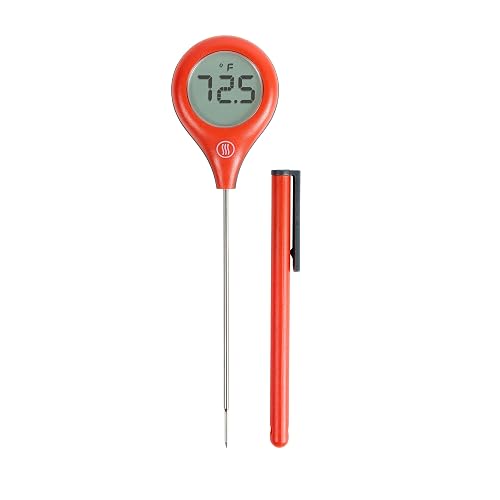
  • Fully cook meats or tofu: ≥74 °C / 165 °F internal temp. [1]
  • Store leftovers safely: refrigerate ≤2 hours, reheat until steaming. [3]
  • Balance plate: add vegetables for fiber and vitamins. [4]

Ingredient Safety — Balancing Flavor and Caution

The heart of yakisoba lies in its balance — noodles, meat, vegetables, and a savory sauce. Use fresh ingredients, avoid pre-cut street noodles, and keep utensils and boards separate for raw meat. Low-sodium soy sauce helps manage fluid retention common in late pregnancy. [4]

Nutrition Snapshot — Energy with Balance

Nutrient (per serving ≈ 1 bowl)Approx.Pregnancy Benefit
Calories≈ 420 kcalProvides steady energy. [4]
Protein≈ 18 gSupports fetal development. [4]
Fat≈ 14 gHealthy energy source; moderate oil use recommended.
Sodium≈ 850 mgWatch total intake; use low-sodium soy sauce.
Cooked yakisoba stored in airtight glass container labeled 'Reheat 74°C — 2 days max'
Refrigerate within 2 hours and reheat to 74 °C / 165 °F before eating. [3]
Bowl of yakisoba noodles topped with pickled ginger and sesame seeds
Enjoy freshly cooked yakisoba with vegetables and lean protein for a balanced meal. [4]

Myths & Facts

  • Myth: “Street yakisoba is always safe.”
    Fact: Only if hot and freshly made — reheated portions risk bacterial growth. [2]
  • Myth: “Soy sauce is off-limits.”
    Fact: Pasteurized soy sauce is safe — just moderate the salt. [4]
  • Myth: “Pregnant women can’t eat noodles.”
    Fact: Whole wheat or fortified noodles are a fine source of energy and fiber. [4]

Pregnancy FAQ — Yakisoba

Is yakisoba safe during pregnancy?

Yes — when cooked fresh and eaten hot. Avoid leftover or reheated street versions that may sit at room temperature. [1] [2]

Can I eat yakisoba from restaurants?

Yes, if it’s served steaming hot and freshly made. Avoid pre-packed cold noodles or buffet trays. [5]

Is soy sauce safe in yakisoba?

Yes — use pasteurized or bottled soy sauce, and limit sodium by choosing low-salt variants. [4]

Can I use chicken, pork, or shrimp?

Yes — all are safe when cooked to ≥74 °C / 165 °F. [1]

Can I eat yakisoba leftovers?

Yes, if refrigerated within 2 hours and reheated until piping hot before serving. [3]

References & Acknowledgements

Based on FDA, CDC, WHO, NHS, and Mayo Clinic guidance for food safety, cooking temperatures, and balanced pregnancy nutrition. [1] [2] [3] [5] [4]

🥗 Nutrition Facts

sugar5 g
limit Per Day1 plate
carbohydrates≈ 55 g
noteNutritious and safe when hot and freshly cooked; avoid reheated street versions. [[ref:mayo-pregnancy-nutrition]]
sodium≈ 850 mg
quantityPer bowl (~1 serving)
fats≈ 14 g
protein≈ 18 g
calories≈ 420 kcal
Shubhra Mishra

About the Author

When Shubhra Mishra was expecting her first child in 2016, she was overwhelmed by conflicting food advice — one site said yes, another said never. By the time her second baby arrived in 2019, she realized millions of mothers face the same confusion.

That sparked a five-year journey through clinical nutrition papers, cultural diets, and expert conversations — all leading to BumpBites: a calm, compassionate space where science meets everyday motherhood.

Her long-term vision is to build a global community ensuring safe, supported, and free deliveriesfor every mother — because no woman should face pregnancy alone or uninformed. 🌿

🌍 Stand with mothers, shape safer guidance

Join a small circle of experts who review BumpBites articles so expecting parents everywhere can decide with confidence.

References
  1. FDA — Food Safety During Pregnancy (temperature & hygiene) https://www.fda.gov/food/consumers/food-safety-during-pregnancy
  2. CDC — Avoiding Listeria in Ready-to-Eat Foods https://www.cdc.gov/listeria/prevention/index.html
  3. WHO — Five Keys to Safer Food (clean, cook, chill, separate, safe water) https://www.who.int/publications/i/item/9789241594639
  4. Mayo Clinic — Pregnancy Nutrition (sodium & protein balance) https://www.mayoclinic.org/healthy-lifestyle/pregnancy-week-by-week/in-depth/pregnancy-nutrition/art-20043844
  5. NHS — Foods to Avoid During Pregnancy (reheating and hygiene) https://www.nhs.uk/pregnancy/keeping-well/foods-to-avoid/

⚠️ Always consult your doctor for medical advice. This content is informational only.

BumpBites Logo

🔗 Visit bumpbites.health for more pregnancy food insights.

🛍️ Check BumpBites merch