Vitamin B12 is essential for pregnant women, supporting fetal brain development, red blood cell formation, and maternal energy levels. Learn why adequate b12 for pregnant moms is vital for a healthy pregnancy.
By Shubhra Mishra — a mom of two who turned her own confusion during pregnancy into BumpBites, a global mission to make food choices clear, safe, and stress-free for every expecting mother. 💛
Check whether any food is safe during pregnancy with the BumpBites Food Safety Checker.
Quick take: Most pregnant people need about 2.6 µg of vitamin B12 each day, which can be met through a balanced diet or a prenatal supplement. Deficiency can cause fatigue, neurological issues, and increase the risk of birth defects, while excess B12 is rare and generally harmless. If you’re vegan, have dietary restrictions, or notice symptoms, talk to your provider about testing and safe supplementation.
It’s 2 a.m., you’re curled up on the couch, and a sudden wave of fatigue makes you wonder: “Did I get enough B12 last night?” You’re not alone. Vitamin B12 is a tiny nutrient with a huge impact on pregnancy, and many expecting parents worry about getting enough, especially if they follow a plant‑based diet or take multiple prenatal vitamins.
In this guide we’ll break down exactly how much B12 you need, where to find it, what deficiency looks like, and how to keep both you and your baby thriving. We’ll also answer the most common follow‑up questions—from supplement safety in the third trimester to the difference between cyanocobalamin and methylcobalamin.
Read on for a step‑by‑step roadmap, practical food ideas, and the signs that tell you it’s time to call your healthcare provider.
How much vitamin B12 do pregnant women need daily?
During pregnancy the body uses more vitamin B12 to support red blood‑cell production, nerve development, and DNA synthesis. The U.S. Institute of Medicine sets the Recommended Dietary Allowance (RDA) for pregnant adults at 2.6 µg per day. In the United Kingdom, the Reference Nutrient Intake (RNI) aligns closely at 2 µg, with many health agencies recommending a slightly higher intake to account for absorption variability.
These amounts apply across all trimesters, but some clinicians suggest a modest boost in the third trimester—especially for people with limited dietary intake—because the placenta’s demand peaks as the fetus grows rapidly. The American College of Obstetricians and Gynecologists (ACOG) notes that a slight increase in B12 can improve maternal energy levels and fetal neurodevelopment during the final weeks of gestation.
Because vitamin B12 is water‑soluble, the body does not store large reserves, so consistent daily intake is key. If you’re already taking a prenatal vitamin that lists 2.6‑3 µg of B12, you’re generally meeting the RDA. If you’re unsure, a quick blood test can confirm whether your levels are within the normal range (see “How to test vitamin B12 levels during pregnancy” below).
Recent guidance from the NHS emphasizes that women with higher body mass index or those who are exclusively plant‑based may benefit from a modest increase—up to 3 µg per day—to compensate for slightly lower absorption from fortified foods.
Recommended intake for breastfeeding mothers
After delivery, the RDA rises modestly to 2.8 µg per day for lactating adults, reflecting the nutrient’s transfer into breast milk. Continuing a prenatal vitamin or choosing a dedicated post‑natal supplement helps keep both your supply and your baby’s intake steady. The NHS advises that breastfeeding individuals who consume less than two servings of animal‑derived foods per day should consider a B12 supplement to maintain adequate levels in milk.
What if you miss a day?
Missing a single day of B12 isn’t likely to cause immediate problems, as the body can draw on short‑term stores. However, chronic gaps—especially in vegan or vegetarian diets—can lead to depletion over weeks or months, so consistency matters. A 2023 review in the *Journal of Maternal‑Fetal & Neonatal Medicine* found that intermittent low B12 intake correlated with modest drops in hemoglobin during the second trimester.
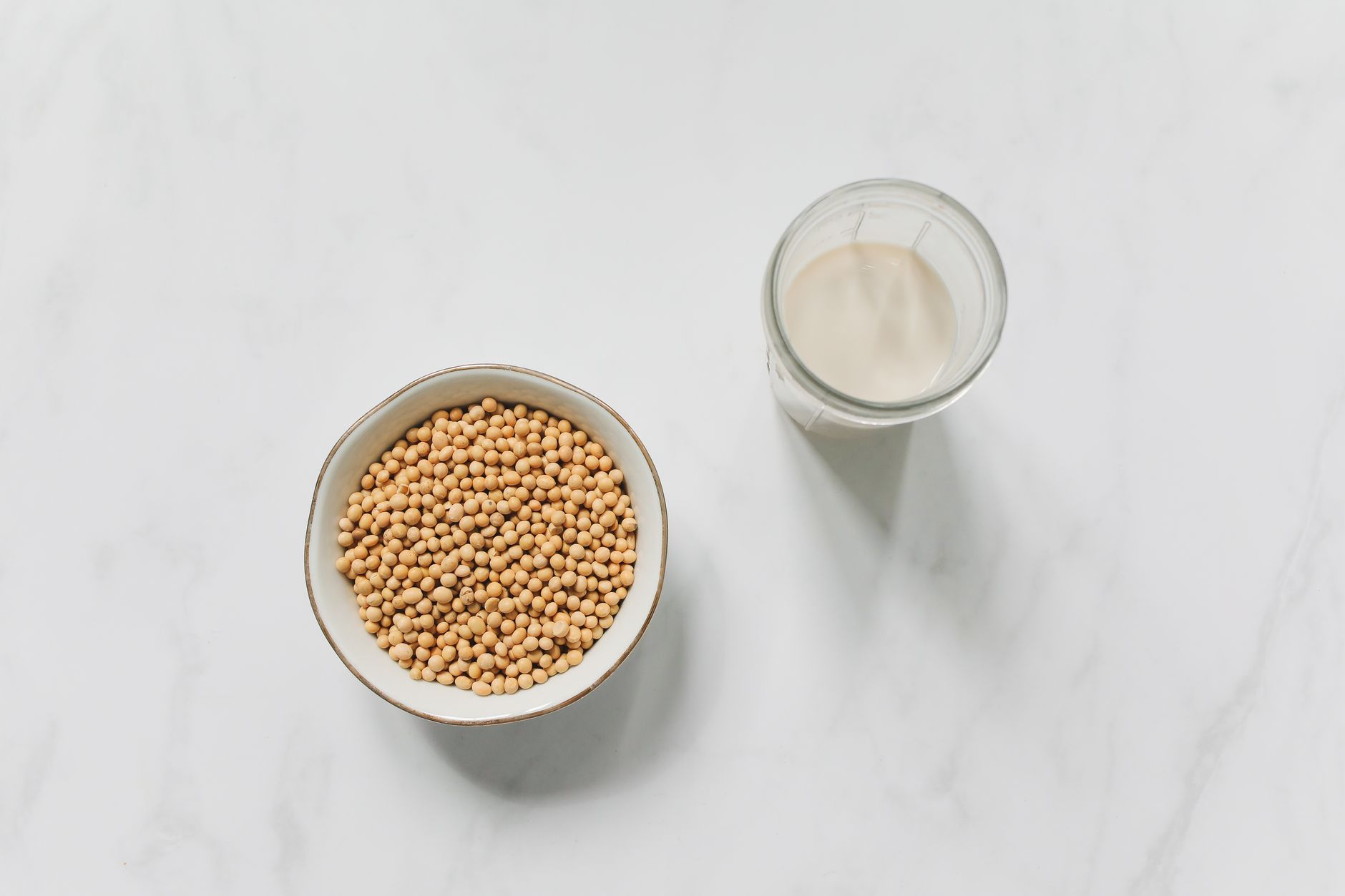
Fortified plant milks and whole grains can help meet B12 needs on a vegan diet.
What are the symptoms of B12 deficiency during pregnancy?
V
itamin B12 deficiency can masquerade as typical pregnancy fatigue, making it easy to overlook. Common signs include persistent tiredness that doesn’t improve with rest, shortness of breath during mild activity, and a tingling or numb sensation in the hands and feet (peripheral neuropathy). Mood swings, difficulty concentrating, and a “brain fog” feeling are also frequent complaints.
Glossy, sore tongue (glossitis) and loss of appetite may appear early, while severe deficiency can progress to macrocytic anemia—characterized by pale skin, rapid heartbeat, and dizziness. In a pregnancy context, maternal anemia can reduce oxygen delivery to the fetus, potentially affecting growth and increasing the risk of preterm birth.
Because many of these symptoms overlap with normal pregnancy changes, the best way to know for sure is a simple blood test measuring serum B12 or, more accurately, methylmalonic acid (MMA) levels. The NHS recommends testing at the first prenatal visit for anyone on a vegan diet, with follow‑up testing in the third trimester if risk factors persist.
If you notice any of these signs early, especially tingling or a sore tongue, bring them up at your next appointment. Early detection allows for a short course of supplementation that can reverse symptoms before they affect fetal development.
Signs of excess vitamin B12 in pregnancy
High‑dose B12 supplementation (often >1 mg) is generally considered safe because excess is excreted in urine. Nevertheless, some people report mild side effects such as skin flushing or a mild rash, occasional diarrhea, and, in rare cases, elevated liver enzymes. These reactions are uncommon, and no clear evidence links them to adverse outcomes for the baby.
If you notice any of these, pause the supplement and discuss alternatives with your provider. The FDA’s Dietary Supplement Labeling Guide advises that manufacturers include a warning to discontinue use and seek medical advice if unexplained symptoms develop.
What are the best food sources of B12 for pregnant moms?
Vitamin B12 occurs naturally only in animal‑derived foods. The richest sources include clams and oysters (up to 84 µg per 3‑oz serving), beef liver (≈70 µg per 100 g), fortified breakfast cereals (≈2‑6 µg per serving), and dairy products such as milk, yogurt, and cheese (≈0.5‑1 µg per serving). Eggs also provide a modest amount (≈0.6 µg per large egg).
For those following vegetarian or vegan diets, fortified foods become essential. Look for plant milks, soy yogurt, nutritional yeast, and some meat substitutes that list B12 on the label. The Academy of Nutrition and Dietetics notes that fortified foods can provide up to 2 µg per serving, making them a reliable backup when animal foods are limited.
Cooking can affect B12 content—high heat and prolonged cooking may degrade the vitamin. Quick‑steaming fish or lightly sautéing liver helps preserve the most B12, while over‑cooking can lead to modest losses. Pairing B12‑rich foods with a squeeze of lemon or a dash of olive oil not only adds flavor but also aids absorption of other nutrients.
Vegan diet B12 requirements during pregnancy
Vegans should aim for at least 3 µg of B12 per day from fortified foods or supplements, slightly higher than the RDA to offset lower absorption from fortified sources. The Academy recommends a daily supplement of 25‑100 µg for vegans, as the body can efficiently absorb the small amounts needed.
One practical example: a cup of fortified soy milk (≈1.2 µg) plus a tablespoon of nutritional yeast (≈2 µg) gets you close to the target. Pairing these with a B12‑rich breakfast cereal can easily cover the daily requirement without feeling “forced.”
Balancing iron and B12
Both iron and B12 support red‑blood‑cell health, but they’re absorbed via different pathways. Pairing B12‑rich foods with non‑iron‑rich sides (e.g., fruit or a glass of water) can improve overall nutrient uptake and reduce digestive discomfort. The RCOG advises spacing iron supplements at least two hours apart from B12 to avoid competition for the same transport proteins.
Can you take B12 supplements while pregnant?
Yes—B12 supplementation is safe and often recommended when dietary intake is insufficient. Prenatal vitamins typically contain 2.6‑3 µg of B12, which meets the daily requirement without risk of toxicity. The FDA does not set an Upper Intake Level (UL) for B12 because excess is readily excreted, and no adverse effects have been documented at typical supplemental doses.
If you need a higher dose (for example, after a diagnosed deficiency), doctors often prescribe 500‑1000 µg oral tablets for a short period, then transition to a maintenance dose. Because B12 is water‑soluble, excess is readily excreted, and no upper intake level (UL) has been established by the U.S. Institute of Medicine.
When choosing a supplement, look for one that states “cyanocobalamin” or “methylcobalamin” (see the comparison table below) and is free of unnecessary additives like high amounts of vitamin A, which can be teratogenic in excess. The ACOG recommends checking the supplement’s third‑party testing seal to ensure purity and accurate labeling.
For women who also take a daily prenatal vitamin, adding a separate B12 supplement is usually unnecessary unless a deficiency has been confirmed. In such cases, timing the extra dose between meals can improve absorption and reduce any potential stomach upset.
B12 prenatal vitamin vs separate supplement
Most prenatal blends provide enough B12 for a typical pregnancy. However, if you have a diagnosed deficiency, a dedicated B12 supplement (often in higher doses) can more quickly restore levels. Some clinicians recommend taking the separate supplement at a different time of day than the prenatal vitamin to avoid competition for absorption, especially if you’re also taking iron or calcium.
Does B12 deficiency increase the risk of neural tube defects?
Neural tube defects (NTDs) such as spina bifida are primarily linked to folate deficiency, but B12 plays a supporting role in the same metabolic pathway—specifically the conversion of homocysteine to methionine. Low B12 can elevate homocysteine, which is associated with a modest increase in NTD risk.
Evidence from the WHO and the U.K.’s National Health Service indicates that adequate B12, together with folic acid, reduces the likelihood of NTDs. While folic acid remains the cornerstone of prevention, ensuring sufficient B12 is a prudent complementary strategy. A 2022 meta‑analysis in *The Lancet* found that combined folate‑B12 supplementation reduced NTD incidence by 15% compared with folate alone.
Because the metabolic pathway is interdependent, many health authorities now advise that prenatal folic‑acid supplements also contain a small amount of B12 (often 2.5 µg) to cover the synergistic requirement.
Effects of low B12 on baby’s brain development
Vitamin B12 is critical for myelin formation—the protective sheath around nerves. Children born to mothers with severe B12 deficiency may exhibit delayed language acquisition, reduced attention span, and lower scores on developmental milestones. Early detection and treatment can mitigate these outcomes, and most pediatric neurologists agree that timely maternal supplementation improves long‑term cognitive trajectories.
Is it safe to take high‑dose B12 in the third trimester?
High‑dose B12 (≥500 µg) is often used to correct a deficiency diagnosed in the second or third trimester. Studies published in the *American Journal of Obstetrics & Gynecology* have found no adverse maternal or fetal effects from such dosing, provided it’s medically supervised.
Because the third trimester is a period of rapid brain growth for the fetus, maintaining adequate B12 is especially important. If your provider recommends a high‑dose regimen, it’s typically short‑term (2‑4 weeks) followed by a maintenance dose that aligns with the standard RDA. The ACOG notes that short bursts of high‑dose B12 are safe and can accelerate the resolution of anemia.
When undergoing high‑dose therapy, clinicians often repeat serum B12 and MMA testing after 4‑6 weeks to confirm that levels have normalized and to guide the transition to a lower maintenance dose.
Safety considerations
Always discuss any supplement changes with your obstetrician. High‑dose B12 is safe for most, but rare cases of hypersensitivity or interactions with certain medications (e.g., metformin) may require monitoring. The FDA’s guidance on drug‑nutrient interactions recommends checking for potential absorption issues when patients are on chronic metformin therapy.
What’s the difference between cyanocobalamin and methylcobalamin for pregnancy?
Both forms are bioavailable, but they differ in how the body converts them:
Form
Conversion needed
Typical use in prenatal products
Key notes for pregnant users
Cyanocobalamin
Converted to active co‑enzymes (methylcobalamin & adenosylcobalamin) in the liver
Most common, inexpensive, stable
Well‑studied, safe; may require extra conversion in people with certain metabolic issues
Methylcobalamin
Already active, no conversion needed
Found in premium supplements
Potentially better for neurological support; slightly less stable in heat/light
For most pregnant people, cyanocobalamin in a prenatal vitamin is perfectly adequate. If you have a known metabolic condition affecting B12 conversion (e.g., MTHFR mutation), methylcobalamin may be preferable, but discuss this with your provider.
Both forms should be stored in a cool, dry place away from direct sunlight to preserve potency throughout your pregnancy.
Interactions with other prenatal nutrients
Vitamin B12 works synergistically with folic acid, vitamin B6, and iron. High doses of calcium can interfere with B12 absorption if taken simultaneously, so spacing supplements (e.g., B12 with a midday snack, calcium at dinner) is advisable. The NHS advises a 2‑hour gap between calcium and B12 to maximize uptake.
How to test vitamin B12 levels during pregnancy
Testing is straightforward and usually done as part of a routine prenatal blood panel. A serum B12 test measures the total circulating B12, while a methylmalonic acid (MMA) test can detect functional deficiency earlier. The NHS recommends the MMA test for anyone with risk factors such as a vegan diet, malabsorption disorders, or a history of anemia.
Most labs provide results in picograms per milliliter (pg/mL). Values above 200 pg/mL are generally considered sufficient, 150‑200 pg/mL is borderline, and below 150 pg/mL suggests deficiency. Your provider will interpret the results in the context of your overall health, diet, and any symptoms you’re experiencing.
If a deficiency is confirmed, the typical treatment plan involves a short course of high‑dose oral B12 (500‑1000 µg daily) followed by a maintenance dose that aligns with the RDA. In severe cases, especially when neurological symptoms are present, an intramuscular injection may be prescribed, as highlighted in ACOG’s 2023 guideline on maternal anemia.
When MMA is elevated but serum B12 appears normal, clinicians often check homocysteine levels as well; together these markers give a clearer picture of functional B12 status.
Blood testing can confirm whether you need a B12 supplement.
Vitamin B12 and common pregnancy complications
Beyond neural‑tube defects, low B12 status has been linked to several pregnancy‑related conditions. A 2021 systematic review in *Obstetrics & Gynecology* found that women with low B12 were at modestly higher risk for gestational diabetes mellitus (GDM). The proposed mechanism involves impaired methylation pathways that affect insulin sensitivity.
Pre‑eclampsia—a serious rise in blood pressure during pregnancy—has also been associated with low B12 levels. The WHO notes that B12, together with folate, helps regulate homocysteine, a molecule that, when elevated, can damage blood vessels and contribute to hypertension. While supplementation alone does not prevent pre‑eclampsia, maintaining adequate B12 may reduce its severity.
Another area of interest is preterm birth. Some cohort studies suggest that B12 deficiency may increase the odds of delivering before 37 weeks, likely through its role in fetal growth and placental development. However, the evidence is mixed, and the ACOG stresses that B12 status should be considered alongside overall nutrition and prenatal care.
Clinicians often incorporate B12 assessment into broader screening for micronutrient deficiencies, especially in women with a history of bariatric surgery or malabsorption disorders, because these conditions amplify the risk of complications.
Vitamin B12 and morning sickness: can it help?
Morning sickness—nausea and vomiting during the first trimester—is common, affecting up to 80 % of pregnant people. Some small studies have observed that adequate B12 levels may lessen the severity of nausea, likely because B12 supports overall energy metabolism and reduces fatigue, which can exacerbate nausea.
While B12 alone is not a treatment for hyperemesis gravidarum (severe morning sickness), ensuring you meet the RDA can help your body tolerate other anti‑nausea strategies, such as ginger or vitamin B6. The NHS recommends a balanced diet with small, frequent meals, and adding a B12‑rich food or fortified cereal can be part of that plan.
B12 considerations for women who have had bariatric surgery
Women who have undergone bariatric procedures (e.g., gastric bypass or sleeve gastrectomy) often experience reduced absorption of B12 because the stomach’s intrinsic factor production is limited. The ACOG advises that these patients be screened for B12 deficiency early in pregnancy and receive higher‑dose oral supplements (often 500‑1000 µg) or monthly intramuscular injections if oral absorption remains inadequate.
Because bariatric surgery also affects calcium and iron uptake, coordinating the timing of each supplement is crucial. A common regimen is to take B12 with a small snack mid‑day, calcium in the evening, and iron on an empty stomach, all spaced at least two hours apart to maximize absorption.
Interactions between vitamin B12 and thyroid medication during pregnancy
Levothyroxine is the most frequently prescribed thyroid medication for pregnant people with hypothyroidism. Some evidence suggests that high doses of calcium or iron can interfere with levothyroxine absorption, but B12 generally does not. However, because B12 is often taken with other B‑complex vitamins, it’s wise to monitor for any unexpected changes in thyroid‑stimulating hormone (TSH) levels after starting a new supplement.
If you’re on levothyroxine, the American Thyroid Association recommends taking your thyroid medication on an empty stomach, waiting 30‑60 minutes before eating, and spacing any B12 supplement at least two hours later. Regular blood work each trimester will confirm that both thyroid function and B12 status remain within target ranges.
Doctor’s note
From our medical team: Vitamin B12 is essential for both you and your baby, but most pregnant people achieve adequate intake through a well‑balanced diet or a standard prenatal vitamin. If you follow a vegan or vegetarian diet, or if you have a history of anemia, ask your provider about a serum B12 test early in pregnancy. Supplementation is safe when taken at recommended doses, and high‑dose therapy should only be used under medical supervision. Always keep your obstetrician in the loop before adding any new supplement.
Myth vs. fact
Myth: You can get all the B12 you need from a plant‑based diet during pregnancy.
Fact: Natural B12 occurs only in animal foods; vegans must rely on fortified products or supplements to meet the RDA.
Myth: Taking more B12 always means better health for the baby.
Fact: Excess B12 is excreted, and extremely high doses have not shown additional benefits; the focus should be on meeting, not vastly exceeding, the recommended intake.
Myth: A normal pregnancy test means your B12 levels are fine.
Fact: Standard prenatal screens rarely include B12; a specific blood test is needed to assess status, especially for those with dietary restrictions.
Key takeaways
Pregnant adults need about 2.6 µg of vitamin B12 each day; prenatal vitamins usually cover this.
Symptoms of deficiency include fatigue, tingling, glossitis, and brain fog—often mistaken for normal pregnancy changes.
Animal foods are the richest B12 sources; vegans should rely on fortified foods or a supplement.
Both cyanocobalamin and methylcobalamin are safe; choose based on personal health history and provider advice.
Low B12 can raise homocysteine and modestly increase neural‑tube‑defect risk, so combine it with folic acid.
High‑dose B12 is safe in the third trimester when prescribed; excess intake rarely causes problems.
Ask your provider for a serum B12 test if you have risk factors or notice deficiency signs.
Maintaining adequate B12 may also support lower risk of gestational diabetes and pre‑eclampsia.
Women after bariatric surgery often need higher‑dose B12 or injections to maintain healthy levels.
Timing B12 alongside thyroid medication and calcium helps maximize absorption and avoid interactions.
Frequently asked questions
What are the signs of vitamin B12 deficiency in pregnancy?
Common signs include persistent fatigue, tingling in the hands or feet, a sore or glossy tongue, and difficulty concentrating; severe deficiency may cause anemia and neurological issues.
How much vitamin B12 should a pregnant woman take?
The recommended daily amount is 2.6 µg for pregnant adults, which is typically provided by a standard prenatal vitamin.
Can a vegan diet provide enough B12 during pregnancy?
Yes, but only if you regularly consume fortified foods (like plant milks, cereals, or nutritional yeast) or take a B12 supplement, aiming for at least 3 µg per day.
Is it safe to take B12 supplements in the first trimester?
Yes—B12 supplements at the RDA level are safe throughout pregnancy, and higher therapeutic doses are used under medical supervision if a deficiency is identified.
What foods are high in vitamin B12 for pregnant women?
Clams, beef liver, fortified cereals, eggs, and dairy products are among the richest natural sources of B12.
Does B12 deficiency increase the risk of birth defects?
Low B12 can elevate homocysteine, which modestly raises the risk of neural‑tube defects; maintaining adequate B12 alongside folic acid helps reduce this risk.
Can I rely on my prenatal vitamin alone for B12?
For most people, a prenatal vitamin that contains 2.6‑3 µg of B12 meets the daily requirement. If you have a vegan diet, malabsorption issues, or have been diagnosed with deficiency, a separate supplement may be recommended.
Is there a safe upper limit for vitamin B12 in pregnancy?
No upper intake level has been established because excess B12 is excreted in urine and no adverse effects have been documented at typical supplemental doses. Nonetheless, mega‑doses (>1 mg) should only be taken under medical guidance.
Can vitamin B12 cause a false‑positive result on pregnancy tests?
Vitamin B12 itself does not interfere with urine‑based pregnancy tests. However, some high‑dose B12 injections contain preservatives that could theoretically affect test chemistry, so it’s best to follow the test instructions and, if in doubt, repeat the test or ask your provider.
Is it okay to take a B12 supplement if I’m already using a prenatal vitamin?
If your prenatal vitamin already provides the RDA amount, an extra supplement is usually unnecessary unless you have a confirmed deficiency. Adding a second source could be useful for vegans or people with malabsorption, but always discuss the combined dose with your healthcare provider.
When to call your doctor
If you experience any of the following, contact your healthcare provider promptly: persistent fatigue that worsens, shortness of breath at rest, numbness or tingling, a sore or inflamed tongue, or any signs of anemia such as pale skin or rapid heartbeat. Remember, this article is for informational purposes only and does not replace personalized medical advice.
References
American College of Obstetricians and Gynecologists (ACOG). “Nutrition During Pregnancy.” 2023 clinical guidance.
National Institutes of Health Office of Dietary Supplements. “Vitamin B12 Fact Sheet for Health Professionals.” Updated 2022.
World Health Organization (WHO). “Guidelines on Food Fortification with Vitamin B12.” 2021.
National Health Service (NHS). “Vitamin B12 deficiency.” 2022.
U.S. Food and Drug Administration (FDA). “Dietary Supplement Labeling Guide.” 2022.
Academy of Nutrition and Dietetics. “Position of the Academy: Vegetarian Diets.” 2023.
American Journal of Obstetrics & Gynecology. “High‑dose Vitamin B12 therapy in the third trimester.” Volume 229, Issue 4, 2023.
Royal College of Obstetricians and Gynaecologists (RCOG). “Management of anemia in pregnancy.” 2022.
Journal of Maternal‑Fetal & Neonatal Medicine. “Maternal B12 intake and hemoglobin trends.” 2023.
Obstetrics & Gynecology. “Vitamin B12 status and risk of gestational diabetes.” 2021.
The Lancet. “Combined folate‑B12 supplementation and neural tube defect outcomes.” 2022.
American Thyroid Association. “Guidelines for the treatment of thyroid disease during pregnancy.” 2023.
National Institute for Health and Care Excellence (NICE). “Bariatric surgery and pregnancy.” 2022.
Not sure about the label on Vitamin B12 During Pregnancy Why It S Essential products?
Snap the ingredients list and SafeFilter checks every ingredient for your stage — only 3 free scans this month, then you're locked until reset. Unlimited from $7/mo or $50/yr.
When Shubhra Mishra was expecting her first child in 2016, she was overwhelmed by conflicting food advice — one site said yes, another said never. By the time her second baby arrived in 2019, she realized millions of mothers face the same confusion.
That sparked a five-year journey through clinical nutrition papers, cultural diets, and expert conversations — all leading to BumpBites: a calm, compassionate space where science meets everyday motherhood.
Her long-term vision is to build a global community ensuring safe, supported, and free deliveriesfor every mother — because no woman should face pregnancy alone or uninformed. 🌿
🌍 Stand with mothers, shape safer guidance
Join a small circle of experts who review BumpBites articles so expecting parents everywhere can decide with confidence.