
Skip to main content+
On this page

Can Pregnant Women Eat Tom Yum Soup? (Safe or Not?)

Is Thai tom yum soup safe during pregnancy? Learn about shrimp, fish sauce, spice levels, leftover rules, street food safety, and trimester-wise tips for moms-to-be.

Personalized Safety Check

Safety for tom yum during pregnancy

Get guidance based on your trimester & any health conditions you may have. Your details stay only on this device.

How has your doctor described your pregnancy?
Shubhra Mishra

By Shubhra Mishra — a mom of two who turned her own confusion during pregnancy into BumpBites, a global mission to make food choices clear, safe, and stress-free for every expecting mother. 💛

Are you a qualified maternal-health or nutrition expert? Join our reviewer circle.

Download the Complete Pregnancy Food Guide (10,000 Foods) 📘

Instant PDF download • No spam • Trusted by thousands of moms

💡 Your email is 100% safe — no spam ever.

Bowl of Thai tom yum soup with shrimp and herbs
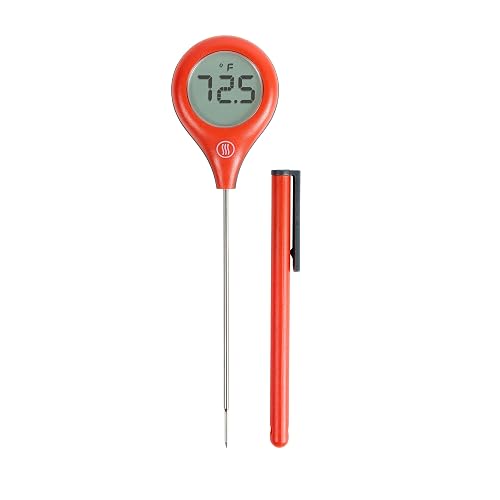
Tom yum soup is usually safe in pregnancy when seafood is fully cooked and the broth is served piping hot. [1]

Is Tom Yum Safe During Pregnancy? Spice, Seafood & Street-Food Safety Explained

Tom yum is one of Thailand’s most famous soups — hot, sour, aromatic, and full of lemongrass, lime, and chilies. During pregnancy, many women worry:

  • Is the shrimp or seafood fully cooked?
  • Is the spice level too high for pregnancy? [3]
  • Are street-food broths safe or risky?
  • Can I reheat leftover tom yum the next day? [2]

The short answer: Yes, tom yum can be pregnancy-friendly when prepared and stored properly. This guide explains everything — from seafood doneness to spice levels and leftover rules.
Pregnancy Safety Score: 8 / 10

  • Fully cooked seafood = safe. [1]
  • Piping hot broth reduces bacteria risk. [2]
  • Spice level affects comfort, not the baby directly. [3]
  • Street-food can be risky if hygiene is poor.
  • Leftovers safe only with proper cooling and reheating. [2]

Quick Answer (Safe or Not?)

  • ✔ Safe if shrimp/seafood is fully cooked and opaque. [1]
  • ✔ Broth should be boiling hot when served.
  • ✔ Mild or medium spice is usually more comfortable in pregnancy. [3]
  • ❌ Avoid any tom yum where seafood looks translucent or rubbery.
  • ❌ Avoid soup that has been sitting warm for hours in a pot. [2]

Cultural Insight: Tom Yum as Everyday Thai Comfort Food

In Thailand, tom yum is not just a restaurant dish — it’s everyday comfort food. It can be made with shrimp (tom yum goong), mixed seafood, chicken, or even vegetables. The broth includes lemongrass, galangal, lime leaves, lime juice, chilies, and fish sauce, creating a flavourful yet relatively light soup that can fit well into a pregnancy diet when prepared safely.

Risk Breakdown: What Matters Most in Tom Yum?

Component Pregnancy Safety
Shrimp / seafood Safe when fully cooked and opaque; avoid undercooked pieces. [1]
Broth Safe when freshly boiled; lukewarm, long-held broths are riskier. [2]
Spice (chilies) Not harmful to baby, but may increase heartburn and discomfort. [3]
Fish sauce Safe but salty — watch sodium intake, especially with high blood pressure.
Lemongrass, lime, herbs Generally safe flavouring ingredients in typical culinary amounts.

Common Pregnancy Myths About Tom Yum

  • “All spicy soups are dangerous for the baby.”
    Spicy food may upset your stomach, but it does not directly harm the baby. The main issue is reflux and discomfort, not toxicity. [3]
  • “Seafood in soup is always risky in pregnancy.”
    Fully cooked shrimp and fish are considered safe; undercooked seafood is the real problem. [1]
  • “Acidic soups weaken the baby’s bones.”
    There is no scientific basis for this belief — lime and sour flavours are safe in normal food amounts.

Trimester-Wise Guide: Can I Enjoy Tom Yum Now?

1st Trimester

Nausea is common; very spicy or sour tom yum may feel too strong. Choose mild spice and small portions if you feel queasy.

2nd Trimester

Often the most comfortable time to enjoy tom yum. Ensure shrimp is fully cooked and soup is served hot and fresh.

3rd Trimester

Heartburn and acidity can worsen with spicy and sour foods. Opt for medium spice and avoid drinking the broth in very large amounts.

Storage & Leftovers: Soup Safety Rules

Soups cool slowly and can grow bacteria if left out too long. In pregnancy, leftover safety matters a lot:

  • Refrigerate within 2 hours of cooking. [2]
  • Store in shallow containers so it cools faster. [2]
  • Keep for up to 2–3 days in the fridge.
  • Reheat until the soup is steaming hot all the way through.
  • Do not reheat more than once; reheat only what you will eat.
Tom yum soup stored in glass containers in a fridge
Cool and refrigerate tom yum in shallow containers and reheat to steaming hot before eating. [2]

Tom Yum in Restaurants & Street Stalls

Eating tom yum outside your home is common — especially in Thailand or Thai restaurants worldwide. Use these pregnancy safety checks:

  • Choose busy places where soup turns over quickly.
  • Ask for tom yum to be served freshly boiled, not just warmed.
  • Check that shrimp is opaque, not glassy or translucent. [1]
  • If you are sensitive to spice, ask for “less spicy” or chilies on the side. [3]
Tom yum soup served with rice and vegetables
Pair tom yum with rice and vegetables for a more filling, balanced pregnancy meal.

How Much Tom Yum Can I Have?

Tom yum itself is usually low in calories but can be high in sodium and spice:

  • 1 medium bowl with shrimp plus a portion of rice is a reasonable serving.
  • If you have high blood pressure, ask for lower-sodium broth or avoid drinking all the liquid.
  • If you have heartburn, choose medium spice and eat slowly. [3]

Pregnancy FAQ — Tom Yum

Is tom yum safe during pregnancy?

Yes — as long as the seafood is fully cooked, the soup is served hot, and leftovers are stored correctly. [1][2]

Can I eat tom yum with shrimp while pregnant?

You can eat tom yum with shrimp if the shrimp is fully cooked (opaque and firm). Avoid any soft, translucent pieces. [1]

Is tom yum too spicy for pregnancy?

Spice does not harm the baby directly, but very spicy tom yum can worsen heartburn, acidity, or nausea. Choose mild or medium spice. [3]

Can I eat street-food tom yum?

Only from clean, busy stalls where soup is freshly boiled. Avoid soup that has been sitting warm for many hours. [2]

Are leftovers safe the next day?

Yes, if cooled quickly, stored in the fridge within 2 hours, and reheated until steaming hot. Do not keep for more than 2–3 days. [2]

Does tom yum help with cold or congestion in pregnancy?

The hot, spicy, and citrusy broth can feel soothing for a stuffy nose, but it is not a medicine. It can be enjoyed as part of a balanced diet if tolerated well.

References

  • [1] — Safe internal temperatures for cooked seafood.
  • [2] — Guidelines on cooling, storing, and reheating soups and stews.
  • [3] — General information on spicy food tolerance and pregnancy comfort.

🥗 Nutrition Facts

carbohydrates11 g
sugar3 g
limit Per Day3 cups
noteLight soup but salty; keep portions moderate if you have high blood pressure.
sodiumCan be high (fish sauce + broth)
quantityPer 1 medium bowl (with shrimp)
fatsLow to moderate (depends on recipe)
protein≈ 10–15 g
calories≈ 120–200 kcal
Shubhra Mishra

About the Author

When Shubhra Mishra was expecting her first child in 2016, she was overwhelmed by conflicting food advice — one site said yes, another said never. By the time her second baby arrived in 2019, she realized millions of mothers face the same confusion.

That sparked a five-year journey through clinical nutrition papers, cultural diets, and expert conversations — all leading to BumpBites: a calm, compassionate space where science meets everyday motherhood.

Her long-term vision is to build a global community ensuring safe, supported, and free deliveriesfor every mother — because no woman should face pregnancy alone or uninformed. 🌿

🌍 Stand with mothers, shape safer guidance

Join a small circle of experts who review BumpBites articles so expecting parents everywhere can decide with confidence.

References
  1. USDA — Safe Minimum Internal Temperatures for Seafood https://www.fsis.usda.gov/food-safety
  2. CDC — Safe Cooling & Reheating of Soups and Stews https://www.cdc.gov/foodsafety
  3. WHO / General Nutrition — Spicy Foods & Pregnancy Discomfort https://www.who.int

⚠️ Always consult your doctor for medical advice. This content is informational only.

BumpBites Logo

🔗 Visit bumpbites.health for more pregnancy food insights.

🛍️ Check BumpBites merch