
Skip to main content+
On this page

Ricotta in Pregnancy — Creamy, Versatile & Safe When Pasteurised

Ricotta is usually safe in pregnancy when it’s made from pasteurised milk and kept chilled. This guide explains pasteurised vs raw-milk ricotta, baking safety, storage rules, and smart ways to enjoy it in pasta, bakes and desserts.

Personalized Safety Check

Safety for ricotta during pregnancy

Get guidance based on your trimester & any health conditions you may have. Your details stay only on this device.

How has your doctor described your pregnancy?
Shubhra Mishra

By Shubhra Mishra — a mom of two who turned her own confusion during pregnancy into BumpBites, a global mission to make food choices clear, safe, and stress-free for every expecting mother. 💛

Are you a qualified maternal-health or nutrition expert? Join our reviewer circle.

Download the Complete Pregnancy Food Guide (10,000 Foods) 📘

Instant PDF download • No spam • Trusted by thousands of moms

💡 Your email is 100% safe — no spam ever.

Bowl of creamy ricotta cheese with olive oil and basil
Ricotta made from pasteurised milk is generally safe in pregnancy when kept chilled and eaten fresh. [2]

Ricotta in Pregnancy — Gentle, Creamy Protein You Don’t Have to Fear

Ricotta is that soft, cloud-like cheese that sneaks into everything: lasagne layers, stuffed shells, pancakes, cheesecakes and toast toppings. When you’re pregnant, it’s normal to wonder: “Is this fresh, creamy cheese actually safe?”

The short answer: usually yes.

Most tubs of ricotta on supermarket shelves are made from pasteurised milk, kept chilled, and are considered safe in pregnancy when used before their use-by date. [2] And any ricotta that’s baked into a hot dish is even safer, thanks to the heat. [4]

The main things to watch out for are:
✔ Pasteurisation ✔ Fridge temperature ✔ Use-by date ✔ Avoiding raw-milk or poorly stored ricotta

Quick Take (TL;DR)

  • Pasteurised ricotta from the supermarket is generally safe in pregnancy. [2]
  • Ricotta in baked dishes (lasagne, cannelloni, baked cheesecake) is safe because it’s heated until hot. [4]
  • Homemade or raw-milk ricotta is higher risk and best avoided unless fully cooked. [3]
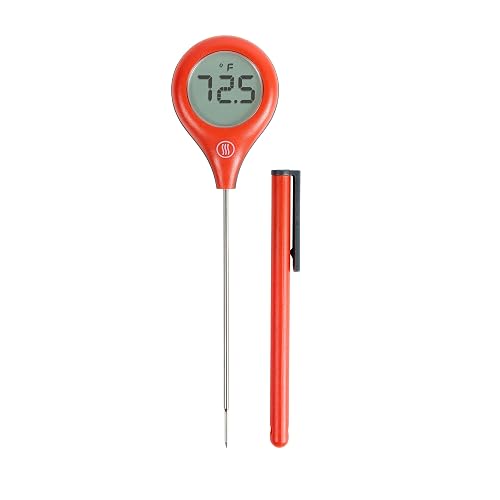
  • Keep ricotta refrigerated at ≤4 °C and eat within 2–3 days of opening. [4]
  • If you’re unsure whether it’s pasteurised or how old it is, choose a fresh, labelled tub instead.

What Exactly Is Ricotta?

Ricotta is a fresh, soft cheese traditionally made from whey — the liquid left after making other cheeses. Modern versions may use a mix of milk and whey to achieve that thick, fluffy texture.

You’ll see ricotta in:

  • Lasagne and baked pasta dishes.
  • Stuffed pasta like ravioli, cannelloni and shells.
  • Breakfasts — on toast, in pancakes or crepes.
  • Desserts — cheesecakes, ricotta cakes, filled pastries.

Because ricotta is fresh and moist, it doesn’t keep as long as hard cheeses, so storage matters.

Opened tub of ricotta stored in a glass container in the fridge
Keep ricotta at ≤4 °C / 40 °F, covered, and use within 2–3 days of opening to keep it safe in pregnancy. [4]

Safety Science — Ricotta, Listeria & Pasteurisation

The main pregnancy concern with fresh cheeses is Listeria monocytogenes, a bacteria that can survive in chilled, moist foods and cause serious illness in pregnancy. [1]

With ricotta, the risk is strongly linked to:

  • Whether the milk used was pasteurised — pasteurisation kills Listeria. [3]
  • How cold it’s stored — ≤4 °C slows bacterial growth. [4]
  • How long it sits open — the longer it’s open, the higher the risk of contamination.

Most commercial ricotta from large brands uses pasteurised milk and clear refrigeration and use-by guidance, which is why it’s usually listed as safe for pregnant women when used properly. [2]

Nutrition Snapshot — Gentle Protein & Calcium

Ricotta is softer and lighter than many cheeses, but still offers good protein and calcium — especially useful if you’re struggling with heavier foods.

Nutrient (per 100 g) Approx. Pregnancy Note
Calories≈ 170 kcalModerately light compared to many cheeses.
Protein≈ 11 gSupports baby’s growth and your tissue repair.
Fat≈ 13 gLower fat than many hard cheeses; still satiating.
Carbohydrates≈ 3–4 gLow carb, gentle on blood sugar.
Calcium≈ 200–250 mgUseful contribution to daily calcium needs.
Sodium≈ 100–200 mgOften less salty than many cheeses.
Slice of baked lasagne with ricotta layer on a plate
Ricotta used in baked dishes like lasagne or cannelloni is heated thoroughly and is safe in pregnancy when pasteurised. [4]

How to Enjoy Ricotta Safely in Pregnancy

Ricotta can actually make pregnancy eating easier — it’s gentle, creamy and works with both sweet and savoury dishes.

  • Use pasteurised ricotta in lasagne, baked pasta, and stuffed vegetables.
  • Spread on toast with tomato, herbs or a drizzle of honey for an easy snack.
  • Add to pancake or crepe batter for extra protein.
  • Whip with fruit for a light dessert, keeping everything chilled and using it the same day.

Trimester Tips — Ricotta Across Pregnancy

1st Trimester

If nausea is intense, small portions of ricotta on toast or in soft pasta can be easier to tolerate than heavier meats.

2nd Trimester

Use ricotta to add protein to vegetable bakes, stuffed peppers or savoury pies.

3rd Trimester

Choose moderate portions in the evening if heartburn is an issue, and pair with plenty of vegetables and whole grains.

Myths & Facts

  • Myth: “All soft cheeses are unsafe in pregnancy.”
    Fact: Soft cheeses made from pasteurised milk, like most supermarket ricotta, are generally safe when refrigerated properly. [2]
  • Myth: “If it doesn’t smell bad, it’s safe.”
    Fact: Harmful bacteria like Listeria may not change smell or taste — always follow storage times and pasteurisation rules. [1]
  • Myth: “Baking only the top is enough.”
    Fact: Dishes need to be hot all the way through to count as safely cooked. [4]

Pregnancy FAQ — Ricotta

Is ricotta cheese safe during pregnancy?

Yes — ricotta made from pasteurised milk is generally safe in pregnancy when properly refrigerated and eaten within its use-by date. [2]

Do I have to bake ricotta for it to be safe?

Pasteurised ricotta is safe to eat cold when properly stored. Baking it in dishes like lasagne adds an extra layer of safety by heating it thoroughly. [4]

Is homemade ricotta safe while pregnant?

Homemade ricotta is only as safe as the milk used and how carefully it was handled. If it uses raw milk or hygiene is uncertain, it’s safer to avoid or only eat it when fully baked into hot dishes. [3]

Can I eat ricotta in desserts like cheesecake or pancakes?

Yes, if the ricotta is pasteurised and the dessert is baked or cooked through. For chilled no-bake desserts, ensure the ricotta is pasteurised and fresh, and keep everything refrigerated. [4]

What about ricotta in stuffed pasta like ravioli or cannelloni?

Stuffed pasta that is oven-baked or cooked in boiling water until piping hot is safe; the ricotta inside is heated thoroughly. [4]

References & Acknowledgements

Guidance is based on CDC, FDA, NHS and WHO advice on soft cheese safety, pasteurisation, Listeria risk, and safe cooking & chilling in pregnancy. [1] [2] [3] [4]

🥗 Nutrition Facts

sugar0 g
limit Per Day1 cup
carbohydrates≈ 3–4 g
noteRicotta made from pasteurised milk and kept refrigerated is generally safe in pregnancy; baking further reduces microbial risk. [[ref:nhs-cheese]] [[ref:who-five-keys]]
sodium≈ 100–200 mg
calcium≈ 200–250 mg
quantityPer 100 g pasteurised ricotta
fats≈ 13 g
protein≈ 11 g
calories≈ 170 kcal
Shubhra Mishra

About the Author

When Shubhra Mishra was expecting her first child in 2016, she was overwhelmed by conflicting food advice — one site said yes, another said never. By the time her second baby arrived in 2019, she realized millions of mothers face the same confusion.

That sparked a five-year journey through clinical nutrition papers, cultural diets, and expert conversations — all leading to BumpBites: a calm, compassionate space where science meets everyday motherhood.

Her long-term vision is to build a global community ensuring safe, supported, and free deliveriesfor every mother — because no woman should face pregnancy alone or uninformed. 🌿

🌍 Stand with mothers, shape safer guidance

Join a small circle of experts who review BumpBites articles so expecting parents everywhere can decide with confidence.

References
  1. CDC — Listeria & Pregnancy (high-risk foods overview) https://www.cdc.gov/listeria/risk.html
  2. NHS — Cheese safety in pregnancy (soft cheeses and pasteurisation) https://www.nhs.uk/pregnancy/keeping-well/foods-to-avoid/
  3. FDA — Milk, Cheese & Listeria safety for pregnant women https://www.fda.gov/food/people-risk-foodborne-illness/food-safety-pregnant-women
  4. WHO — Five Keys to Safer Food (cook, chill, separate, clean) https://www.who.int/publications/i/item/9789241594639

⚠️ Always consult your doctor for medical advice. This content is informational only.

BumpBites Logo

🔗 Visit bumpbites.health for more pregnancy food insights.

🛍️ Check BumpBites merch