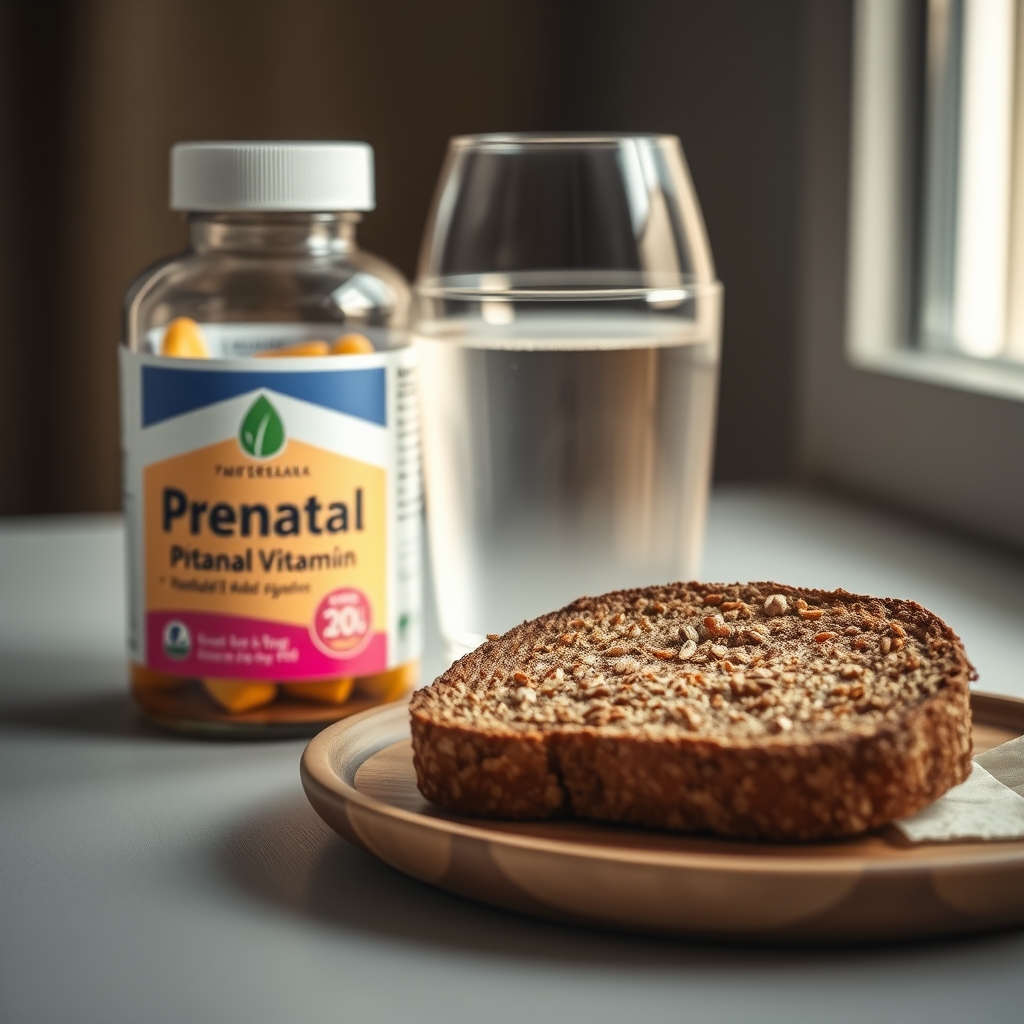
Prenatal vitamins support fetal development and maternal health. Learn when to start, key nutrients, and how they benefit prenatal care for pregnant women.
By Shubhra Mishra — a mom of two who turned her own confusion during pregnancy into BumpBites, a global mission to make food choices clear, safe, and stress-free for every expecting mother. 💛
Check whether any food is safe during pregnancy with the BumpBites Food Safety Checker.
Quick take: Start prenatal vitamins as soon as you think you might become pregnant, keep taking them through pregnancy and into the postpartum period, and choose a formula that matches your diet, health needs, and any medication you’re on. The key nutrients—folic acid, iron, DHA, calcium, and vitamin D—support your baby’s development and protect your own health, while most side effects are mild and manageable.
It’s 2 a.m.; you’re curled up on the couch, a half‑finished bottle of vitamins glints in the dim light, and you’re wondering whether you’ve been taking the right supplement at the right time. You’re not alone. New and expectant parents often stare at a pill bottle and ask, “When should I start taking prenatal vitamins?” and “Are they even safe in my first trimester?” The answers are not one‑size‑fits‑all, but the good news is that the science is clear enough to give you a confident plan.
In this guide we’ll walk through everything you need to know about prenatal vitamins—from the exact nutrients they contain and why they matter, to how early you should begin, which brands might ease morning‑sickness, and what to do if a vitamin makes you feel queasy. We’ll also compare prenatal formulas to regular multivitamins, explore food‑first alternatives, and give you a checklist for picking the right product for your diet, health conditions, and budget.
By the end of this article you’ll have a personalized roadmap: the right time to start, the nutrients to look for, safety tips, and clear next steps for talking to your provider. Let’s get started.
When should I start taking prenatal vitamins during pregnancy?
The short answer: as soon as you suspect you might become pregnant, and definitely before you miss your first prenatal appointment. Folic acid, the most critical component of any prenatal vitamin, begins to protect the developing neural tube within the first 28 days after conception—often before you even know you’re pregnant.
Most obstetric guidelines from the American College of Obstetricians and Gynecologists (ACOG) and the UK’s National Institute for Health and Care Excellence (NICE) recommend a daily supplement containing at least 400 µg of folic acid for all women who could become pregnant. If you’re already taking a prenatal vitamin that meets this threshold, you can continue uninterrupted through the first trimester, the second, the third, and into the postpartum period for at least six weeks while you’re nursing.
For women with a history of neural‑tube defects, certain genetic conditions, or on anti‑seizure medication, doctors often advise a higher dose (up to 4 mg) before conception and through the first 12 weeks. Your provider will tailor the recommendation based on your personal risk factors.
Should I take prenatal vitamins before I know I’m pregnant?
Yes. Because the neural tube closes so early, waiting until a positive pregnancy test can miss the window of maximal benefit. If you’re actively trying to conceive or just not using contraception, a daily prenatal vitamin is a simple, low‑risk way to protect your future baby. Many women keep a bottle on the nightstand as part of their “pre‑conception routine.”
What nutrients are essential in prenatal vitamins for pregnant women?
Not all prenatal vitamins are created equal, but most contain a core set of nutrients that have strong evidence for supporting fetal growth and maternal health. Below is a quick reference table that outlines the key ingredients, the amount typically recommended, and why each matters.
Nutrient
Typical Amount in Prenatal Vitamin
Primary Role in Pregnancy
Folic Acid
400–800 µg
Prevents neural‑tube defects; supports DNA synthesis.
Iron (Ferrous Sulfate)
27 mg
Prevents anemia; supports oxygen transport to mother and fetus.
Vitamin D3 (Cholecalciferol)
600–800 IU
Facilitates calcium absorption; aids bone development.
Calcium
200–300 mg
Builds fetal bones and teeth; maintains maternal bone density.
DHA (Omega‑3)
200–300 mg
Promotes brain and eye development; reduces preterm birth risk.
Iodine
150 µg
Supports thyroid hormone production; critical for neurodevelopment.
Vitamin B12
2.6 µg
Works with folic acid in red‑blood‑cell formation; important for vegans.
Vitamin C
85 mg
Enhances iron absorption; acts as an antioxidant.
Vitamin A (Beta‑Carotene)
800 µg RAE
Supports vision and immune function; beta‑carotene is safer than retinol.
Beyond the table, many prenatal formulas also include zinc, magnesium, and vitamin E, each offering additional support for immune function, muscle health, and cellular protection. The exact amounts can vary by brand, so always check the label and compare it against the recommended daily allowances (RDAs) set by the Institute of Medicine.
Why is folic acid the most important ingredient in prenatal vitamins?
Folic acid is the only nutrient consistently linked to a dramatic reduction—up to 70 %—in the risk of spina bifida and anencephaly when taken before conception and during the first month of pregnancy. Because the neural tube closes by day 28, many health agencies, including the World Health Organization (WHO), classify folic acid as a “critical micronutrient” for all women of childbearing age.
Are prenatal vitamins safe for the first trimester?
The first trimester is often the most anxiety‑filled period, with morning sickness and rapid hormonal shifts. Fortunately, the safety profile of prenatal vitamins in this stage is well‑studied. ACOG affirms that standard prenatal formulations—those containing 400 µg folic acid, 27 mg iron, and the other nutrients listed above—are safe and encouraged for most pregnant people.
Potential concerns usually center around iron and vitamin A. Excessive iron can cause gastrointestinal upset, while high doses of preformed vitamin A (retinol) have been linked to birth defects. Most prenatal vitamins use beta‑carotene (a provitamin A) rather than retinol, keeping vitamin A well within safe limits.
That said, if you have a pre‑existing condition such as hemochromatosis (iron overload) or a history of hypervitaminosis A, your provider may recommend a formula with reduced iron or a specialized vitamin‑A‑free product. Always share your full medical history before starting any supplement.
What’s the difference between prenatal vitamins and regular multivitamins for pregnant women?
Regular multivitamins are designed for the general adult population and typically contain lower levels of folic acid, iron, and DHA—nutrients that surge in importance during pregnancy. Below is a side‑by‑side comparison that highlights the key distinctions.
Feature
Prenatal Vitamin
Standard Multivitamin
Folic Acid
400–800 µg (meets pregnancy RDA)
140–250 µg (general adult RDA)
Iron
27 mg (prevents anemia)
0–18 mg (often lower)
DHA (Omega‑3)
200–300 mg
Rarely included
Iodine
150 µg
150 µg or less
Calcium
200–300 mg (supports fetal bone)
Often absent
Vitamin A Form
Beta‑carotene (safer)
Retinol (higher risk in pregnancy)
Because prenatal vitamins are calibrated to meet the increased demands of pregnancy, substituting a standard multivitamin can leave you short on crucial nutrients—especially folic acid and iron—potentially increasing the risk of anemia, birth defects, and low‑birth‑weight infants. If you’re already taking a multivitamin and discover you’re pregnant, talk to your provider about switching to a prenatal formula.
How to choose the best prenatal vitamin based on diet and health conditions
Choosing a prenatal vitamin isn’t just about reading the label; it’s about matching the formula to your unique nutritional gaps, medical history, and lifestyle. Below are the main factors to weigh.
Best prenatal vitamin brand for morning sickness
If nausea is a daily companion, look for a “gentle‑release” or “slow‑release” formulation that spreads the iron dose throughout the day. Brands such as Mother’s Choice Gentle Iron and New Chapter Perfect Prenatal use iron bisglycinate—a form less likely to irritate the stomach. Taking the vitamin with food, or splitting the dose between morning and evening, can also reduce queasiness.
Prenatal vitamins with iron vs. without iron for pregnancy
Iron is essential for preventing anemia, but not every pregnant person needs the extra 27 mg. Women who are already iron‑replete, or who experience severe constipation, may prefer iron‑free formulas such as Garden of Life MyKind Organics Prenatal. If you’re on a low‑iron diet (e.g., vegetarian without iron‑rich legumes) or have been diagnosed with iron‑deficiency anemia, a product with iron is advisable.
Prenatal vitamin dosage recommendations for the second trimester
Most prenatal vitamins maintain the same dosage throughout pregnancy. However, some clinicians suggest increasing calcium to 1,000 mg total daily (including diet) and ensuring DHA reaches 300 mg. If your current supplement falls short of these numbers, you might add a calcium or DHA‑only supplement after consulting your provider.
Folic acid supplement vs. prenatal vitamin for neural tube defects
If you’re only concerned about folic acid, a single 400 µg supplement can suffice—but it won’t provide the other nutrients a prenatal vitamin does. For most women, a prenatal vitamin offers a more comprehensive safety net, especially if you’re unsure about your dietary intake of iron, iodine, and DHA.
Prenatal vitamins for vegans or vegetarians
Vegans need extra attention to vitamin B12, iron (non‑heme), DHA (algal source), and iodine. Look for formulas that list “algae‑derived DHA” and “methylcobalamin B12.” Garden of Life MyKind Organics and Deva Vegan Prenatal are two options that meet these criteria without animal‑derived ingredients.
Prenatal vitamin cost and insurance coverage
Prices range from $15 to $45 per month. Many insurance plans, especially Medicaid and private health plans in the U.S., cover at least one brand—often the one your obstetrician recommends. In the UK, the NHS provides free or low‑cost prenatal supplements for low‑income families. Always check your pharmacy benefits or ask your provider’s office about covered options.
Prenatal vitamin interactions with prescription medications
Some medications can reduce the absorption of prenatal nutrients. For example, antacids and certain antibiotics (like tetracycline) can bind iron, lowering its bioavailability. Thyroid hormone replacement (levothyroxine) may also compete with iodine. The safest approach is to take prenatal vitamins at least two hours apart from any prescription drug, unless your provider advises otherwise.
By weighing these factors—dietary restrictions, iron needs, morning‑sickness tolerance, cost, and medication interactions—you can narrow down a handful of products that truly fit your life.
Start your day with a balanced breakfast and your prenatal vitamin for optimal nutrient absorption.
Can I get enough prenatal nutrients from food instead of supplements?
Whole foods are the gold standard for nutrition, and many pregnant people aim to meet their needs through diet alone. Rich sources include leafy greens (folate, iron), fortified cereals (iron, folic acid), fatty fish (DHA), dairy (calcium, vitamin D), and legumes (protein, B12 for vegetarians). However, achieving the recommended levels of every micronutrient solely from food is challenging, especially for folic acid and DHA.
For example, a cup of cooked lentils provides about 3 mg of iron, but the non‑heme iron is absorbed at roughly 10 % efficiency—meaning you would need to eat large quantities daily to meet the 27 mg target. Similarly, the American Pregnancy Association notes that most pregnant women consume less than the 200 mg DHA recommendation without supplementation, unless they eat two servings of low‑mercury fish per week.
Because of these absorption hurdles, most clinicians recommend a prenatal vitamin as a safety net even for the most diligent eaters. The supplement fills the small gaps that food can’t reliably cover, ensuring you and your baby get consistent, measurable amounts of each essential nutrient.
What are the side effects of prenatal vitamins and how to manage them?
Most prenatal vitamins are well‑tolerated, but a few common side effects can arise, especially when iron is involved.
Nausea or “pill‑induced morning sickness”: Take the vitamin with a full glass of water and a snack, preferably something containing protein or healthy fat. Splitting the dose (half in the morning, half at night) can also help.
Constipation: Iron can slow gut motility. Increase fiber intake (whole grains, fruits, vegetables) and stay hydrated—aim for at least 8 cups of water daily. A gentle stool softener, like docusate sodium, is safe in pregnancy if needed.
Dark stools: This is a harmless side effect of iron; no medical action is required unless you notice other symptoms.
Heartburn or acid reflux: Choose a prenatal vitamin formulated without added vitamin C or take it after a small meal to minimize acidity.
Allergic reactions: Rare, but possible if you’re sensitive to specific fillers (e.g., soy, gluten). Switch to a hypoallergenic brand if you notice rash, itching, or swelling.
If side effects become severe—persistent vomiting, severe constipation, or any allergic response—contact your obstetrician or midwife promptly. Often a simple switch to a different iron form (bisglycinate) or a lower‑dose version resolves the issue.
Taking prenatal vitamins with food and water can lessen nausea and improve absorption.
From our medical team: “Prenatal vitamins are a cornerstone of healthy pregnancy, but they’re not a cure‑all. Pair them with a balanced diet, stay hydrated, and keep an eye on how your body reacts. If you’re experiencing persistent side effects, let us know—we can adjust the formulation or timing to keep you comfortable.”
Myth vs. fact
Myth: You can get all your prenatal nutrients from food alone, so supplements are unnecessary. Fact: While a nutritious diet is vital, studies show that most pregnant people fall short on folic acid, iron, and DHA without a supplement. Prenatal vitamins provide a reliable safety net.
Myth: All prenatal vitamins are the same, so any brand will do. Fact: Formulations differ in iron type, DHA source, and added nutrients like vitamin K or choline. Choosing a product that matches your diet, health conditions, and tolerance can improve outcomes and comfort.
Myth: Taking too many prenatal vitamins can harm the baby. Fact: Excessive intake of certain nutrients—especially vitamin A (retinol) and iron—can be harmful. Stick to the recommended dosage and avoid “stacking” multiple supplements without medical guidance.
Key takeaways
Start a prenatal vitamin as soon as you might become pregnant; 400 µg folic acid is the critical early dose.
Look for formulas that contain folic acid, iron (or iron‑free if you’re iron‑replete), DHA, calcium, vitamin D, iodine, and B12.
Most side effects are mild; take the vitamin with food, split the dose, or switch iron forms if nausea or constipation occurs.
Pregnant people on medication should space prenatal vitamins at least two hours apart from prescriptions to avoid absorption issues.
Vegetarians, vegans, and those with specific allergies need tailored formulas—choose algae‑derived DHA and methylcobalamin B12.
Even with a nutrient‑dense diet, a prenatal vitamin fills gaps and ensures consistent dosing throughout pregnancy and postpartum.
Frequently asked questions
What is the most important ingredient in prenatal vitamins?
The most important ingredient is folic acid—400 µg daily—because it prevents neural‑tube defects when taken before conception and during the first month of pregnancy.
Can I take prenatal vitamins before I know I'm pregnant?
Yes; starting a prenatal vitamin as soon as you start trying to conceive ensures you have optimal folic acid levels during the critical early weeks.
How long should I take prenatal vitamins after delivery?
Continue the same prenatal formula for at least six weeks postpartum, especially if you’re breastfeeding, to support your own recovery and your baby’s nutrient needs.
Do prenatal vitamins cause nausea?
They can, mainly because of iron. Choosing a gentle‑release iron form, taking the vitamin with food, or splitting the dose can usually reduce queasiness.
Are there any risks of taking too many prenatal vitamins?
Excessive vitamin A (retinol) and iron can be harmful. Stick to the label’s recommended dose and avoid adding separate high‑dose supplements without medical advice.
Should I take a separate iron supplement if my prenatal vitamin has iron?
Usually not. Prenatal vitamins already contain the recommended 27 mg of iron. Adding more iron can cause constipation and gastrointestinal upset unless your provider has specifically prescribed a higher dose.
When to call your doctor
If you experience any of the following, seek medical attention right away: severe vomiting that prevents you from keeping fluids down, persistent abdominal pain, blood in stool or urine, signs of allergic reaction (rash, swelling, difficulty breathing), or unusually dark, tar‑like stools accompanied by fatigue. Remember, this article provides general information and is not a substitute for personalized medical advice.
References
American College of Obstetricians and Gynecologists (ACOG). “Folic Acid Supplementation.” 2023 clinical guidance.
National Institute for Health and Care Excellence (NICE). “Antenatal Care for Pregnant Women.” Updated 2022.
World Health Organization (WHO). “Recommendations on Antenatal Care.” 2022.
Mayo Clinic. “Prenatal Vitamins: What to Look For.” Accessed July 2024.
Centers for Disease Control and Prevention (CDC). “Folic Acid.” Updated 2023.
National Health Service (NHS). “Prenatal Vitamins and Supplements.” 2023.
American Pregnancy Association. “Iron in Pregnancy.” 2024.
U.S. Food and Drug Administration (FDA). “Dietary Supplements: Guidance for Industry.” 2022.
Royal College of Obstetricians and Gynaecologists (RCOG). “Nutrition in Pregnancy.” 2023.
Academy of Nutrition and Dietetics. “Nutrients for Pregnancy.” 2024.
Not sure about the label on Prenatal Vitamins During Pregnancy What They Do When To Start products?
Snap the ingredients list and SafeFilter checks every ingredient for your stage — only 3 free scans this month, then you're locked until reset. Unlimited from $7/mo or $50/yr.
When Shubhra Mishra was expecting her first child in 2016, she was overwhelmed by conflicting food advice — one site said yes, another said never. By the time her second baby arrived in 2019, she realized millions of mothers face the same confusion.
That sparked a five-year journey through clinical nutrition papers, cultural diets, and expert conversations — all leading to BumpBites: a calm, compassionate space where science meets everyday motherhood.
Her long-term vision is to build a global community ensuring safe, supported, and free deliveriesfor every mother — because no woman should face pregnancy alone or uninformed. 🌿
🌍 Stand with mothers, shape safer guidance
Join a small circle of experts who review BumpBites articles so expecting parents everywhere can decide with confidence.