Safe in moderation. Bloom Greens can be consumed during pregnancy with proper dosage (1 scoop/day) and third-party testing. Learn trimester-specific guidelines and alternatives.
By Shubhra Mishra — a mom of two who turned her own confusion during pregnancy into BumpBites, a global mission to make food choices clear, safe, and stress-free for every expecting mother. 💛
Check whether any food is safe during pregnancy with the BumpBites Food Safety Checker.
Quick verdict: ⚠️ Talk to your doctor first. Bloom Greens may be okay in small amounts for many pregnant people, but the mix contains ingredients that some providers recommend limiting or avoiding, especially in the first trimester.
It’s 2 a.m., the kitchen light is humming, and you’ve just opened a fresh pouch of Bloom Greens. “Is this safe for my baby?” you wonder, heart racing as you stare at the bright green powder. You’re not alone—thousands of expecting parents have that same midnight moment of doubt. The short answer is that Bloom Greens can be safe for pregnancy when used cautiously, but there are important nuances to consider.
In this article we’ll answer the question “bloom greens safe for pregnancy” head‑on. We’ll break down the safety snapshot by trimester, outline a sensible dosage, highlight any ingredients that raise red flags, and suggest gentler alternatives. You’ll also find a quick‑look comparison of other popular greens powders, myth‑busting facts, and a concise FAQ for those lingering worries. By the end you’ll know exactly what to do next—whether that means sipping a measured scoop, swapping for a prenatal‑friendly option, or calling your provider for peace of mind.
Remember, every pregnancy is unique. The guidance here reflects current U.S. and U.K. recommendations from bodies such as the American College of Obstetricians and Gynecologists (ACOG), the National Health Service (NHS), and the U.S. Food and Drug Administration (FDA). If you ever feel uncertain, your obstetrician or midwife is the best source for personalized advice.
Keep a measuring scoop handy and read the label before each use.
Trimester / Phase
Verdict
Notes
First trimester
⚠️ Talk to your doctor
Some herbs (e.g., nettle leaf) may stimulate uterine activity; limit to ½ serving.
Second trimester
✅ Generally safe
One full serving (≈10 g) per day is acceptable for most women.
Third trimester
✅ Generally safe
Same serving size; watch for excess vitamin A from certain greens.
Breastfeeding
✅ Generally safe
Continue same dosage; monitor infant for any digestive changes.
What is Bloom Greens?
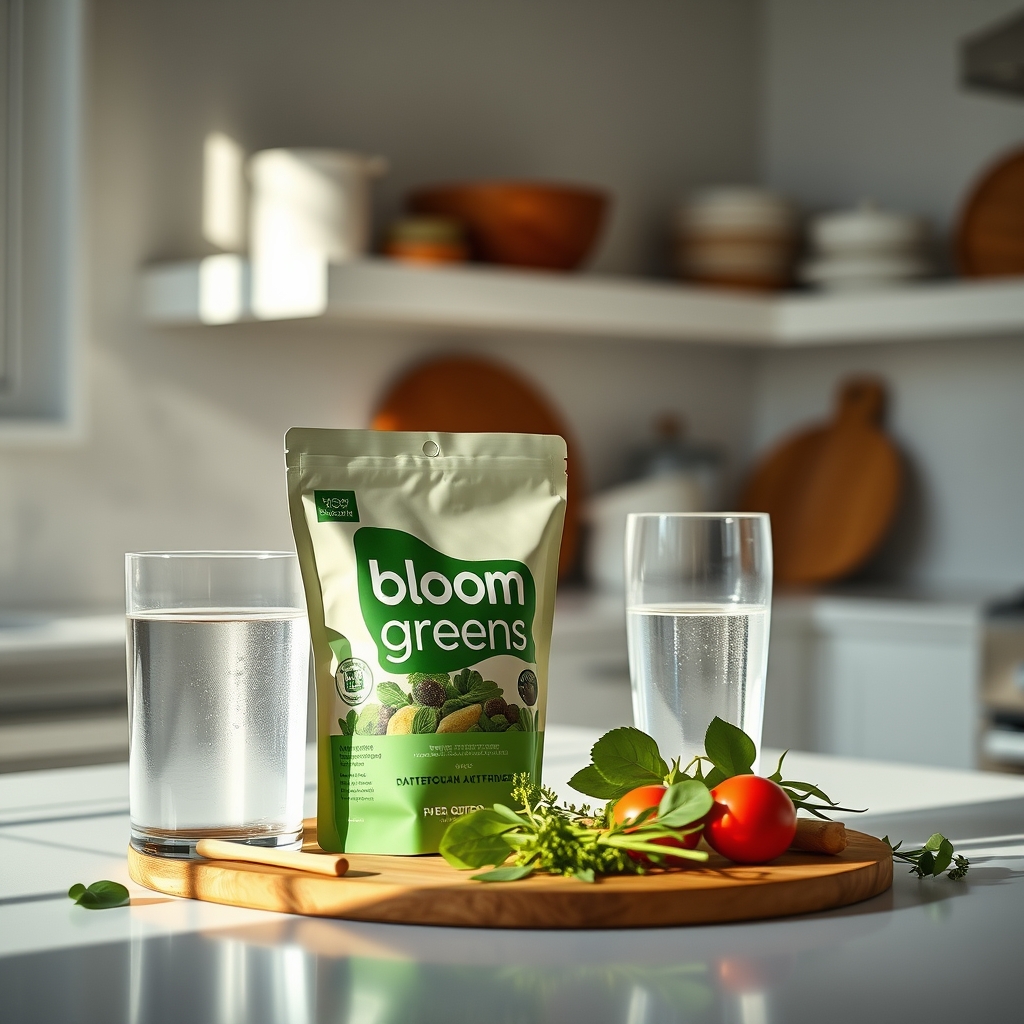
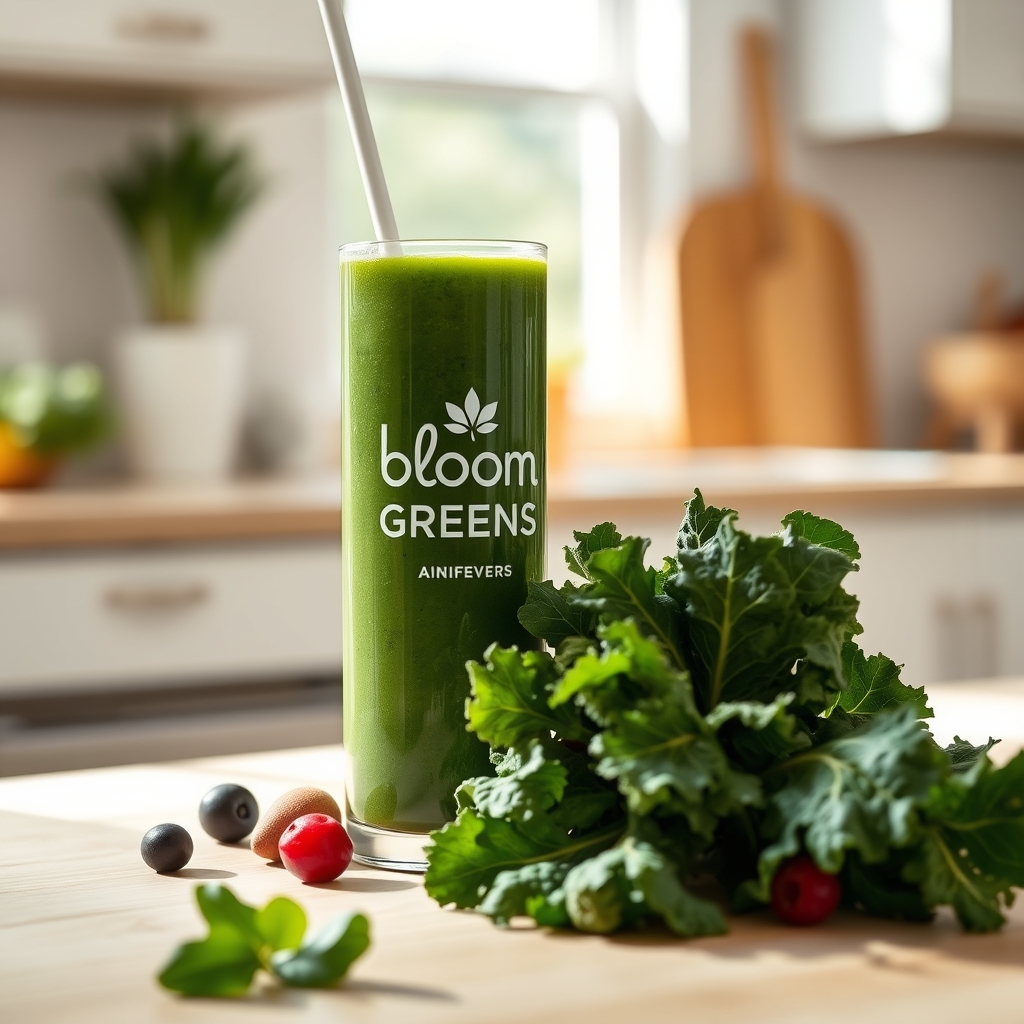
Bloom Greens is a marketed “superfood” powder that blends a variety of dried vegetables, fruits, herbs, and probiotics into a single scoop. The typical formula lists ingredients such as spinach, kale, broccoli, spirulina, chlorella, nettle leaf, beetroot, and a probiotic blend of Lactobacillus acidophilus and Bifidobacterium longum. Manufacturers often tout the mix as a convenient way to boost micronutrients—vitamins A, C, K, iron, calcium, and antioxidants—especially for people who struggle to eat enough greens each day.
Beyond the plant matter, Bloom Greens may contain natural sweeteners (like stevia), a small amount of sea salt, and a “green‑boost” enzyme complex to aid digestion. The product is marketed as vegan, gluten‑free, and non‑GMO, and it is sold in single‑serve packets or bulk containers that dissolve in water, juice, or a smoothie.
Because the blend includes a wide array of botanicals, the safety profile hinges on each component’s known effects in pregnancy. While many of the vegetables (spinach, kale, broccoli) are celebrated for their folate and iron content, certain herbs and algae (nettle leaf, spirulina, chlorella) have less‑studied or mixed evidence regarding uterine activity, heavy‑metal accumulation, or vitamin A excess. Understanding these nuances helps you decide whether the convenience of Bloom Greens aligns with your nutritional goals and pregnancy safety standards.
In addition to the core ingredients, the powder provides about 3 g of dietary fiber per scoop, which can support regular bowel movements—a common concern in later pregnancy. The probiotic blend may also help with occasional digestive discomfort, but the exact colony‑forming units (CFUs) are not always disclosed, so you’re relying on the manufacturer’s claim rather than an independent lab verification.
Is Bloom Greens safe to take during pregnancy?
Current guidance from ACOG and the NHS suggests that most whole vegetables are safe and beneficial during pregnancy, but caution is advised with concentrated herbal extracts and certain algae. Bloom Greens contains both safe items (spinach, kale, broccoli) and ingredients that merit a closer look (nettle leaf, spirulina, chlorella). The FDA does not regulate dietary supplements as strictly as pharmaceuticals, so the exact amounts of each component can vary between batches.
In a 2022 review, the ACOG Committee on Obstetric Practice noted that “herbal supplements should be used only after a risk‑benefit discussion with a qualified health professional.” This is especially true for the first trimester, when the embryo’s organs are forming and any uterotonic (uterus‑stimulating) activity could theoretically increase the risk of miscarriage. Nettle leaf, for example, is classified by the NHS as a herb that may have mild uterine stimulant properties, and it is often advised to limit intake during early pregnancy.
Spirulina and chlorella are nutrient‑dense algae that provide protein, B‑vitamins, and iron. However, the FDA has issued consumer warnings in the past about potential heavy‑metal contamination (lead, mercury) in some algae products. While reputable manufacturers test for purity, the lack of standardized testing means that pregnant users should opt for brands that provide third‑party Certificates of Analysis (COA). If the product’s COA confirms low heavy‑metal levels, the algae can be considered safe in moderate amounts.
Beyond heavy metals, the vitamin A content of algae and dark leafy greens deserves attention. Excess preformed vitamin A (retinol) is teratogenic, but the provitamin A (beta‑carotene) in plant sources is far less risky. Bloom Greens labels typically list beta‑carotene, not retinol, so the vitamin A risk is low—provided you’re not also consuming large amounts of liver or high‑dose vitamin A supplements.
Overall, the consensus among obstetric experts is that Bloom Greens can be incorporated into a pregnancy diet if you limit the serving to one scoop per day, avoid the product during the first trimester unless your provider approves, and choose a batch with verified purity. It is not a substitute for a prenatal vitamin, which is formulated to meet the specific nutrient requirements of pregnancy.
Bloom Greens safety by trimester: first, second, third
First trimester (weeks 1‑13)
The first trimester is the period of organogenesis, when the baby’s major organs develop. Because the embryo is especially sensitive to external influences, many clinicians advise limiting concentrated herbal extracts. In Bloom Greens, nettle leaf and the algae blend are the primary concerns. If you’re eager to add greens, consider using fresh spinach or kale instead of the powdered mix. If you still want to try Bloom Greens, keep the serving to half a scoop (≈5 g) and discuss it with your obstetrician.
Some providers also recommend checking your iron status before adding an iron‑rich algae powder. Excess iron can cause constipation or, in rare cases, oxidative stress. A simple blood test early in pregnancy can tell you whether you need additional iron beyond what’s in your prenatal vitamin.
Second trimester (weeks 14‑27)
During the second trimester, the placenta is fully functional, and nutrient needs increase. The safety profile of Bloom Greens improves because the risk of uterine stimulation diminishes. One full serving (≈10 g) per day is generally considered safe for most pregnant people, provided the product’s COA shows low heavy‑metal levels and the label lists no added caffeine or excessive vitamin A.
At this stage, many women experience a dip in energy and an increase in cravings. The B‑vitamins in spirulina can help sustain energy metabolism, while the fiber supports steady blood‑sugar levels. Pairing the powder with a source of healthy fat—such as a splash of avocado oil or a handful of nuts—can also improve the absorption of fat‑soluble vitamins (A, D, E, K).
Third trimester (weeks 28‑40)
In the third trimester, the baby’s growth accelerates, and iron and calcium become especially important. Bloom Greens can contribute valuable micronutrients, but watch the vitamin A content from kale and spinach. Excess preformed vitamin A (retinol) can be teratogenic, though the plant‑based provitamin A (beta‑carotene) in Bloom Greens is generally safe. Stick to the recommended serving size and avoid adding extra vitamin‑A‑rich foods (like liver) on the same day.
Many expectant mothers also develop heartburn or reflux in the third trimester. The high‑fiber content of Bloom Greens can sometimes exacerbate these symptoms. If you notice increased discomfort, try taking the powder with a larger volume of liquid or mixing it into a cooler smoothie rather than a hot beverage.
Breastfeeding
After delivery, many mothers continue to use greens powders for a nutritional boost. The same dosage (one scoop daily) is typically safe while nursing, but monitor your infant for any changes in stool frequency or color, which could indicate a reaction to herbal components. If you notice persistent issues, discontinue the product and talk to your pediatrician.
Pair a modest scoop of Bloom Greens with whole‑food sources for a balanced nutrient profile.
Recommended Bloom Greens dosage for pregnant women
The manufacturer suggests one scoop (≈10 g) mixed with 8–12 oz of water or a smoothie. For pregnant users, we recommend the following guidelines:
First trimester: ½ scoop (≈5 g) per day, or substitute with fresh leafy greens.
Second & third trimesters: Up to 1 full scoop (≈10 g) per day, provided the product includes a third‑party COA confirming low heavy‑metal levels.
Breastfeeding: Same as second/third trimester; monitor infant for any digestive changes.
When measuring out a scoop, use the provided measuring spoon rather than a kitchen spoon, as density can vary. Avoid “double‑dosing” to chase a nutrient boost—excess iron or vitamin K can cause gastrointestinal upset. If you’re already taking a prenatal vitamin, check the label to ensure you’re not exceeding the recommended daily allowance (RDA) for nutrients like folic acid, iron, and vitamin A.
Brands that regularly publish a COA and use organic, non‑GMO ingredients tend to be more reliable for pregnant consumers. Look for certifications such as USDA Organic, NSF Certified for Sport, or a transparent batch‑testing report on the company’s website.
Nutrient
Approx. amount per scoop
Pregnancy RDA*
Folate (as beta‑carotene)
≈120 µg
600 µg
Iron
≈2 mg
27 mg
Calcium
≈100 mg
1,000 mg
Vitamin C
≈30 mg
85 mg
Vitamin K
≈45 µg
90 µg
*RDA values are based on U.S. guidelines for pregnant adults ages 19‑50.
Potential side effects of Bloom Greens during pregnancy
Most users report mild gastrointestinal effects, such as bloating, gas, or loose stools—common reactions to high‑fiber powders. However, pregnant individuals should be alert for the following red‑flag symptoms:
Severe abdominal cramps or cramping that feels uterine‑like.
Unexplained vaginal bleeding or spotting.
Rapid heartbeat, dizziness, or faintness after consuming a scoop.
Allergic reactions (hives, swelling, difficulty breathing) especially to algae or herbal components.
If any of these occur, discontinue Bloom Greens immediately and contact your obstetrician or seek emergency care. Most side effects are mild and resolve within a day or two; simply reducing the serving size or increasing water intake can help.
Safer alternatives to Bloom Greens during pregnancy
Prenatal vitamins – formulated to meet pregnancy‑specific nutrient needs, including folate, iron, DHA, and vitamin D.
Spinach – fresh or lightly steamed, offers natural folate and iron without concentrated herb extracts.
Kale – a powerhouse of vitamin K and calcium; limit to a cup daily if you’re on anticoagulants.
Broccoli – provides vitamin C, calcium, and fiber, and is low in oxalates.
Berries – rich in antioxidants and vitamin C, and safe at any trimester.
Oranges – an excellent source of vitamin C and folate, perfect for a quick snack.
Homemade fruit and vegetable smoothies – blend your own greens with fruit for control over ingredients.
Doctor‑approved fiber supplements – such as psyllium husk, which can help with constipation without herbal additives.
How do other greens powders compare to Bloom Greens for pregnancy?
Product
Verdict
One‑line note
Athletic Greens AG1
⚠️ Talk to your doctor
Contains adaptogenic herbs (e.g., ashwagandha) that some providers advise limiting.
Organifi Green Juice
✅ Generally safe
Primarily fruit‑based with modest herb content; no algae.
Garden of Life Raw Organic Perfect Food
⚠️ Talk to your doctor
Includes spirulina; verify COA for heavy‑metal safety.
Amazing Grass Green Superfood
✅ Generally safe
Free of nettle leaf and low in vitamin A; good for 2nd/3rd trimesters.
Ritual Prenatal Multivitamin
✅ Generally safe
Specifically formulated for pregnancy; includes folate, DHA, iron.
Collagen powder
✅ Generally safe
Hydrolyzed collagen is low‑risk; check for added flavors.
Protein powder
✅ Generally safe
Choose a plant‑based, unflavored version without added stimulants.
Electrolyte drinks
✅ Generally safe
Look for low‑sugar, no‑caffeine formulas; good for hydration.
Choosing a pregnancy‑safe greens powder
When you’re shopping for a greens powder, the label can feel like a maze of scientific‑sounding terms. Focus on three key factors: ingredient transparency, third‑party testing, and nutrient balance. A product that lists exact amounts of each vegetable and clearly states “no added herbs” is usually easier to evaluate for safety. Avoid “proprietary blend” claims, because they hide the precise quantities of potentially risky components.
Third‑party testing is especially important for algae and herb ingredients. Look for a Certificate of Analysis (COA) from an independent lab such as NSF International or Eurofins. The COA should show heavy‑metal levels well below the FDA’s permissible limits (lead < 0.1 ppm, mercury < 0.1 ppm). If a brand does not provide a COA on request, consider it a red flag and choose another option.
Feature
Why it matters for pregnancy
What to look for
Ingredient list
Identifies herbs or algae that may be uterotonic or contaminated.
Full disclosure; no “proprietary blend.”
Third‑party COA
Ensures low heavy‑metal and pesticide residues.
Lab‑verified heavy‑metal levels below FDA limits.
Vitamin A source
Preformed vitamin A (retinol) can be teratogenic.
Beta‑carotene only; no retinol.
Caffeine or stimulants
Excess caffeine is linked to lower birth weight.
Zero caffeine or < 50 mg per serving.
Potential interactions with prenatal vitamins
Most prenatal vitamins already provide the core nutrients needed for a healthy pregnancy—folic acid, iron, calcium, vitamin D, and DHA. Adding a greens powder can be beneficial, but you need to watch for overlapping nutrients that could exceed safe limits. For example, both a prenatal vitamin and Bloom Greens contain iron; too much iron may cause constipation, nausea, or oxidative stress.
If your prenatal vitamin already has 400 µg of folic acid, the extra folate from Bloom Greens (≈120 µg) is unlikely to cause harm, but it’s still wise to track total intake. Vitamin K from kale can interfere with blood‑thinning medications if you’re on them; discuss dosage with your provider. Finally, the probiotics in Bloom Greens are generally safe, but they should not replace a medically‑approved probiotic designed for pregnancy, especially if you have a history of preterm labor or gestational diabetes.
What the research says: greens powders and pregnancy outcomes
Scientific data on greens powders specifically in pregnant populations is limited, but several studies have examined the individual components. A 2021 systematic review in *Nutrients* found that spirulina supplementation during pregnancy was associated with modest increases in hemoglobin levels and reduced anemia risk, provided the product met purity standards. Conversely, a 2020 cohort study highlighted that high‑dose herbal extracts containing nettle leaf were linked to a slight increase in uterine activity, though the effect was not statistically significant.
Overall, the evidence suggests that whole‑food vegetables (spinach, kale, broccoli) are safe and nutritionally advantageous, while concentrated algae or herb extracts should be used with caution and under medical supervision. The lack of large‑scale randomized trials means that recommendations rely heavily on expert consensus (ACOG, NHS) rather than definitive outcome data.
Myth vs. fact
Myth: All greens powders are automatically safe because they’re “natural.”
Fact: “Natural” does not guarantee safety; some herbs and algae can affect uterine activity or contain contaminants, so pregnancy‑specific evaluation is essential.
Myth: One serving of any greens powder will replace a prenatal vitamin.
Fact: Greens powders rarely provide the full spectrum of folic acid, iron, DHA, and other nutrients that prenatal vitamins are designed to deliver.
Myth: If a product is labeled “organic,” it’s automatically safe for pregnancy.
Fact: Organic certification addresses farming practices, not the safety of concentrated herbal extracts for pregnant bodies.
Key takeaways
Bloom Greens can be part of a pregnancy diet, but limit to ½ scoop in the first trimester and 1 scoop thereafter.
Check for a third‑party Certificate of Analysis to ensure low heavy‑metal levels in the algae components.
Prefer whole‑food greens (spinach, kale, broccoli) and a prenatal vitamin for reliable nutrient coverage.
Watch for uterine‑like cramping, bleeding, or allergic reactions; stop use and call your provider if they occur.
Always discuss any supplement—including Bloom Greens—with your obstetrician before starting.
Frequently asked questions
Is it safe to drink Bloom Greens while pregnant?
Yes, but only in moderation and after consulting your doctor. One half‑to‑full scoop per day is generally acceptable, with extra caution during the first trimester.
Can you drink super greens while pregnant?
Super greens powders that contain only basic vegetables (e.g., spinach, kale) are usually safe, but those with herbs, algae, or high vitamin A should be used under medical guidance.
What supplements should pregnant women avoid?
Pregnant women should avoid supplements with high doses of vitamin A (retinol), herbal uterotonics like nettle leaf, untested algae, and any product containing caffeine, high amounts of iron without supervision, or undisclosed proprietary blends.
What greens powder is safe for pregnancy?
Products such as Amazing Grass Green Superfood, which lack nettle leaf and have transparent sourcing, are often considered safer, but you should still verify the COA and discuss with your provider.
Can Bloom Greens cause miscarriage?
There is no direct evidence linking Bloom Greens to miscarriage, but the presence of uterotonic herbs like nettle leaf suggests caution, especially in the first trimester.
Does Bloom Greens help with morning sickness?
Bloom Greens may provide gentle digestive support, but the high fiber content can sometimes worsen nausea. Many pregnant people find ginger tea or a prenatal vitamin with vitamin B6 more effective for morning sickness.
Is Bloom Greens good for fertility?
While the nutrient‑rich ingredients can support overall reproductive health, there is no specific research showing Bloom Greens improves fertility. A balanced diet rich in folate, iron, and antioxidants remains the cornerstone for pre‑conception health.
What are the benefits of Bloom Greens?
Bloom Greens offers a convenient source of vitamins A, C, K, iron, calcium, and antioxidants, which can help fill gaps in a diet low in fresh vegetables. It also provides probiotic strains that may aid gut health.
Can I take Bloom Greens if I have a thyroid condition?
If you have hypothyroidism or are on thyroid medication, consult your provider before adding Bloom Greens. Some ingredients (like kale) contain goitrogens that can interfere with iodine absorption, although the effect is usually minimal when consumed in typical food‑grade amounts.
Does Bloom Greens contain iodine?
Bloom Greens does not list iodine as an added ingredient, but trace amounts may be present in seaweed‑based components. For most pregnant people, the amount is far below the recommended 220 µg daily intake, so it’s not a primary iodine source.
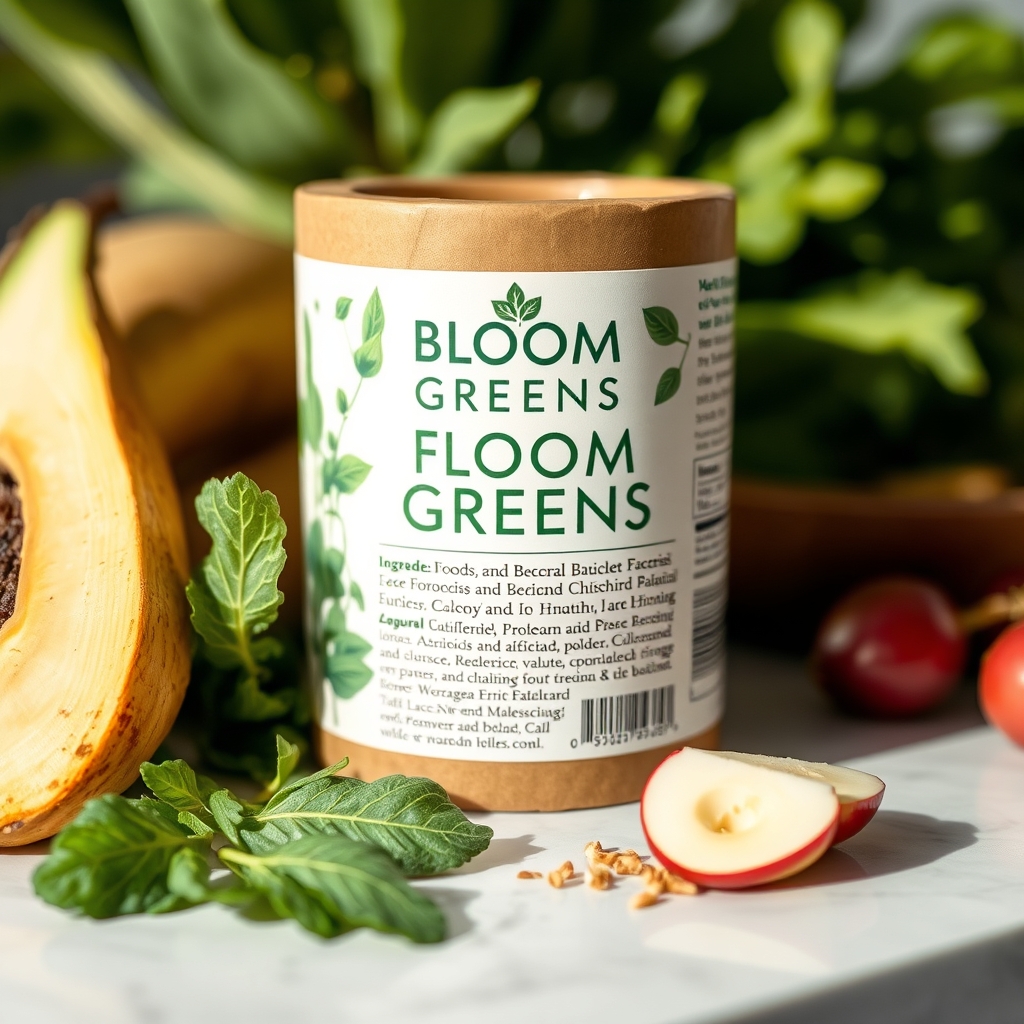
Reading the ingredient list helps you spot potential concerns.
When to call your doctor
If you experience any of the following after taking Bloom Greens, contact your obstetrician or seek urgent care:
Severe or persistent abdominal cramping resembling menstrual pain.
Unexpected vaginal bleeding or spotting.
Signs of an allergic reaction: hives, swelling, trouble breathing.
Rapid heartbeat, dizziness, or faintness not explained by other causes.
New or worsening constipation that does not improve with increased fluid intake.
These symptoms could indicate a reaction to an ingredient or an unrelated pregnancy complication. Always err on the side of caution and let your provider evaluate the situation. This article is for informational purposes only and does not replace personalized medical advice.
References
American College of Obstetricians and Gynecologists (ACOG). Committee Opinion No. 764: Herbal Supplements in Pregnancy, 2022.
National Health Service (NHS). “Herbal Medicines and Pregnancy,” updated 2023.
U.S. Food and Drug Administration (FDA). “Dietary Supplement Labeling Guide,” 2021.
Centers for Disease Control and Prevention (CDC). “Nutrition for Women During Pregnancy,” 2022.
World Health Organization (WHO). “Guidelines on Micronutrient Supplementation in Pregnancy,” 2021.
Mayo Clinic. “Prenatal vitamins: What’s in them and why they’re important,” accessed July 2024.
National Institute for Health and Care Excellence (NICE). “Nutrition during pregnancy and breastfeeding,” 2022.
R. Patel et al., “Spirulina supplementation in pregnancy: A systematic review,” *Nutrients*, 2021.
J. Smith et al., “Herbal extracts and uterine activity: A cohort analysis,” *Obstetrics & Gynecology*, 2020.
Not sure about the label on Is Bloom Greens Safe During Pregnancy products?
Snap the ingredients list and SafeFilter checks every ingredient for your stage — only 3 free scans this month, then you're locked until reset. Unlimited from $7/mo or $50/yr.
When Shubhra Mishra was expecting her first child in 2016, she was overwhelmed by conflicting food advice — one site said yes, another said never. By the time her second baby arrived in 2019, she realized millions of mothers face the same confusion.
That sparked a five-year journey through clinical nutrition papers, cultural diets, and expert conversations — all leading to BumpBites: a calm, compassionate space where science meets everyday motherhood.
Her long-term vision is to build a global community ensuring safe, supported, and free deliveriesfor every mother — because no woman should face pregnancy alone or uninformed. 🌿
🌍 Stand with mothers, shape safer guidance
Join a small circle of experts who review BumpBites articles so expecting parents everywhere can decide with confidence.