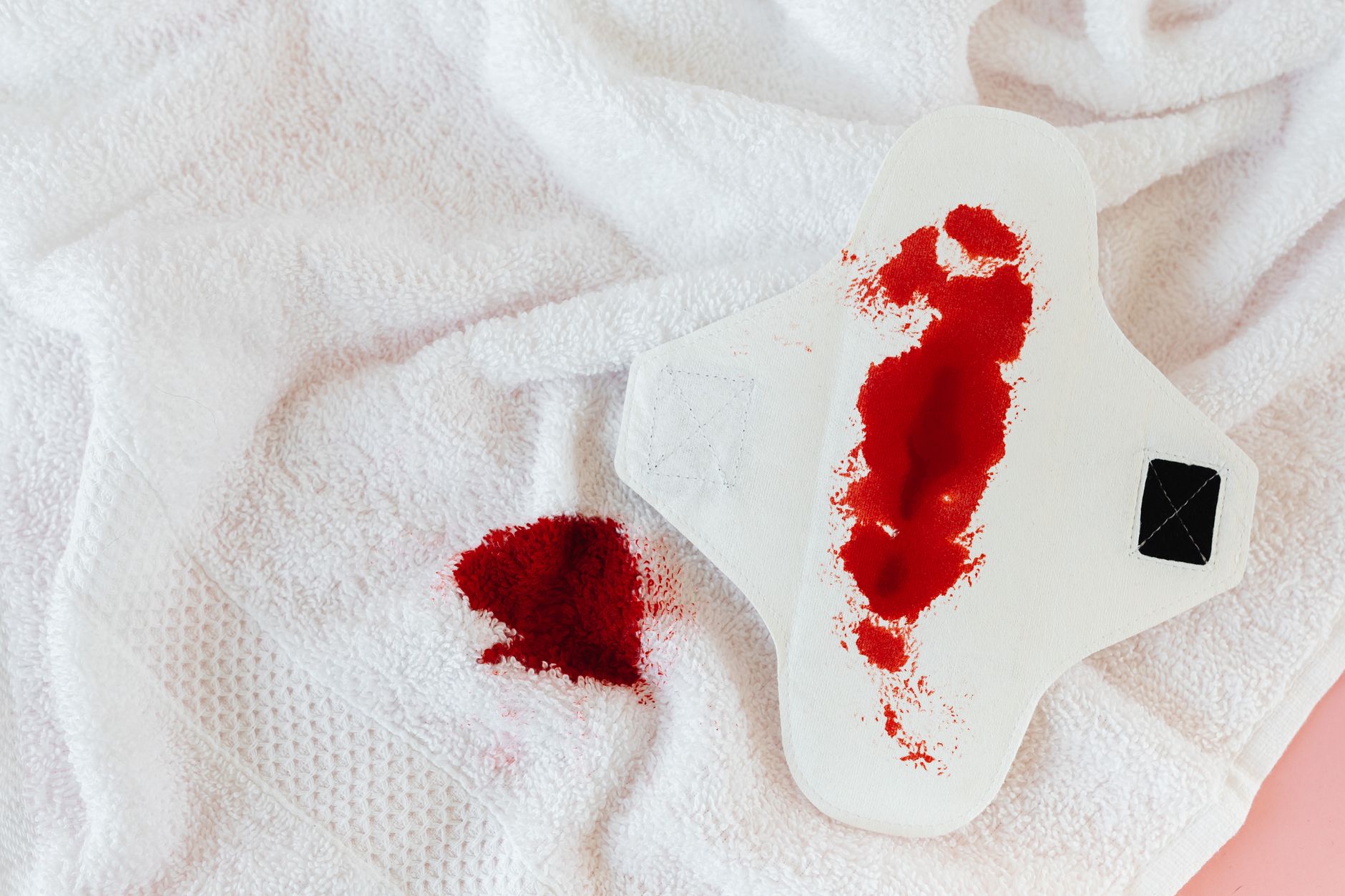
Postpartum bleeding, or lochia, typically lasts 2-6 weeks, with variations. Learn about the different lochia stages and what to expect regarding how long does postpartum bleeding last.
By Shubhra Mishra — a mom of two who turned her own confusion during pregnancy into BumpBites, a global mission to make food choices clear, safe, and stress-free for every expecting mother. 💛
Check whether any food is safe during pregnancy with the BumpBites Food Safety Checker.
Quick take: Most postpartum bleeding (lochia) tapers off by the third to fourth week after a vaginal birth and by the fifth to sixth week after a cesarean. The flow usually follows three recognizable stages—bright red, pink‑brown, then yellow‑white—and then stops. If you notice a sudden increase in volume, a foul odor, or heavy soaking of pads beyond the expected timeline, call your provider right away.
It’s 2 a.m., you’ve just gotten the baby home, and the pad you changed looks a little darker than it did yesterday. You scroll through your phone, heart beating faster, wondering: “Is this normal? How long is this supposed to last?” You’re not alone. Many new parents wake up to the same question, especially after the excitement of delivery fades and the reality of recovery sets in.
🔢 Calculate it for your situation: Use our Lochia Tracker for a personalized result in seconds.
The experience of postpartum bleeding, or lochia, often comes as a surprise to new parents. While everyone expects some bleeding after childbirth, the duration and variations can be a source of anxiety. It’s a completely normal and necessary part of your body's healing process, but knowing what to expect can ease your mind and help you identify any potential concerns early on.
In this guide we’ll break down exactly what postpartum bleeding is, how it changes over the weeks, and why the timeline differs between vaginal and cesarean deliveries. We’ll also cover the factors that can lengthen or shorten the bleeding, practical tips for day‑to‑day care, and the warning signs that mean you need urgent medical attention. By the end you’ll have a clear roadmap for what to expect and when to reach out for help.
We’ll start with a plain‑language definition of lochia, walk through each stage, compare typical durations, and finish with a quick‑reference checklist you can keep by your bedside. If you want to track your own numbers, we recommend using the Lochia Tracker—it lets you log color, amount, and day so you can spot any deviations early.
What is postpartum bleeding (lochia) and why does it happen?
After a baby is born, the uterus doesn’t simply snap back to its pre‑pregnancy size. The inner lining (the endometrium) that supported the placenta must shed, and the uterine muscles contract to close off the blood vessels that fed the placenta. This shedding process is what produces lochia, the medical term for the vaginal discharge that follows childbirth.
This remarkable process is called uterine involution, and it's your body's way of returning the uterus to its non-pregnant state. During pregnancy, the uterus expands significantly, and the lining, called the decidua, thickens to nourish the growing baby. Once the placenta detaches, it leaves behind a large wound inside the uterus. The uterine muscles contract vigorously—a process often aided by the hormone oxytocin, released during breastfeeding—to compress the blood vessels at this placental site, preventing excessive blood loss. Lochia is the discharge of the remaining blood, tissue, mucus, and white blood cells as this internal wound heals and the uterine lining regenerates.
Because lochia is a normal part of healing, it is not considered a complication unless it becomes excessive, foul‑smelling, or persists far beyond the expected timeline. Understanding the normal pattern helps you differentiate routine recovery from a warning sign. The entire process is a testament to your body's incredible ability to recover and adapt after childbirth.
Postpartum pads help you track the amount and color of lochia day by day.
The stages of lochia: color, composition, and what they mean
Lochi
a typically progresses through three distinct stages, each lasting a few days to a couple of weeks. The color and consistency give clues about how the healing is proceeding. It's helpful to remember that these are general guidelines, and your personal experience might vary slightly.
Stage 1 – Lochia rubra (bright red)
Days 1‑3 after delivery, the discharge is bright red, similar to a heavy period. It may contain small clots the size of a grain of rice. This stage reflects the breakdown of the placental attachment and the high volume of blood that the uterus is still expelling. You might notice the flow increasing temporarily when you first stand up after lying down for a while, or during breastfeeding, due to uterine contractions. The American College of Obstetricians and Gynecologists (ACOG) notes that this initial heavy flow is expected as the uterus works to shed its lining.
During this stage, the lochia consists primarily of blood, tissue fragments from the placental site, and decidual tissue (the specialized uterine lining that developed during pregnancy). It's crucial to monitor the size of any clots; while small clots are normal, anything larger than a golf ball should prompt a call to your healthcare provider, as it could indicate excessive bleeding or retained placental fragments.
Stage 2 – Lochia serosa (pink‑brown to brown)
From roughly day 4 up to day 10, the flow usually lightens and the color shifts to pinkish‑brown or chocolate‑brown. The presence of mucus from the cervical canal mixes with the blood, giving a “syrupy” appearance. By this point the uterus has contracted substantially, and the bleeding volume should be decreasing. This stage marks a transition as the amount of red blood cells diminishes, and the discharge contains more serous fluid, old blood, white blood cells (leukocytes), and tissue debris.
The shift to a lighter, brownish color indicates that the heaviest bleeding phase has passed and the uterine wound is starting to close. You might find you need to change pads less frequently, moving from heavy-duty pads to more regular ones. While still a noticeable discharge, it should not be as heavy or bright red as lochia rubra. If you notice a return to bright red, heavy bleeding during this stage, it could be a sign of overexertion or another issue, and you should rest and monitor it closely.
Stage 3 – Lochia alba (yellow‑white)
Between day 10 and day 21 (sometimes extending to day 28 or even six weeks), lochia becomes whitish or yellowish and may have a slightly cheesy or earthy smell. This is mostly mucus, decidual cells, white blood cells, and cellular debris as the uterine lining fully regenerates. The discharge is usually light enough to be caught by a panty liner rather than a full‑size pad.
This final stage indicates that the uterine healing process is nearing completion. The discharge is no longer primarily blood but a mix of remaining cellular waste and mucus. It’s important to note that while it can have a mild, earthy smell, a foul or fishy odor is a red flag for infection and requires immediate medical attention. Some women may experience a few days of spotting, then nothing, then a brief return of light pink or brown discharge before it stops completely. This on-again, off-again pattern in the later stages is generally normal, especially with increased activity.
While the three‑stage pattern is typical, some women may experience a brief overlap—such as pinkish discharge lingering a day longer—without it being a cause for alarm. However, any abrupt change, especially a sudden return to heavy, bright red bleeding after the flow has lightened, should be reported to your healthcare provider.
Typical timeline after vaginal delivery
For most people who deliver vaginally, the overall bleeding course follows the three stages described above, with a total duration of about 3‑4 weeks. Below is a more detailed breakdown:
Stage
Typical Days
Color & Consistency
Average Daily Pad Saturation
Lochia rubra
1‑3
Bright red, may contain small clots
Heavy (1‑2 pads per hour)
Lochia serosa
4‑10
Pink‑brown, thinner, less clots
Moderate (1 pad per 2‑3 hours)
Lochia alba
11‑21
Yellow‑white, mostly mucus
Light (panty liner or occasional pad)
In the initial days after a vaginal birth, your uterus is working hard to contract and return to its pre-pregnancy size. This process, called involution, is essential for preventing excessive blood loss. You might feel these contractions as "afterpains," which can intensify during breastfeeding due to the release of oxytocin. The heaviest bleeding will occur in the first few days, requiring frequent pad changes (sometimes hourly immediately after birth) to manage the flow.
By the end of the third week, most women notice that the discharge is either gone or reduced to occasional spotting. A small amount of brown spotting can persist up to six weeks, especially if you’re breastfeeding—prolactin can delay uterine involution, which keeps the lining shedding a little longer. It's also common to experience a brief increase in flow or a return to a slightly pinker color if you overexert yourself, so listening to your body and prioritizing rest is crucial.
In a nutshell, if you’re delivering vaginally, expect the heaviest bleeding in the first 48 hours, a gradual lightening by day 7, and near‑complete resolution by week 4. If bleeding continues strongly past day 14, or you notice a sudden surge after day 21, it’s worth checking with your provider. The NHS advises that any bleeding that soaks more than one pad an hour after the first 24 hours should be reported.
Typical timeline after cesarean delivery
Cesarean birth adds a surgical incision, which means the uterus has to heal both the placental site and the abdominal wall. Because the incision itself can bleed, and because the uterus may have been handled more extensively during surgery, lochia after a C‑section often lasts a bit longer—typically 5‑6 weeks, or sometimes even up to 8 weeks for some individuals.
Here’s how the stages compare:
Days 1‑4 (Lochia rubra): The discharge can be slightly darker and may contain more clots due to surgical manipulation. While the uterus is manually cleaned during a C-section, reducing some immediate post-birth blood, the internal healing process still requires shedding.
Days 5‑12 (Lochia serosa): The pink‑brown phase may linger a day or two longer than after vaginal birth. You might also notice more variability in the flow depending on your activity levels and recovery from surgery.
Days 13‑28 (Lochia alba): The yellow‑white phase often extends into the fifth week, especially if you’re on pain medication that can affect clotting or if your mobility is still limited. The body is recovering from major surgery, which can impact the overall healing pace.
Because the incision itself needs time to knit, your surgeon may advise you to avoid heavy lifting and certain activities for 6‑8 weeks. This restriction also helps keep intra‑abdominal pressure low, which can reduce bleeding. While the surgical removal of the placenta during a C-section can sometimes mean less immediate lochia volume compared to a vaginal birth, the overall healing time for the uterus and the abdominal wall can prolong the entire lochia process.
Overall, the key message is that a C‑section adds roughly one to two extra weeks of noticeable lochia. If you notice any sudden increase in volume after week 3, or if you develop a fever, contact your obstetrician promptly. The CDC highlights that infections are a serious concern after C-sections, and unusual bleeding combined with fever could be a sign.
Keeping a simple tracker—like a notebook or app—helps you notice changes early.
Factors that can influence how long postpartum bleeding lasts
While the timelines above represent averages, many individual factors can shift the duration of lochia. Knowing these can help you set realistic expectations and identify when a deviation might be worrisome. Your body's unique recovery journey is influenced by a combination of these elements.
Mode of delivery: As discussed, C‑sections generally add about a week or two to the total duration. This is due to the surgical trauma and the different healing process involved for both the uterus and the abdominal wall.
Breastfeeding status: Prolactin released during nursing causes the uterus to contract more slowly, often extending the light‑spotting phase. While oxytocin (also released during breastfeeding) helps with initial contractions, the overall hormonal environment can lead to a slightly longer, lighter lochia period.
Placenta type and removal: A placenta that was adherent (e.g., placenta accreta) or required manual removal can increase bleeding time due to trauma to the uterine wall or potential for retained placental fragments. Even small pieces of retained tissue can prevent the uterus from contracting fully, leading to persistent bleeding.
Medications: Anticoagulants, certain pain relievers (like ibuprofen in high doses), or supplements that affect clotting (e.g., fish oil) may prolong bleeding. Always discuss any medications or supplements you’re taking with your provider, especially postpartum.
Maternal health conditions: Pre-existing conditions such as anemia, clotting disorders, hypertension, or uterine fibroids can all affect how quickly the uterus involutes and how long bleeding persists. An infection within the uterus (endometritis) can also cause prolonged or abnormal bleeding.
Birth weight and multiple births: A larger baby or carrying twins/multiples stretches the uterus more significantly. This can sometimes lead to reduced uterine tone after birth, making it harder for the uterus to contract efficiently and potentially leading to a longer lochia phase.
Physical activity: Gentle movement and walking encourage uterine contraction and help expel lochia, while heavy exertion, lifting, or intense exercise can sometimes cause a temporary increase in bleeding or a return to a brighter red flow. This is your body's signal to slow down and rest.
Parity (number of previous births): Women who have had multiple previous births (multiparous) may experience a slightly longer lochia phase or less effective uterine contractions compared to first-time mothers, as the uterine muscles can lose some tone over time.
Uterine atony: This is when the uterus fails to contract adequately after childbirth, and it's a primary cause of postpartum hemorrhage. If your uterus isn't firm, bleeding can persist and be heavier than normal.
Most of these factors are out of your control, but a few—like staying hydrated, getting adequate rest, and following your provider’s activity guidelines—can help the process run smoothly. Prioritizing self-care in the postpartum period is not just a luxury; it's essential for your physical recovery.
Day‑to‑day management: hygiene, bathing, and tracking
Managing lochia isn’t just about watching the color; it’s also about keeping yourself clean and comfortable. The postpartum period is a time of intense physical recovery, and good hygiene is crucial for preventing infection and promoting healing. Here are some practical tips to help you navigate this phase:
Pad changes: Switch pads every 2‑4 hours during the heavy‑flow days, or more often if they become saturated. When the flow lightens, a panty liner is enough. Consider using large, absorbent postpartum pads or even disposable postpartum underwear (often called "mesh underwear" or "maternity pads") in the early days for maximum comfort and absorbency. Some women also find cooling perineal pads helpful for soothing discomfort.
Hygiene: Use warm water and a mild, fragrance‑free soap to clean the perineal area. Pat dry—don’t rub. Many hospitals provide a peri bottle (perineal irrigation bottle) which is excellent for gently rinsing the area after using the toilet, especially if you have stitches. Always wipe from front to back to prevent bacteria from entering the vagina or urethra. Avoid douching, as it can disrupt the natural vaginal flora and increase the risk of infection.
Bathing: A gentle shower is safe at any point. Soaking in a tub is generally okay once the perineal stitches (if any) have healed, usually after the first week, but avoid hot tubs and whirlpools until your doctor says it’s fine. The concern with soaking in still water, especially in public pools or hot tubs, is the increased risk of infection entering the healing uterus.
Clothing: Wear breathable cotton underwear and loose‑fitting clothing to reduce moisture buildup and promote airflow. This helps prevent irritation and allows any stitches or sensitive areas to heal more comfortably.
Rest: While not directly about hygiene, adequate rest is paramount for your body to heal efficiently. Overexertion can lead to increased bleeding or a temporary return to brighter red lochia. Listen to your body and prioritize rest whenever possible.
Tracking: Write down the date, pad saturation (light, moderate, heavy), and color each day. This simple log can be a lifesaver if you need to describe changes to your provider, as it provides objective data rather than just vague recollections.
For those who like a digital solution, the Lochia Tracker lets you input the same information and see a visual timeline, highlighting any days that fall outside the typical range. This can be especially reassuring during those sleep-deprived weeks.
A peri bottle is a gentle way to clean and soothe your perineal area after birth.
Lochia vs. Your First Postpartum Period: What's the Difference?
It's very common to confuse the tail end of lochia with the return of your first menstrual period after childbirth. While both involve vaginal bleeding, they are distinct processes with different origins and implications for your body's recovery and fertility.
Lochia is the discharge of uterine lining, blood, and tissue that occurs as your uterus heals and shrinks back to its pre-pregnancy size. It follows a predictable pattern of color changes (rubra, serosa, alba) and typically tapers off over several weeks. It is not a sign of fertility, as ovulation usually has not resumed during this phase.
Your first postpartum period, on the other hand, signals the return of your menstrual cycle and, importantly, the return of ovulation and potential fertility. The timing of its return varies widely:
For non-breastfeeding parents: Your period may return as early as 4-8 weeks postpartum, as hormonal levels (estrogen and progesterone) begin to normalize more quickly.
For breastfeeding parents: The hormone prolactin, which stimulates milk production, can suppress ovulation and delay menstruation. It's not uncommon for periods to be absent for several months, or even for the entire duration of exclusive breastfeeding. However, breastfeeding is not a foolproof method of birth control, and ovulation can occur before your first period.
Key differences to help you tell them apart:
Timing: Lochia generally ends by 4-6 weeks. Your period usually returns later, often after lochia has completely stopped.
Color & Consistency: Lochia progresses from bright red to pink-brown to yellow-white. A period typically starts with bright red blood and usually doesn't have the same tissue-like consistency as early lochia.
Duration & Pattern: Lochia is a continuous, though lightening, flow over weeks. A period will typically last 4-7 days, followed by a break until the next cycle.
Associated Symptoms: Your first period might come with familiar premenstrual symptoms like cramps, bloating, or mood changes, which are generally not associated with lochia.
If you're unsure whether you're experiencing the last stages of lochia or the return of your period, especially if you're trying to conceive or avoid pregnancy, it's always best to consult your healthcare provider.
Physical Activity, Rest, and Your Lochia Flow
The postpartum period is a time for healing, and how you manage your physical activity can directly impact your recovery, including the duration and intensity of your lochia. It's a delicate balance between gentle movement to aid healing and overdoing it, which can set back your progress.
In the initial days and weeks, rest is paramount. Your body has undergone a monumental event, and adequate sleep and relaxation allow your uterus to contract and heal effectively. Overexertion can manifest as an increase in lochia—you might notice a sudden gush of bright red blood or a return to heavier flow after it had lightened. This is your body's way of telling you to slow down.
The general advice is to gradually reintroduce activity:
Early Postpartum (0-2 weeks): Focus on rest. Gentle walking around the house is usually fine, but avoid heavy lifting, strenuous chores, or any intense exercise. Listen to your body; if you feel tired or notice increased bleeding, stop and rest.
Mid Postpartum (2-6 weeks): You can gradually increase light activity, such as longer walks. Pelvic floor exercises (Kegels) are often recommended to help strengthen the muscles that support your bladder, bowel, and uterus. Still, avoid high-impact activities, heavy lifting, or anything that puts strain on your core or pelvic floor.
After 6-Week Checkup: Your provider will assess your recovery and give you clearance for more strenuous activities. This is typically when you can start to think about returning to more structured exercise, but always begin slowly and progress gradually.
Remember, everyone's recovery is different. Factors like your mode of delivery, pre-pregnancy fitness level, and any complications can influence your readiness for activity. Pay attention to your lochia: if increasing activity causes your bleeding to become heavier, brighter red, or if it prolongs the lochia past its expected timeline, it's a clear sign you're doing too much. Ease back on your activity and talk to your doctor or a women's health physical therapist for personalized guidance.
When Can You Use Tampons or Resume Intimacy?
These are common questions for new parents, and the answers are crucial for your health and recovery. The general recommendation from medical professionals like ACOG is to avoid inserting anything into the vagina—including tampons, menstrual cups, or having sexual intercourse—until you've received clearance from your healthcare provider, usually at your 6-week postpartum checkup.
Here's why these guidelines are so important:
Risk of Infection: While your uterus is shedding lochia, the cervix remains slightly open, and the placental site inside the uterus is still a healing wound. Inserting tampons or having intercourse can introduce bacteria into this vulnerable area, significantly increasing your risk of uterine infection (endometritis) or other postpartum infections. Pads are recommended for managing lochia because they collect the discharge externally, minimizing this risk.
Healing Time: Whether you had a vaginal birth (especially if you had stitches for tears or an episiotomy) or a C-section, your body needs time to heal. Tissues in the vagina and perineum may be tender, swollen, or healing from stitches. Resuming sexual activity too soon can be painful, disrupt healing, and potentially cause further injury. Even without tears, the vaginal tissues are often sensitive and stretched.
Pelvic Floor Recovery: Your pelvic floor muscles have undergone significant strain during pregnancy and childbirth. They need time to recover strength and tone. Premature sexual activity can put undue pressure on these muscles and hinder their healing process.
When you do get clearance, take it slow. Many couples find that resuming intimacy takes time and patience. Vaginal dryness is common postpartum due to hormonal changes, especially if you're breastfeeding, so a good quality lubricant can be very helpful. Communicate openly with your partner about comfort levels and expectations. If you experience pain during intercourse, discuss it with your provider, as it could be a sign of underlying issues that can be addressed.
Remember, prioritizing your physical healing and emotional well-being will ultimately lead to a more comfortable and fulfilling recovery. There's no rush to return to these activities; focus on your body's signals and your doctor's advice.
When bleeding may signal a problem: postpartum hemorrhage and other red flags
Postpartum hemorrhage (PPH) is defined as losing more than 500 mL of blood after a vaginal birth or more than 1000 mL after a cesarean. While you can’t measure volume at home, there are tell‑tale signs that suggest bleeding is excessive. It's crucial to be aware of these red flags, as PPH can be a serious, life-threatening complication, though it is treatable if caught early. The World Health Organization (WHO) emphasizes prompt recognition and management of PPH.
PPH can be classified as primary PPH, which occurs within the first 24 hours after birth, or secondary PPH, which occurs between 24 hours and up to 12 weeks postpartum. Secondary PPH is often caused by retained placental fragments or infection. If you experience any of the following symptoms, do not hesitate to seek immediate medical attention:
Sudden soak‑through: One pad becomes completely saturated in under an hour, especially after the first week. This is a critical warning sign and warrants immediate medical attention.
Large clots: Clots larger than a golf ball, or a sudden gush of bright red blood that is not typical for your flow.
Persistent heavy flow: No reduction in bleeding after day 7, or a return to heavy flow after it had lightened. If you are still soaking pads hourly or every two hours beyond the first few days, it’s concerning.
Accompanying symptoms: Dizziness, lightheadedness, rapid heartbeat, shortness of breath, a sudden drop in blood pressure, or a feeling of faintness. These are signs of significant blood loss and shock.
Fever or foul odor: A fever over 100.4°F (38°C), chills, severe abdominal pain, or a foul-smelling, greenish, or fishy vaginal discharge can indicate an infection (endometritis), which can also cause increased bleeding.
Severe pain: Unrelenting pain in your abdomen or pelvis that doesn't improve with pain medication could be a sign of complications.
If any of these occur, call your obstetrician, midwife, or go to the nearest emergency department. Early intervention—often with uterotonic medication to help the uterus contract, manual removal of retained tissue, or, in rare cases, a surgical procedure—can prevent serious complications. Trust your instincts; if something feels wrong, it's always better to get checked out.
From our medical team: “Postpartum bleeding is a normal part of uterine healing, but you know your body best. If the flow feels heavier than expected, or if you notice a sharp change in color or odor, trust your instincts and reach out. Most issues are caught early when you keep a simple log and share it with your provider. Don't ever feel like you're bothering us – your health is our priority.”
🔢 Ready to crunch your numbers? Use our Lochia Tracker for a personalized result in seconds.
Myth vs. fact
Myth: “If I’m still seeing blood after two weeks, something is wrong.”
Fact: Light spotting can continue for up to six weeks, especially if you’re breastfeeding. Heavy bleeding that persists beyond the second week warrants a check‑in, but a faint pink or brown discharge is usually normal as your body continues to heal.
Myth: “I must avoid all baths until lochia stops completely.”
Fact: A warm shower is safe at any stage. Soaking in a tub is fine after perineal stitches have healed (often after day 5‑7) and if you avoid hot tubs, swimming pools, or douching until cleared by your provider to reduce infection risk.
Myth: “C‑section always means double the bleeding.”
Fact: While C‑section can add about a week or two to the lochia timeline, the amount of blood loss is not automatically doubled. The key difference is the surgical incision and the overall recovery, not necessarily a greater volume of placental bleed. In fact, immediate blood loss during a C-section is often controlled more directly.
Myth: “Once lochia stops, I can immediately resume all normal activities, including sex.”
Fact: While the cessation of lochia is a good sign, your body still needs time to fully heal, especially your pelvic floor and any surgical incisions. It's generally recommended to wait until your 6-week postpartum checkup for medical clearance before resuming strenuous activities or sexual intercourse, to minimize risk of injury or infection.
Key takeaways
Lochia typically follows three stages—bright red, pink‑brown, then yellow‑white—and most women see it resolve by week 4 after vaginal birth and week 5‑6 after C‑section.
Breastfeeding, surgical delivery, and certain medications can extend the light‑spotting phase; listening to your body and prioritizing rest helps manage flow.
Track color, amount, and any clots daily; a simple log or the Lochia Tracker can help you spot trends and provide valuable information to your provider.
Gentle hygiene, regular pad changes, and breathable clothing keep you comfortable and reduce infection risk; avoid tampons and douching.
Lochia is different from your first postpartum period, which marks the return of fertility and typically occurs later, especially if breastfeeding.
Call your provider immediately if you notice large clots, sudden heavy soaking (pad saturated in <1 hour), foul odor, fever over 100.4 °F (38 °C), feeling faint, or persistent bright red bleeding beyond the second week.
Most postpartum bleeding is normal—trust your body, but don’t hesitate to ask for help if something feels off. Your recovery is a marathon, not a sprint.
Frequently asked questions
What are the different stages of lochia?
Lochia progresses through three stages: lochia rubra (bright red, days 1‑3, heavy blood and tissue), lochia serosa (pink‑brown, days 4‑10, less blood, more fluid and white blood cells), and lochia alba (yellow‑white, days 11‑21+, mostly mucus and cellular debris). Each stage reflects the uterus shedding blood, mucus, and tissue as it heals.
How much bleeding is normal after giving birth?
During the first 48 hours, it’s normal to lose up to 500 mL of blood, which feels like a heavy period with pads needing change every 2‑3 hours. By the end of the first week, the flow should start to lighten, and by week 4 it’s usually just light spotting. Any clots larger than a golf ball or soaking more than one pad an hour after the initial days are concerning.
What color is postpartum bleeding supposed to be?
Initially, lochia is bright red. It then gradually turns pink‑brown, and finally yellow‑white. Any sudden return to bright red after the first week, a very dark blackish color, or a greenish hue may indicate infection or a problem and should be evaluated by a healthcare provider.
Can I take a bath while experiencing postpartum bleeding?
A warm shower is safe at any time. Soaking in a tub is generally okay after perineal stitches have healed (typically after day 5‑7), but avoid hot tubs, whirlpools, or swimming pools until cleared by your provider to reduce infection risk. Always ensure the tub is clean.
How long does it take for postpartum bleeding to stop after a miscarriage?
Bleeding after a miscarriage often resembles lochia but can be more variable depending on the stage of pregnancy. Most women experience heavy bleeding for 1‑2 weeks, with spotting lasting up to 4‑6 weeks. If bleeding is heavy after two weeks or is accompanied by fever, severe pain, or foul odor, contact your clinician.
What are the signs of postpartum hemorrhage?
Key warning signs include a sudden gush of bright red blood, soaking a pad in less than an hour, large clots (larger than a golf ball), dizziness, rapid heartbeat, shortness of breath, a feeling of faintness, or a foul odor. If any appear, seek medical care immediately.
Can stress or lack of sleep affect postpartum bleeding?
While stress and lack of sleep don't directly cause lochia, they can hinder your body's overall recovery. Chronic stress can impact hormone regulation, and insufficient rest can delay uterine involution, potentially prolonging the lighter stages of lochia or making you more susceptible to increased bleeding with activity. Prioritizing rest and managing stress supports faster healing.
When can I use tampons again after giving birth?
It is generally recommended to avoid using tampons or menstrual cups until after your 6-week postpartum checkup and only once you've received clearance from your healthcare provider. This is because the cervix is still open and the uterus is healing, making you susceptible to infection if anything is inserted into the vagina. Pads are the safest option for managing lochia.
When to call your doctor
If you notice any of the following, call your provider right away: sudden heavy soaking of pads (saturating more than one pad in an hour), clots larger than a golf ball, a foul or fishy odor, fever over 100.4 °F (38 °C), feeling faint or dizzy, or persistent bright red bleeding beyond the second week. Also, report any severe abdominal pain or chills. This information is for educational purposes only and does not replace personalized medical advice.
References
American College of Obstetricians and Gynecologists (ACOG). “Postpartum Care.” Practice Bulletin No. 232, 2022.
National Health Service (NHS). “Postnatal care: what to expect after birth.” Updated 2023.
World Health Organization (WHO). “Postpartum hemorrhage: prevention and treatment.” 2020 guidelines.
Royal College of Obstetricians and Gynaecologists (RCOG). “The Management of the Third Stage of Labour.” Green-top Guideline No. 52, 2021.
Mayo Clinic. “Postpartum bleeding (lochia).” Reviewed 2023.
Centers for Disease Control and Prevention (CDC). “Postpartum Hemorrhage.” 2022.
U.S. Food and Drug Administration (FDA). “Guidance for Industry: Postpartum Bleeding.” 2021.
National Institute for Health and Care Excellence (NICE). “Postnatal care.” NG71, 2022.
American Academy of Pediatrics (AAP). “Breastfeeding and the Use of Human Milk.” Policy Statement, 2022.
Not sure about the label on How Long Does Postpartum Bleeding Last Lochia Stages products?
Snap the ingredients list and SafeFilter checks every ingredient for your stage — only 3 free scans this month, then you're locked until reset. Unlimited from $7/mo or $50/yr.
When Shubhra Mishra was expecting her first child in 2016, she was overwhelmed by conflicting food advice — one site said yes, another said never. By the time her second baby arrived in 2019, she realized millions of mothers face the same confusion.
That sparked a five-year journey through clinical nutrition papers, cultural diets, and expert conversations — all leading to BumpBites: a calm, compassionate space where science meets everyday motherhood.
Her long-term vision is to build a global community ensuring safe, supported, and free deliveriesfor every mother — because no woman should face pregnancy alone or uninformed. 🌿
🌍 Stand with mothers, shape safer guidance
Join a small circle of experts who review BumpBites articles so expecting parents everywhere can decide with confidence.