Pregnant women need 600 mcg of folic acid daily to prevent birth defects. Learn the right amount, sources, and why it’s critical for fetal development.
By Shubhra Mishra — a mom of two who turned her own confusion during pregnancy into BumpBites, a global mission to make food choices clear, safe, and stress-free for every expecting mother. 💛
Check whether any food is safe during pregnancy with the BumpBites Food Safety Checker.
Quick take: Most pregnant people need 400 µg of folic acid daily, rising to 800 µg if they have a prior neural‑tube‑defect pregnancy or are expecting twins. Start a supplement before conception, keep taking it through pregnancy, and never exceed 1 mg (1,000 µg) without a doctor’s guidance.
It’s 2 a.m., you’re scrolling through a parenting forum, and a friend mentions she “forgot” her prenatal vitamin. Your heart jumps—did you miss a crucial nutrient? You’re not alone. Folic acid is one of the most talked‑about supplements in pregnancy, but the guidelines can feel like a maze of numbers and medical jargon.
In this article we’ll break down exactly how much folic acid you need, when to start, where it’s safest to get it, and what the limits are. We’ll also answer the most common myths, show you food‑based options, and give you a clear list of actions you can take tonight.
By the end you’ll know the precise daily dose for each stage of pregnancy, how to tailor it if you’ve had a prior neural‑tube defect (NTD), and which prenatal vitamins meet the science‑backed standards set by ACOG, the NHS, and other leading bodies.
What is the recommended daily amount of folic acid for pregnant women?
The baseline recommendation from the American College of Obstetricians and Gynecologists (ACOG) and the UK’s National Institute for Health and Care Excellence (NICE) is 400 µg (micrograms) of folic acid per day for anyone who is pregnant or planning a pregnancy. This amount is considered sufficient to reduce the risk of neural‑tube defects (NTDs) such as spina bifida by up to 70 %.
Why 400 µg? During the first few weeks after conception, the neural tube closes, and the embryo relies on the mother’s folate stores. Even before you know you’re pregnant, that folate is crucial. A daily dose of 400 µg ensures the bloodstream has enough of the synthetic form—folic acid—to be converted into the active form, 5‑methyltetrahydrofolate, which the developing nervous system can use.
Most prenatal vitamins on the U.S. market are formulated to provide exactly this amount, and the same dosage is echoed in Canada’s Health Canada guidelines and the World Health Organization’s (WHO) recommendations for low‑risk pregnancies.
If you have a medical condition that interferes with folate metabolism (e.g., epilepsy treated with certain antiepileptic drugs) or a family history of NTDs, your provider may advise a higher dose. In those cases, the recommended range can rise to 800 µg or even 1 mg (1,000 µg) per day, but only under professional supervision.
How many micrograms of folic acid should I take each trimester?
While the 400 µg baseline applies throughout pregnancy, some clinicians fine‑tune the dose based on trimester‑specific needs. Below is a quick reference:
Trimester
Standard dose
Special circumstances
First (0‑13 weeks)
400 µg daily
800 µg–1 mg if prior NTD, twin pregnancy, or folate‑metabolism disorder
Second (14‑27 weeks)
400 µg daily
Continue higher dose if started in first trimester for NTD risk
Third (28‑40 weeks)
400 µg daily
Maintain any elevated dose until delivery
In practice, most providers will keep you on the same dose from conception through delivery, unless there’s a clear reason to adjust. The reason is simple: the folate pool in the mother’s body is not “reset” each trimester; maintaining a steady supply supports rapid fetal growth, red‑blood‑cell production, and DNA synthesis.
For women carrying twins, the demand for folate roughly doubles because there are two fetuses drawing from the same maternal supply. The CDC cites studies where a daily intake of 800 µg to 1 mg was associated with a further reduction in NTD risk for multiple gestations.
Can I get enough folic acid from diet alone during pregnancy?
Folate occurs naturally in leafy greens, legumes, citrus fruits, and fortified grains, while folic acid is the synthetic version added to supplements and fortified foods. The body absorbs folic acid more efficiently (about 85 % vs. 50 % for natural folate), which is why a supplement is the most reliable way to meet the 400 µg target.
Here’s a snapshot of common foods and the folate they provide:
One cup of cooked lentils – ~358 µg
One cup of cooked spinach – ~263 µg
One medium orange – ~55 µg
Fortified breakfast cereal (½ cup) – ~140 µg
Whole‑wheat bread (2 slices) – ~80 µg
Even a diet rich in these foods would still fall short of 400 µg for many pregnant people, especially when appetite changes, nausea, or aversions limit intake. Moreover, cooking can degrade folate, and the bioavailability of natural folate varies.
Our experience shows that many expecting mothers who rely solely on food end up at 200‑300 µg on average, which is insufficient for optimal NTD prevention. Adding a prenatal vitamin or a dedicated folic‑acid supplement bridges that gap reliably, without the need for precise meal‑planning.
Leafy greens, legumes, and citrus are natural sources of folate, but a supplement guarantees the needed 400 µg.
What are the risks of taking too much folic acid while pregnant?
Folic acid is water‑soluble, so excess is usually excreted in urine. However, consistently exceeding the Upper Level (UL) of 1 mg (1,000 µg) per day can have unintended consequences. The Food and Nutrition Board of the Institute of Medicine (U.S.) cites a few potential concerns:
Masking vitamin B12 deficiency: High folic‑acid intake can hide anemia caused by B12 deficiency, delaying diagnosis.
Potential influence on fetal development: Some observational studies suggest a link between very high folic‑acid levels (>5 mg) and an increased risk of autism spectrum disorders, though evidence is not conclusive.
Allergic reactions: Rarely, individuals may experience skin rashes or gastrointestinal upset.
These risks are generally associated with doses far beyond the standard prenatal recommendation. The CDC and WHO both advise that pregnant people should not exceed 1 mg per day unless a health professional explicitly recommends it.
If you’re taking a prenatal vitamin that already contains 400 µg, adding an extra over‑the‑counter supplement could push you over the UL. Always check label totals before stacking products.
When should I start taking folic acid before trying to conceive?
Neural‑tube closure occurs by day 28 after conception, often before a woman knows she’s pregnant. For that reason, ACOG, the NHS, and the CDC all recommend beginning folic‑acid supplementation **at least one month before conception** and continuing through the first 12 weeks of pregnancy.
Why the lead‑time? Folate stores in the body take about 3 weeks to build up after daily supplementation. Starting early ensures that, when the embryo’s neural tube begins to form, the mother’s circulating folate is already at optimal levels.
If you’re planning a pregnancy, consider a daily prenatal vitamin or a stand‑alone 400 µg folic‑acid tablet now. If you discover you’re pregnant unexpectedly, start the supplement right away—every day counts.
Folic acid supplement dosage for women with a history of neural tube defects
Women who have previously delivered a child with an NTD (e.g., spina bifida or anencephaly) face a higher recurrence risk—about 1‑2 % compared with the general population’s 0.1‑0.2 % baseline. To cut that risk, the CDC and ACOG recommend a higher daily dose of **800 µg (0.8 mg) to 1 mg (1,000 µg)** of folic acid, started at least one month before conception and continued through the first trimester.
Some clinicians even suggest maintaining the 800‑1 mg dosage for the entire pregnancy if the prior NTD was severe or if the mother has a known folate‑metabolism genetic variant (e.g., MTHFR C677T homozygosity). Genetic testing isn’t routine, but if you have a strong family history, discuss it with your obstetrician.
It’s worth noting that this higher dosage still falls well below the UL, so it is considered safe when monitored by a health professional. The key is consistency—missing days can reduce the protective effect.
Difference between folic acid and folate during pregnancy
“Folate” refers to the natural vitamin B9 found in foods, while “folic acid” is the synthetic, more stable form added to supplements and fortified products. The body must convert folic acid into its active form (5‑methyltetrahydrofolate) via the enzyme dihydrofolate reductase. For most people, this conversion is efficient, but certain genetic variations (e.g., MTHFR) can slow it down.
Because of this conversion step, some experts argue that **methylfolate**, the bio‑active form, may be more effective for individuals with MTHFR variants. However, large‑scale trials have not yet shown a clear advantage of methylfolate over folic acid for NTD prevention, and most guidelines still endorse folic acid as the standard supplement.
In practical terms, the difference matters when choosing a prenatal vitamin. If you’re concerned about MTHFR or have experienced difficulties with folic‑acid metabolism, look for a product labeled “methylfolate” (often 600 µg per tablet). Otherwise, the conventional 400 µg folic acid is perfectly adequate.
Best prenatal vitamins with folic acid
Choosing a prenatal vitamin can feel overwhelming—there are dozens on the market, each touting “extra” nutrients. Here’s what to look for, based on guidance from the FDA, ACOG, and the NHS:
Folic acid content: 400 µg per dose (or 800 µg for high‑risk cases).
Vitamin B12: 2.6 µg (U.S.) or 4 µg (UK) to prevent B12 deficiency masking.
Iron: 27 mg (U.S.) or 14.8 mg (UK) to support maternal blood volume.
Iodine: 150 µg to support fetal brain development.
DHA (Omega‑3): 200‑300 mg for neural development.
Brands such as Nature Made Prenatal Multi, One A Day Women’s Prenatal, and the NHS‑endorsed Pregnancy Vitamin & Mineral tablets meet these criteria. If you need a higher folic‑acid dose, look for products marketed specifically for “high‑risk” pregnancies, which typically provide 800 µg.
Folic acid deficiency symptoms in pregnancy
Many women never realize they’re deficient because folic‑acid shortage often shows up as subtle, non‑specific signs. Common symptoms include:
Persistent fatigue or weakness
Shortness of breath
Glossitis (smooth, sore tongue)
Easy bruising or bleeding
Poor appetite or nausea that doesn’t improve with typical remedies
If you notice these signs, especially alongside anemia (low hemoglobin), ask your provider for a serum folate test. Early detection allows prompt supplementation, preventing complications such as low birth weight or preterm delivery.
Folic acid and morning sickness relief
Morning sickness is a common early‑pregnancy symptom, affecting up to 80 % of pregnant people. While folic acid itself isn’t a direct anti‑nausea agent, maintaining adequate folate levels can indirectly ease symptoms. Low folate can exacerbate gastrointestinal irritation, and studies published in the American Journal of Clinical Nutrition have linked sufficient folic‑acid intake to a modest reduction in nausea severity.
If nausea makes taking tablets challenging, try these practical tips:
Take the supplement with a small snack (crackers, toast) rather than on an empty stomach.
Switch to a chewable or gummy prenatal vitamin if tablets trigger gag reflex.
Split the dose—half in the morning, half at night—to reduce the feeling of fullness.
Folic acid dosage for twin pregnancy
Carrying twins doubles the demand for many nutrients, folate included. The CDC’s Twin Pregnancy Working Group recommends **800 µg to 1 mg of folic acid daily** for the entire gestation, beginning at least one month pre‑conception. This higher dose aligns with the increased folate requirement for two developing neural tubes.
Because twin pregnancies also often require more iron and calcium, many clinicians prescribe a comprehensive “high‑risk” prenatal vitamin that bundles 800 µg folic acid with 30 mg iron and 1,000 IU vitamin D.
Folic acid and iron supplement interactions
Iron and folic acid are both essential in pregnancy, but they can interfere with each other’s absorption when taken together in large amounts. The NHS advises spacing them at least **two hours apart** to maximize uptake. Many prenatal formulas already balance this by using iron forms (ferrous fumarate) that are less likely to compete with folate.
If you’re using separate iron tablets, schedule the iron dose with dinner and the folic‑acid supplement with breakfast. This simple timing trick can improve both serum iron and folate levels, supporting healthier red‑blood‑cell production.
Organic foods high in folate for pregnant women
For those who prefer whole‑food nutrition, organic produce can be a great source of natural folate. Some top choices include:
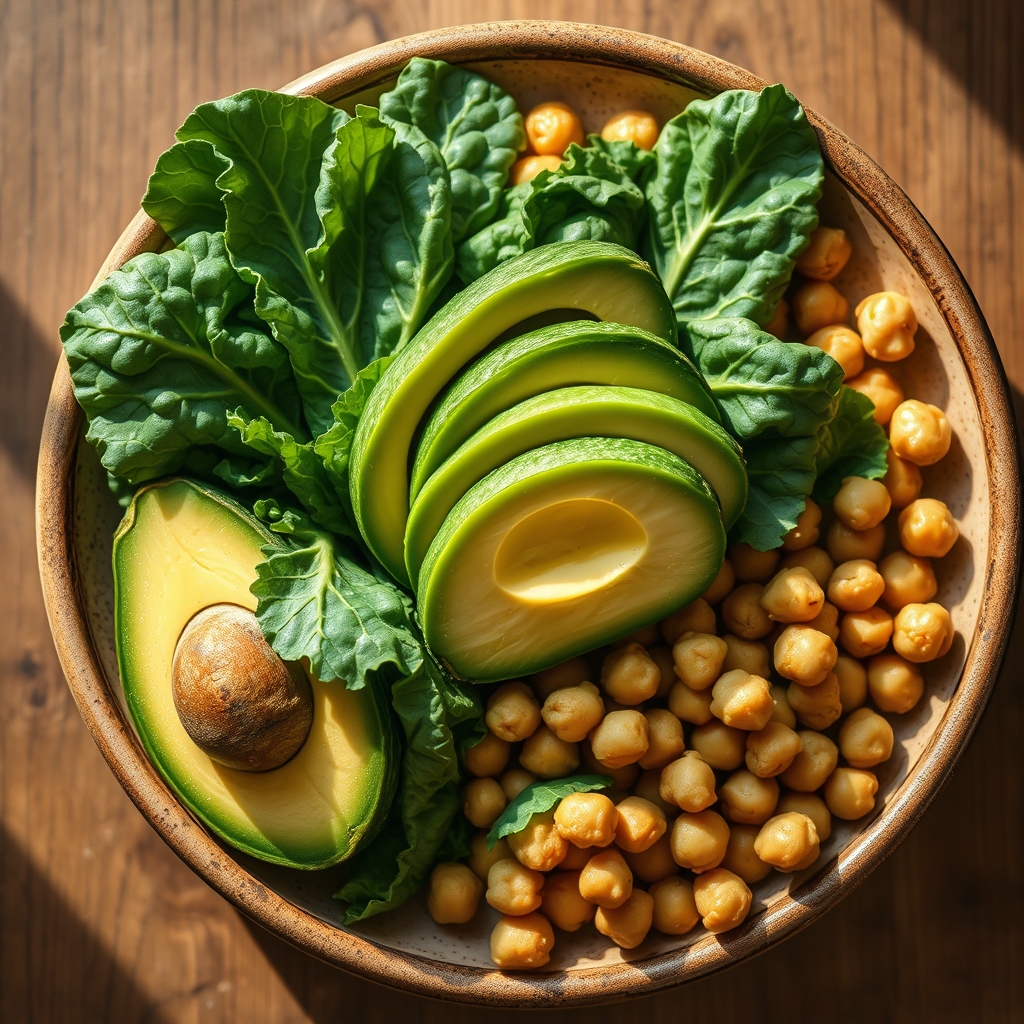
Organic kale (1 cup cooked) – ~281 µg
Organic avocado (½ medium) – ~81 µg
Organic chickpeas (1 cup cooked) – ~282 µg
Organic broccoli (1 cup cooked) – ~168 µg
Organic strawberries (1 cup) – ~89 µg
While these foods contribute significantly, remember that cooking methods affect folate retention. Light steaming preserves the most folate, whereas boiling can leach up to 50 % into the water.
Including organic kale and avocado boosts natural folate intake, but a supplement still guarantees the full 400 µg.
Folic acid recommended intake after delivery
Post‑partum folic‑acid needs depend on whether you’re breastfeeding. The WHO suggests **500 µg daily** for lactating women to support both maternal recovery and milk folate content. This is slightly higher than the 400 µg recommendation for non‑pregnant adults.
If you’re still taking a prenatal vitamin, you’re likely already meeting this level. If you’ve switched to a standard multivitamin with 400 µg, consider adding a separate folic‑acid tablet to reach the 500 µg goal, especially if you’re planning another pregnancy within a year.
From our medical team: “Folate is a cornerstone of a healthy pregnancy. Even if you’re eating a colorful diet, a daily 400 µg supplement is the most reliable way to protect against neural‑tube defects. Keep the dose steady, avoid exceeding 1 mg without a doctor’s order, and discuss any special circumstances—such as a previous NTD or a twin gestation—so we can tailor the plan to your needs.”
Myth vs. fact
Myth: You can get all the folic acid you need from a daily orange.
Fact: One orange provides about 55 µg of folate—far short of the 400 µg daily target. Supplements bridge the gap reliably.
Myth: Taking extra folic acid after the first trimester is unnecessary.
Fact: While the neural tube closes early, folate continues to support DNA synthesis, red‑blood‑cell production, and placental growth throughout pregnancy.
Myth: High folic‑acid doses are always safe because the vitamin is water‑soluble.
Fact: Exceeding the 1 mg Upper Level can mask vitamin B12 deficiency and, in rare cases, lead to other health concerns. Always follow professional guidance.
Key takeaways
Take **400 µg of folic acid daily** from pre‑conception through pregnancy; increase to 800 µg‑1 mg if you have a prior NTD or are expecting twins.
Start supplementation **at least one month before trying to conceive** to ensure adequate folate stores.
Food alone rarely meets the 400 µg goal; a prenatal vitamin or dedicated supplement is the safest way to reach it.
Never exceed **1 mg (1,000 µg) per day** without a provider’s recommendation.
Space iron and folic‑acid doses two hours apart to improve absorption.
After delivery, aim for **500 µg daily** if you’re breastfeeding.
Frequently asked questions
How much folic acid should a pregnant woman take daily?
Most guidelines recommend **400 µg per day**, increasing to **800 µg–1 mg** for women with a previous neural‑tube defect or a twin pregnancy.
Is it safe to take extra folic acid during pregnancy?
Yes, within the recommended range. Exceeding **1 mg (1,000 µg) daily** without medical supervision may mask vitamin B12 deficiency and is not advised.
Can I get enough folic acid from food alone?
While foods like leafy greens and legumes are rich in natural folate, they typically provide **200‑300 µg** per day, short of the 400 µg target; a supplement ensures you meet the full recommendation.
What are the signs of folic acid overdose in pregnancy?
Symptoms are rare but can include **skin rash, nausea, or changes in sleep patterns**; more concerning is the potential masking of B12 deficiency, which may present as fatigue or neurological tingling.
When should I start taking folic acid if trying to conceive?
Begin **at least one month before conception** and continue through the first trimester, or longer if you have a high‑risk condition.
Does folic acid help prevent birth defects?
Yes—adequate folic acid reduces the risk of **neural‑tube defects** by up to 70 % and supports overall fetal development.
When to call your doctor
If you experience any of the following, seek medical attention promptly: severe abdominal pain, persistent vomiting that prevents you from keeping down supplements, signs of anemia (pale skin, rapid heartbeat), or any unusual skin rash after increasing folic‑acid dosage.
This article provides general information and is not a substitute for personalized medical advice. Always discuss supplementation plans with your obstetrician or midwife.
References
American College of Obstetricians and Gynecologists (ACOG). “Folic Acid Supplementation and the Risk of Neural‑Tube Defects.” Obstetrics & Gynecology, 2022.
National Institute for Health and Care Excellence (NICE). “Nutrition in Pregnancy.” NG123, 2021.
Centers for Disease Control and Prevention (CDC). “Recommendations for the Use of Folic Acid to Reduce Neural‑Tube Defects.” 2023.
World Health Organization (WHO). “Guidelines on Food Fortification with Micronutrients.” 2020.
National Health Service (NHS). “Folic Acid and Pregnancy.” 2022.
Food and Nutrition Board, Institute of Medicine. “Dietary Reference Intakes for Vitamin B9 (Folate).” 2020.
Huang, H., et al. “Folic Acid Intake and Nausea in Early Pregnancy.” American Journal of Clinical Nutrition, 2021.
U.S. Food and Drug Administration (FDA). “Labeling Requirements for Prenatal Vitamins.” 2021.
Royal College of Obstetricians and Gynaecologists (RCOG). “Folate Supplementation in Pregnancy.” 2022.
American Academy of Pediatrics (AAP). “Nutrition for the Lactating Mother.” 2023.
Not sure about the label on Folic Acid During Pregnancy How Much You Really Need Each Day products?
Snap the ingredients list and SafeFilter checks every ingredient for your stage — only 3 free scans this month, then you're locked until reset. Unlimited from $7/mo or $50/yr.
When Shubhra Mishra was expecting her first child in 2016, she was overwhelmed by conflicting food advice — one site said yes, another said never. By the time her second baby arrived in 2019, she realized millions of mothers face the same confusion.
That sparked a five-year journey through clinical nutrition papers, cultural diets, and expert conversations — all leading to BumpBites: a calm, compassionate space where science meets everyday motherhood.
Her long-term vision is to build a global community ensuring safe, supported, and free deliveriesfor every mother — because no woman should face pregnancy alone or uninformed. 🌿
🌍 Stand with mothers, shape safer guidance
Join a small circle of experts who review BumpBites articles so expecting parents everywhere can decide with confidence.