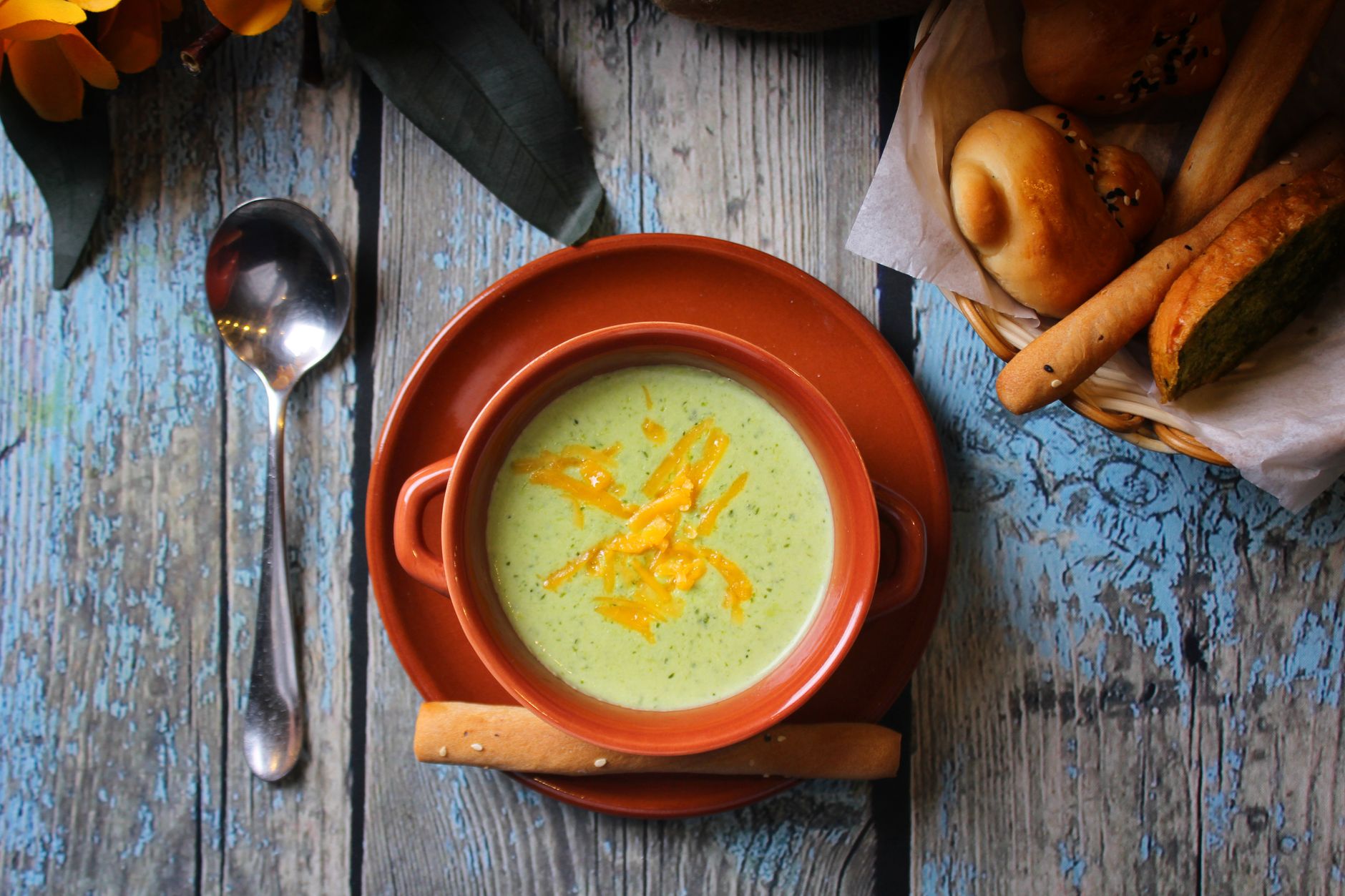
Start your baby’s solid food journey safely with our guide to the best first foods—nutritious, easy‑to‑prepare options that support growth and health.
By Shubhra Mishra — a mom of two who turned her own confusion during pregnancy into BumpBites, a global mission to make food choices clear, safe, and stress-free for every expecting mother. 💛
Check whether any food is safe during pregnancy with the BumpBites Food Safety Checker.
Quick take: Most babies are ready for solid foods around six months old, and the safest first foods are single‑ingredient purees like ripe avocado, cooked sweet potato, or iron‑fortified rice cereal. Start with a teaspoon, wait three to five days before adding a new food, and watch for any signs of allergy or intolerance. By focusing on iron‑rich, nutrient‑dense options and keeping textures smooth, you’ll give your little one a strong nutritional foundation while minimizing choking risks.
It’s 2 a.m., you’re nursing your newborn, and a sudden wave of curiosity hits you: “Can I start his first foods tonight?” You’ve heard the buzz about “early weaning,” but the idea of feeding a tiny, wobbly eater feels daunting. You’re not alone—many new parents wonder exactly when and how to transition from milk to mush. The good news is that the science is clear, and the steps are manageable. In this guide we’ll walk you through the signs that your baby is ready, the safest foods to start with, how to introduce potential allergens, and practical tips for making homemade or store‑bought purees both nutritious and easy to digest.
🔢 Calculate it for your situation: Use our Weaning Readiness for a personalized result in seconds.
By the end of this article you’ll know which foods are best for a six month‑old, how to build a balanced first‑food palette, and what to do if a reaction pops up. We’ll also give you a quick‑reference table comparing homemade and commercial baby foods, and a handy checklist for the first few weeks of solids. Let’s turn those late‑night worries into confident, bite‑by‑bite steps.
When to start solid foods and the signs of readiness
Most pediatric guidelines—including those from the American Academy of Pediatrics (AAP) and the UK’s National Institute for Health and Care Excellence (NICE)—recommend introducing solids at about six months of age. This timing aligns with the baby’s developmental milestones and the natural decline of maternal antibodies that protect the infant’s gut.
Introducing solids at this age is crucial not just for nutrition, but also for developing oral motor skills like chewing and swallowing, which are vital for speech development later on. Waiting until six months ensures your baby’s digestive system is mature enough to process a wider range of foods, reducing the likelihood of digestive upset or early allergic reactions. Furthermore, their kidneys are better equipped to handle the increased solute load from solid foods compared to younger infants.
Key readiness cues include:
Head control: your baby can sit upright with minimal support and keep the head steady.
Decreased tongue thrust reflex: the automatic motion that pushes food out of the mouth lessens.
Interest in food: watching you eat, reaching for your spoon, or opening the mouth when offered.
Weight gain: most babies have doubled their birth weight, a sign their digestive system can handle more.
If you’re unsure, try the Weaning Readiness calculator—it asks a few quick questions about your baby’s age, weight, and motor skills to give you a personalized estimate.
Babies who are born prematurely may be ready a few weeks later, so always check with your pediatrician if your infant was born before 37 weeks. Remember, “ready” is a range, not a hard cutoff; some babies may start a week earlier or later and still thrive. When you notice the signs, start with a calm feeding environment—soft lighting, a familiar lullaby, and a relaxed posture for both you and baby—because the mood can influence how willing a newborn is to explore new textures.
Safety first: choking hazards, portion sizes, and preparation methods
Safet
y is the cornerstone of any solid‑food plan. The biggest risks in the first months are choking and over‑feeding. Follow these basic rules:
Texture matters. Begin with smooth purees—no lumps, no stringy vegetables. Use a blender or food processor to achieve a baby‑friendly consistency.
Portion size. Offer 1–2 teaspoons (5–10 ml) per feeding at first. The goal is exposure, not satiety.
Temperature. Food should be lukewarm, about 37 °C (98 °F), similar to body temperature, to avoid burns.
Tools. Use a soft silicone spoon with a rounded tip to gently place food on the gums.
Beyond purees, be vigilant about common choking hazards as your baby progresses to more textured foods. Avoid whole grapes, cherry tomatoes, hot dogs, large chunks of meat or cheese, nuts, seeds, popcorn, and sticky candies. These items can easily block a baby’s airway. Always cut round foods into quarters or smaller, and shred or finely dice other foods to a size that your baby can easily manage with their developing chewing skills.
Choking prevention techniques include:
Always sit your baby upright in a high chair or on your lap with adequate back support.
Never leave a baby unattended while eating, even for a moment.
Keep a small bowl of water nearby; if a piece gets stuck, a gentle sip can help dislodge it.
Learn infant first‑aid—knowing how to perform back blows and chest thrusts can be lifesaving.
When preparing homemade purees, steam or boil vegetables until they’re very soft, then blend with a little breast milk, formula, or water. Avoid adding salt, sugar, or honey before 12 months, as babies’ kidneys and taste buds are not ready for those additives. The FDA’s Food Code (2022) also advises that any homemade baby food should be cooled rapidly and stored in clean, airtight containers to prevent bacterial growth.
Key nutrients in the first foods: iron, zinc, healthy fats, and vitamins
Milk (breast or formula) provides most nutrients a newborn needs, but after six months iron stores from birth begin to wane. Iron‑rich foods become essential for brain development, immune function, and energy.
Infants are born with a limited supply of iron, which is typically depleted by 4-6 months of age. Without adequate dietary iron, babies are at risk of iron deficiency anemia, which can impact cognitive development and overall growth. This is why iron-fortified cereals and pureed meats are often recommended as early first foods, providing a crucial boost to their dwindling iron reserves.
Top iron sources for beginners:
Iron‑fortified single‑grain rice cereal (½ tsp mixed with milk).
Pureed meats such as chicken, turkey, or lean beef.
Legume purees—well‑cooked lentils or split peas (ensure they’re smooth).
Dark green vegetables like spinach, blended with fruit to mask the taste.
Other nutrients to watch:
Zinc: found in meat, egg yolk (once cleared for allergens), and beans.
Healthy fats: avocado, full‑fat yogurt, and oily fish (e.g., salmon) provide DHA, crucial for eye and brain growth.
Vitamins A, C, D, and E: bright orange vegetables, pureed fruit, and fortified dairy support skin, immunity, and bone health.
Because iron from plant sources is less readily absorbed, pairing them with vitamin C‑rich foods (like mashed banana or pureed peas) can boost uptake. For babies who are breastfed, consider a pediatric‑recommended iron supplement after six months if dietary intake is low. The NHS advises that iron‑fortified cereals should be the first grain introduced, as they are specially formulated for infant absorption.
Step‑by‑step plan: purees, waiting periods, and texture progression
Building a solid‑food routine is like teaching a new language—consistency, repetition, and patience are key. Below is a month‑by‑month roadmap you can adapt to your baby’s appetite.
Week
Food
Portion
Notes
1
Single‑ingredient pureed avocado
1 tsp
Smooth, no added liquid needed.
2
Single‑ingredient pureed sweet potato
1–2 tsp
Mix with breast milk for thinner consistency.
3
Iron‑fortified rice cereal
½ tsp mixed with milk
Check for any green‑ish stool change.
4
Introduce a second vegetable (e.g., carrot)
1–2 tsp
Maintain 3‑day gap from previous food.
5
Introduce fruit puree (e.g., pear)
1–2 tsp
Watch for any rash or fussiness.
6
Blend two foods (e.g., avocado + banana)
2–3 tsp
Start gentle texture thickening.
**Waiting period**: After each new food, wait 3–5 days before adding another. This “watch‑and‑wait” window helps you pinpoint any allergic reaction, such as hives, swelling, vomiting, or unusual fussiness.
**Texture progression**:
Weeks 1‑2: Very smooth purees (no lumps).
Weeks 3‑4: Thinner purees mixed with milk, introducing a tiny amount of water.
Weeks 5‑6: Lightly mashed foods with a few soft bits (e.g., ripe banana mash).
Weeks 7‑8: Soft‑cooked vegetable sticks or shredded cheese for finger‑picking practice.
Every baby moves at their own pace. If your child seems uninterested or spits out food, pause and try again in a few days. Keep the feeding environment relaxed—talk, smile, and let the baby set the rhythm. In practice, many parents find that a calm, dim‑lit room with a soft blanket helps the infant focus on the new taste rather than being overwhelmed by visual stimuli. As your baby develops, gradually increase the thickness and lumpiness of purees to encourage chewing and help them adapt to different textures. This progressive exposure is key to preventing picky eating later on.
Start simple: a smooth avocado puree is a nutrient‑dense, baby‑friendly first food.
Managing allergens and special needs (eczema, constipation, and first‑food allergies)
Current guidance from the American Academy of Dermatology (AAD) and the European Academy of Allergy and Clinical Immunology (EAACI) suggests that early introduction of common allergens—such as egg, peanut, and wheat—may actually reduce the risk of developing food allergies later on. The key is to introduce them one at a time, in a small quantity, and watch closely.
For high-risk allergens like peanuts, the AAP recommends introducing them as early as 4-6 months for infants with severe eczema or egg allergy, after medical consultation. For those with mild to moderate eczema, introduction around 6 months is suggested. Even for babies without any risk factors, introducing allergens around 6 months is generally recommended to build tolerance. Repeated exposure, meaning offering the allergen a few times a week once tolerated, is also crucial for maintaining this tolerance.
Allergen introduction protocol:
Start with well‑cooked, pureed egg yolk (not the white) after the baby has tolerated at least three other foods.
Offer a teaspoon of smooth peanut butter thinned with breast milk or water; avoid chunky textures that could choke.
Introduce wheat cereal after the baby has tried rice cereal without issues.
Monitor for symptoms such as:
Skin: hives, eczema flare‑up, or swelling around the mouth.
GI: vomiting, diarrhea, or persistent gas.
Respiratory: wheezing, coughing, or difficulty breathing (rare but urgent).
If any of these appear, stop the new food immediately and contact your pediatrician. For babies with a family history of eczema or food allergy, consider discussing a supervised food‑challenge plan with your provider. The AAP also notes that infants with moderate to severe eczema may benefit from earlier introduction of peanut under medical guidance.
**Constipation tip**: Offer pureed prunes, pears, or a small amount of high‑fiber vegetable (like peas) mixed with a liquid. Adding a teaspoon of olive oil or a dab of unsalted butter can also help lubricate the digestive tract without overwhelming the infant’s palate. Ensure your baby is also getting enough water, especially as solid food intake increases.
Combining fruit and vegetable (carrot‑apple) adds fiber and vitamin C, helping with digestion.
Homemade vs. store‑bought baby foods: pros, cons, and portion recommendations
Both options can be safe and nutritious, but each has distinct advantages.
Aspect
Homemade
Store‑bought
Control over ingredients
Full control—no added salt, sugar, or preservatives.
Often regulated, but may contain added sugars or sodium.
Convenience
Requires cooking, blending, and storage.
Ready‑to‑serve, great for travel or busy nights.
Cost
Generally lower if using seasonal produce.
Higher per‑ounce cost, especially organic lines.
Shelf life
Refrigerate 48 hrs; freeze up to 3 months in ice‑cube trays.
Typically 12‑month shelf life unopened; once opened, keep 48 hrs.
Nutrient retention
Can retain more vitamins if cooked gently (steaming).
May lose some heat‑sensitive nutrients during processing.
**Portion recommendations** for both types are similar: start with 1–2 teaspoons per meal, gradually increasing to 4 ounces (½ cup) by the end of the third month of solids. Aim for 2–3 solid‑food sessions per day, while continuing regular milk feeds. Babies will self‑regulate their intake, so let them stop when they turn away or close their mouth.
When making homemade baby food, batch cooking can be a time-saver. Prepare a larger quantity of pureed vegetables or fruits, then divide them into ice cube trays and freeze. Once frozen, transfer the cubes to freezer-safe bags, labeling them with the date and contents. This way, you'll have a variety of ready-to-thaw portions available, reducing daily cooking time and ensuring a fresh, nutritious meal whenever you need it.
**Making homemade meals appealing**:
Use bright colors—orange sweet potato, green peas, purple cauliflower—to attract the eye.
Mix a familiar base (like breast milk) with a new flavor to ease the transition.
Serve in a small, colorful silicone bowl to make the experience playful.
Offer the same food on different days to reinforce familiarity.
Regardless of the source, always check the label (for store‑bought) or your own preparation notes for any added allergens, and store foods in clean, sealed containers to prevent contamination. The FDA’s “Guidance for Industry: Food Safety for Infants” (2022) recommends labeling homemade jars with the production date and discarding any leftovers after 48 hours if refrigerated.
Storing and reheating baby foods safely
Even the most nutritious puree can become a source of harmful bacteria if not stored correctly. The NHS advises that homemade baby foods should be cooled quickly—ideally within an hour—by spreading them in shallow containers before refrigeration. Once chilled, keep them at or below 4 °C (40 °F) and use a clean spoon for each serving to avoid cross‑contamination.
When you need to reheat, place the desired amount in a microwave‑safe bowl and heat in short bursts of 10‑seconds, stirring between each burst. Test the temperature on the inside of your wrist; it should feel warm, not hot. Never reheat a puree more than once, as repeated heating can degrade nutrients and increase bacterial risk. For larger batches, freezer‑safe ice‑cube trays are a lifesaver: each cube holds a single‑serving portion that can be thawed in the refrigerator overnight or gently warmed in a pot of water. Avoid tasting food directly from your baby's spoon and then re-feeding, as this can transfer bacteria from your mouth to their food.
For commercial jars, follow the manufacturer’s instructions—most recommend warming in a bowl of hot water rather than microwaving, because uneven heating can create hot spots. Always inspect the smell and texture before feeding; any off‑odor, discoloration, or separation signals that the food should be discarded.
Reading labels and avoiding hidden sugars
Even “organic” baby foods can contain added sugars that aren’t obvious at first glance. The FDA requires that added sugars be listed on the Nutrition Facts panel, but many brands place the ingredient “fruit juice concentrate” near the bottom of the list, which still contributes sugar. Look for terms like “no added sugar,” “unsweetened,” or “no‑sugar‑added” on the front of the package.
Beyond sugar, watch for sodium. Babies’ kidneys are still maturing, so the American Heart Association recommends less than 100 mg of sodium per day for infants under one year. If a jar lists “salt” or “sodium chloride” among the first three ingredients, it’s best to choose a different brand. Finally, be cautious with “organic” or “natural” claims—these are marketing terms and don’t guarantee the absence of allergens or additives. The AAP suggests sticking to single‑ingredient purees whenever possible, especially in the first few months of solids. Also, be mindful of excessive fillers like rice starch or water, which can dilute the nutritional value of the food.
Hydration and drinks beyond milk
While breast milk or formula remains the primary source of hydration and nutrition for babies under one year, a small amount of water can be introduced once solids begin. Offer sips of plain water in an open cup or sippy cup during meal times. This helps your baby learn to drink from a cup and can aid in digestion as they consume more solid food.
However, it's crucial to avoid giving juice, sugary drinks, or even sweetened teas. These offer no nutritional benefit for infants and can contribute to tooth decay, unhealthy weight gain, and may displace more nutrient-dense milk or solid food. The AAP recommends no fruit juice for children under 1 year of age. Stick to plain water and milk for optimal hydration and health.
Baby-Led Weaning (BLW) vs. Purees: A Quick Look
While this article focuses on the traditional puree method, many parents also explore baby-led weaning (BLW). This approach involves offering baby-safe finger foods from the start, allowing the baby to self-feed and control their intake. Proponents suggest BLW fosters independence, helps develop fine motor skills, and encourages adventurous eating.
With BLW, foods are typically cut into long, thin strips or larger pieces that a baby can grasp and bring to their mouth. Examples include soft-cooked carrot sticks, ripe avocado spears, or banana pieces. The primary safety concern with BLW is choking, so it's vital that foods are appropriately soft and shaped, and that parents are educated on infant first aid. Both BLW and purees are valid methods; the best choice depends on your baby's readiness, your comfort level, and your pediatrician's advice. Some parents even combine both approaches for a hybrid feeding style.
Making mealtime a positive experience: tips for picky eaters
Introducing solids is about more than just nutrition; it's also about fostering a positive relationship with food. If your baby seems hesitant or is becoming a "picky eater," remember that patience and persistence are key. Avoid pressuring your baby to eat, as this can create negative associations with mealtime. Instead, focus on making the experience enjoyable and stress-free.
Offer a variety of foods, even those previously rejected, as it can take multiple exposures (sometimes 10-15 times!) for a baby to accept a new flavor or texture. Let your baby explore food with their hands, even if it gets messy—this sensory exploration is a vital part of learning. Eat together as a family when possible, allowing your baby to observe and mimic your eating habits. Keep portions small, and celebrate small victories, like a tiny taste of a new vegetable. A calm, consistent routine helps babies feel secure and more open to new experiences.
Building a balanced weekly meal plan
Structure can make the transition smoother for both parent and baby. A simple weekly template might look like this:
Monday: Avocado puree (vegetable + healthy fat)
Tuesday: Sweet potato puree (iron + vitamin A)
Wednesday: Iron‑fortified rice cereal mixed with breast milk
Thursday: Pureed chicken or turkey (protein + zinc)
Friday: Fruit puree—pear or banana (vitamin C)
Saturday: Mixed veggie (carrot + peas) with a tiny pinch of mild spice like cinnamon (optional after 8 months)
Sunday: Rest day or repeat a favorite
By rotating foods, you expose your baby to a broad spectrum of nutrients while reducing the chance of developing a food aversion. If your infant shows a strong preference for a particular flavor, you can repeat that item more often, but still aim to introduce a new food at least once a week. Remember to keep the “wait‑and‑watch” interval between any two new items. Try to include a mix of grains, fruits, vegetables, and proteins throughout the week to ensure comprehensive nutrient intake and to broaden your baby's palate.
From our medical team: Introducing solids is a milestone, not a race. Trust your baby’s cues, keep portions tiny, and stay consistent with iron‑rich foods. If you notice any persistent vomiting, blood in the stool, or a rash after a new food, reach out to your pediatrician right away.
🔢 Ready to crunch your numbers? Use our Weaning Readiness for a personalized result in seconds.
Myth vs. fact
Myth: Babies should start eating solid foods at exactly four months.
Fact: Most experts agree that six months is the optimal age, though a few babies may be ready a few weeks earlier or later depending on growth and development.
Myth: Honey is safe for babies as soon as they start solids.
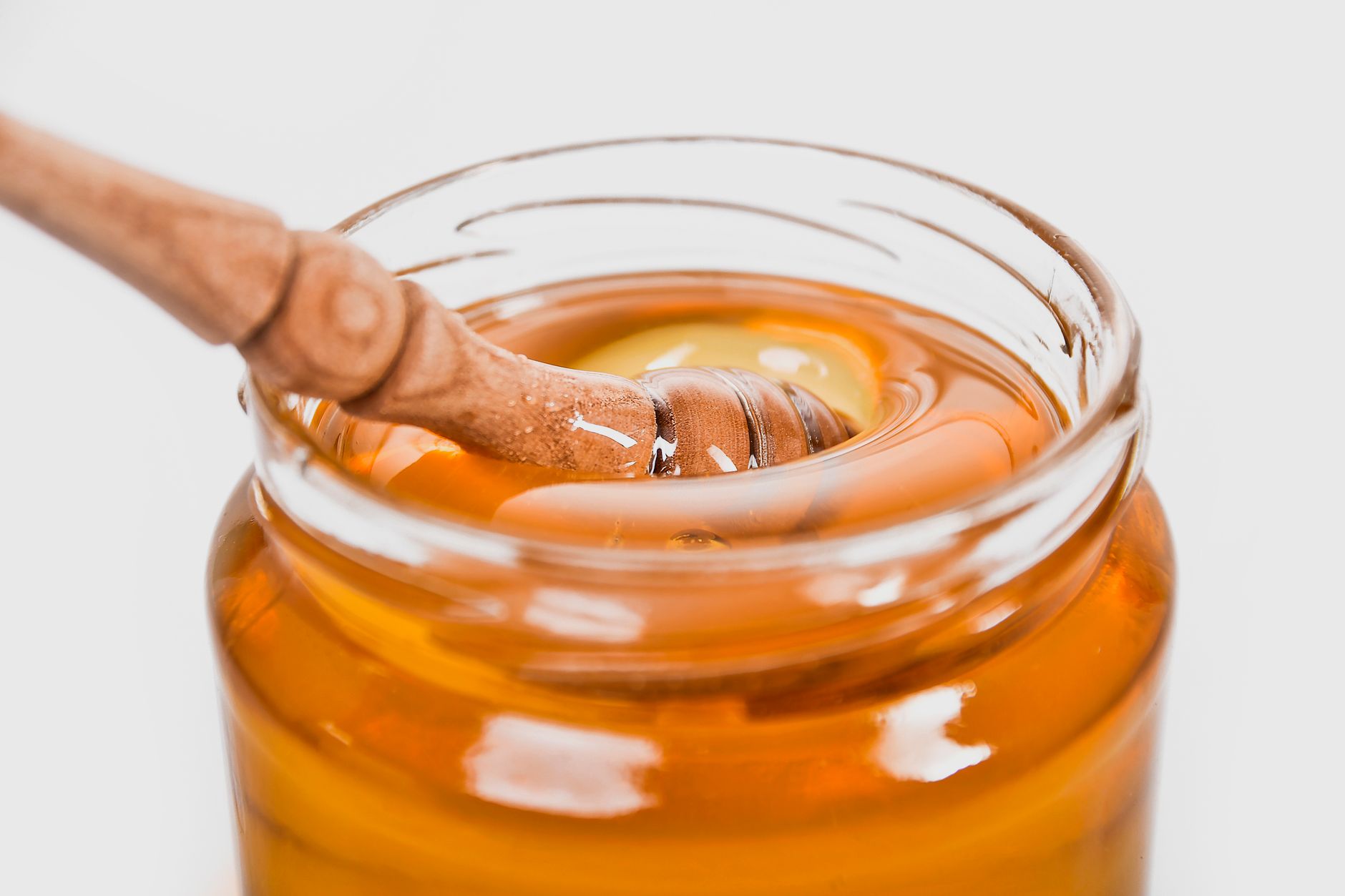
Fact: Honey can contain Clostridium botulinum spores, which can cause infant botulism. It should not be given until after the first birthday.
Myth: Commercial baby foods are always less nutritious than homemade.
Fact: Many store‑bought purees meet strict nutrition standards and can be a convenient, safe option; the key is to read labels for added sugars or salts.
Myth: Babies need juice to stay hydrated.
Fact: Babies do not need juice. Plain water (in small sips) and breast milk or formula provide all the necessary hydration without the added sugars found in juice.
Key takeaways
Most babies are ready for solids around six months; look for head control, reduced tongue thrust, and interest in food.
Start with single‑ingredient purees, offering 1–2 teaspoons per feeding and waiting 3–5 days before a new food.
Prioritize iron‑rich foods (fortified cereals, meat, lentils) and healthy fats (avocado, full‑fat yogurt) for brain development.
Introduce common allergens one at a time, watching for rash, vomiting, or breathing changes.
Both homemade and commercial baby foods can be safe; choose based on convenience, ingredient control, and storage needs.
Offer small sips of water with meals once solids begin, but avoid juice and sugary drinks.
Keep meals colorful, smooth, and served in a relaxed, smiling environment to encourage a positive eating experience.
Frequently asked questions
When should I start feeding my baby solid foods?
The consensus from the AAP and NICE is around six months of age, when the baby can sit upright with minimal support and shows reduced tongue thrust reflex. Some infants may be ready a few weeks earlier if they meet these milestones.
What are the safest first foods for a newborn?
For a six‑month‑old, the safest first foods are smooth purees such as ripe avocado, cooked sweet potato, and iron‑fortified rice cereal. These are low‑allergen, easy to digest, and provide essential nutrients.
How many weeks should I wait between introducing new foods?
Wait three to five days between each new food. This “watch‑and‑wait” period helps you identify any allergic reaction or intolerance before moving on to the next item.
What signs indicate my baby is ready for solid foods?
Key signs include good head control, interest in what you’re eating, reduced tongue thrust, and being able to sit with support. Weight gain of at least double birth weight also suggests readiness.
Can I give my baby honey as a first food?
No. Honey can contain botulism spores that are dangerous for infants under one year. Stick to pureed fruits, vegetables, and fortified cereals until after the first birthday.
How do I prevent choking when feeding my baby solid foods?
Always serve smooth purees, keep the baby upright in a high chair, never leave them unattended, and use a soft silicone spoon. Learning infant first‑aid techniques for back blows and chest thrusts adds an extra layer of safety.
Is it okay to add a pinch of mild spices to my baby’s puree?
Yes, once your baby is around eight months and tolerates basic flavors, you can introduce very mild spices such as cinnamon or a dash of garlic powder. Keep them well‑blended and avoid hot spices that could irritate the gut.
How can I tell if a store‑bought baby food has hidden sugars?
Check the Nutrition Facts panel for “Added Sugars” and scan the ingredient list for terms like “fruit juice concentrate.” Choose products labeled “unsweetened” or “no added sugar.” The FDA requires added sugars to be listed, so a quick glance will usually reveal them.
Should my baby drink water when starting solids?
Yes, you can offer small sips of plain water in an open cup or sippy cup during meal times once solids are introduced. However, breast milk or formula should remain their primary drink for hydration and nutrition until after their first birthday. Avoid juice or other sugary drinks.
What is baby-led weaning (BLW) and is it safe?
Baby-led weaning is an approach where babies self-feed appropriately sized finger foods from the start, rather than relying on purees. It can be safe and beneficial for development, but requires careful selection of soft, easily graspable foods and strict supervision to prevent choking. Always consult your pediatrician if considering BLW.
When to call your doctor
Contact your pediatrician promptly if your baby shows any of the following after trying a new food: persistent vomiting, diarrhea lasting more than 24 hours, blood or mucus in the stool, swelling of the lips or face, hives, wheezing, or a sudden change in behavior such as excessive lethargy. This information is for educational purposes only and does not replace personalized medical advice.
References
American Academy of Pediatrics. “Feeding and Nutrition: Guidelines for Infants and Young Children.” 2023.
National Institute for Health and Care Excellence (NICE). “Infant feeding: guidelines.” Updated 2022.
World Health Organization. “Complementary Feeding of Infants and Young Children.” 2021.
Centers for Disease Control and Prevention (CDC). “Infant Nutrition.” 2022.
European Academy of Allergy and Clinical Immunology (EAACI). “Early introduction of allergens.” 2022.
American Academy of Dermatology (AAD). “Eczema and Food Allergy in Infants.” 2023.
U.S. Food and Drug Administration (FDA). “Guidance for Industry: Food Safety for Infants.” 2022.
Mayo Clinic. “When to start solid foods.” 2023.
British Pediatric Association. “Iron Requirements in Infancy.” 2023.
Health Canada. “Infant Feeding Guidelines.” 2022.
American Heart Association. “Dietary Recommendations for Infants.” 2021.
Not sure about the label on First Foods For Baby Safe And Nutritious Choices products?
Snap the ingredients list and SafeFilter checks every ingredient for your stage — only 3 free scans this month, then you're locked until reset. Unlimited from $7/mo or $50/yr.
When Shubhra Mishra was expecting her first child in 2016, she was overwhelmed by conflicting food advice — one site said yes, another said never. By the time her second baby arrived in 2019, she realized millions of mothers face the same confusion.
That sparked a five-year journey through clinical nutrition papers, cultural diets, and expert conversations — all leading to BumpBites: a calm, compassionate space where science meets everyday motherhood.
Her long-term vision is to build a global community ensuring safe, supported, and free deliveriesfor every mother — because no woman should face pregnancy alone or uninformed. 🌿
🌍 Stand with mothers, shape safer guidance
Join a small circle of experts who review BumpBites articles so expecting parents everywhere can decide with confidence.