Yes—postpartum fever can signal sepsis. Learn the signs, such as rapid heart rate, low blood pressure, severe pain, and when to seek immediate emergency care.
By Shubhra Mishra — a mom of two who turned her own confusion during pregnancy into BumpBites, a global mission to make food choices clear, safe, and stress-free for every expecting mother. 💛
Check whether any food is safe during pregnancy with the BumpBites Food Safety Checker.
Quick take: A postpartum fever that climbs above 100.4°F (38°C) after the first 24 hours, especially if it’s accompanied by rapid heartbeat, low blood pressure, chills, or a change in mental state, could be a sign of sepsis. Call your provider or go to the ER right away.
It’s 2 a.m., you’ve just settled into the nursery, and a sudden wave of heat makes you reach for the thermometer. The reading flashes 101°F. Your heart races, your skin feels clammy, and you wonder: “Is this just a normal post‑birth fever, or am I headed toward something far more serious?” You’re not alone. Many new parents experience a fever in the first days after delivery and worry whether it’s harmless or a warning sign of infection and sepsis.
🔢 Calculate it for your situation: Use our Maternal Sepsis Warning for a personalized result in seconds.
In this article we’ll break down exactly what a postpartum fever is, when it’s expected, and the red‑flag symptoms that suggest sepsis—a life‑threatening response to infection. We’ll cover risk factors, how clinicians diagnose the condition, what treatment looks like, and practical steps you can take to keep yourself safe while you recover. By the end you’ll have a clear plan for monitoring your temperature, knowing when to seek help, and how to protect yourself and your newborn.
Whether you delivered at home, in a hospital, or a birthing center, the guidance below applies. If you ever feel unsure, remember that you can use the Maternal Sepsis Warning tool to assess your symptoms quickly, but never replace a professional evaluation.
What is postpartum fever?
Postpartum fever is any body temperature above the normal range that occurs after childbirth. In healthy adults, the average core temperature is about 98.6°F (37°C). A fever is generally defined as a temperature of 100.4°F (38°C) or higher, measured orally, rectally, or via a reliable ear or temporal artery device.
During the first 24 hours after delivery, a mild temperature rise is common. The body’s inflammatory response to labor, tissue trauma, and hormonal shifts can cause a temporary spike. This “physiologic” fever usually peaks at 100.4°F–101°F (38–38.3°C), resolves within 24 hours, and is not accompanied by other signs of infection.
However, a fever that persists beyond 24 hours, climbs higher, or is paired with additional symptoms may indicate an underlying infection. Infections can arise in the uterus (endometritis), surgical incisions, urinary tract, breast (mastitis), or from the bloodstream itself, leading to sepsis.
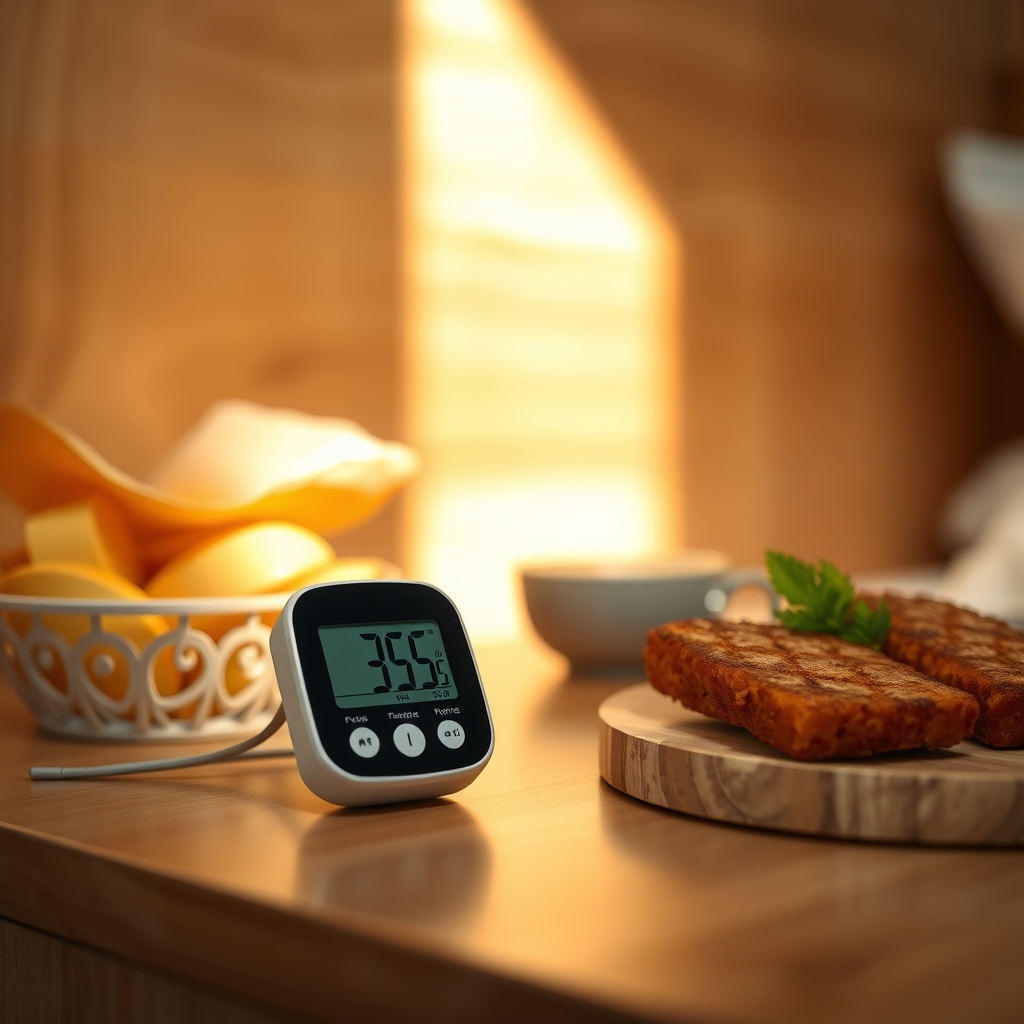
Because temperature can vary depending on the measurement method, it’s best to use the same technique each time—preferably a digital oral or temporal‑artery thermometer—so you can spot trends accurately rather than being misled by a single outlier.
Tracking your temperature accurately helps you spot concerning patterns early.
Understanding the distinction between a normal physiologic response and a sign of infection matters because early treatment can prevent the cascade into sepsis. The American College of Obstetricians and Gynecologists (ACOG) emphasizes that any fever accompanied by systemic symptoms should trigger a prompt evaluation (ACOG, 2023).
When is a fever considered normal after birth?
Most
clinicians agree on a short “post‑delivery window” where a low‑grade fever is not alarming. Below is a quick reference:
Stay hydrated; dehydration can artificially raise temperature.
Use a reliable thermometer and record the time of each reading.
If you’re breastfeeding, remember that milk let‑down can feel warm, but it does not cause a true fever.
Even a “normal” early fever can mask an emerging infection if other signs appear. The NHS advises that any fever persisting beyond 24 hours should prompt a check‑in with a health professional (NHS, 2023).
How to tell if a fever signals infection?
Infections typically present with a constellation of signs beyond temperature alone. Look for the following patterns:
Persistent fever (>100.4°F for more than 24 hours).
Localized pain in the abdomen, perineum, incision site, or breast.
Foul‑smelling lochia (post‑delivery bleeding) or discharge.
Changes in mental status—confusion, excessive sleepiness, or irritability.
When two or more of these accompany a fever, clinicians start to suspect an infection that could be progressing toward sepsis. The CDC’s sepsis recognition criteria specifically list these systemic signs as early warning indicators (CDC, 2022).
It’s also useful to note that some infections, like urinary tract infections, may present with subtle urinary symptoms before a fever develops. Keeping a symptom diary in the first week postpartum can help you and your provider spot trends.
Warning signs that point to sepsis
Sepsis is the body’s extreme reaction to infection, leading to organ dysfunction. The CDC’s sepsis criteria and the NHS sepsis guidelines highlight the following “danger” signs:
Temperature: > 101.3°F (38.5°C) or < 96.8°F (36°C).
Heart rate: > 100 beats per minute.
Respiratory rate: > 20 breaths per minute, or a new need for supplemental oxygen.
Altered mental status: confusion, disorientation, or excessive drowsiness.
Blood pressure: systolic < 90 mm Hg or a drop of ≥ 40 mm Hg from baseline.
Reduced urine output: less than 0.5 mL/kg/hr.
If you notice any of these while also having a fever, treat it as a medical emergency. The combination of fever, rapid pulse, and low blood pressure is especially concerning and warrants an immediate trip to the emergency department.
These criteria are deliberately broad because sepsis can evolve quickly. ACOG recommends that any postpartum patient meeting two or more of the “quick‑SOFA” (qSOFA) markers—altered mentation, tachypnea, or hypotension—be evaluated for sepsis without delay (ACOG, 2023). Even subtle mental changes, like feeling unusually detached from your baby, can be an early sign and should not be ignored.
Risk factors and common causes of postpartum sepsis
While anyone can develop an infection after delivery, certain factors increase the likelihood of sepsis:
Cesarean delivery—surgical incisions provide a portal for bacteria.
Prolonged labor (> 24 hours) or multiple vaginal examinations.
Premature rupture of membranes (PROM) lasting > 18 hours.
Obesity (BMI ≥ 30) — higher rates of wound infection.
Diabetes—impaired immune response.
Group B Streptococcus (GBS) colonization not adequately treated.
Instrumental delivery (forceps, vacuum) that can cause tissue trauma.
The most frequent sources of infection that can progress to sepsis after childbirth are:
Source
Typical organism(s)
Typical onset (days)
Uterine (endometritis)
Streptococcus, anaerobes, E. coli
2–5
Surgical wound (cesarean)
S. aureus, E. coli
3–7
Urinary tract infection (UTI)
E. coli, Proteus
1–4
Breast (mastitis)
S. aureus, Streptococcus
5–10
Bloodstream (primary)
GBS, Staphylococcus
Any
Each of these can start with a modest fever, but if the bacteria spread, the systemic response can quickly turn into sepsis. Early identification of the infection source—whether it’s a retained placental fragment or a skin breach—guides targeted therapy and improves outcomes.
In addition to the common culprits listed, colonization with methicillin‑resistant Staphylococcus aureus (MRSA) or other resistant organisms can raise the stakes, especially in hospital settings. Prophylactic antibiotics for cesarean sections and for women with known GBS colonization, as recommended by NICE, have been shown to cut postpartum sepsis rates (NICE, 2022).
How doctors diagnose postpartum sepsis
When you present to the ER or your obstetrician with a fever and any of the red‑flag signs, the care team will follow a systematic work‑up:
Physical exam: Vital signs, inspection of the uterus, incision, breasts, and perineal area for redness, swelling, or discharge.
Blood tests:
Complete blood count (CBC) – looking for elevated white blood cells or low platelets.
Blood cultures – two sets drawn from separate sites before antibiotics start.
Serum lactate – high levels suggest poor tissue perfusion, a hallmark of sepsis.
C‑reactive protein (CRP) or procalcitonin – inflammatory markers that rise with infection.
Urine analysis and culture – to rule out a urinary tract infection, which is a common postpartum source.
Imaging (if indicated):
Pelvic ultrasound – to detect retained placental fragments or abscesses.
Chest X‑ray – if there’s a cough or suspicion of pneumonia.
Wound swabs – if the incision looks infected, a sample is taken for culture.
All of these tests help the team identify the culprit organism and gauge how severe the infection has become, guiding the choice of antibiotics and supportive care.
In many hospitals, the sepsis bundle is initiated within the first hour of recognition, as recommended by the Surviving Sepsis Campaign (2021). This rapid response protocol includes immediate blood cultures, lactate measurement, and broad‑spectrum antibiotics, which have been shown to lower mortality.
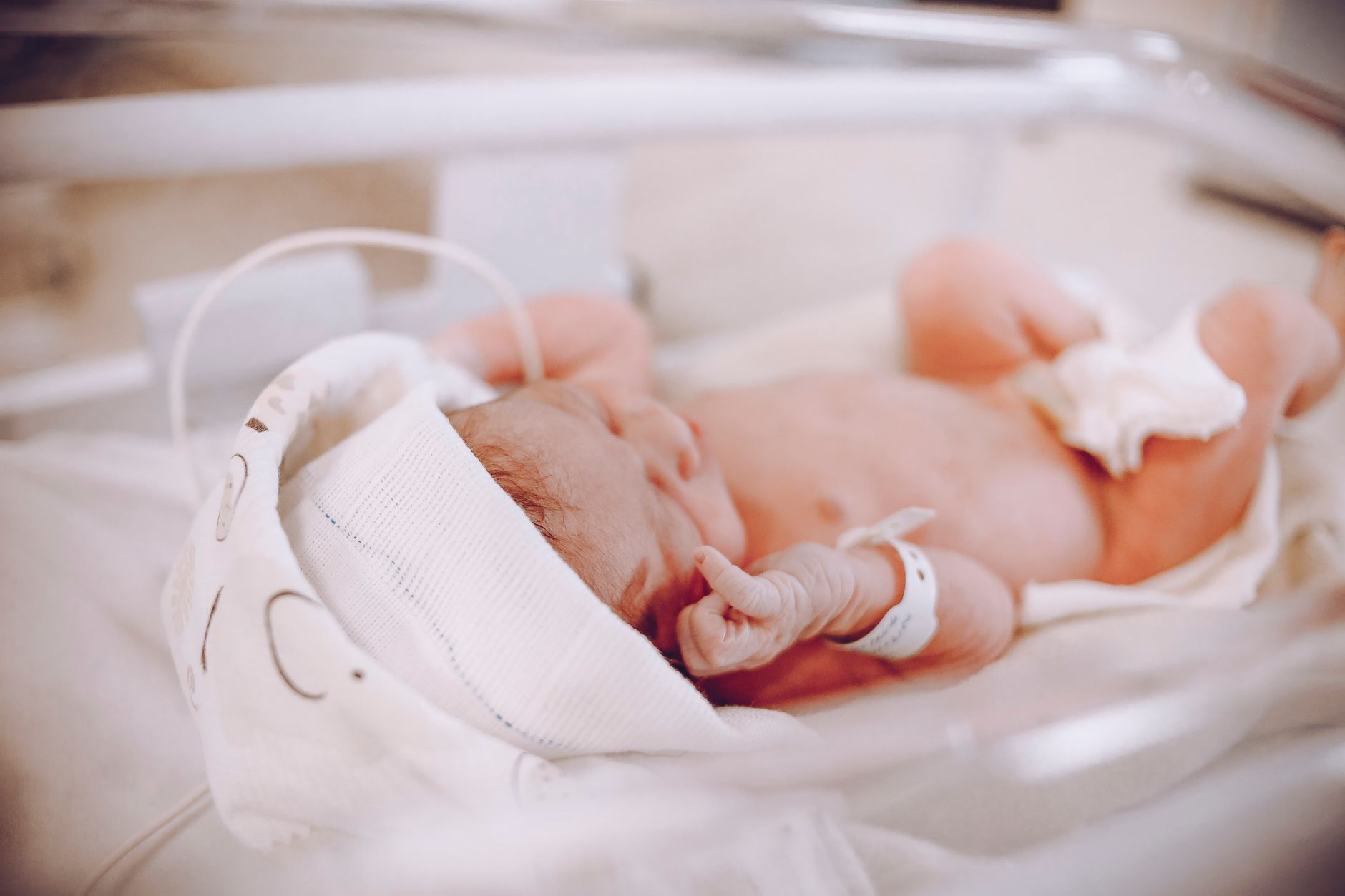
Early detection of sepsis often begins with routine vital‑sign checks in the hospital.
Treatment and what to expect
Once sepsis is confirmed—or strongly suspected—treatment moves quickly. The main goals are to eliminate the infection, support failing organs, and prevent complications.
Broad‑spectrum IV antibiotics are started within the first hour. Regimens commonly include a combination of ceftriaxone (or another third‑generation cephalosporin) plus metronidazole, or a carbapenem if resistant organisms are suspected.
Intravenous fluids to maintain blood pressure and perfusion. In severe cases, a central line may be placed for rapid fluid administration.
Oxygen therapy or mechanical ventilation if breathing is compromised.
Monitoring in an intensive care or step‑down unit, with frequent checks of heart rate, blood pressure, urine output, and labs.
Source control—surgical drainage of an abscess, removal of infected sutures, or catheter exchange may be necessary.
Most women respond to antibiotics within 48–72 hours, with a gradual return to normal temperature and vital signs. Hospital stays typically range from 3 to 7 days, depending on severity and how quickly the infection resolves. After discharge, a short course of oral antibiotics may be prescribed to finish the treatment.
Recovery also includes supportive self‑care: adequate rest, nutrition rich in protein and fluids, and careful monitoring of any lingering symptoms. Your provider will schedule a follow‑up visit—usually within a week—to ensure the infection has cleared and to discuss any lingering concerns. Discharge criteria often include stable vital signs for at least 24 hours, decreasing inflammatory markers, and the ability to tolerate oral intake.
Because many antibiotics cross into breast milk, clinicians will choose agents with established safety profiles for lactating mothers. The FDA’s pregnancy and lactation labeling now includes detailed information on drug excretion into milk, helping providers make evidence‑based choices (FDA, 2023).
Prevention and home‑care tips to reduce infection risk
While no strategy guarantees 100 % protection, several evidence‑based practices can lower the odds of postpartum infection and sepsis:
Hand hygiene: Wash hands with soap for at least 20 seconds before touching your incision, perineum, or breast.
Perineal care: Use warm water rinses after bathroom trips, pat dry, and change pads frequently.
Incision care: Keep the cesarean site clean and dry; follow your surgeon’s instructions on showering and dressing changes.
Breastfeeding hygiene: Ensure the nipple and areola are clean, and treat any cracked nipples promptly.
Stay hydrated: Aim for at least 2 liters of fluid daily; dehydration can mask early infection signs.
Promptly treat urinary symptoms: Burning, urgency, or cloudy urine should be evaluated early; a simple UTI can become sepsis if ignored.
Nutrition: Focus on iron‑rich foods, lean protein, and vitamin C to support immune function.
Follow‑up appointments: Attend all postpartum visits, usually at 2 weeks and 6 weeks, even if you feel fine.
Finally, trust your instincts. If something feels “off,” give yourself permission to call your provider. You know your body best, and early intervention saves lives.
When to seek care: In‑person vs. telehealth options
Modern postpartum care often blends face‑to‑face visits with remote monitoring. If you have a low‑grade fever (<100.4°F) but no other symptoms, a telehealth check‑in can be a convenient first step. Many providers can review your temperature log, evaluate symptoms, and decide whether an in‑person exam is needed.
However, any fever that exceeds 101.3°F (38.5°C) **or** is accompanied by tachycardia, hypotension, chills, or mental‑status changes should prompt an immediate in‑person evaluation—preferably at an urgent‑care center or emergency department. The NHS advises that patients with suspected sepsis be directed to the nearest ED without delay (NHS, 2023).
When you call, have the following information ready: the highest temperature recorded, timing of spikes, heart rate (if you have a home monitor), urine output, and any pain or discharge details. This helps clinicians triage quickly and start the sepsis bundle if needed.
Antibiotics and breastfeeding: What’s safe for you and baby?
Most antibiotics used for postpartum infections are compatible with breastfeeding, but a few have restrictions. For example, tetracycline can affect a baby’s developing teeth and should be avoided, while penicillins, cephalosporins, and clindamycin are generally considered safe (Mayo Clinic, 2024).
When your provider prescribes medication, they will consider the infant’s age, the drug’s half‑life, and the concentration that passes into milk. The FDA’s LactMed database provides detailed guidance on drug levels in breast milk, and many obstetric teams will discuss these specifics during the discharge counseling session.
If you experience side effects like diaper rash or gastrointestinal upset in your baby after starting a new antibiotic, note it and inform your provider. In most cases, the benefits of treating a maternal infection outweigh the minimal exposure risks, but open communication ensures both you and your baby stay safe.
Impact of postpartum fever on mental health and bonding
Experiencing a fever and the uncertainty of infection can be emotionally draining. Hormonal shifts already make you vulnerable to postpartum mood changes, and a serious illness can amplify anxiety or depressive symptoms. Studies from the Royal College of Obstetricians and Gynaecologists (RCOG) show that mothers who receive clear information and rapid treatment for postpartum infections report lower anxiety scores and better bonding with their newborns.
Don’t hesitate to ask for emotional support. Many hospitals offer postpartum counseling services, lactation consultants, and peer‑support groups that can help you process the experience. If you notice persistent low mood, loss of interest, or intrusive thoughts, reach out to your provider—postpartum depression is treatable, and early intervention improves outcomes for both parent and child.
Understanding sepsis scoring systems (qSOFA & SIRS)
Clinicians often rely on quick bedside tools like the qSOFA (quick Sequential Organ Failure Assessment) and the older SIRS (Systemic Inflammatory Response Syndrome) criteria to decide whether a postpartum patient needs urgent sepsis work‑up. qSOFA looks at three simple measures—altered mentation, fast breathing, and low blood pressure—while SIRS includes fever, heart rate, respiratory rate, and white‑blood‑cell count. Meeting two or more of these thresholds flags a higher risk of organ dysfunction and prompts immediate treatment (CDC, 2022).
Home monitoring tools and when to use them
Wearable devices that track heart rate, temperature, and even sleep patterns can be helpful for early detection, especially if you’re recovering at home. Pair a reliable digital thermometer with a simple log or a smartphone app that records each reading, pulse, and any accompanying symptoms. These tools are not a substitute for professional care, but they give you concrete data to share with your provider during a telehealth visit or in‑person appointment.
From our medical team: “A postpartum fever that meets the sepsis criteria is a medical emergency. Early recognition, prompt labs, and timely antibiotics dramatically improve outcomes. If you’re ever in doubt, err on the side of caution and seek care—your health and your baby’s safety depend on it.”
🔢 Ready to crunch your numbers? Use our Maternal Sepsis Warning for a personalized result in seconds.
Myth vs. fact
Myth: All fevers after birth are normal and will go away on their own.
Fact: A fever lasting longer than 24 hours, especially above 101.3°F (38.5°C), warrants medical evaluation because it can signal infection or sepsis.
Myth: Only women who had a cesarean can develop sepsis.
Fact: While cesarean delivery increases risk, sepsis can arise after vaginal births, especially with prolonged labor, PROM, or urinary tract infections.
Myth: If I feel fine, I don’t need antibiotics.
Fact: Some infections progress silently; laboratory tests may reveal a hidden pathogen that requires treatment even when you feel “okay.”
Key takeaways
Fever > 100.4°F (38°C) after the first 24 hours, especially with chills, rapid pulse, or low blood pressure, could indicate infection or sepsis.
Watch for red‑flag signs: confusion, shortness of breath, rapid heart rate, or a sudden drop in blood pressure.
Risk factors include cesarean delivery, prolonged labor, PROM, obesity, diabetes, and untreated GBS.
Diagnostic work‑up involves blood cultures, CBC, lactate, urine analysis, and sometimes imaging.
Treatment is IV antibiotics, fluids, and supportive care—often in the hospital for several days.
Prevent infection with diligent hand hygiene, proper perineal and incision care, staying hydrated, and seeking prompt care for urinary symptoms.
Most standard antibiotics are safe while breastfeeding; discuss any concerns with your provider.
If you feel uneasy or notice any concerning change, trust your instincts and contact a health professional promptly.
Frequently asked questions
What are the signs of sepsis after giving birth?
Sepsis typically presents with a fever > 101.3°F (38.5°C), rapid heart rate (> 100 bpm), fast breathing (> 20 breaths/min), confusion or extreme fatigue, and low blood pressure. If you notice any combination of these, call emergency services immediately.
How long can a postpartum fever be normal?
A low‑grade fever (up to 101°F/38.3°C) that resolves within the first 24 hours after delivery is generally considered normal. Any fever persisting beyond 24 hours, especially if it climbs higher, should be evaluated by a health professional.
When should I go to the ER for postpartum fever?
Go to the ER right away if your temperature is > 101.3°F (38.5°C) and you also have chills, a rapid heartbeat, feeling faint, shortness of breath, or a change in mental alertness. These are classic sepsis warning signs.
Can a urinary tract infection cause sepsis postpartum?
Yes. UTIs are one of the most common sources of postpartum infection. If a UTI spreads to the bloodstream, it can trigger sepsis. Prompt treatment of urinary symptoms reduces this risk.
What tests are done to diagnose postpartum sepsis?
Doctors typically order a CBC, blood cultures, serum lactate, CRP or procalcitonin, and a urine culture. Imaging such as a pelvic ultrasound may be used to look for abscesses, and wound swabs are taken if a surgical site looks infected.
How is postpartum sepsis treated?
Treatment starts with broad‑spectrum IV antibiotics within the first hour, aggressive IV fluids, and supportive care (oxygen or vasopressors if needed). The specific antibiotic regimen is adjusted once culture results return, and source control—like draining an abscess—may be required.
Can COVID‑19 cause a postpartum fever?
Yes. COVID‑19 infection can present with fever, chills, and fatigue, which may overlap with postpartum infection signs. If you suspect COVID‑19, get tested and inform your provider, as management may differ from bacterial sepsis.
How long should I continue monitoring my temperature after discharge?
Most clinicians recommend checking your temperature twice daily for the first week after hospital discharge, then once daily until your 2‑week postpartum visit. Continue monitoring if you notice any new symptoms or if your temperature rises again.
What is the difference between a normal postpartum temperature rise and a fever?
A normal postpartum temperature rise is a mild increase (usually up to 101°F/38.3°C) that occurs within the first 24 hours and resolves without other symptoms; a fever is a sustained temperature ≥ 100.4°F (38°C) that lasts beyond 24 hours or is accompanied by pain, chills, or systemic signs.
Can I use over‑the‑counter pain relievers like ibuprofen for a postpartum fever?
Yes, ibuprofen or acetaminophen can safely reduce fever and discomfort in most postpartum women, provided you have no contraindications such as kidney problems or allergy; however, if the fever persists or worsens, you should contact your provider promptly.
When to call your doctor
If you experience any of the following, seek medical care right away: temperature > 101.3°F (38.5°C), rapid heartbeat (> 100 bpm), low blood pressure, severe chills, confusion, difficulty breathing, decreased urine output, foul‑smelling lochia, or worsening pain at any incision or wound site. This information is for educational purposes only and does not replace personalized medical advice. If you’re ever in doubt, contact your obstetrician, midwife, or go to the nearest emergency department.
References
American College of Obstetricians and Gynecologists (ACOG). “Infection Prevention and Control After Delivery.” 2023 Clinical Guidance.
Centers for Disease Control and Prevention (CDC). “Sepsis Recognition.” Updated 2022.
National Health Service (NHS). “Sepsis – Symptoms and Treatment.” 2023.
World Health Organization (WHO). “Maternal Sepsis: Fact Sheet.” 2022.
Royal College of Obstetricians and Gynaecologists (RCOG). “Postpartum Care Guidance.” 2023.
Mayo Clinic. “Postpartum Fever: When to Worry.” 2024.
U.S. Food & Drug Administration (FDA). “Antibiotic Use in Pregnancy and Lactation.” 2023.
National Institute for Health and Care Excellence (NICE). “Infection in Pregnancy.” Clinical Knowledge Summary, 2022.
American Academy of Pediatrics (AAP). “Breastfeeding and Mastitis.” 2023.
Society for Maternal-Fetal Medicine (SMFM). “Management of Postpartum Infections.” 2022.
Surviving Sepsis Campaign. “International Guidelines for Management of Sepsis and Septic Shock.” 2021.
National Institute for Health and Care Excellence (NICE). “Postnatal Care.” Updated 2022.
Mayo Clinic. “Antibiotics and Breastfeeding.” 2024.
Not sure about the label on Could My Postpartum Fever Be Sepsis Warning Signs products?
Snap the ingredients list and SafeFilter checks every ingredient for your stage — only 3 free scans this month, then you're locked until reset. Unlimited from $7/mo or $50/yr.
When Shubhra Mishra was expecting her first child in 2016, she was overwhelmed by conflicting food advice — one site said yes, another said never. By the time her second baby arrived in 2019, she realized millions of mothers face the same confusion.
That sparked a five-year journey through clinical nutrition papers, cultural diets, and expert conversations — all leading to BumpBites: a calm, compassionate space where science meets everyday motherhood.
Her long-term vision is to build a global community ensuring safe, supported, and free deliveriesfor every mother — because no woman should face pregnancy alone or uninformed. 🌿
🌍 Stand with mothers, shape safer guidance
Join a small circle of experts who review BumpBites articles so expecting parents everywhere can decide with confidence.