
Quick answer: Generally safe

Are steamed bao buns safe during pregnancy? Learn which fillings are safe, pork/chicken cooking rules, street-food risks, sodium levels, myths, FAQs, storage rules, and trimester guidance.

Source: BumpBites — pregnancy food-safety guide. Always consult your doctor.

Bao during pregnancy — BumpBites food safety guide
Bao during pregnancy — at a glance
Pregnancy verdictGenerally safe
Suggested limit2 pieces per day
Serving size1 bao
Calories≈ 120–230
Food groupMeat

Key things to know about Bao in pregnancy

  • Bao is generally considered safe to eat during pregnancy when it is fresh and properly prepared.
  • A 1 bao serving of bao provides roughly ≈ 120–230, including ≈ 4–9 g of protein, ≈ 20–30 g of carbohydrates, ≈ 2–10 g of fat.
  • Sodium varies widely depending on filling.
  • High sodium/oil versions should be eaten moderately. Ensure hygienic preparation.
On this page

Can Pregnant Women Eat Bao? (Safe Fillings, Pork Safety, Street Bao Risks & Storage Guide)

Are steamed bao buns safe during pregnancy? Learn which fillings are safe, pork/chicken cooking rules, street-food risks, sodium levels, myths, FAQs, storage rules, and trimester guidance.

Shubhra Mishra

By Shubhra Mishra — a mom of two who turned her own confusion during pregnancy into BumpBites, a global mission to make food choices clear, safe, and stress-free for every expecting mother. 💛

Are you a qualified maternal-health or nutrition expert? Join our reviewer circle.

Wondering about another food?

Check whether any food is safe during pregnancy with the BumpBites Food Safety Checker.

Download the Complete Pregnancy Food Guide (10,000 Foods) 📘

Instant PDF download • No spam • Trusted by thousands of moms

💡 Your email is 100% safe — no spam ever.

Are Bao Buns Safe During Pregnancy? Pork, Chicken, Sweet Fillings & Street-Bao Safety Explained

Steamed bao buns (包子 / baozi) are soft, comforting, mildly sweet dough pillows filled with savory meats, vegetables, or custard. They are popular in China, Taiwan, Singapore, Japan, and across the world.

During pregnancy, women often ask: “Can I safely eat bao buns while pregnant?”

The short answer: Yes — bao is safe when fillings are cooked properly and stored correctly.

Pregnancy Safety Score

  • Veggie / sweet bao: 9.5 / 10
  • Chicken / beef bao: 9 / 10
  • Pork bao: 8 / 10 (safe if fully cooked)
  • Street bao: 5.5 / 10 (avoid if hygiene uncertain) [2]

Quick Answer (Safe or Not?)

  • ✔ Safe when fillings are fully cooked — especially pork. [1]
  • ✔ Vegetarian and sweet baos are lowest risk.
  • ✔ Avoid unpasteurized dairy custard. [3]
  • ✔ Be cautious with street bao (temperature issues). [2]
  • ✔ Leftovers must be refrigerated within 2 hours.

Cultural Background: The Heart of Asian Street Food

Bao has been a staple in Chinese cuisine for over 1,800 years. Variants include:

  • Char siu bao — Cantonese barbecue pork
  • Sheng jian bao — pan-fried juicy bao
  • Taiwanese gua bao — fluffy buns with braised pork belly
  • Vegetable bao — mushrooms, cabbage, tofu
  • Cream & custard bao — sweet breakfast-style buns

Pregnancy safety depends entirely on the filling and hygiene—not the bun itself.

Storage & Leftovers

Bao spoils quickly due to moisture. [2]

  • Refrigerate within 2 hours.
  • Store separately from sauces.
  • Eat within 1–2 days.
  • Reheat until steaming hot before eating.

Trimester-Wise Guide

  • 1st trimester: Choose mild fillings if nauseous.
  • 2nd trimester: Safest period to enjoy bao.
  • 3rd trimester: Avoid very salty fillings (fluid retention).

Common Myths About Bao

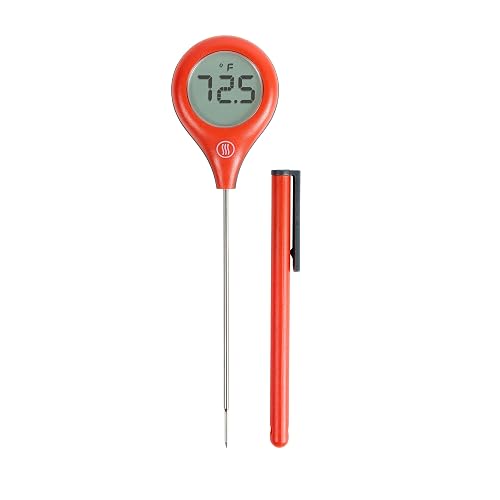
  • “Steaming kills all bacteria so filling can be slightly raw.” — False. Pork must be 71°C. [1]
  • “Sweet bao is unhealthy for pregnancy.” — Not true; occasional sweet bao is safe.
  • “Street bao is always safe because it’s hot.” — Not true; temps vary widely. [2]

How Much Bao Is Safe?

  • 2–3 bao per meal is reasonable.
  • Balance with veggies to avoid excessive sodium.
  • Avoid bao with heavy, oily fillings late at night.

FAQ

Is bao safe during pregnancy?

Yes — bao is safe when fillings like pork, beef, or chicken are fully cooked. Veggie and sweet baos are generally low-risk. [1]

Can I eat pork bao while pregnant?

Yes, but only if the pork reaches 71°C (160°F) and is steaming hot. Avoid pink or undercooked pork. [1]

Is street bao safe?

Street bao can be risky due to temperature abuse and cross-contamination. Choose restaurants with proper hygiene. [2]

Are sweet bao safe?

Yes — fillings like red bean, lotus paste, custard (pasteurized), and taro are safe. Avoid unpasteurized dairy fillings. [3]

How long can leftover bao last?

Store in fridge 1–2 days max. Reheat until steaming before eating. [2]

Is bao safe in the first trimester?

Yes, but avoid very oily, spicy or strong-flavored fillings if you have nausea.

References

  • [1] — USDA pork cooking guidelines.
  • [2] — CDC cross-contamination and street food risks.
  • [3] — FDA pasteurized dairy rules.

🥗 Nutrition Facts

sugar2 g
limit Per Day2 pieces
carbohydrates≈ 20–30 g
noteSodium varies widely depending on filling.
sodiumModerate–High
quantity1 bao
fats≈ 2–10 g
protein≈ 4–9 g
calories≈ 120–230
Shubhra Mishra

About the Author

When Shubhra Mishra was expecting her first child in 2016, she was overwhelmed by conflicting food advice — one site said yes, another said never. By the time her second baby arrived in 2019, she realized millions of mothers face the same confusion.

That sparked a five-year journey through clinical nutrition papers, cultural diets, and expert conversations — all leading to BumpBites: a calm, compassionate space where science meets everyday motherhood.

Her long-term vision is to build a global community ensuring safe, supported, and free deliveriesfor every mother — because no woman should face pregnancy alone or uninformed. 🌿

🌍 Stand with mothers, shape safer guidance

Join a small circle of experts who review BumpBites articles so expecting parents everywhere can decide with confidence.

References
  1. USDA — Safe Minimum Cooking Temperature for Pork (71°C) https://www.fsis.usda.gov/food-safety
  2. CDC — Preventing Cross-Contamination in Street Foods https://www.cdc.gov/foodsafety
  3. FDA — Pasteurized Dairy Guidelines https://www.fda.gov/food

⚠️ Always consult your doctor for medical advice. This content is informational only.