
Skip to main content+
On this page

Sea Urchin (Uni) in Pregnancy — Raw Sushi Risks, Safe Alternatives & Omega-3 Benefits

Raw sea urchin (uni) is not recommended in pregnancy due to Listeria/Vibrio risk, but cooked or pasteurized uni can be enjoyed safely. This evidence-based guide covers raw risks, label cues, storage, nutrients, portion ideas, trimester notes, myths, and a practical safety checklist.

Personalized Safety Check

Safety for sea urchin during pregnancy

Get guidance based on your trimester & any health conditions you may have. Your details stay only on this device.

How has your doctor described your pregnancy?
Shubhra Mishra

By Shubhra Mishra — a mom of two who turned her own confusion during pregnancy into BumpBites, a global mission to make food choices clear, safe, and stress-free for every expecting mother. 💛

Are you a qualified maternal-health or nutrition expert? Join our reviewer circle.

Download the Complete Pregnancy Food Guide (10,000 Foods) 📘

Instant PDF download • No spam • Trusted by thousands of moms

💡 Your email is 100% safe — no spam ever.

Opened sea urchin shells showing golden roe (uni) on a minimal Japanese setting with chopsticks and lemon
Sea urchin (uni) is a luxurious bite with a creamy, ocean-sweet flavor. During pregnancy, the safety call comes down to raw vs cooked, cold-chain hygiene, and smart label checks. [2] [3]

Sea Urchin (Uni) in Pregnancy — Raw Risks, Cooked Rewards

If you love sushi, you probably know the cult status of uni — soft, golden lobes of sea urchin roe that taste like briny butter. In pregnancy, though, raw seafood changes from “treat” to “maybe not.” The short version: avoid raw uni because cold raw seafood can harbor Listeria monocytogenes and Vibrio. But the story doesn’t end there. When cooked or pasteurized, uni is a lovely, pregnancy-friendly way to add omega-3s, protein, and key minerals (like iodine) to your week. [2] [3] [5]
Quick take (for fast decisions)

Avoid raw uni (sushi/sashimi). Choose cooked or pasteurized. [2]
Low mercury seafood overall; the bigger risk is bacteria in raw forms. [1]
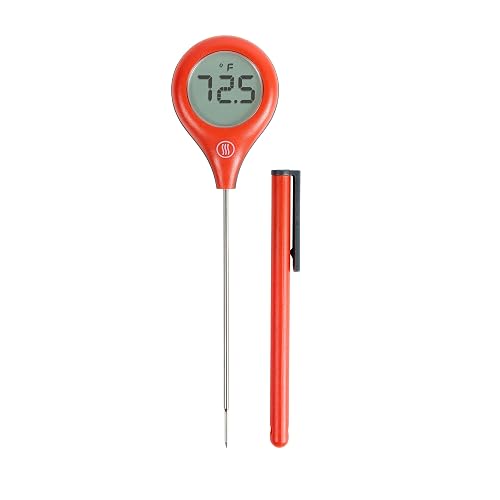
Store ≤4 °C / 40 °F, reheat leftovers until steaming, and discard if off. [4]

What Exactly Is Uni?

The edible part of a sea urchin is its roe (often called “gonads” in biology). Open the shell and you’ll see five golden lobes — velvety and custardy, with a delicate marine sweetness. Uni stars in Japanese sushi and sashimi, but it also appears in Italian seafood pastas, Korean rice bowls, and modern bistro menus. The catch: raw, refrigerated roe can carry pathogens, so pregnancy safety hinges on cooking or pasteurization and strict refrigeration. [3] [4]

Close-up label: 'Pasteurized Sea Urchin Roe — Keep Refrigerated' with intact seal and use-by date
Look for: “Pasteurized”, “Keep Refrigerated”, a use-by date, and an intact seal. Pasteurization + cold chain = major risk reduction. [1] [4]

Raw Seafood Risks — Why Pregnant Bodies Need Extra Caution

In pregnancy, the immune system is tuned to protect the baby — which paradoxically means you’re more vulnerable to certain infections. Raw seafood can carry Listeria, which survives refrigerator temperatures and can cross the placenta, and Vibrio, which thrives in shellfish from warm waters. The fix is straightforward: heat. Cooking or pasteurization dramatically reduces these hazards. [2] [4]

  • Avoid raw uni (sushi/sashimi/on toast). Choose cooked or pasteurized. [3]
  • Hold the cold chain: buy from reputable sellers; transport chilled; store ≤4 °C / 40 °F. [4]
  • Cook thoroughly: heat until steaming; avoid “barely warmed” raw sauces. [4]

What About Mercury?

Sea urchin isn’t on the high-mercury “do-not-eat” list; it’s generally considered low mercury relative to larger predatory fish. The bigger safety issue with uni is microbial — not metal. That said, balance still matters. Rotate your seafood choices through low-mercury options (e.g., salmon, sardines, trout), and keep portion sizes moderate to support overall nutrition goals. [1]

Serving & Storage — Your Simple Workflow

Step Safe Practice Why/Notes
Buy Prefer pasteurized jars or clearly labeled, chilled products Pasteurization reduces pathogens; intact seals matter [1]
Transport Use an insulated bag/ice pack if traveling far Keep ≤4 °C / 40 °F from shop to fridge [4]
Store Refrigerate promptly; don’t leave at room temp Cold slows growth; it doesn’t sterilize [4]
Cook Heat until steaming; fold into hot pasta/risotto or bake on toast Heat neutralizes Listeria/Vibrio [4] [2]
Leftovers Cool quickly; reheat thoroughly; finish in 1–2 days Short shelf life for seafood; smell/texture check [4]
Creamy cooked uni pasta with lemon zest and parsley served with salad and sparkling water
Cooked uni pasta or baked uni toast delivers that unmistakable flavor — minus raw risk. Pair with greens and citrus for a balanced plate. [5]

Nutrition Snapshot — Light, Savory, Omega-3-Rich

Per 100 g cooked sea urchin (brand-dependent): ≈160 kcal, ≈14 g protein, and ≈6 g fat with a helpful dose of omega-3 fats (≈1 g DHA/EPA). Micronutrients include iodine and zinc — both supportive of fetal thyroid function, immunity, and healthy growth. [5]

NutrientApprox.Why it matters
Energy≈ 160 kcalLight entree or satisfying side
Protein≈ 14 gSupports maternal & fetal tissue growth
Fat (omega-3)≈ 6 g (≈ 1 g DHA/EPA)Brain & eye development [5]
Iodine≈ 30 µgFetal thyroid & metabolism support
Zinc≈ 1–2 mgImmune function & repair

How Much Is Sensible? Portion & Pairing Ideas

Uni is rich in flavor, so you only need a little. Think 2–3 tablespoons folded into hot pasta, risotto, or scrambled eggs; or a small baked toast as an appetizer. To keep your day balanced, pair with fiber (leafy greens, whole grains), vitamin C (citrus), and hydration. [5]

  • Uni linguine: Toss pasteurized uni into butter/lemon/garlic sauce; add parsley and a squeeze of lemon.
  • Baked uni toast: Spread on baguette slices; bake until lightly set; finish with chives.
  • Uni scrambled eggs: Stir in just before eggs finish to keep it silky, not soupy.

Trimester Notes — Same Safety Rules, Different Comfort Levels

1st Trimester

Skip raw seafood entirely. If nausea is intense, try milder cooked preparations and keep portions small. [3]

2nd Trimester

A good window to steadily include low-mercury cooked seafood for omega-3s. Rotate with salmon, trout, sardines. [1] [5]

3rd Trimester

Keep sauces lighter to minimize reflux. Small portions once a week fit well alongside leafy salads and citrus. [5]

Myths & Facts

  • Myth: “If a sushi bar is fancy, raw uni is safe.”
    Fact: Clean isn’t sterile; Listeria can persist at fridge temps. Cooking is the equalizer. [2]
  • Myth: “If it’s low mercury, there’s zero concern.”
    Fact: Uni is low-mercury, but raw risk is microbial, not metal. [1]
  • Myth: “Cooking destroys omega-3s.”
    Fact: Mild heat barely impacts DHA/EPA; the nutrient payoff remains. [5]

One-Minute Safety Checklist

  • Avoid raw uni; choose cooked or pasteurized. [3] [2]
  • Keep ≤4 °C / 40 °F from store to plate. [4]
  • Check labels for pasteurization, intact seals, and use-by dates. [1]
  • Heat until steaming when using pasteurized jars in hot dishes. [4]
  • Trust your senses: discard if sour, slimy, or weepy. [4]
  • Portion: small, occasional servings as part of a low-mercury seafood rotation. [1]

Pregnancy FAQ — Sea Urchin (Uni)

Is sea urchin (uni) safe during pregnancy?

Avoid raw uni due to Listeria and Vibrio risk. Cooked or pasteurized uni is safe when handled cold and served hot. [2] [3]

Can I have uni sushi from a trusted restaurant?

Even at high-end places, raw seafood can carry pathogens. Choose cooked alternatives (e.g., uni pasta, baked uni toast) or pasteurized jars. [2]

Does sea urchin have mercury?

Sea urchin is generally a low-mercury seafood. The bigger risk is bacteria in raw forms. Keep portions moderate as part of a balanced seafood rotation. [1]

What should I look for on the label?

“Pasteurized,” “Keep Refrigerated,” an intact seal, and a clearly printed use-by date. [1]

How do I store and reheat it safely?

Keep at ≤4 °C / 40 °F, cook within 24–48 hours of purchase, and reheat leftovers until steaming. Discard if sour, slimy, or weepy. [4]

Key References

Guidance from FDA, CDC, NHS, WHO and Mayo Clinic on seafood safety, raw-fish risks, pasteurization/cold-chain rules, and omega-3 benefits in pregnancy. [1] [2] [3] [4] [5]

🥗 Nutrition Facts

sugar0 g
limit Per Day100g
carbohydrates≈2 g
noteCooked/pasteurized forms provide safe omega-3s. Avoid raw versions during pregnancy. [[ref:mayo-omega3-pregnancy]] [[ref:fda-seafood-pregnancy]]
quantityPer 100 g cooked uni (brand-dependent)
fats≈6 g (≈1 g DHA/EPA)
protein≈14 g
iodine≈30 µg
calories≈160 kcal
zinc≈1–2 mg
Shubhra Mishra

About the Author

When Shubhra Mishra was expecting her first child in 2016, she was overwhelmed by conflicting food advice — one site said yes, another said never. By the time her second baby arrived in 2019, she realized millions of mothers face the same confusion.

That sparked a five-year journey through clinical nutrition papers, cultural diets, and expert conversations — all leading to BumpBites: a calm, compassionate space where science meets everyday motherhood.

Her long-term vision is to build a global community ensuring safe, supported, and free deliveriesfor every mother — because no woman should face pregnancy alone or uninformed. 🌿

🌍 Stand with mothers, shape safer guidance

Join a small circle of experts who review BumpBites articles so expecting parents everywhere can decide with confidence.

References
  1. FDA — Advice About Eating Fish (mercury, pregnancy-safe choices) https://www.fda.gov/food/consumers/advice-about-eating-fish
  2. CDC — Raw seafood safety (Listeria & Vibrio) and pregnancy risk https://www.cdc.gov/listeria/prevention/raw-food.html
  3. NHS — Sushi/raw fish advice in pregnancy https://www.nhs.uk/pregnancy/keeping-well/foods-to-avoid/
  4. WHO — Five Keys to Safer Food (clean, separate, cook, chill, safe water) https://www.who.int/publications/i/item/9789241594639
  5. Mayo Clinic — Pregnancy nutrition basics (omega-3s, balanced intake) https://www.mayoclinic.org/healthy-lifestyle/pregnancy-week-by-week/in-depth/pregnancy-nutrition/art-20043844

⚠️ Always consult your doctor for medical advice. This content is informational only.

BumpBites Logo

🔗 Visit bumpbites.health for more pregnancy food insights.

🛍️ Check BumpBites merch