Quick answer: Generally safe

Pancit palabok (luglug) can be pregnancy-friendly when shrimp is fully cooked, eggs are hard-boiled, any sprouts are cooked, and the dish is served piping hot. Global, evidence-based guide with seafood mercury advice, leftovers timing, and street-food tips.

Source: BumpBites — pregnancy food-safety guide. Always consult your doctor.

Palabok during pregnancy — BumpBites food safety guide
Palabok during pregnancy — at a glance
Pregnancy verdictGenerally safe
Suggested limit1 cup per day
Serving sizePer 1 bowl (modest noodles, shrimp, sauce, egg)
Calories≈450–650 kcal
Food groupSeafood

Key things to know about Palabok in pregnancy

  • Palabok is generally considered safe to eat during pregnancy when it is fresh and properly prepared.
  • A per 1 bowl (modest noodles, shrimp, sauce, egg) serving of palabok provides roughly ≈450–650 kcal, including ≈18–28 g of protein, ≈55–80 g of carbohydrates, ≈12–22 g of fat.
  • Varies by portion size, amount of chicharrón/oil, and toppings.
  • Comforting noodle dish; keep portions modest, add greens, and ensure toppings are fully cooked for safety and digestion.
On this page

Palabok in Pregnancy — Shrimp & Egg Safety, Sprouts Caution, Hot Holding (2-Hour Rule), Street-Food Checks & Smart Portions

Pancit palabok (luglug) can be pregnancy-friendly when shrimp is fully cooked, eggs are hard-boiled, any sprouts are cooked, and the dish is served piping hot. Global, evidence-based guide with seafood mercury advice, leftovers timing, and street-food tips.

Shubhra Mishra

By Shubhra Mishra — a mom of two who turned her own confusion during pregnancy into BumpBites, a global mission to make food choices clear, safe, and stress-free for every expecting mother. 💛

Are you a qualified maternal-health or nutrition expert? Join our reviewer circle.

Wondering about another food?

Check whether any food is safe during pregnancy with the BumpBites Food Safety Checker.

Download the Complete Pregnancy Food Guide (10,000 Foods) 📘

Instant PDF download • No spam • Trusted by thousands of moms

💡 Your email is 100% safe — no spam ever.

Palabok in Pregnancy — The Short Answer

Yes—palabok is okay in pregnancy when you keep three levers in your favour: cook shrimp thoroughly, use fully cooked eggs, and serve hot (avoid lukewarm buffet trays). If you like adding mung-bean sprouts, make sure they’re thoroughly cooked—pregnancy guidance advises avoiding raw sprouts. For seafood frequency, shrimp are a low-mercury choice within the FDA/EPA weekly servings. [1] [3] [4]

Palabok 101 — Savoury, Bright, and Textured

Palabok (also called luglug) is a Filipino rice-noodle dish with a savoury, prawn-forward sauce thickened with starch, often coloured with annatto. Toppings usually include shrimp, hard-boiled eggs, chopped chives/green onions, crushed chicharrón, and sometimes tinapa (smoked fish) flakes and mung-bean sprouts. For pregnancy, each topping is fine when cooked and the bowl is served steaming hot. [6]

Shrimp & Seafood — Fully Cooked, Low Mercury

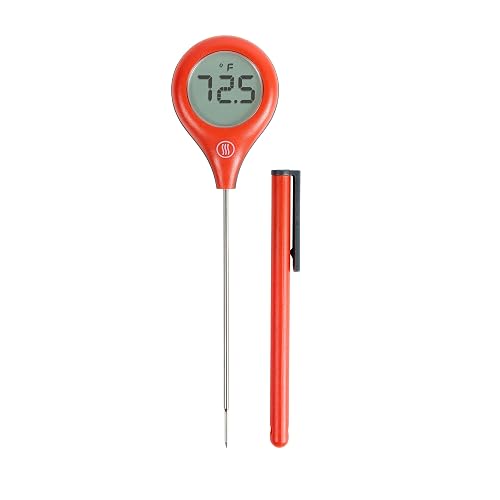
Shrimp turn pink/opaque and curl firmly when done; an internal temperature of 145 °F / 63 °C is the safety anchor. As for mercury, shrimp sit in the FDA/EPA “Best Choices” list—aim for 2–3 servings/week of a variety of low-mercury seafood. [1] [4]

Eggs — Hard-Boiled Wins

Palabok is traditionally topped with sliced hard-boiled eggs. In pregnancy, prefer fully set yolks rather than runny centers. If you’re cooking at home, simmer eggs long enough for a firm yolk; if dining out, you can request well-cooked eggs. [5]

Sprouts — Delicious, But Not Raw

Raw sprouts (mung bean, alfalfa, clover) can harbour bacteria inside the sprout structure. Pregnancy guidance recommends avoiding raw sprouts; enjoy them only when thoroughly cooked in the hot sauce or stir-fried briefly until steaming throughout. [3]

Hot Holding & Leftovers — The 2-Hour Rule

Like any mixed, perishable dish, palabok should be eaten fresh and hot. Follow the 2-hour rule (1 hour in very warm weather): refrigerate leftovers promptly at ≤4 °C/40 °F, and reheat until steaming hot before eating. [2]

Street-Food & Buffets — Practical Cues

  • Order fresh, see steam: Choose stalls that cook to order or keep sauces at a visible simmer. [6]
  • Skip lukewarm trays: If the noodles/sauce are just warm or have sat long, pick a different dish. [2]
  • Separate utensils: Tongs/spoons for cooked foods should be clean and not used for raw items. [6]

Portions & Balance — Comfort Without the Slump

Noodle dishes can be energy-dense. ACOG encourages balanced plates: keep noodles to a modest portion, add lean protein (shrimp), and pile on vegetables or a side salad. If you’re watching glucose, anchor meals with protein/fibre and monitor your personal response. [7]

When to Pause or Personalise

If you’re nausea-prone, keep toppings mild and portions small. If you have gestational diabetes, favour extra greens and protein and keep rice-noodle portions modest. If hygiene looks questionable, choose a dish that arrives piping hot or skip it. [7] [6]

Pregnancy FAQ — Palabok

Is palabok safe during pregnancy?

Yes—if served hot with fully cooked shrimp and eggs; cook any sprouts and refrigerate leftovers within 2 hours. [1] [3] [2]

Are raw mung-bean sprouts okay?

No—avoid raw sprouts during pregnancy. Enjoy them only when thoroughly cooked. [3]

How often can I eat shrimp?

Shrimp are a low-mercury seafood; fit them into 2–3 weekly servings of low-mercury fish/seafood. [4]

Leftovers and reheating?

Refrigerate within 2 hours (≤4 °C/40 °F). Reheat until steaming hot before eating. [2]

🥗 Nutrition Facts

sugar3 g
limit Per Day1 cup
carbohydrates≈55–80 g
noteVaries by portion size, amount of chicharrón/oil, and toppings.
quantityPer 1 bowl (modest noodles, shrimp, sauce, egg)
fats≈12–22 g
protein≈18–28 g
calories≈450–650 kcal
Shubhra Mishra

About the Author

When Shubhra Mishra was expecting her first child in 2016, she was overwhelmed by conflicting food advice — one site said yes, another said never. By the time her second baby arrived in 2019, she realized millions of mothers face the same confusion.

That sparked a five-year journey through clinical nutrition papers, cultural diets, and expert conversations — all leading to BumpBites: a calm, compassionate space where science meets everyday motherhood.

Her long-term vision is to build a global community ensuring safe, supported, and free deliveriesfor every mother — because no woman should face pregnancy alone or uninformed. 🌿

🌍 Stand with mothers, shape safer guidance

Join a small circle of experts who review BumpBites articles so expecting parents everywhere can decide with confidence.

References
  1. FDA — Safe Food Handling (seafood 145 °F / 63 °C; keep hot foods hot, cold foods cold) https://www.fda.gov/food/buy-store-serve-safe-food/safe-food-handling
  2. USDA/FSIS — Two-Hour Rule & Danger Zone (40–140 °F) for perishable foods https://www.fsis.usda.gov/food-safety/safe-food-handling-and-preparation/food-safety-basics/safe-handling-take-out-foods
  3. CDC — Sprouts: What You Should Know (avoid raw sprouts; cook thoroughly) https://www.cdc.gov/foodsafety/communication/sprouts.html
  4. FDA/EPA — Advice About Eating Fish (pregnant & breastfeeding: choose low-mercury options like shrimp; 2–3 servings/week) https://www.fda.gov/food/consumers/advice-about-eating-fish
  5. NHS — Foods to avoid in pregnancy (egg doneness; general food-safety advice) https://www.nhs.uk/pregnancy/keeping-well/foods-to-avoid/
  6. WHO — Five Keys to Safer Food (clean, separate, cook, keep safe temperatures, safe water/raw materials) https://www.who.int/publications/i/item/9789241594639
  7. ACOG — Nutrition During Pregnancy (balanced meals, portions, wholegrains/veg/protein) https://www.acog.org/womens-health/faqs/nutrition-during-pregnancy

⚠️ Always consult your doctor for medical advice. This content is informational only.